
Reviewed · LISBON TAPAS TOURS
Lisbon: Portuguese Petiscos Tasting Tour by E-Bike
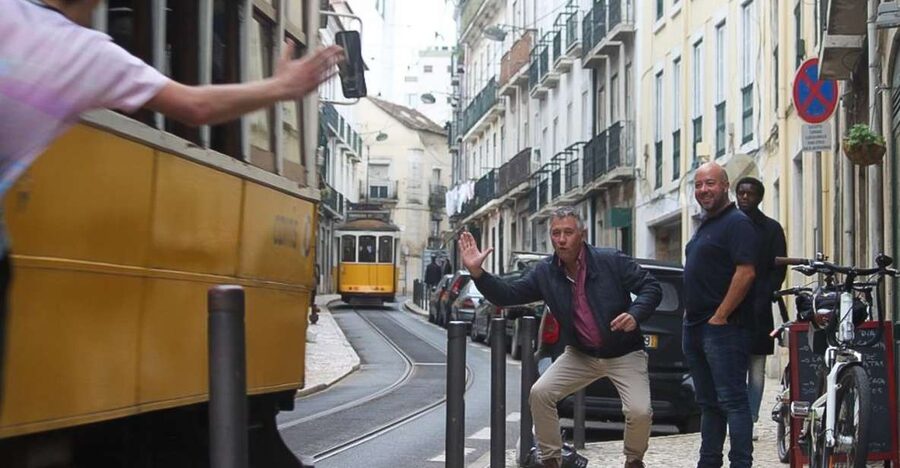
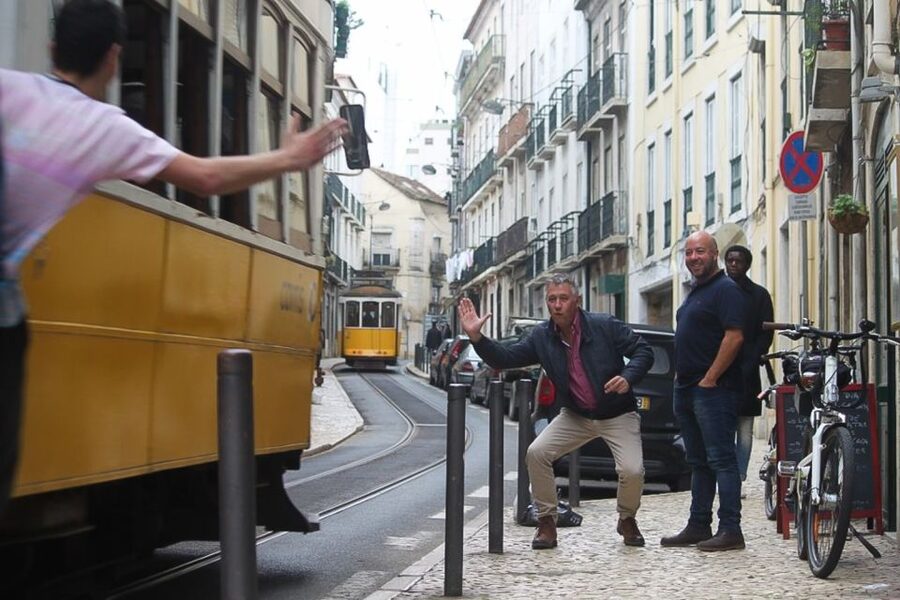
Lisbon’s hills and cobblestones can make sightseeing hard work, but an electric bike turns the city into a moving food tour. Over three hours, you’ll cover about 10.5 kilometers, pause for four petiscos tastings, and see a useful slice of central Lisbon from the riverfront to Bairro Alto.
I like the mix of local food and city history, rather than a tour that treats eating as a series of rushed samples. I also like the practical route: the bike gets you between neighborhoods quickly, and guides such as Claudio, Jaime, Beatrice, and Daniel have made the outing feel personal and easygoing. The drawback is clear: Lisbon’s cobbles make for a bumpy ride, so comfortable clothes, shoes, and a sports bra are wise. This tour is not suitable for anyone under 140 centimeters or with mobility limitations.
Key points at a glance
- Four petiscos tastings: Sample traditional Portuguese small plates, from cod cakes and clams to more unusual local dishes.
- About 10.5 kilometers by e-bike: Reach Lisbon’s hills and waterfront areas without wearing yourself out.
- Ribeira Market stop: See the traditional food market and visit the modern restaurant area linked to respected chefs.
- Pink Street and Ribeira das Naus: Cycle through Nova de Carvalho and along a waterfront promenade tied to Portugal’s maritime past.
- Four central neighborhoods: The route includes Pombaline Downtown, Chiado, Bairro Alto, and the riverfront.
- Helpful local advice: Guides may point you toward restaurants for later meals, a useful bonus if this is your first stay in Lisbon.
Why this Lisbon food tour works
This experience combines two things I think belong together in Lisbon: eating and wandering. Portuguese food is not just something to consume between landmarks. It helps explain the city’s links to the Atlantic, its market culture, and its habit of turning simple ingredients into filling, social food.
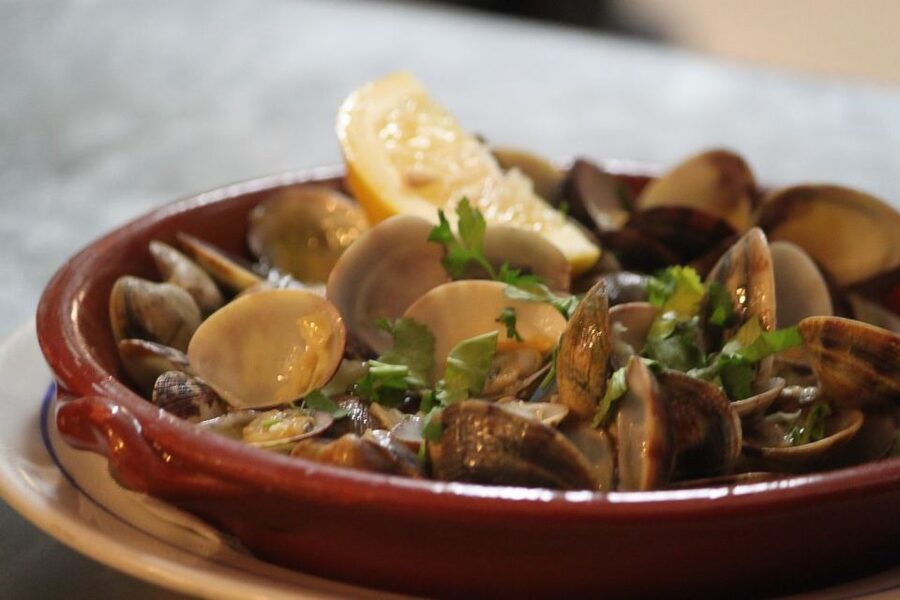
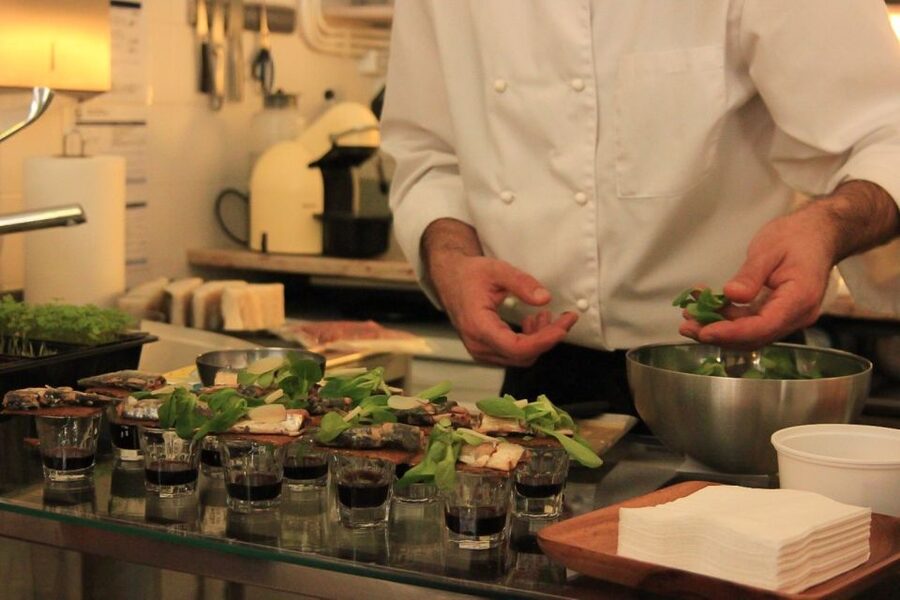
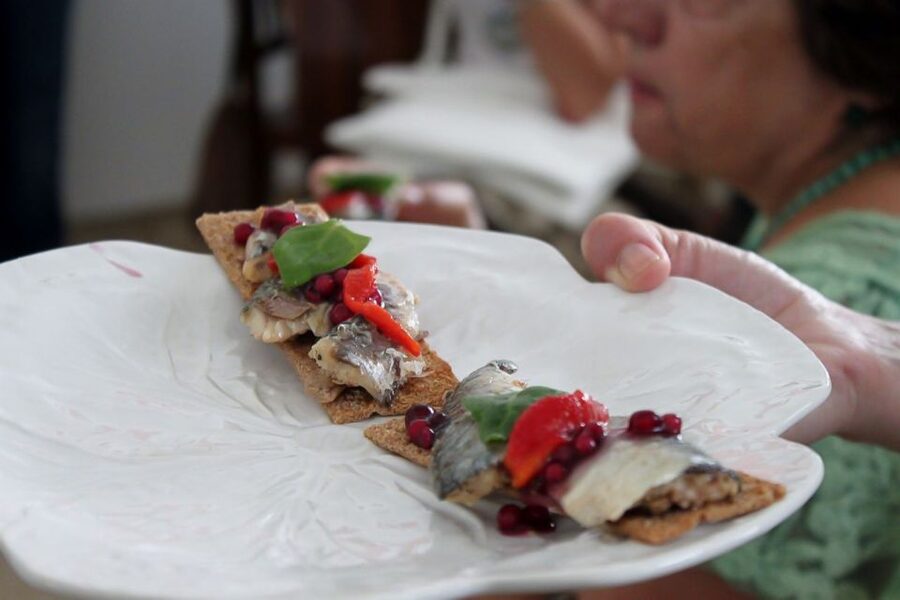
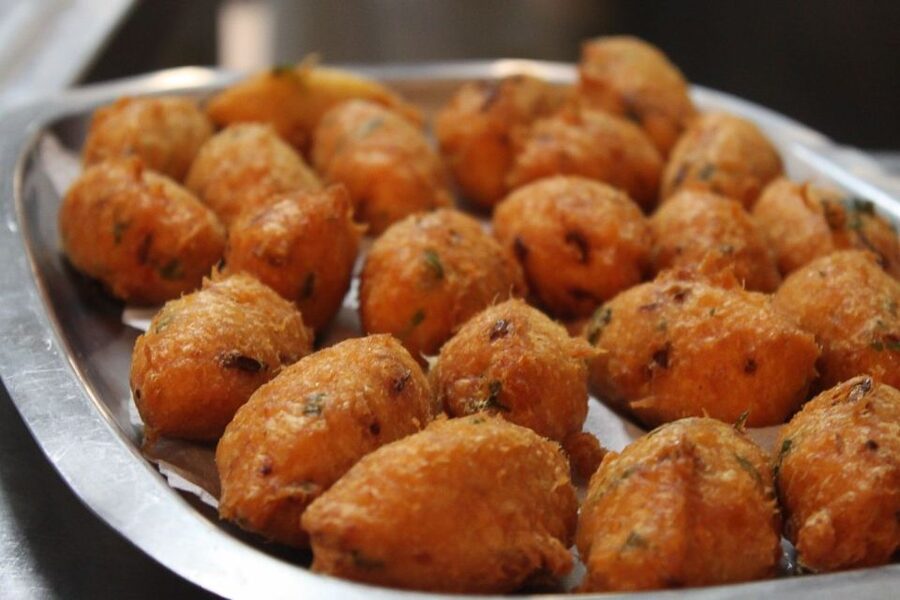
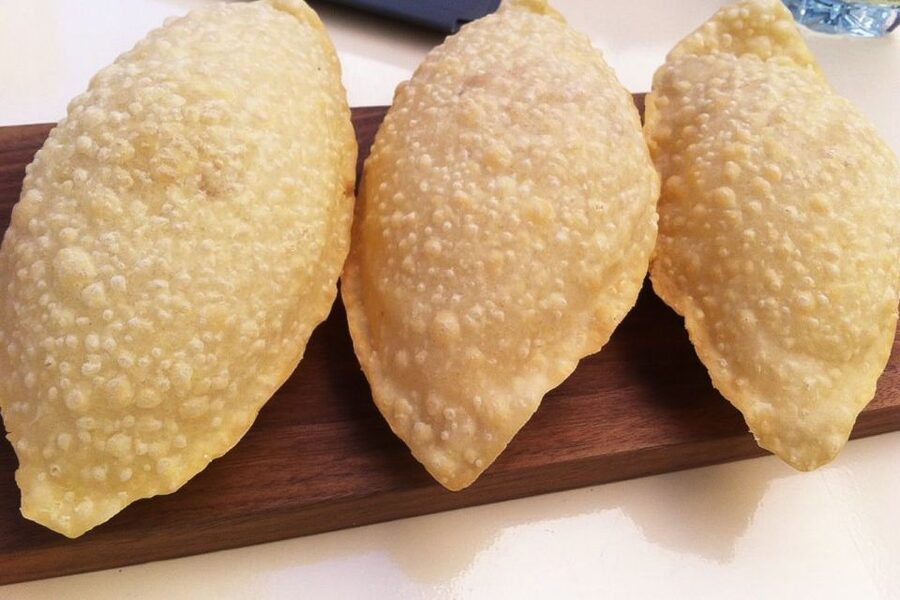
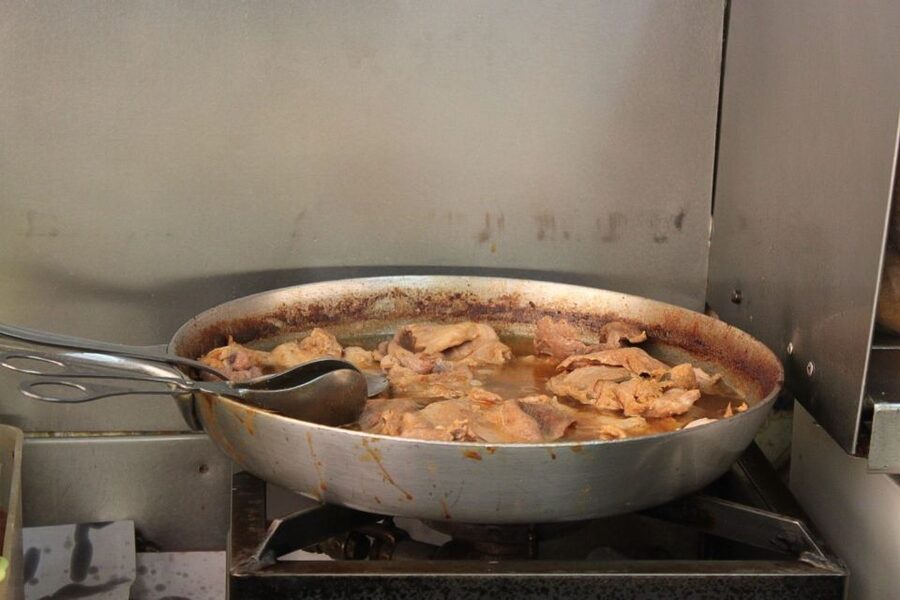
Petiscos are small portions, but that does not always mean tiny bites. A few can make a meal when served with rice or salad, and one stop may give you a proper plate rather than a quick taste. Possible dishes include codfish cakes, Bolhão Pato clams, battered green beans, shrimp pastries, pepper salads, snails, hot pork sandwiches, and pipis, chicken giblets cooked with tomato, garlic, and onion.
The exact food served can vary, so you should think of the four tastings as a guided introduction rather than a fixed tasting menu. That is part of the appeal. You get a sense of Portugal’s traditional cooking, while the stops also include newer interpretations aimed at modern tastes.
At $82 per person, the price is not bargain-bin Lisbon. But it covers the guide, e-bike, helmet, insurance, and four tastings. You are also paying for a route that would take more effort to piece together on your own. If you already plan to rent a bike, know the city well, and only want a few snacks, the value is less convincing. For a first look at central Lisbon, the combination is easier to justify.
More Lisbon Tapas Tours:
- Lisbon: Fado Vadio Tour with Portuguese Tapas
★ 4.8 · 145 reviews - Lisbon: Premium Wine and Tapas Tasting Session
★ 4.8 · 116 reviews - A True Taste of Lisbon: Portuguese Tapas, Wine & Surprise Drink
★ 4.5 · 110 reviews
Meeting at Largo Severa and getting comfortable on the bike
The tour begins at Largo Severa 7A, a pedestrian area near Praça Martim Moniz. If you use a taxi, Uber, metro, or bus, Praça Martim Moniz is the practical destination. From there, Largo da Severa is about a two-minute walk.
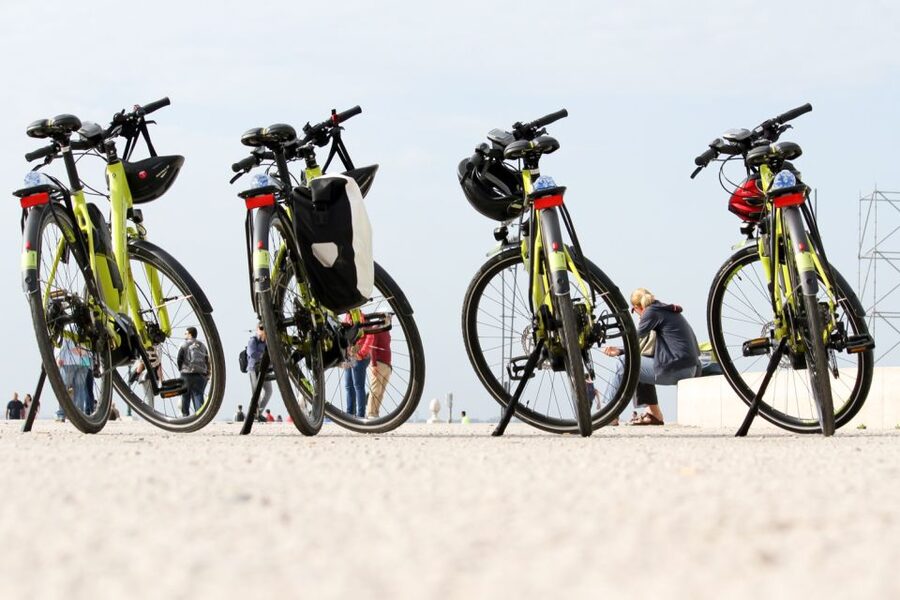
You’ll receive a short briefing on how to use the e-bike before setting out. That matters in Lisbon. The electric motor helps on climbs, but it does not erase the need to steer carefully over uneven paving or around pedestrians.
The bikes are described as high quality, and the e-bike assistance is one of the strongest reasons to choose this outing over an ordinary cycling tour. Lisbon is built on hills, and the route includes old streets where a standard bicycle could leave you focused on your legs instead of the city.
Still, do not picture a perfectly smooth ride. Cobblestones are part of the deal. Wear shoes that stay secure, and use comfortable clothing. One useful bit of advice is to wear a sports bra if that applies to you. It may sound overly specific, but the rough surface can make a difference over several hours.
Ribeira Market and the first taste of Lisbon
The route heads toward the renovated Ribeira Market, one of the most important food stops. The traditional section has stalls selling fish, fruit, vegetables, and flowers. This gives you a better sense of Lisbon’s everyday food culture than a restaurant-only tour would.
A separate area contains more than 30 restaurants, with petiscos recommended by well-regarded chefs. The contrast is useful. One side shows the market ingredients and old shopping habits. The other shows how those ingredients are being presented in a newer food setting.
Your first tasting here helps set the tone for the rest of the tour. You may encounter a familiar Portuguese favorite such as a codfish cake, or something less expected, such as clams, battered green beans, or a small dish based on seafood. Portuguese cooking often makes good use of preserved fish, shellfish, pork, garlic, onions, and simple vegetables, so do not expect every stop to feel polished or delicate.
The market can also be a crowded and active place. The tour’s value is not that you get unlimited time to browse every stall. It is that your guide gives the market a place in the wider route, then gets you back on the bike before the three-hour clock disappears.
Nova de Carvalho, Lisbon’s Pink Street

Next comes Nova de Carvalho, better known as Pink Street. The pedestrianized street is lined with pubs and clubs and has become one of Lisbon’s most photographed urban spots.
It is worth seeing, but I would keep expectations in check. Pink Street is more about atmosphere and modern nightlife than old Lisbon charm. During the day, the scene may feel quieter than the nightlife reputation suggests. The short cycling stop works well because you get the visual character without giving up too much time.
This part also shows how quickly Lisbon changes from one block to the next. The route moves from a market built around food shopping to a street known for bars and late-night entertainment. That contrast is one of the pleasures of seeing the city on a bike. You are not stuck in one historic quarter or one restaurant district.
More Lisbon Bike and E-Bike Tours:
- Lisbon: Hills, Alfama, and Mouraria Tour by Electric Bike
★ 4.8 · 3,438 reviews - Lisbon E-Bike Tour Commerce Square, Mouraria and Alfama
★ 4.5 · 1,688 reviews - Lisbon: 7 Hills Half-Day Electric Bike Tour
★ 4.9 · 1,592 reviews - Lisbon: City Highlights and Viewpoints E-Bike Tour
★ 4.9 · 1,556 reviews
Ribeira das Naus and the riverfront ride
The tour then follows the renovated Ribeira das Naus waterfront promenade. This is one of the route’s better transitions. After the tighter streets around the market and Pink Street, the riverfront gives you more open space and a chance to reset before the next neighborhood.
Ribeira das Naus also carries a strong historical connection. During Portugal’s 16th-century Age of Discoveries, ships were built in this area. You do not need a long lecture to understand the importance of the waterfront. The promenade connects the modern city to Lisbon’s role as a port and shipbuilding center.
The riverfront section is also where the e-bike feels most relaxing. You can enjoy the views and the changing city scene without treating the ride as exercise. Your guide may also stop at a scenic overlook for coffee, as has happened on this tour. Since the schedule is three hours, that sort of pause depends on the guide and pace of the group, but it adds a welcome human touch when available.
Pombaline Downtown after the 1755 earthquake
From the water, the route enters Pombaline Downtown, the central grid rebuilt after Lisbon’s devastating 1755 earthquake. The broad streets and orderly layout feel different from the winding lanes found elsewhere in the city.
This is a good place to notice how Lisbon works as a city rather than as a collection of postcard views. Restaurants and coffee shops fill the central streets, and some have been operating for centuries. You may not stop at each one, but the guide can point out how the rebuilt district was designed for movement, trade, and public life.
Cycling makes this section especially useful. You can cover several central streets in a short time and get a feel for the scale of the district. On foot, you might spend much of the same time crossing between landmarks. On the bike, you get a broad introduction, then can return later to the places that catch your eye.
The compromise is that you will not study every square or church in detail. This is a survey with food stops, not a dedicated architectural tour. If your main interest is Lisbon’s buildings, you’ll want separate time in the downtown area.
Chiado, a third tasting, and a change of pace
The tour continues into Chiado, where you’ll make the third petiscos stop. This neighborhood brings together shopping streets, cafés, theaters, and older urban character. It feels more polished than the market area, but it remains an important part of central Lisbon.
A tasting here can help you compare the city’s food settings. At Ribeira Market, the focus is on the market and restaurant hall. In Chiado, the stop may feel more connected to the café and dining life of the center. The point is not to rank one dish above another. It is to show how petiscos fit into different parts of Lisbon.
This is also a good time to ask your guide for restaurant suggestions. Jaime, Claudio, Beatrice, and Daniel have each been praised for being welcoming and willing to share local advice. Guide assignments are not guaranteed, but the experience clearly depends in part on the person leading it. A good guide can explain what you are eating, answer questions, and help you choose places for later meals.
That advice can be worth real money. Lisbon has plenty of restaurants, but a short list from someone who knows the city is more useful than wandering into the first place with an attractive menu.
Bairro Alto and the fourth tasting
The final section takes you through historic Bairro Alto, a neighborhood with about 500 years of history and a strong connection to Lisbon’s evening life. Its narrow streets and old buildings offer a different feel from the open grid of Pombaline Downtown.
Bairro Alto is not the easiest place to cycle casually. The streets are tight, the paving can be rough, and pedestrians may be present. Follow the guide’s instructions and keep your attention on the road. The e-bike helps with the climbs, but it does not remove the need for care.
The fourth tasting completes the food portion of the tour. By this point, you will have tried several styles of Portuguese small plates and should have a better idea of what you want to order later. You might find that you prefer seafood, cod, pork, vegetables, or the more traditional dishes that are less familiar at home.
The last stop also gives the tour a satisfying shape. You start near the market and river, move through the rebuilt center, then finish in one of Lisbon’s oldest nightlife neighborhoods. The bike lets you connect these areas without treating each one as an isolated visit.
What four tastings really mean
The word tasting can suggest four tiny bites. That is not necessarily what you get here. One account of the tour describes a full meal at a restaurant, with the chance to choose food from the menu and eat alongside local diners.
That possibility makes the tour better value, but you should not assume every departure will include exactly the same serving size or restaurant format. The supplied details promise four tastings, not a fixed list of dishes or a guaranteed full meal at one particular stop.
The range of possible food is broad. You may encounter:
- Codfish cakes, one of Portugal’s best-known snack foods
- Bolhão Pato clams, usually associated with garlic, olive oil, and herbs
- Peixinhos da Horta, battered and fried green beans
- Shrimp-stuffed pastries
- Pepper, watercress, cod, or fish spawn salads
- Snails
- Hot pork sandwiches
- Pipis, chicken giblets in a tomato, garlic, and onion sauce
Some of these dishes are easy introductions. Others are aimed at curious eaters. If you dislike seafood, offal, or unfamiliar textures, tell the guide early. The information provided does not promise substitutions, so you should not book expecting a completely customized menu.
Who should book this e-bike tour
I would recommend this tour most strongly to first-time visitors who want an overview of Lisbon before choosing where to spend more time. It is also a good fit if you like food but do not want to sit in one restaurant for three hours.
You should be comfortable riding a bike. The minimum height is 140 centimeters, and the tour is not suitable for people with mobility impairments. Lisbon’s cobblestones can be jarring, and the route includes hills, narrow streets, and pedestrian areas.
The tour suits people who enjoy a social pace and direct access to a guide. It is less suitable if you want a quiet, slow meal, a detailed museum visit, or a carefully controlled gourmet menu. You are moving often, and the food is part of a larger city outing.
The available guide languages are English, Italian, Spanish, German, and French. That makes the tour practical for many visitors, but you should check the departure language when booking.
Practical value, timing, and flexibility
Three hours is long enough to get a useful first look at central Lisbon without consuming an entire day. You can still visit a museum, take a tram, or have a relaxed dinner afterward.
The $82 price includes the guide, e-bike, helmet, four tastings, liability insurance, and personal accident insurance. Transfers to the meeting point are not included, so budget for getting to Praça Martim Moniz and walking to Largo Severa.
Free cancellation is available up to 24 hours before the start, and you can reserve now and pay later. Those terms help if your Lisbon schedule is still changing. Check the available starting times before booking, since the tour lasts three hours and the start time varies.
The biggest practical question is not the price. It is your comfort on a bike. If the answer is yes, the e-bike saves time, softens the hills, and lets you link several areas that would otherwise require more walking or public transport.
Should you book it?
Book this tour if you want four food stops, a broad central Lisbon route, and a guide who can add local restaurant advice. The mix of Ribeira Market, Pink Street, the waterfront, Pombaline Downtown, Chiado, and Bairro Alto gives you a useful orientation in one morning or afternoon.
Skip it if cobblestones bother you, you cannot ride comfortably, or you want a formal food tour with a guaranteed menu. For everyone else, $82 is a fair price for the bike, guide, insurance, and tastings, especially on a first visit when a little help with Lisbon’s hills can make the whole city easier to enjoy.
FAQ
Where does the Lisbon e-bike food tour meet?
The meeting point is Largo Severa 7A, 1100-588 Lisboa, in a pedestrian area. If you are taking a taxi, Uber, metro, or bus, use Praça Martim Moniz as your destination, then walk about two minutes to Largo da Severa.
How long does the tour last?
The tour lasts three hours. Starting times vary, so check availability when booking.
What is included in the price?
The price includes a live guide, an electric bike, a helmet, four petiscos tastings, liability insurance, and personal accident insurance. Transportation to and from the meeting point is not included.
Which languages are available?
The tour is available with guides speaking English, Italian, Spanish, German, or French.
Is the tour suitable for everyone?
No. It is not suitable for people with mobility impairments or anyone under 140 centimeters tall. You should also be comfortable riding over Lisbon’s uneven cobblestone streets.
Can I cancel or pay later?
You can cancel up to 24 hours in advance for a full refund. You can also reserve your place and pay later, which keeps your plans flexible.
More Lisbon Food Tours
- Winner 2025 Undiscovered Lisbon Food & Wine Tour by Eating Europe
★ 5.0 · 6,390 reviews - Lisbon: Food and Wine Small Group Walking Tour
★ 4.9 · 4,082 reviews - Lisbon Small-Group Food Tour with 18 Tastings in Alfama District
★ 5.0 · 1,967 reviews - Lisbon: Baixa District Food Tour with Dinner and Drinks
★ 4.9 · 1,870 reviews
Just reviewed in Lisbon
- Private tour Lisbon – full day★ 5.0 · 8 reviews
- Private Tour: Portuguese Food and Wine Tour★ 5.0 · 33 reviews
- Lisbon Football Experience – Private stadium and Museum Tour★ 4.0 · 10 reviews
- Lisbon and Sintra Essence 8H – Private Tour★ 5.0 · 5 reviews
- Private Tour: Lisbon Sunset Walking Tour with Fado Show and Dinner★ 5.0 · 30 reviews
- Private Catamaran Tour: Lisbon coast cruise with barbecue and drinks★ 5.0 · 20 reviews
- Lisbon: Helicopter Tour over Cascais & Cabo da Roca★ 5.0 · 4 reviews
- Private Tour Fátima – Nazaré – Batalha – Óbidos★ 5.0 · 6 reviews
Lisbon Tapas Tours, compared.

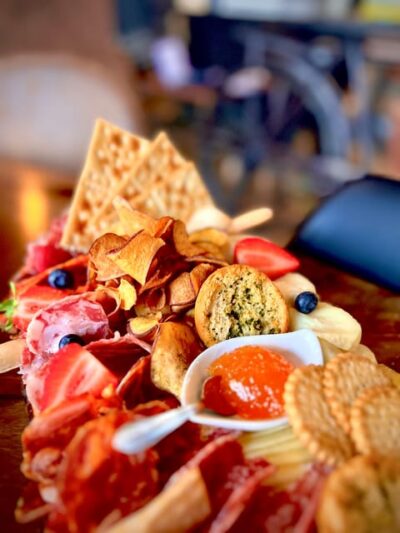

A True Taste of Lisbon: Portuguese Tapas, Wine & Surprise Drink
Read our review →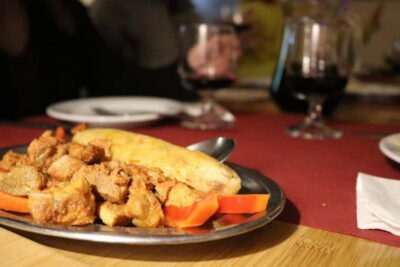
Food Tour: Portuguese wine & Tapas with Ginjinha Tasting
Read our review →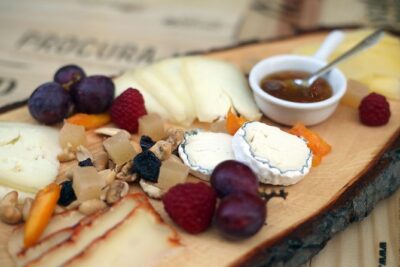
Private Lisbon Walking Tour with Premium Port Wine and Tapas Tasting
Read our review →
Private Lisbon Tour with Premium Portuguese Wine and Tapas Tasting
Read our review →
Private Tuktuk Tour with Portuguese Tapas and Wine
Read our review →Browse the lists this tour appears in