
Reviewed · FáTIMA DAY TRIPS FROM LISBON
6-Day North Portugal Tour: Porto, Braga, Fátima, Coimbra, Guimaraes, Aveiro and Batalha, from Lisbon
Portugal packs a remarkable amount into this six-day circuit: medieval walls in Óbidos, pilgrimage sites at Fátima, the tiled streets of Porto, and the Templar stronghold at Tomar. You cover a lot of ground by coach, but the route gives you a useful first look at northern and central Portugal without changing hotels every night.
I like the mix of major sights and smaller stops, especially the University of Coimbra and the Douro Valley. I also like the built-in free day in Porto, which gives you time to slow down after several busy touring days. The trade-off is clear: this is a fast-moving program, and some stops receive only 30 to 45 minutes.
Key points to know before booking
- Óbidos, Batalha, Alcobaça, and Fátima arrive on the first day, so expect an early, full schedule.
- Porto receives one guided touring day and one full free day, a useful balance for exploring on your own.
- The University of Coimbra, Palacio da Bolsa, Church of Saint Francis, and Convent of Christ include admission, while many other visits are exterior or free-entry stops.
- Five hotel nights and five breakfasts are included, with overnight stays in Porto and Urgeiriça.
- The coach carries a maximum of 20 people, but there is no toilet on board.
- Past departures have included guides named Cristina and Ana, though the guide is not guaranteed.
A broad northern Portugal route from Lisbon
This is a sightseeing circuit for someone who wants Portugal’s major northern highlights arranged in one trip. You leave from Marquês Pombal in Lisbon and travel by air-conditioned motor-coach, with a professional guide handling the route and commentary.
The program covers religious monuments, royal buildings, university traditions, wine country, old villages, and Atlantic fishing towns. That variety is the chief reason to consider it. In six days, you see places that would otherwise require several separate day trips and overnight stays.
The pace asks something of you. Several days begin after breakfast and continue through multiple towns before reaching the next hotel. You should be comfortable with moderate walking, uneven historic streets, stairs, and getting back on the coach several times a day.
The published price supplied for this experience is $0.00, which is almost certainly a placeholder rather than a usable fare. Check the current price before booking and compare it with the included hotel nights, breakfasts, transportation, guide, and admissions. Food, drinks, and unspecified admissions are not included.
More Coimbra Day Trips from Lisbon:
- Lisbon to Porto Up To 5 Stops Óbidos Nazaré Fátima Coimbra Aveiro
★ 5.0 · 90 reviews - Lisbon to Porto with stop Aveiro-Fátima-Coimbra-Tomar-Nazaré-Óbidos
★ 5.0 · 52 reviews - Lisbon to Porto with Óbidos-Nazaré-Fátima-Coimbra-Aveiro
★ 4.8 · 25 reviews
Day one: Óbidos walls, Atlantic towns, and Fátima
The first day starts with Óbidos, one of Portugal’s most appealing medieval villages. Whitewashed houses line narrow streets inside old defensive walls, and you receive about an hour to walk around. The stop is free, but you will want sensible shoes, since the historic lanes and wall areas can be uneven.
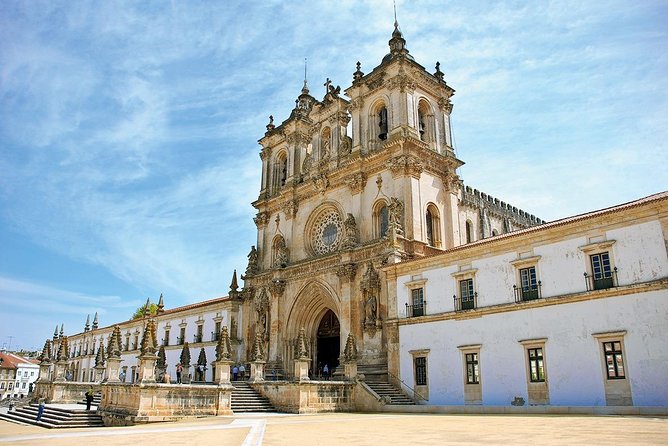
After Óbidos, the coach continues to Batalha. The Monastery of Batalha is one of Portugal’s great Gothic buildings and a UNESCO World Heritage site. Forty-five minutes is enough for a focused visit, but not for a slow examination of every chapel and carved detail.
The route then reaches Nazaré for lunch. This is a fishing town with a strong coastal identity, and the stop gives you a chance to eat independently. Lunch is not included, so allow for the cost of a meal and keep an eye on the meeting time.
Alcobaça follows, with about an hour at the Monastery of Santa Maria. It is described as the first fully Gothic building erected in Portugal, and its scale makes it an important companion to Batalha. Seeing both monasteries in one day lets you compare two major examples of Portuguese religious architecture, although the repeated church visits may feel heavy if sacred buildings are not your main interest.
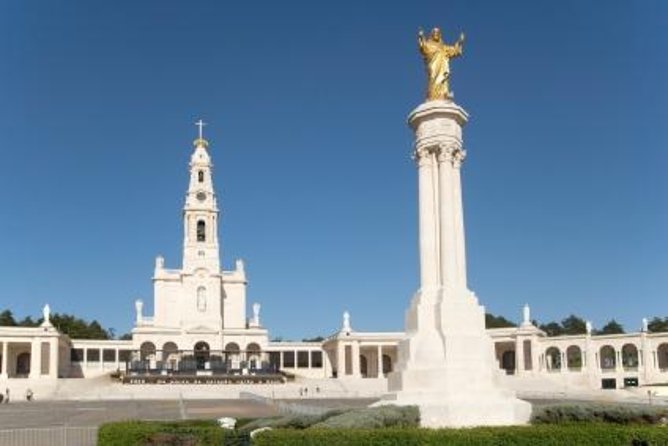
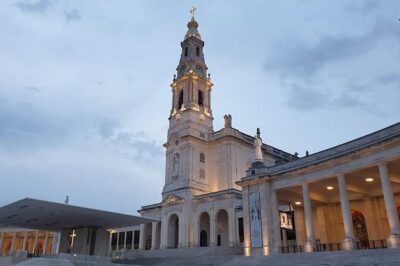
The final part of the day is Fátima. You visit the Basilica of Our Lady of the Rosary, the Chapel of the Apparitions, and the Sanctuary of Our Lady of Fátima. The site is one of the world’s major Catholic pilgrimage destinations, so the experience is shaped as much by its religious purpose as by its architecture.
You have about three hours in total across the Fátima stops. Dress with care here. Knees and shoulders must be covered in places of worship, for both men and women, and entry can be refused if you ignore the rule. Smart casual clothing is the safest choice throughout the tour.
Day two: Coimbra’s old university and Aveiro’s canals
After breakfast in Fátima, you continue to Coimbra, the former Portuguese capital on the Mondego River. The city’s preserved medieval center and university give the morning a different tone from the pilgrimage sites of the previous day.
The University of Coimbra is the main attraction. It is among the world’s oldest universities and is known for its Baroque library, old customs, black student capes, and association with melancholic fado music. The scheduled visit lasts about 45 minutes and includes admission.
That time is short, so focus on the university interiors and the details your guide points out. This is one of the tour’s more meaningful stops because it connects Portugal’s academic traditions with the country’s long political and cultural past.
You also stop at the Monastery of Santa Clara-a-Nova, associated with Queen Saint Isabel and the story known as the miracle of the roses. The visit lasts about 45 minutes and admission is listed as free. As with the other religious sites, modest clothing matters.
In the afternoon, Aveiro provides a lighter change of pace. Canals run through the city, and the colorful moliceiro boats are its familiar symbol. You have about an hour to walk and sample ovos moles, a local sweet made with egg yolk and sugar.
Aveiro is not a full city tour, so use the hour well. Take a short walk, look for the canals and boats, and leave time to try the local pastry. At the end of the day, you return to Porto for the night.
Day three: Porto’s historic center, churches, and port wine
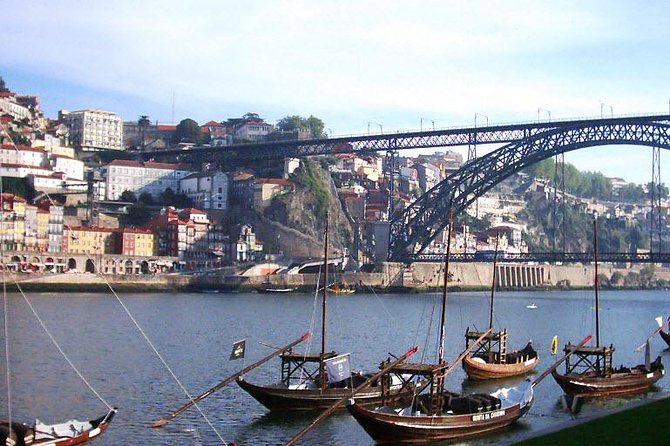
Porto receives a guided morning visit, beginning in the historic center. The city is a UNESCO World Heritage site, and the tour introduces you to the riverside area, old houses, palaces, and churches.
Porto is hilly, so the walking may feel more demanding than the schedule suggests. The city is best understood on foot, but you should expect slopes, steps, and cobbled surfaces. Comfortable shoes matter more here than fashion.
The Palacio da Bolsa is one of the day’s included visits. Built from the 19th century onward, it combines neoclassical, Tuscan, and English neo-Palladian influences. Its Arab Hall is the visual high point, with gold-covered stucco and elaborate decoration. The building still serves the Porto Commercial Association and also hosts cultural and civic events.
Next comes the Church of Saint Francis, a Gothic church known for its lavish 18th-century Baroque gilt carving. The contrast is striking: a medieval structure with an interior transformed by later decoration. Admission is included, and the visit lasts about 40 minutes.
A port-wine tasting follows at Burmester in Porto’s city center. This is a useful introduction to one of the region’s best-known products and is included in the tour. The tasting lasts about 45 minutes, though food is not part of the package unless specifically stated.
The afternoon continues to Guimarães, often called the birthplace of Portugal’s first king. Its historic center recalls the medieval period, and you receive free time to walk through the old streets.
You also visit the Sacred Hill, where Guimarães Castle and the Palace of the Dukes of Bragança occupy the high ground. The palace’s original buildings date from the 15th century. The hill offers views and a sense of why this place matters to Portuguese national identity.
Braga completes the day. Known as the Portuguese Rome because of its concentration of religious buildings, Braga has the country’s oldest cathedral. At Bom Jesus, you see the celebrated staircase, fountains, Baroque statues, and funicular. The attraction is listed as the oldest funicular in the world.
This is an ambitious day. Porto, Guimarães, and Braga each deserve much more time than the schedule allows. The advantage is range. The disadvantage is that you will often be learning just enough to want another hour.
More Porto Day Trips from Lisbon:
- Three Cities in One Day: Porto, Nazare and Obidos from Lisbon
★ 4.5 · 3,572 reviews - From Lisbon: Day Trip to Porto, Óbidos, and Nazaré
★ 4.5 · 1,311 reviews - Lisbon to Porto Up to 4 Stops: Obidos, Nazare, Fatima and Aveiro
★ 5.0 · 362 reviews - Lisbon – Sunset DJ & Porto Tonic Premium Boat Experience
★ 4.5 · 163 reviews
Day four: a full free day in Porto
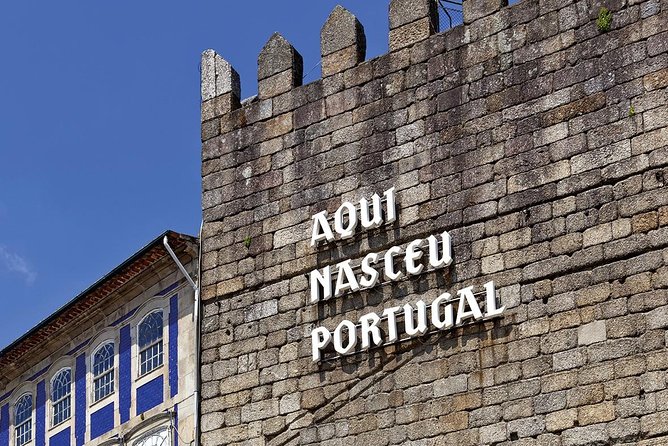
A full day without scheduled touring is one of the smartest parts of this program. After three busy days, you can set your own pace in Porto rather than following another chain of timed visits.
The tour does not specify activities for this day, so you choose how to use it. You might return to an area seen briefly during the guided visit, spend more time by the river, or simply walk at a slower pace. Keep in mind that any additional admissions, meals, and transport are your responsibility.
This free day also helps address the main weakness of the route: the short visits in Porto, Guimarães, and Braga. You cannot cover every corner of Porto in one day, but you can make a more personal choice about what deserves your attention.
Day five: Amarante and the Douro Valley
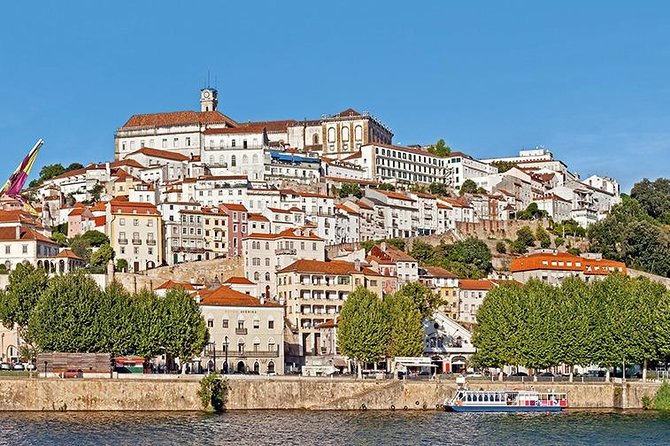
Day five turns inland toward Amarante, Vila Real, Lamego, and the Douro Valley. Amarante is associated with Saint Gonçalo, traditionally linked with love and marriage. The town also has a market where you may find produce, poultry, fabrics, and other everyday goods.
The visit lasts about 45 minutes, so treat it as a compact introduction rather than a full exploration. The stop gives you a look at a smaller Portuguese town after several major historic centers.
In Vila Real, you visit the gardens of Mateus. The property is known for its grand façade, which appears on bottles of Portuguese rosé wine. The scheduled visit is again about 45 minutes, with admission listed as free.
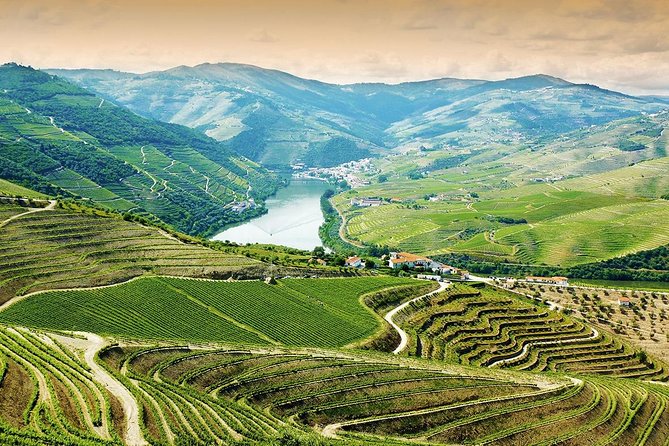
The coach then enters the Douro Valley and the demarcated port region. You travel through vineyards and along the valley for about 30 minutes. This is a scenic portion of the journey, but the short official stop means much of the experience comes through the coach windows rather than a long walk or extended tasting.
Lamego is the next major stop. The town is overlooked by the Sanctuary of Nossa Senhora dos Remédios, reached by a grand Baroque staircase. You have about an hour, with time to see the shrine and sample local food such as regional ham and Bola de Lamego, a baked loaf filled with smoked ham.
The day continues through the mountainous interior toward Viseu, a center of Dão wine country associated with the ancient warrior Viriato. The old town has narrow streets, stone doorways, and carved coats of arms near the cathedral. You then continue to Urgeiriça for the night.
This is a long road day, but it adds a side of Portugal that a simple Lisbon-to-Porto trip would miss. If you prefer extended time in each town, the schedule may feel thin. If you enjoy seeing how the scenery and towns change between regions, it is one of the most varied days.
Day six: Bussaco forest and the Templar legacy at Tomar
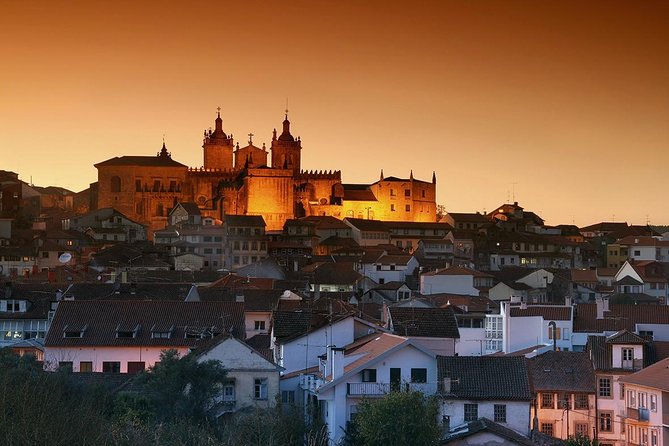
The final day begins with a drive through central Portugal toward Bussaco. The area is known for a forest containing rare trees and plants, along with a romantic hotel that was once a royal hunting lodge. The scheduled stop lasts about 45 minutes.
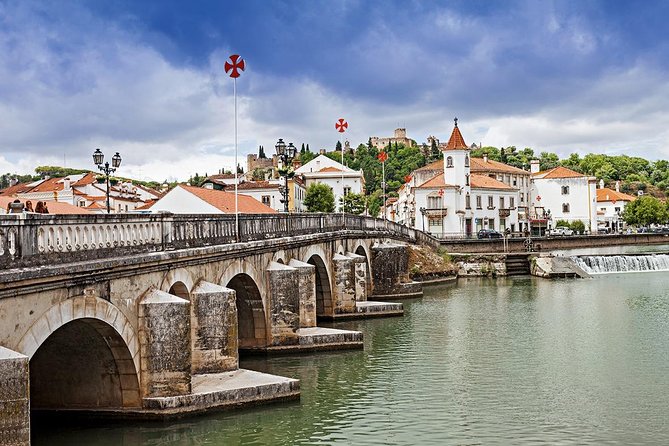
Tomar follows, and this is the historical climax of the trip. The city’s development is closely tied to the Order of the Templars, who received the land in the 12th century after helping Dom Afonso Henriques during the Christian reconquest.
The Convent of Christ grew from the castle founded by Dom Gualdim Pais, the first Grand Master of the Order in Portugal. The complex was enlarged over many centuries and combines several architectural styles. It is a UNESCO World Heritage site, and admission is included.
You have about 45 minutes at the Convent of Christ. That is enough for a sharp introduction, but not a leisurely inspection of every part of this large complex. If Tomar is a personal priority, take note of the limited time and consider returning independently on another trip.
From Tomar, the coach returns to Lisbon and ends at the original meeting point. The route gives you a strong final stop rather than ending with a routine transfer.
Hotels, meals, and the practical side
Five nights of superior-class hotel accommodation and five breakfasts are included. The supplied schedule identifies Porto as the base for several nights and Urgeiriça as the overnight stop on day five. It does not provide hotel names, room details, or meal arrangements beyond breakfast.
You pay separately for lunch, dinner, drinks, and food at stops such as Nazaré and Lamego. Carry water and a small snack for the coach, since there is no toilet onboard and the days can be long.
The maximum group size is 20 people, which is more manageable than a large coach tour. Still, the experience can change depending on the guide and the language mix. Past departures included Cristina and Ana, and both were associated with strong praise for their explanations and ability to make the route easier to follow. Guide assignments can change, so treat those names as examples rather than a promise.
The tour requires moderate physical fitness. Plan for walking in historic centers, climbing or descending steps, and navigating cobbled streets. A paper ticket is used, and pickup is offered from the Marquês Pombal meeting point in Lisbon.
Who should book this six-day circuit
I would recommend it to you if you want a structured introduction to northern Portugal and prefer having hotels, transport, and a guide arranged together. It works especially well for first-time visitors who want Porto, Coimbra, Fátima, Guimarães, and Tomar in one continuous route.
It is also a good fit if you enjoy variety more than long stays. You see Gothic monasteries, university rooms, pilgrimage sites, wine country, royal buildings, fishing towns, and medieval villages in less than a week.
I would hesitate if your main goal is a slow Porto holiday or detailed visits to each monument. The program is a marathon of short stops, and some travelers have found that the schedule did not allow enough time in Porto. One past departure even substituted a visit to Santiago de Compostela in Spain for planned Porto time, so confirm the current route before paying and ask how strictly the listed program will be followed.
Should you book it?
Book this tour if you value coverage, convenience, and historical variety over a relaxed pace. The strongest parts are the University of Coimbra, Porto’s Palacio da Bolsa and Church of Saint Francis, Guimarães, the Douro route, and the Convent of Christ at Tomar.
Skip it if you want long meals, spontaneous wandering, or several days based in one place. Before booking, verify the current fare, hotel names, language arrangements, and whether Porto remains as scheduled. With those details confirmed, this is a useful way to see a wide slice of Portugal without arranging every transfer yourself.
FAQ
Where does the tour start and finish?
The tour starts at Marquês Pombal, 1070-051 Lisbon, Portugal, and returns to the same meeting point at the end.
How long is the tour?
The experience lasts approximately six days and includes five nights of accommodation.
What is included in the tour?
The package includes five hotel nights, five breakfasts, a professional guide, transportation in an air-conditioned vehicle, and a port-wine tasting in Porto. Admission is also listed as included for the University of Coimbra, Palacio da Bolsa, Church of Saint Francis, and Convent of Christ.
Are meals included?
Breakfast is included for all five mornings. Other food and drinks are not included unless specifically stated.
Is there a bathroom on the coach?
No. The coach does not have a toilet onboard.
What clothing should I bring?
Smart casual clothing is recommended. For places of worship and selected museums, knees and shoulders must be covered for both men and women.
More Fátima Day Trips from Lisbon
- Fatima, Nazare, Obidos 8-People Small Group, Day-Tour from Lisbon
★ 5.0 · 995 reviews - From Lisbon: Fátima, Batalha, Nazaré & Óbidos Full-Day Tour
★ 4.7 · 881 reviews - The Best of the West – Fátima, Nazaré, Óbidos & Batalha
★ 4.0 · 856 reviews - From Lisbon: Fátima, Batalha, Nazaré and Óbidos Day Tour
★ 4.3 · 782 reviews
More Batalha and Alcobaça Monastery Tours
- From Lisbon: Fátima, Nazaré, Batalha, and Óbidos Guided Tour
★ 4.7 · 3,060 reviews - From Lisbon: Fatima Batalha Nazaré & Óbidos Small-Group Tour
★ 4.7 · 2,563 reviews - From Lisbon: Fátima, Nazaré, Batalha and Óbidos Guided Tour
★ 5.0 · 922 reviews - From Lisbon: Fátima, Batalha, Nazaré, and Obidos Tour by Van
★ 4.8 · 893 reviews
Just reviewed in Lisbon
- Lisbon: Morning of Equestrian Art with Lusitano Horses★ 4.4 · 87 reviews
- Lisbon: Entry Tickets to Mosteiro de São Vicente de Foram★ 4.6 · 50 reviews
- Lisbon: National Palace of Ajuda E-Ticket & City Audio Guide★ 4.1 · 87 reviews
- Lisbon: Early Morning TukTuk Tour – hotel/cruise ship pickup★ 4.9 · 45 reviews
- Sintra: Quinta da Regaleira e-Ticket & Sintra City Audios★ 4.1 · 12 reviews
- Lisbon E-Bike Tour TAGUS★ 5.0 · 3 reviews
- Lisbon: E-bike Trip from the Sintra Mountains to Cascais Sea★ 5.0 · 67 reviews
- Lisbon: Discover Belem by electric Tuk Tuk★ 4.9 · 86 reviews
Fátima Day Trips from Lisbon, compared.
Fátima, Nazaré, Batalha, and Óbidos Guided Tour
Read our review →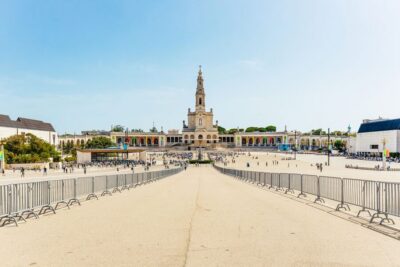
Fatima Batalha Nazaré & Óbidos Small-Group Tour
Read our review →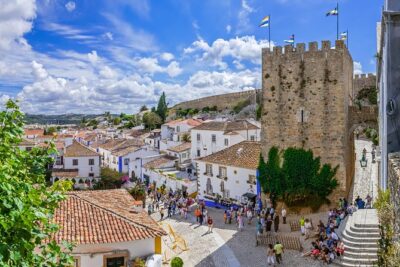
Fatima, Nazare, Obidos 8-People Small Group, Day-Tour from Lisbon
Read our review →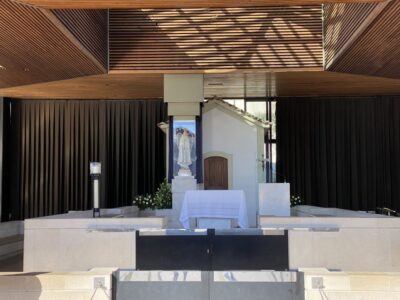
Fátima, Batalha, Nazaré, and Obidos Tour by Van
Read our review →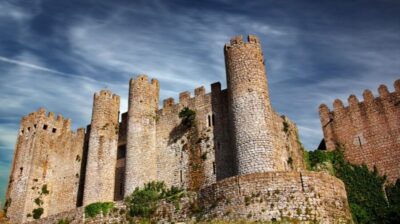

The Best of the West – Fátima, Nazaré, Óbidos & Batalha
Read our review →
Browse the lists this tour appears in