Reviewed · PRIVATE
7 Days Private Tour In Portugal from Lisbon
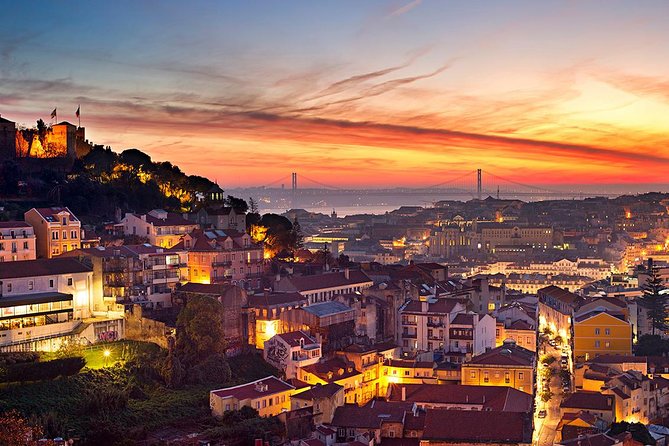
Portugal packs a lot into a small space, and this seven-day private tour makes that easy to see. You move from Lisbon’s tiled streets and Fado quarter to Porto’s churches, the Douro Valley vineyards, medieval Óbidos, and the cork country around Évora without changing trains or sorting out each day’s transport.
I like the hotel pickup and private vehicle, especially on long days when public transport would eat up time. I also like the mix of major sights and local details: Pastéis de Belém, the tiled station at Pinhão, São Gonçalo sweets in Amarante, and an Alentejo winery. The main consideration is pace. This is a full itinerary with several long drives, and entrance fees, hotels, and meals are extra.
Key points to know before booking
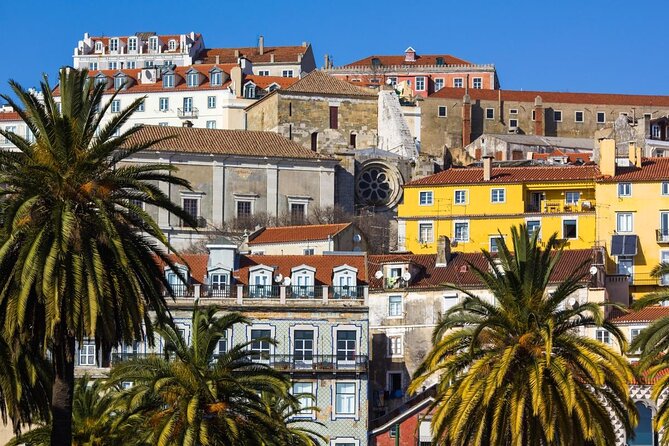
- Seven days, several regions: Lisbon, Sintra, Coimbra, Porto, the Douro Valley, Nazaré, Óbidos, and Évora are all included.
- Private transport from your accommodation: Pickup begins at about 9:00 a.m., with drop-off included.
- A strong wine-and-food thread: Port tasting in Gaia, a Douro winery visit, Alentejo wine, and Pastéis de Belém all appear along the way.
- Flexible palace choices in Sintra: You can choose among Pena Palace, Quinta da Regaleira, and the Moorish Castle with your guide’s help.
- Many admission charges are separate: Major sites such as Pena Palace, Livraria Lello, the Coimbra University, and several churches cost extra.
- Personal guide service: The experience is private, and the operator can adjust priorities. Hugo Goncalves arranged changes before one booking, while Manuel Da Silva guided the group in Portugal.
What this Portugal tour does well
The greatest strength is the range. You are not spending seven days in one city or following a narrow wine route. Instead, the journey gives you a broad look at Portugal, from the Atlantic coast to the Douro hills and the dry Alentejo interior.
That range comes with a tradeoff. Some days are packed with stops, and the itinerary includes several two-hour drives. If you want long, unhurried museum visits or free afternoons in each town, this plan may feel brisk. If you want to see a lot without renting a car, it makes practical sense.
The price is listed at $2,165.28 per person. Since the cost covers a private vehicle, driver-guide, WiFi, taxes, handling charges, and personal accident insurance, it can offer fair value for a small group that would otherwise arrange multiple transfers and day trips. But you must budget separately for hotels, food, and entry tickets.
The private format is important here. You are not waiting for a large group at every stop, and your guide can help decide how to use the available time. The plan can be adjusted around priorities, as shown by the pre-trip contact with Hugo Goncalves and the attentive guiding of Manuel Da Silva.
More 7-Day Experiences in Lisbon:
- Private tour Portugal 7 days from Lisbon
★ 5.0 · 10 reviews - Private 7-day itinerary in Portugal
★ 5.0 · 4 reviews - 7-Day Classic Trip in Portugal and Spain
★ 5.0 · 3 reviews
Lisbon begins with earthquake streets and Fado lanes
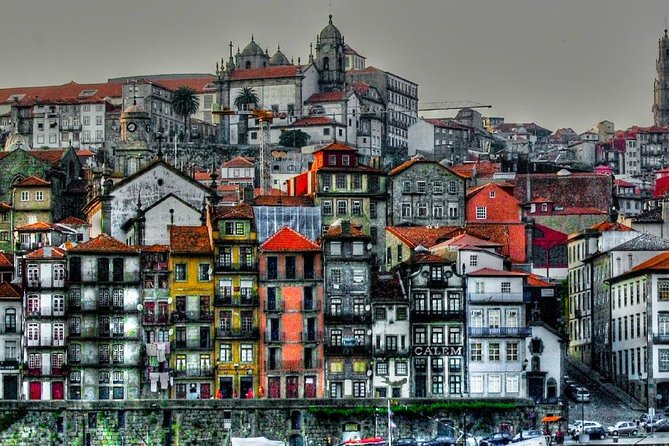
Your first day stays in Lisbon. Start in Baixa, the rebuilt central district created after the earthquake of 1755. Its straight streets and right-angle blocks were a bold urban experiment for the period, with Rua Augusta forming the main axis.
Look for the old trade names in the streets. They recall the craftsmen who once worked there, including shoemakers and gold workers. Baixa is a good first stop because its open layout helps you understand Lisbon before you move into the city’s older quarters.
Alfama offers the sharp contrast. Its narrow lanes and steep passages developed from the old Islamic quarter and later served a defensive purpose. You are likely to move slowly here, not because there is one single sight to check off, but because the character comes from the small alleys, worn buildings, and sudden views.
This is also the district most closely linked with Fado, Portugal’s melancholy song of longing, often connected with the idea of saudade. The tour does not list a Fado performance, so do not assume an evening show is included. You will need to arrange that separately if it matters to you.
The afternoon focuses on Belém. The Belém Tower, Jerónimos Monastery, and Monument to the Discoveries explain Portugal’s seafaring era and the departures that shaped the country’s place in the wider world. The tower and monastery require admission, which is not part of the tour price.
Make time for the Pastéis de Belém bakery. The visit offers a tasty link between sightseeing and daily Portuguese life, though the pastry stop is not simply a free snack included in your booking. The day ends with an overnight stay in Lisbon.
Sintra, Cabo da Roca, and Cascais in one long day
Sintra is one of the tour’s strongest days, but it is also one of the busiest. Begin in the historic center, where narrow lanes lead to pastry shops and local stores. The plan points you toward Piriquita for two Sintra specialties, queijadas and travesseiros.
The major decision is which palace to visit. Pena Palace is the famous romantic choice, with colorful revival architecture and an unusual hilltop setting. Quinta da Regaleira offers elaborate decoration and Masonic symbolism, while the Moorish Castle provides a connection to the Islamic period and the later Christian reconquest.
You should choose one main palace unless your group is comfortable moving quickly. Each site has enough grounds and details to fill a substantial visit, and admission is separate. Your guide can suggest the best match, but the final choice is yours.
Cabo da Roca brings a change of mood. This cliff on the Sintra-Cascais coast is known as the western point where the land meets the sea, a phrase associated with the poet Camões. It is part of the Sintra-Cascais Natural Park and offers open Atlantic views.
Cascais then gives you time by the water in a former fishing village that became a fashionable seaside resort. The return to Lisbon follows the Marginal coastal road, with ocean scenery along the way. Estoril adds a short cultural footnote through its casino and connection with Ian Fleming’s writing of Casino Royale.
Fatima, Coimbra, and the move north
The journey north begins with Fatima, an important Catholic pilgrimage center. At the Chapel of the Apparitions, you can attend Mass if you wish. The Basilica of Our Lady of the Rosary contains the tombs of the children associated with the apparitions and the tomb of Sister Lucia.
The Basilica of the Most Holy Trinity gives Fatima a modern counterpoint. It opened in 2007 and has seating for more than 8,000 people. This stop is particularly useful for visitors interested in religious history, architecture, or modern pilgrimage sites. The museum and some areas require separate admission, while the main basilica entry is listed as free.
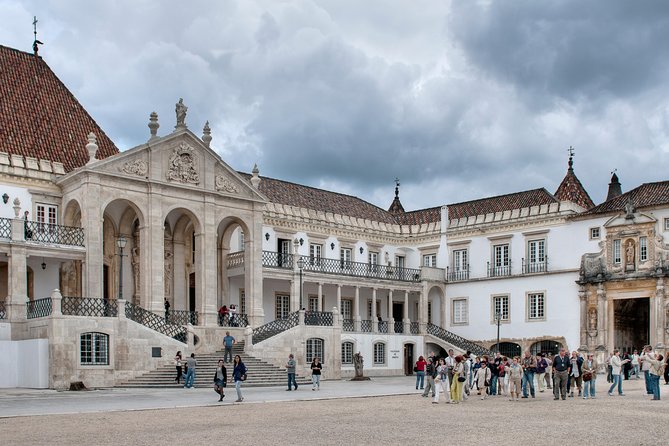
Coimbra is the day’s major cultural stop. The university is described as one of Europe’s oldest, and its Joanina Library is the highlight. The ornate eighteenth-century interior includes painted ceilings and a portrait of King João V. Admission is not included, so confirm the available visiting schedule with your guide.
After the university, Coimbra’s lower town gives you a chance to slow down. The area between the Mondego River and the university has cafés, pastry shops, restaurants, squares, and narrow lanes. This is one of the few places where a short independent wander adds real value before continuing to Porto.
More Private in Lisbon:
- True 4Hour Private Tuk Tuk Tour: Discover Lisbon with a Local!
★ 5.0 · 8,008 reviews - Lisbon: Private Guided Tuk-Tuk Tour with Hotel Pickup
★ 4.9 · 4,552 reviews - Private Lisbon Sightseeing Tuk-Tuk Tour: Alfama, Belém & More
★ 5.0 · 4,277 reviews - Lisbon Highlights: Private Tuk Tuk Tour Adventure Sightseeing
★ 5.0 · 3,284 reviews
Porto’s tiled stations, gold-covered churches, and Port wine
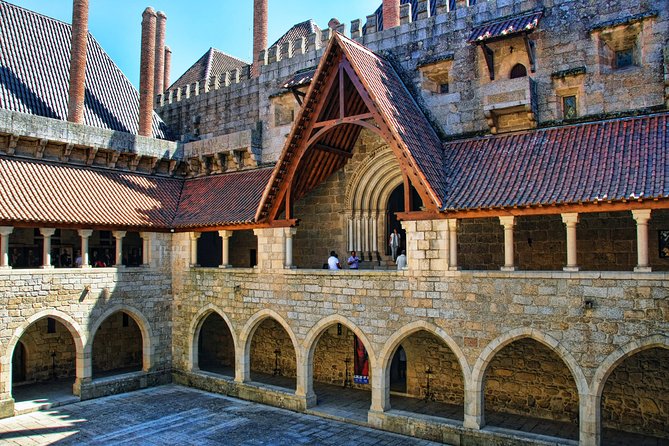
Porto begins at Avenida dos Aliados, the city’s main civic avenue, with the municipal building at its northern end. From there, the tour takes in some of the city’s most recognizable interiors.
Livraria Lello is a bookshop known for its dramatic staircase and ornate design. It is also associated with Harry Potter because J. K. Rowling lived in Porto while married to a Portuguese man and began writing the first book during that period. The connection is often overplayed, but the building is worth seeing even if you have no interest in the novels. Admission is separate.
São Bento Station is another must-see interior. Its hall is decorated with about 20,000 tiles by Jorge Colaço, showing episodes from Portuguese history and scenes from northern life. The station remains a working transport building, so it offers a glimpse of the city rather than a formal museum visit.
The Cathedral brings Romanesque and Gothic elements, along with later changes. Its side gallery, decorated with tiles, is especially notable. At the Church of São Francisco, the mood becomes more theatrical. Gothic structure, Baroque carving, and extensive gilding cover the interior, with the wood sculpture known as the Tree of Jesse among the details to look for.
The day ends across the Douro in Vila Nova de Gaia, where Port wine has traditionally been aged in cellars. The visit includes a cellar tour and tasting, with an explanation of production from harvest to finished wine. This is one of the tour’s clearest practical benefits, since the tasting is tied to the place where the wine matures rather than offered as a random stop.
Amarante and the Douro Valley
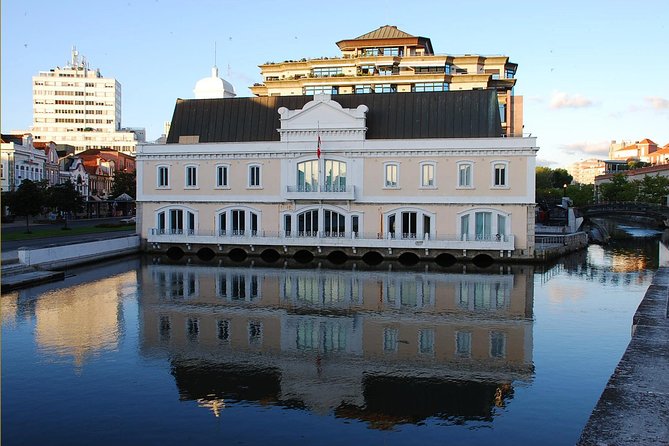
Amarante adds a smaller-town pause. The historic center includes the Church and Convent of São Gonçalo, the bridge named for the Dominican friar, and examples of older Portuguese building styles. The town is also known for São Gonçalo sweets, whose shape gives them a playful reputation.
The Douro Valley then shifts the focus to scenery and wine. Pinhão Railway Station is a highlight even if you never board a train. Its tile panels show vineyard work, grape harvests, the traditional crushing of grapes, and the rabelo boats once used to carry wine toward Porto and Gaia.
At Quinta do Tedo, you learn about local grapes, production methods, and the different types of Douro wine. The visit includes a tasting, though the exact schedule depends on the winery. That uncertainty is worth noting: the tour may use another winery if the preferred one is unavailable.
The Casal de Loivos viewpoint provides a broad view over the Douro Valley. Only 30 minutes are allocated here, so treat it as a scenic pause rather than a long walk. The Douro day is best for you if wine, agricultural traditions, and road views appeal more than packed museum schedules.
Aveiro, Nazaré, and medieval Óbidos
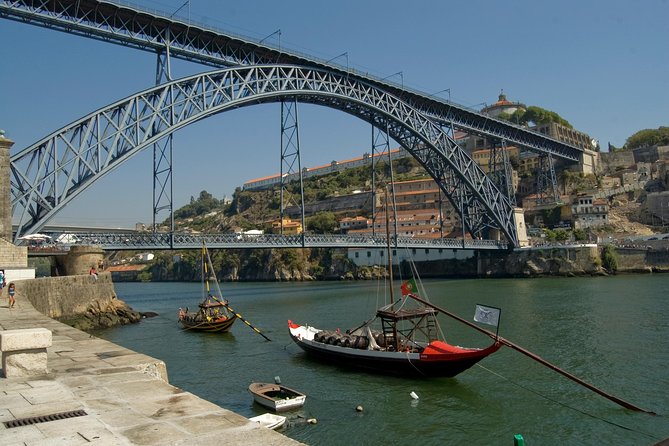
The route back toward Lisbon includes Aveiro, often called the Portuguese Venice because of its canals and moliceiro boats. The canals once supported local salt and seaweed work, so a boat ride can help explain how the water shaped the city. The ride is suggested, not listed as included.
Aveiro’s railway station and Art Nouveau buildings add another visual layer. The old market, made from iron and glass, is also part of the stop. The visit is fairly short, so you will get an introduction rather than a full study of the city.
Nazaré brings you back to the Atlantic. It is known for traditional houses, churches, local craft, and the famous giant waves at Nazaré Canyon. The town also preserves the distinctive seven-skirt clothing tradition associated with local women.
Óbidos is one of the most satisfying stops for a short walk. Inside the old walls, white houses, narrow streets, and traditional shops create a clear medieval feel. You can walk along the walls and learn how the town became part of the property given to Portuguese queens.
The tour lists Óbidos as a UNESCO site, but you should treat the stop primarily as a historic walled town visit. Two hours gives you enough time to walk and browse, though not to explore every lane at leisure.
Évora, bones, wine, and Portuguese cork
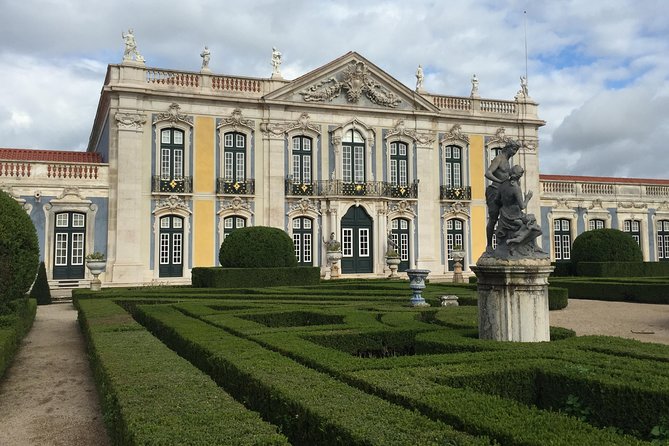
The final day goes east to Évora, a former royal residence and a major Alentejo center. The historic center brings together Roman remains, the cathedral, aristocratic houses, and the sixteenth-century Água da Prata aqueduct.
The Chapel of Bones is the most memorable stop for many people. Its walls are covered with the bones and skulls of around 500 monks, accompanied by a stark message about mortality. Admission is separate, and the chapel is not a lighthearted attraction, but it gives Évora a distinctive atmosphere.
The winery visit explains why Alentejo wines can thrive in a hot, dry region. White wines are generally soft and lightly acidic, while reds tend to be fuller and more tannic. The exact winery may be Fundação Eugénio de Almeida, known for Cartuxa wines, Ervideira, or another scheduled producer.
The day finishes with cork. At Cortiçarte, you can see how bark from cork oak becomes a useful material for wine closures, flooring, decorative work, and sporting goods. Portugal produces about 55 percent of the world’s cork, and the bark can be removed without killing the tree. This is a worthwhile final stop because it connects a familiar object, the wine cork, with the countryside and manufacturing behind it.
Timing, comfort, and what you pay for
Pickup is offered from your accommodation at about 9:00 a.m., and the vehicle includes onboard WiFi. You are not required to reach a central meeting point, which saves time and makes the long route easier to manage.
The tour is private, so only your group participates. That is especially useful when choosing the Sintra palace, deciding how long to spend in Coimbra, or adjusting attention between wine, religious sites, and architecture.
The listed price does not cover hotels, meals, or admission fees. Set aside extra money for major palaces, churches, libraries, the Coimbra University, Livraria Lello, and tastings or visits where noted. The booking includes taxes, handling charges, transport, the driver-guide, WiFi, and personal accident insurance.
Free cancellation is available up to 24 hours before the start time. English is the offered language, and confirmation is provided at booking. The tour is suitable for most participants, though the number of stops and long driving days make it less appealing if you prefer a slow, unstructured holiday.
Should you book this private Portugal tour?
Book it if you want one organized route through Portugal and value door-to-door transport more than free time. It is especially suited to couples, families, or small groups who want Lisbon, Porto, the Douro Valley, Sintra, and Évora in one trip without driving themselves.
I would book it for the private format, the wide mix of places, and the combination of major sights with specific local stops such as Pinhão Station, Pastéis de Belém, Port cellars, and cork production. I would hesitate if the $2,165.28 price per person is close to your full holiday budget, since hotels, meals, and entrance fees come later.
Ask yourself one simple question: do you want Portugal explained and connected for you, or do you want to choose one region and linger? If you want the first option, this tour gives you a strong seven-day framework. If you want the second, use it as inspiration and plan a shorter, slower trip.
FAQ
How long is the tour?
The experience lasts approximately seven days.
Where does the tour begin?
It begins in Lisbon, with pickup from your accommodation.
What time does pickup start?
The stated start time is 9:00 a.m.
Is the tour private?
Yes. Only your group participates in the activity.
Is transportation included?
Yes. Transport is provided in a private vehicle, with a driver-guide and WiFi onboard.
Is the tour offered in English?
Yes. English is the listed language.
Are hotels included in the price?
No. Hotels are not included.
Are meals included?
No. Meals are not included.
Are entrance fees included?
No. Admission fees are generally separate, including several major palaces, churches, museums, and historic sites.
Can I cancel for a full refund?
Yes, if you cancel at least 24 hours before the experience begins. Cancellations made less than 24 hours before the start time are not refunded.
Just reviewed in Lisbon
- Private tour Lisbon – full day★ 5.0 · 8 reviews
- Private Tour: Portuguese Food and Wine Tour★ 5.0 · 33 reviews
- Lisbon Football Experience – Private stadium and Museum Tour★ 4.0 · 10 reviews
- Lisbon and Sintra Essence 8H – Private Tour★ 5.0 · 5 reviews
- Private Tour: Lisbon Sunset Walking Tour with Fado Show and Dinner★ 5.0 · 30 reviews
- Private Catamaran Tour: Lisbon coast cruise with barbecue and drinks★ 5.0 · 20 reviews
- Lisbon: Helicopter Tour over Cascais & Cabo da Roca★ 5.0 · 4 reviews
- Private Tour Fátima – Nazaré – Batalha – Óbidos★ 5.0 · 6 reviews
Private, compared.
True 4Hour Private Tuk Tuk Tour: Discover Lisbon with a Local!
Read our review →

Private Lisbon Sightseeing Tuk-Tuk Tour: Alfama, Belém & More
Read our review →
Lisbon Highlights: Private Tuk Tuk Tour Adventure Sightseeing
Read our review →
Welcome Lisbon Tour with Local Guide in Private Eco Tuk Tuk
Read our review →
Sintra Full-Day Private Tour – A Journey through Wonderland
Read our review →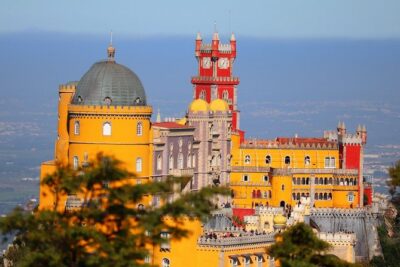
Sintra Private Trip from Lisbon Customizable Dreamlike Experience
Read our review →