
Reviewed · HISTORICAL TOURS
Private Tour – African History in Lisbon
Lisbon’s grand squares and tiled streets tell only part of the story. This private walk brings African heritage, slavery, migration, and present-day life into the center of the conversation, linking places you may otherwise pass without understanding. Guide Filipa Oliveira leads the walk in English, with a historian’s eye and a clear sense that difficult subjects deserve care rather than polite silence.
I like the private format, which gives you room to ask direct questions and shape the conversation. I also like the route itself: it connects Rossio, Alfama, Mouraria, the waterfront, and old commercial areas instead of keeping the subject inside a museum. The main consideration is that this is a serious history walk, not a light sightseeing stroll, and one review raised concerns about English clarity, although the other feedback consistently praises Filipa’s communication and preparation.
Key points before you book
- A private walk with Filipa Oliveira: Only your group takes part, so you can ask questions and discuss difficult topics at your own pace.
- A route through six historic areas: You walk from Rossio to Praça do Comércio, passing Castelo, Alfama, Mouraria, Chafariz d’El Rei, and Campo das Cebolas.
- Lisbon’s African past takes center stage: The tour examines slavery, African arrivals, commerce, migration, and the people whose work helped shape Portugal.
- A useful 2 to 3 hour introduction: The route gives you a focused first look at a subject often missing from standard city tours.
- A few thoughtful extras: Past guests describe coffee, custard pastries, and help getting to a later appointment, though these should not be treated as guaranteed inclusions.
- Comfortable shoes matter: Much of the experience is on foot through Lisbon’s older districts, with a route that includes hilly historic neighborhoods.
Why this Lisbon walk matters
Portugal’s role in the Atlantic slave trade is often reduced to a few dates and broad statements. This experience tries to put that story back into the streets of Lisbon, where commerce, water, religion, housing, work, and public life were all connected to the movement and enslavement of African people.
That approach is useful because you are not simply looking at monuments. You are being asked to consider who built the city, who worked in it, who was visible in public, and who was left out of official memory. The tour also moves beyond slavery alone, touching on African heritage and immigrant communities in present-day Lisbon.
Filipa’s style, based on the available feedback, is direct but warm. She treats the subject with empathy while also explaining the facts. Several people appreciated that she connected overlooked people and events to the places around them, rather than offering a standard postcard view of Lisbon.
This is not a tour designed to make the city feel easy and uncomplicated. That is part of its value. You will still see handsome squares, old streets, and waterfront views, but you will understand them through a wider lens.
More Historical Tours in Lisbon:
- Lisbon: History, Stories and Lifestyle Walking Tour
★ 4.8 · 10,902 reviews - Lisbon: Live Fado Show with Port Wine in Historic Center
★ 4.7 · 4,166 reviews - Lisbon: Fado Show with Wine in a Historic Venue
★ 4.8 · 1,294 reviews
Starting at Rossio and Praça Dom Pedro IV
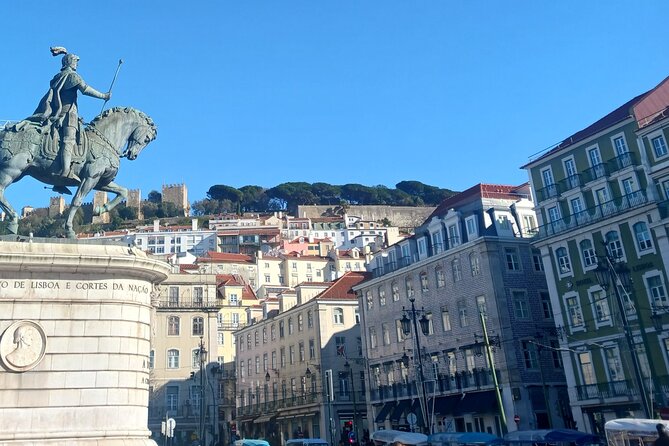
The meeting point is at Lisboa Rossio, near Rua 1º de Dezembro. This is a practical place to begin because Rossio is central and close to public transportation. You start in one of Lisbon’s most familiar public spaces, then shift attention from its architecture to the people who used and shaped it.
The first section introduces the main subject: the importance of enslaved Africans in Lisbon’s history and economy from the 16th century onward. The stated stop in Lisbon lasts about 15 minutes, so expect an opening discussion rather than a long lecture.
You then spend roughly 15 minutes at Praça Dom Pedro IV, usually called Rossio. Here the focus is on the presence of Black Africans and enslaved people in many forms of work and activity in this part of the city. The point is not simply that Africans were present. It is to consider how their labor fit into urban life and the wider economy.
I like this beginning because it gives you a framework before the route becomes more detailed. If you have already seen Rossio on a standard orientation walk, this stop can change how you read the square. The limitation is that the first two stops are short, so the discussion may feel like an introduction that continues elsewhere rather than a complete lesson at either location.
Castelo, Alfama, and Mouraria in one long walk
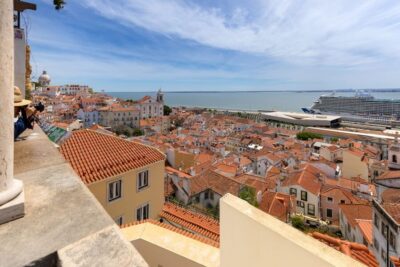
The largest portion of the tour is the approximately one-hour section through Castelo, Alfama, and Mouraria. These are among Lisbon’s most atmospheric districts, but the experience uses them for more than scenery.
The route considers immigration, community, and heritage. You look at these neighborhoods as places where people arrived, settled, worked, and became part of the city. The subject is not frozen in the past. African influence and immigrant life are treated as part of Lisbon’s continuing identity.
This part will likely feel the most like a walking conversation. You are moving through older streets while Filipa explains how the city’s social history fits the buildings and neighborhoods around you. The tour description joins anthropology with history and contemporary life, which gives this section a wider reach than a walk focused only on the slave trade.
The practical issue is the ground under your feet. You should wear comfortable shoes, as one especially enthusiastic booking notes. Castelo, Alfama, and Mouraria are old districts, and Lisbon’s historic streets can be demanding even when the walking distance is not extreme.
The private format is particularly helpful here. You can ask how African heritage appears in Lisbon today, or pause when a place raises a question. A larger group would make that harder. If your interest is mainly architecture or viewpoints, you may find the pace less focused on sightseeing. If you want context for the city’s people and communities, this is likely the heart of the experience.
Chafariz d’El Rei and the history of water
The stop at Chafariz d’El Rei lasts about 10 minutes. This old fountain is presented as a place where enslaved people had their own tap for drawing water.
It is a small detail, but that is precisely why it matters. A fountain can look like a minor historic object until you learn how access to water was organized and how enslaved people occupied the city’s daily routines. The stop brings the subject down from broad political history to an ordinary task that had to be done every day.
You should not expect a major monument visit here. The value comes from the explanation and the connection to social structure. A short stop can leave a stronger impression than a long list of dates when it shows how power worked at street level.
More Private in Lisbon:
- True 4Hour Private Tuk Tuk Tour: Discover Lisbon with a Local!
★ 5.0 · 8,008 reviews - Lisbon: Private Guided Tuk-Tuk Tour with Hotel Pickup
★ 4.9 · 4,552 reviews - Private Lisbon Sightseeing Tuk-Tuk Tour: Alfama, Belém & More
★ 5.0 · 4,277 reviews - Lisbon Highlights: Private Tuk Tuk Tour Adventure Sightseeing
★ 5.0 · 3,284 reviews
Praça do Comércio and Lisbon’s public face
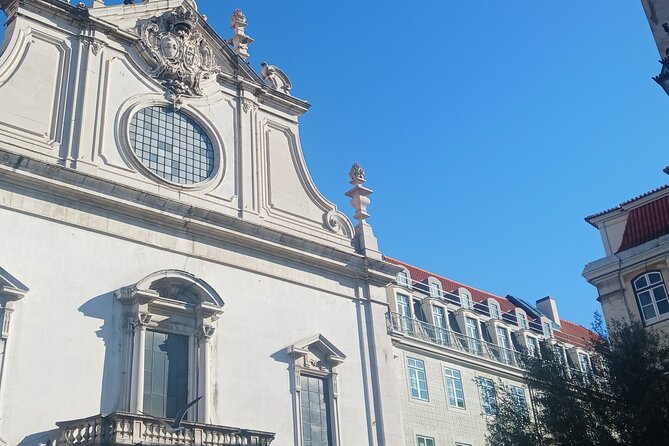
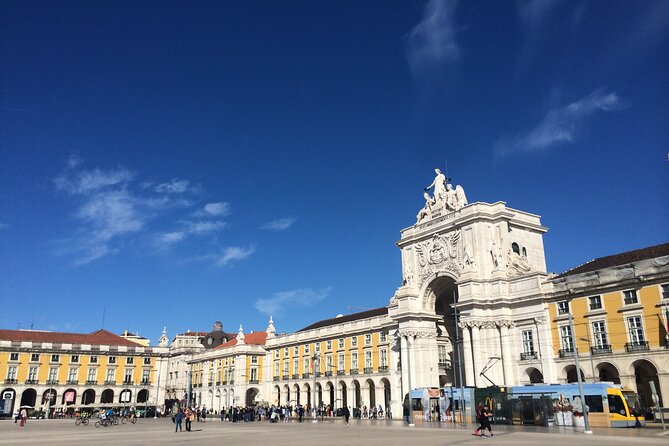
The tour then reaches Praça do Comércio, where about 30 minutes are assigned. This is one of Lisbon’s grandest spaces, open to the river and built for commerce, government, and civic display.
The discussion places the square within the city’s wider story. You consider how Lisbon’s public image was tied to trade and empire, and how African people and enslaved labor were part of that system. The square is a good setting for this because its beauty can easily make the past seem distant or abstract.
Here you may find the tour’s larger argument becoming clear: Lisbon’s monumental center and its human stories cannot be separated. The square is not presented only as an attractive place for photographs. It becomes evidence of how the city presented its power and wealth.
A half-hour gives Filipa time to explain the setting without rushing. It also gives you a natural chance to ask questions. The tour ends at Praça do Comércio, so this stop is both a major historical point and a useful arrival point for the rest of your day.
Campo das Cebolas and the waterfront story
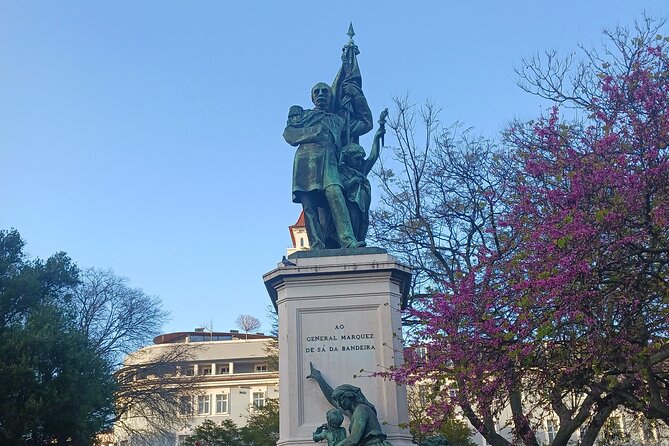
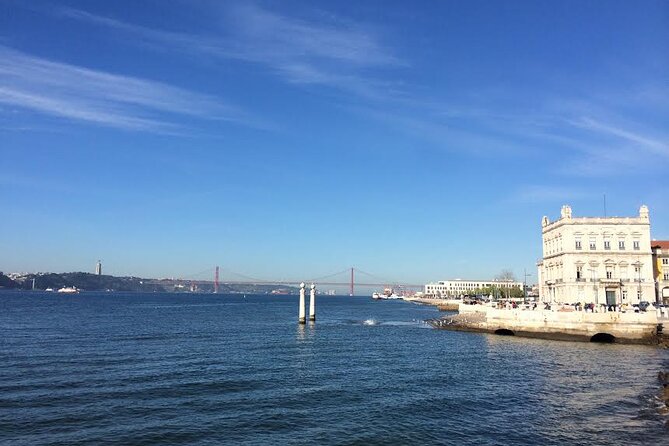
The final listed stop is Campo das Cebolas, with about 20 minutes devoted to it. This was an area of commerce where enslaved people arrived from Portugal’s colonies, particularly from Africa. The place also contains architectural remains and several layers of Lisbon’s past.
This is one of the most important stops because it links the city to the wider colonial system. You are not only hearing about people already living in Lisbon. You are considering how people were brought into the city through commerce and force, and how the waterfront functioned within that process.
The archaeological and architectural remains add another useful layer. Lisbon is full of visible fragments from different periods, but they do not always explain themselves. With the right context, a ruin or old structure can help you see that the city was repeatedly rebuilt, repurposed, and shaped by trade.
The route’s ending by the water gives the walk a strong finish. You arrive at Praça do Comércio after moving through older neighborhoods and commercial zones, so the waterfront feels connected to the rest of the city rather than isolated as a scenic finale.
What the private format adds
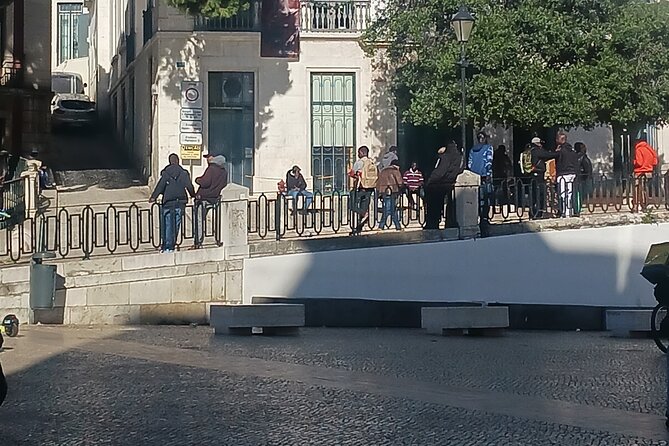
At $93.62 per person, this is not the cheapest way to spend two or three hours in Lisbon. The value depends heavily on how much you want a focused conversation rather than a general city introduction.
For one person or a small group, the cost pays for a private guide, a tailored pace, and access to a specialist subject. You are not sharing the discussion with a large crowd, and you can ask questions that might not fit a standard sightseeing route. That matters with a topic this sensitive and complex.
The private arrangement also appears to create room for small acts of flexibility. Filipa has been praised for waiting when a guest arrived a few minutes late after lunch and for allowing extra time. She has also been described as walking with a group to a later wine tasting appointment. Those gestures are not promised features, but they suggest a guide who pays attention to the day you are actually having.
You may also encounter a coffee stop with pastéis de nata, or custard tarts. More than one account refers to this kind of pause, but it is not stated as a formal inclusion, so you should not book expecting food or drinks to be covered.
For a larger family or group, the price can make more sense when divided among participants. For a solo visitor, it is a premium purchase. I would choose it when this subject is a priority, not simply because you need a general introduction to Lisbon.
Guide style and the English-language question
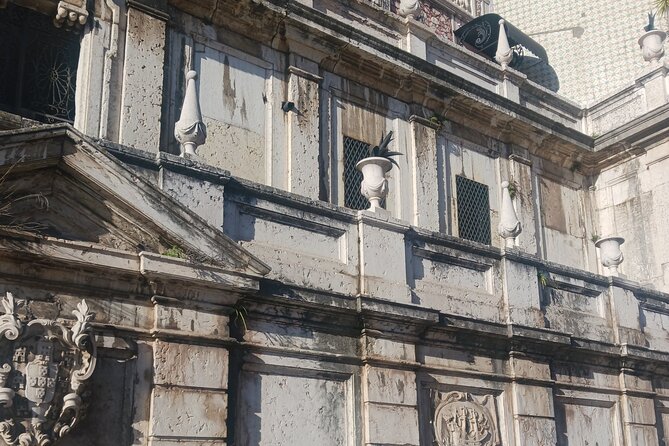
Filipa Oliveira is presented as a historian with about two decades of professional experience and international exposure. The strongest pattern in the feedback is praise for her preparation, passion, warmth, and ability to connect facts to places.
People especially value her balanced approach. She does not present Portuguese history as a simple morality tale, but she also does not soften the role of slavery or push uncomfortable facts aside. That balance is useful when you want a serious explanation without a rehearsed lecture.
One negative account raised concern about English clarity and said the group struggled to follow the guide. This is worth noting because the tour is offered in English. At the same time, the other available comments repeatedly describe Filipa’s English as clear and her explanations as easy to follow. The fairest advice is to recognize the possibility of a communication mismatch while also noting that it is not the dominant pattern in the feedback.
Another concern raised was the guide’s lack of African ancestry. That criticism says more about the need for varied voices in historical interpretation than it does about the guide’s ability to teach the subject. Filipa’s stated approach is that African heritage belongs in the story of Lisbon and should be discussed openly, regardless of the guide’s own background. If you require a guide of African origin, this is not the right match. If your priority is a trained guide who can address the subject with care, evidence, and openness, it may suit you well.
Timing, walking needs, and what to expect
The experience lasts roughly two to three hours. The listed stop times add up to about two hours and 30 minutes, leaving room for walking between locations, questions, and a possible pause.
You meet at Rossio and finish at Praça do Comércio. That point-to-point layout is useful because you do not need to return to your starting place. It also places you near central Lisbon for lunch, museums, shopping, or another appointment.
The tour is described as suitable for most people and near public transportation. Service animals are allowed. Because the route includes Castelo, Alfama, and Mouraria, comfortable footwear is a sensible choice even though the experience is not described as a strenuous hike.
You should also set aside enough mental energy for the subject. This is a thoughtful history walk about enslavement and racial inequality, mixed with stories of migration and cultural life. It is not built around constant photo stops or entertainment. That makes it a good fit for curious people who want to understand Lisbon, not just collect landmarks.
Free cancellation is available up to 24 hours before the start time. Changes or cancellations inside that window are not accepted for a refund, so keep the local cut-off time in mind when booking.
Who should book this Lisbon experience?
I would recommend this walk to you if you have already seen Lisbon’s main sights and want a fuller account of how the city developed. It is also a strong choice if African history, the Atlantic slave trade, colonialism, or migration is a major reason for your visit.
The tour suits solo visitors, couples, families, and small private groups who like to ask questions. It can also work well early in a Lisbon stay, since the route gives you a new way to read Rossio, Alfama, Mouraria, the waterfront, and the city center afterward.
I would hesitate if you want a quick, cheerful overview with little discussion of difficult subjects. I would also think twice if a steep or uneven historic walk would be uncomfortable for you. And if you need an African-led experience specifically, you should choose another tour.
Should you book it?
Book this private African history tour if you want Lisbon explained through the lives of people who are often missing from the city’s standard story. The strongest reasons are the focused route, the private discussion, and Filipa Oliveira’s clear commitment to connecting slavery and African heritage with both historic sites and present-day Lisbon.
The price is fair for a private specialist walk, but it is not a bargain city orientation. You are paying for attention, conversation, and a subject that ordinary sightseeing tours often treat briefly or skip. Wear good shoes, allow about three hours, and come ready to listen carefully. If that sounds like the kind of Lisbon experience you want, this is a thoughtful choice.
FAQ
Where does the tour start?
The tour starts at Lisboa Rossio, at Rua 1º de Dezembro 125, 1249-970 Lisbon, Portugal.
Where does the tour finish?
The tour finishes at Praça do Comércio, 1100-148 Lisbon, Portugal.
How long does the experience last?
The tour lasts approximately two to three hours. The scheduled stops total about two hours and 30 minutes, including time in Lisbon, Rossio, Castelo, Alfama, Mouraria, Chafariz d’El Rei, Praça do Comércio, and Campo das Cebolas.
Is the tour private?
Yes. Only your group participates in the activity.
What language is the tour offered in?
The tour is offered in English.
Are service animals allowed?
Yes, service animals are allowed.
What is the cancellation policy?
You can cancel up to 24 hours before the experience starts for a full refund. Cancellations or changes made less than 24 hours before the start time are not accepted for a refund.
Just reviewed in Lisbon
- Private tour Lisbon – full day★ 5.0 · 8 reviews
- Private Tour: Portuguese Food and Wine Tour★ 5.0 · 33 reviews
- Lisbon Football Experience – Private stadium and Museum Tour★ 4.0 · 10 reviews
- Lisbon and Sintra Essence 8H – Private Tour★ 5.0 · 5 reviews
- Private Tour: Lisbon Sunset Walking Tour with Fado Show and Dinner★ 5.0 · 30 reviews
- Private Catamaran Tour: Lisbon coast cruise with barbecue and drinks★ 5.0 · 20 reviews
- Lisbon: Helicopter Tour over Cascais & Cabo da Roca★ 5.0 · 4 reviews
- Private Tour Fátima, Nazaré, and Óbidos Day Trip from Lisbon★ 5.0 · 25 reviews
Historical Tours, compared.
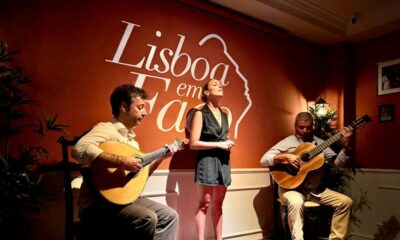
Live Fado Show with Port Wine in Historic Center
Read our review →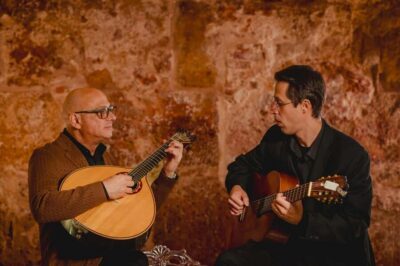

Explore Lisbon by Tuk Tuk: History and Viewpoints
Read our review →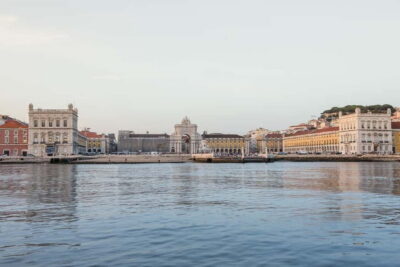
Daytime or Sunset Boat Cruise with History and Wine
Read our review →
Private Tuk Tuk Tour Through Lisbon’s Historical Streets
Read our review →
Lisbon Sunset Sailing with Portuguese Wine and History
Read our review →
Guided Tuk-Tuk Tour Along the Historic Tram Line 28
Read our review →Browse the lists this tour appears in