
Reviewed · LISBON FOOD TOURS
Lisbon Food and Wine Tasting Tour of HIDDEN GEMS (Small Groups)
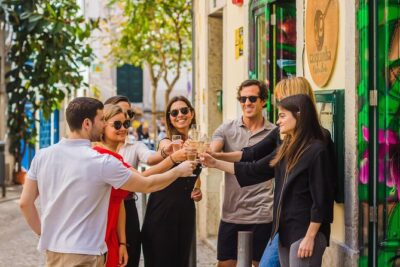
Lisbon’s food culture makes most sense one small plate at a time. This three-hour walk begins with a pork-filled bifana, moves through pica-pau and Portuguese wine, then finishes with pastel de nata and cherry liqueur. I like the mix of everyday food and local drinks, plus the easy route through Bairro Alto and central Lisbon. The small group, capped at 12, also gives guides such as Paulina, Mario, Susanna, and Polina room to talk with you.
I especially like that the experience is not built around high-end dining. You eat the food people order in ordinary Lisbon bars and cafes, with history and customs added along the way. The main caution is consistency: venues and dishes can change, and one stop may be crowded or short on seating. If you need vegetarian, pork-free, or allergy-friendly food, tell the operator when booking.
At a glance: what you are paying for
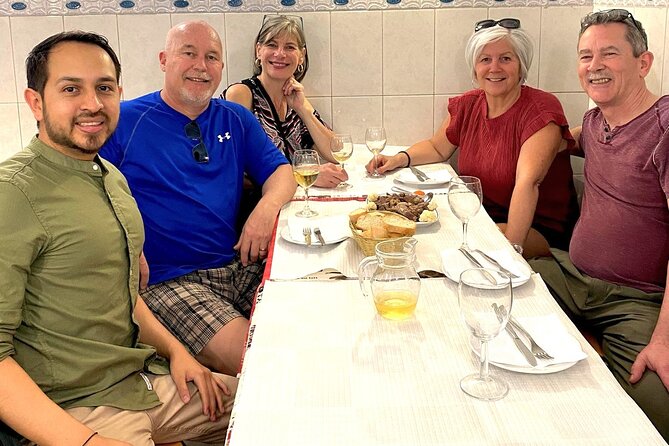
- Five food and drink stops: The route includes bifana, pica-pau, wine and cheese, pastel de nata, coffee, and ginjinha.
- A small group of up to 12: This is a better setup for questions and conversation than a large coach-style food tour.
- A practical introduction to Lisbon: You get a quick lesson in everyday Portuguese eating, drinking, and social habits.
- A moving meal, not a sit-down dinner: Portions are spread across several places, so do not assume one large restaurant meal.
- Guides shape the experience: Paulina, Mario, Susanna, Polina, Eliane, Adianna, and other listed guides have led this route.
- A central finish: The tour begins at Praça Luís de Camões and ends at Praça Dom Pedro IV, near Rossio.
Why the bifana is a smart place to begin
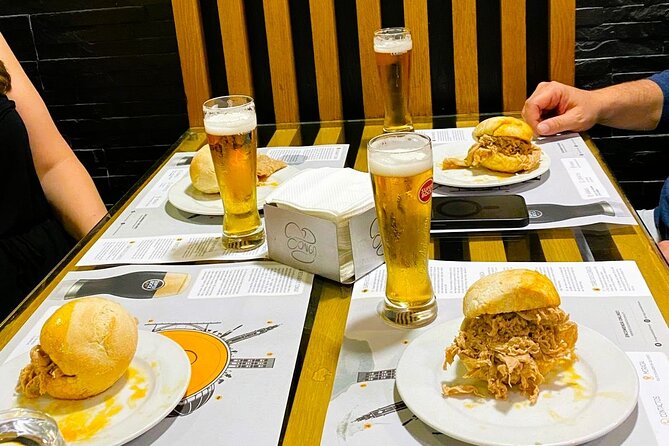
The first stop at Praça Luís de Camões introduces you to the bifana, one of Portugal’s great quick meals. It is a soft sandwich filled with thinly sliced pork marinated in seasoning, served with a crisp Portuguese beer.
This is not a fancy opening course, and that is the point. The bifana is casual, filling, and tied to the country’s cafe and bar culture. You can learn more from this sandwich about ordinary Lisbon eating than from a polished tasting menu.
The usual stop is O Trevo, a famous local address associated with bifanas. That means the setting may be busy, especially on a holiday or during a popular evening period. You may eat standing or on the move rather than settling into a reserved table. I would treat this as part of the street-food nature of the dish, but it may disappoint you if you expect a relaxed first course.
The walk begins near the Bairro Alto and Chiado area, so you are also getting your bearings in one of Lisbon’s most useful central districts. Wear shoes that handle uneven pavement and short uphill stretches.
More Lisbon Food Tours:
- Winner 2025 Undiscovered Lisbon Food & Wine Tour by Eating Europe
★ 5.0 · 6,390 reviews - Lisbon: Food and Wine Small Group Walking Tour
★ 4.9 · 4,082 reviews - Lisbon Small-Group Food Tour with 18 Tastings in Alfama District
★ 5.0 · 1,967 reviews
Pica-pau and green wine on Rua da Misericórdia
The second stop focuses on pica-pau, small pieces of seasoned beef or pork served with bread. It is a good example of Portuguese bar food: simple, savory, and made for sharing.
The dish is paired with vinho verde, Portugal’s light, fresh green wine. Despite its name, vinho verde is not usually green in color. The term refers to the young style of the wine and the region where it is made. It often works well with salty snacks and meat dishes, so the pairing gives you a useful starting point for understanding Portuguese wine.
This stop may feel more local and relaxed than the first. The food is intended to be shared, and the bread helps turn a small plate into something more satisfying. Still, portions are not fixed in the same way as a full dinner. One person described the pica-pau serving as only a few bites per person, so you should think of the tour as a sequence of tastes rather than a large evening meal.
The operator says reservations are made here, but the wider warning remains important: the route can change if a business is closed or unavailable. One past tour substituted dishes when the bifana venue was closed. That flexibility protects the overall experience, but it also means you should not book this if every listed dish is essential to you.
Three Portuguese wines and a cheese tasting
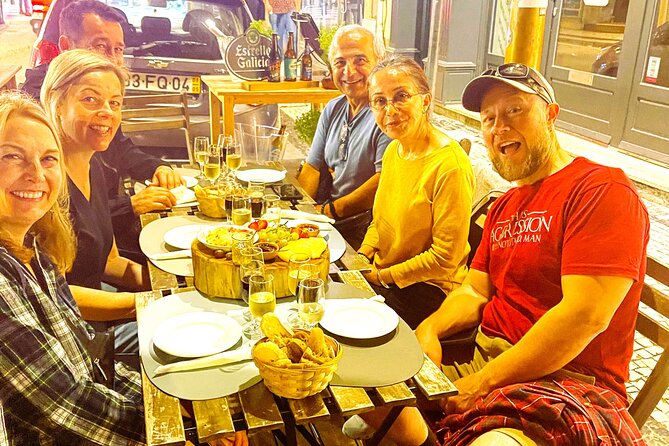
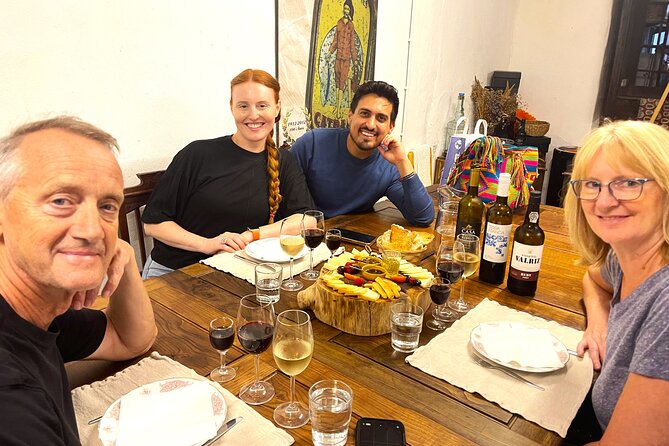
The central wine stop is designed as a tutored tasting of three Portuguese wines with several cheeses. This is probably the most educational part of the walk, especially if you know little about Portugal’s wine regions.
Portugal produces far more than the familiar vinho verde and port. A tasting of three wines gives your guide room to explain differences in style, grape, and place without turning the evening into a technical lecture. The cheese adds a useful food comparison, helping you notice how salt, creaminess, and texture affect the wine.
Guide quality matters here. Mario has been praised for explaining regional differences and for answering questions about the city. Paulina is described as combining food, wine, and local history in an easygoing way. A good guide can make this stop feel like a conversation at a neighborhood wine shop rather than a formal class.
There is one practical wrinkle. The wine venue may change at short notice because of availability or special events. On one occasion, the guide arranged an alternative tasting at a more expensive location after a problem at the planned venue. That can preserve the wine portion, but the replacement may feel less private or less local than expected.
If the tasting matters most to you, ask at the start where it will take place. You will then know if you are headed to a seated wine shop, a bar, or a counter-style setup.
Pastel de nata on Rua do Loreto
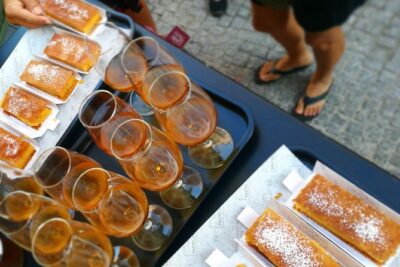
The sweet course is pastel de nata, Lisbon’s famous custard tart with a flaky crust. It is served with coffee, making this a familiar Portuguese cafe pairing rather than a stand-alone pastry sample.
Manteigaria is the usual name associated with this stop. It is widely known, so it is not an obscure find. That is not a flaw by itself. A food walk should include a few established specialties, and pastel de nata is one of the foods you should try at least once in Lisbon.
The limitation is seating. A pastry shop can be crowded, and you may eat standing if tables are unavailable. If your ideal food tour includes long conversations over coffee, this stop may be brief. If you want a fresh, crisp custard tart and a quick lesson in one of Portugal’s signature sweets, it fits the route well.
The pastry stop also helps pace the evening. After meat, bread, and wine, a sweet course gives you a change of flavor before the final drink. I would save room for it, but I would not expect it to replace dinner.
More Lisbon Wine Tasting Tours:
- Lisbon: Live Fado Show with Port Wine in Historic Center
★ 4.7 · 4,166 reviews - Award-Winning Original Lisbon Food Wine Tour: 19 Curated Tastings
★ 5.0 · 1,288 reviews - Private Lisbon Arrabida Wine Tour: Food & Wines, Mountain and Sea
★ 5.0 · 907 reviews - Private Wine Tasting in the Setúbal Wine Region, from Lisbon
★ 5.0 · 611 reviews
A final sip of ginjinha at Rossio
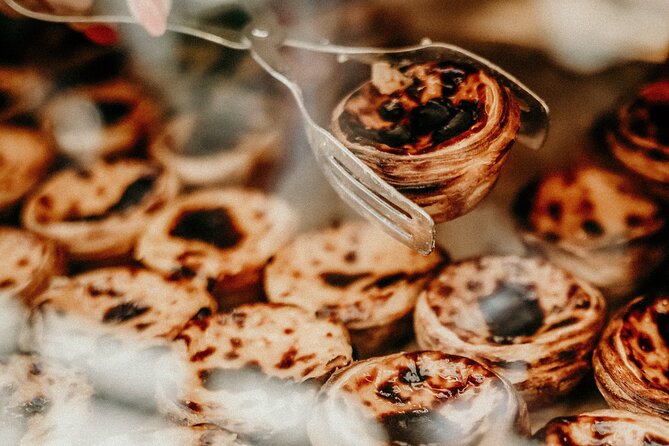
The walk ends in Praça Dom Pedro IV, commonly called Rossio, with ginjinha. This sweet cherry liqueur is one of Lisbon’s classic after-dinner drinks.
You may drink it with a cherry or alongside a small chocolate, depending on the venue and current setup. The final stop is short, about 20 minutes, and works as a simple finish rather than another full tasting.
Ginjinha is closely tied to Lisbon’s drinking culture, so this is a useful local custom to learn. It is also sweet and potent enough that you should take it slowly, particularly after the wine pairings.
The final location is convenient for continuing your evening in central Lisbon. You can walk onward from Rossio, return to a hotel in the central districts, or use nearby public transport. The route does not finish back at the starting point, so plan for that small piece of navigation.
How much food do you actually get?
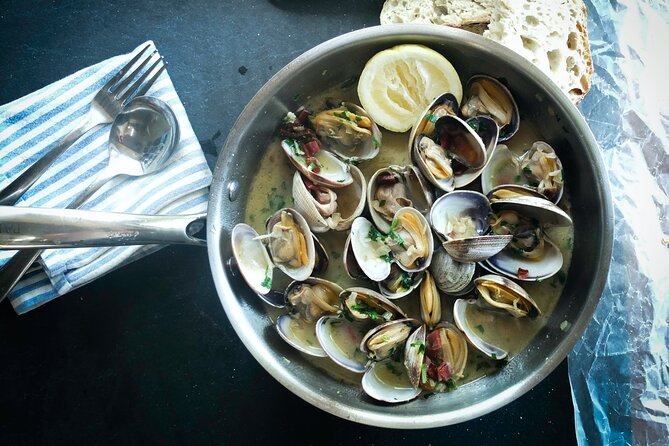
The tour includes several savory and sweet tastes, wine, beer, coffee, and liqueur. That sounds like a full meal, but the format is closer to a progressive tasting dinner.
You might leave satisfied if you enjoy trying many small portions. You might still want food afterward if you have a large appetite or if a venue serves only a few bites. One lower-rated account specifically complained of leaving hungry, while other descriptions call the food plentiful. The difference may come from substitutions, portion sizes, and personal expectations.
I would book this as an introduction to Lisbon’s food, not as the only dinner of a long day. Have a light snack beforehand if you tend to get hungry, but do not arrive stuffed. The best approach is to enjoy the variety and keep your evening flexible.
The guide can make or break the evening
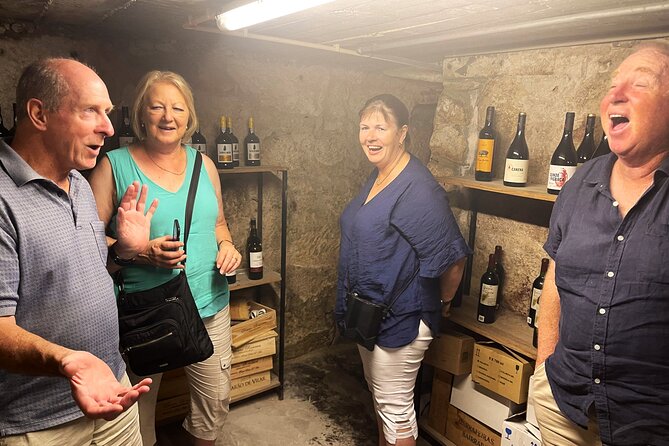
This tour depends heavily on the person leading it. The strongest accounts describe guides who mix food facts with Lisbon history, answer questions, and help you choose other restaurants or activities.
Paulina receives especially warm praise for her friendly manner, local explanations, and ability to adjust when weather made the original plan less comfortable. Mario is repeatedly described as kind, informative, and good at explaining Portuguese wine and regional dishes. Susanna, Polina, Eliane, and Adianna are also named as guides who made people feel welcome.
That personal element is a major part of the price. You are not only buying food. You are paying for someone to connect the dishes, places, customs, and neighborhoods.
Still, service can vary. One unhappy account described a late finish, unclear communication, and poor organization, while the operator disputed those claims and said the tour ran for about three hours. The overall rating is 4.7 out of 5, with 91 percent recommending it, but the mixed experiences are a reminder to keep expectations realistic.
What $102.52 means in Lisbon
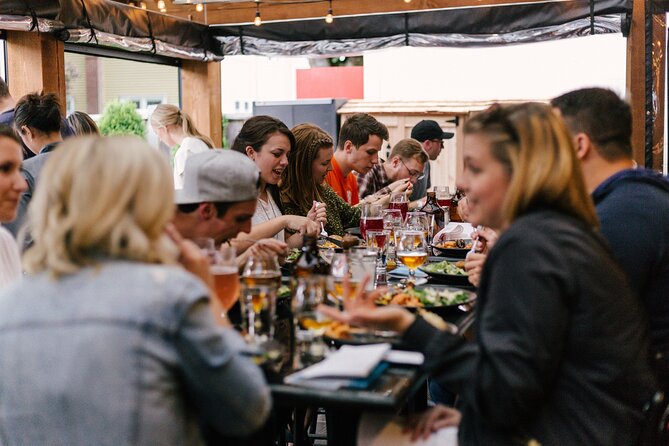
At $102.52 per person, this is not the cheapest way to eat bifana, pastry, or ginjinha. You could buy each item yourself for less, especially if you already know where to go.
The value comes from the structure. In about three hours, you sample several Portuguese specialties, try three wines, move through central Lisbon, and get an English-speaking guide to explain what you are eating. For a first evening in the city, that can save you the work of choosing places and help you avoid spending your whole night in one tourist-oriented restaurant.
The value drops if you expect a full dinner, private seating at every stop, or a fixed menu with no substitutions. It also drops if you dislike alcohol, since beer, wine, and ginjinha are central to the experience. Adults receive alcoholic beverages, and this is not a good match for someone seeking a non-drinking food tour.
Who will enjoy this food walk?
I would recommend it most to first-time visitors who want a fast introduction to Portuguese food without committing to a formal restaurant meal. It also suits couples and solo visitors who enjoy conversation, short walks, and trying familiar-looking foods in a local setting.
The group limit of 12 is useful. It is small enough for direct questions, but not necessarily intimate. A private experience is not promised.
You should consider another option if you are vegetarian, avoid pork, have a seafood allergy, or need exact ingredient control. The booking process includes a place to note special requirements, but you must use it. One vegetarian couple found that failing to disclose dietary needs led to substitutions and an uneven evening.
This is also not ideal for anyone who wants every stop to be obscure. Some addresses are established and popular, including a well-known bifana shop and Manteigaria. The title suggests off-path places, but the actual experience blends ordinary local food with iconic Lisbon stops.
Timing, meeting point, and cancellation
Meet at Praça Luís de Camões, 1200-243 Lisboa. The finish is Praça Dom Pedro IV, 1100-193 Lisboa. Both are central and near public transport.
The planned duration is about three hours, though the exact route can shift with weather, opening hours, venue availability, and other conditions. Confirmations are sent when you book, and the activity is offered in English.
You can cancel for a full refund up to 24 hours before the start time. Cancellations or changes inside that window are not accepted for a refund. The tour also needs a minimum number of participants. If the operator cancels because that minimum is not reached, you are offered another date or experience, or a full refund.
Should you book it?
Book this tour if you want a friendly, guided introduction to Lisbon’s everyday food and drink, and you value context as much as the bites themselves. The bifana, pica-pau, vinho verde, three-wine tasting, pastel de nata, and ginjinha make a sensible first look at Portuguese eating.
Do not book it expecting a polished restaurant dinner, guaranteed seating, fixed venues, or large portions. Tell the operator about dietary needs before you go, arrive ready to walk, and treat the menu as flexible.
For most first-time visitors, the combination of central neighborhoods, classic foods, and guides such as Paulina or Mario makes the $102.52 price reasonable. If you already know Lisbon’s food scene or want a quiet, substantial meal, spend the money at a restaurant instead.
FAQ
How long does the Lisbon food and wine tour last?
The planned duration is approximately three hours. The route and timing can change because of weather, venue availability, and other circumstances.
Where does the tour begin?
It begins at Praça Luís de Camões, 1200-243 Lisboa, Portugal.
Where does the tour end?
It ends at Praça Dom Pedro IV, 1100-193 Lisboa, Portugal, in the Rossio area.
How many people can join the tour?
The group has a maximum of 12 participants.
What food and drinks are included?
The planned tastings include bifana with Portuguese beer, pica-pau with vinho verde, three Portuguese wines with cheese, pastel de nata with coffee, and ginjinha. The menu can change.
Is the tour offered in English?
Yes. The experience is offered in English.
Can people with dietary restrictions join?
You can provide dietary information through the booking process. You should state vegetarian needs, allergies, or foods you avoid before the tour. The menu centers on Portuguese specialties that may include pork and other animal products.
What is the cancellation policy?
You can cancel at least 24 hours before the start time for a full refund. Cancellations or changes made less than 24 hours before the start are not refunded or accepted.
Just reviewed in Lisbon
- Private tour Lisbon – full day★ 5.0 · 8 reviews
- Private Tour: Portuguese Food and Wine Tour★ 5.0 · 33 reviews
- Lisbon Football Experience – Private stadium and Museum Tour★ 4.0 · 10 reviews
- Lisbon and Sintra Essence 8H – Private Tour★ 5.0 · 5 reviews
- Private Tour: Lisbon Sunset Walking Tour with Fado Show and Dinner★ 5.0 · 30 reviews
- Private Catamaran Tour: Lisbon coast cruise with barbecue and drinks★ 5.0 · 20 reviews
- Lisbon: Helicopter Tour over Cascais & Cabo da Roca★ 5.0 · 4 reviews
- Private Tour Fátima – Nazaré – Batalha – Óbidos★ 5.0 · 6 reviews
Lisbon Food Tours, compared.
Winner 2025 Undiscovered Lisbon Food & Wine Tour by Eating Europe
Read our review →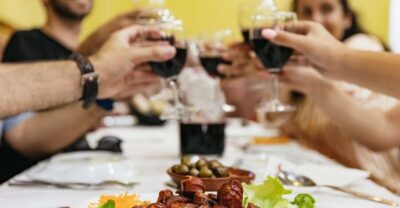
Lisbon Small-Group Food Tour with 18 Tastings in Alfama District
Read our review →
Baixa District Food Tour with Dinner and Drinks
Read our review →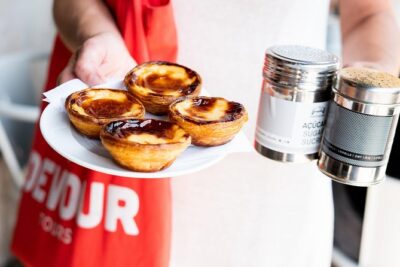
Devour Lisbon: The Ultimate Portuguese Food Tour
Read our review →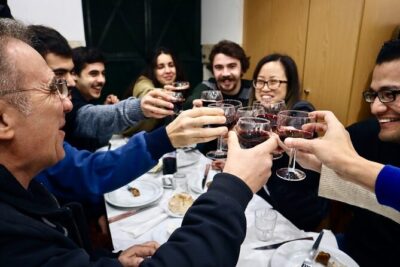
Lisbon Food Tour with 10+ Tastings of Local Delicacies & Wines
Read our review →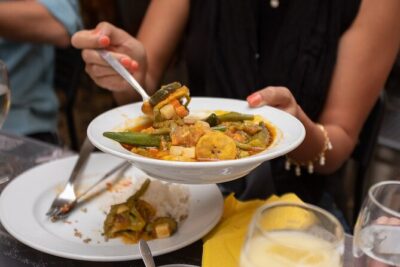
Award-Winning Original Lisbon Food Wine Tour: 19 Curated Tastings
Read our review →
Lisbon Roots – Small group Food & Culture Walking Tour w/tastings
Read our review →Browse the lists this tour appears in