
Reviewed · MAFRA PALACE TOURS
From Lisbon: Óbidos and Mafra Palace Private Tour
The great appeal here is the contrast: Óbidos feels like a compact medieval village, while Mafra overwhelms you with an 18th-century palace, convent, basilica, and library under one roof. I like the private format, which lets you set the pace, and I like the hotel or cruise-port pickup, a real help when you have only one free day from Lisbon.
You should allow for one drawback: Mafra can close for public holidays or special events without notice. On one such occasion, guide Rod Rodriguez switched the visit to Queluz Palace and its botanical gardens, a smart recovery, but still not the palace you originally planned to see.
Key points to know before booking
- Óbidos gives you two hours of medieval streets, walls, shops, and ginjinha tasting opportunities.
- Mafra Palace is enormous, with 1,200 rooms, 156 stairways, and a 232-meter limestone and marble corridor.
- The library is the highlight for many visitors, holding more than 30,000 books from the 15th through 18th centuries.
- A private vehicle and guide make the six-hour schedule easy, especially with pickup from a Lisbon hotel or cruise port.
- The tour suits couples and small private parties best, with a listed price of $261 for up to two people.
- July brings a possible Medieval Market in Óbidos, but its separate entrance fee is not included.
Why this Lisbon day trip works
This is a strong choice if you want to leave Lisbon for two very different Portuguese sights without arranging trains, taxis, tickets, and timing on your own. The route combines a small hill town with one of Europe’s largest 18th-century baroque complexes, so the day has a good rhythm rather than giving you two similar monuments.
The private setup matters. You travel in an air-conditioned vehicle with your own guide, rather than following a large group through narrow streets or waiting for people at every stop. You can ask questions as you go, spend more time on the parts that catch your interest, and request itinerary changes when weather or local closures get in the way.
The tour lasts six hours, including transport from Lisbon. That is long enough for a useful taste of both places, but not long enough for a slow, independent exploration of every corner. I would see it as an efficient overview, not a full study of Óbidos and Mafra.
The price is $261 per group of up to two people. For a couple, that works out to $130.50 per person before any optional food or July event costs. You are paying for a private guide, door-to-door transport, and the Mafra entrance fee. Compared with arranging two separate trips and local transfers, the cost can be reasonable, particularly if you value comfort and a flexible schedule.
More Mafra Palace Tours:
- Óbidos historic village and Mafra Palace Private Tour
★ 5.0 · 34 reviews - From Lisbon: Coastal Villages and Mafra Palace Guided Tour
★ 5.0 · 32 reviews - Mafra and Sintra: Choose 3 of 6 Palaces to visit on private tour
★ 5.0 · 26 reviews
Walking through Óbidos inside the old walls
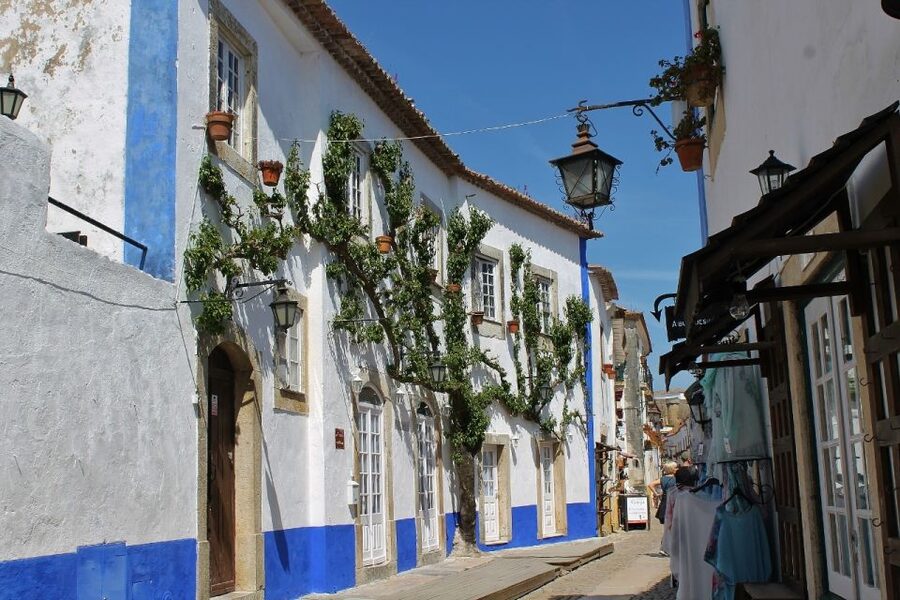
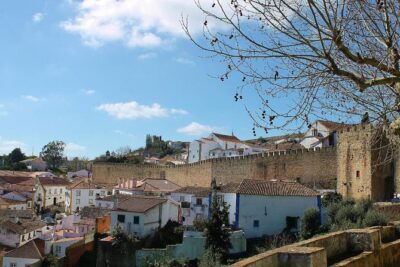
Óbidos is the more immediately charming stop. Its compact center sits within fortified walls, with white buildings, flowers, narrow lanes, and traditional shops. You get about two hours here, including a guided walk and free time to look around.
The town entered Portuguese history in 1148, when Portugal’s first king, Dom Afonso Henriques, conquered it. Your guide can give that date a human scale as you walk through the old settlement. The point is not just to admire a pretty street. Óbidos shows how a fortified town was shaped around defense, religion, trade, and royal power.
I would make time for the local ginjinha, a sour-cherry liqueur often served in a small chocolate cup. The tour information specifically allows time to taste ginjinha and browse local goods and crafts, though drinks and food are not included in the price. If you do not drink alcohol, you can simply use the stop for local products and the town’s small shops.
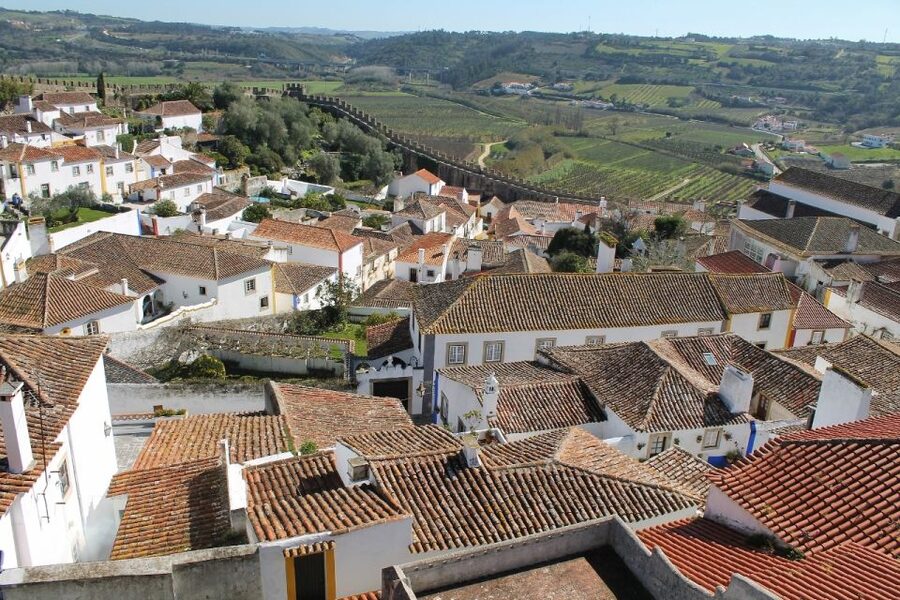
The walls are an important part of the visit. A past outing gave the group ample time to walk on top of them, and that is one of the best ways to understand Óbidos. You get a different view of the tiled roofs and the surrounding area, while the uneven stone surface makes clear that this is a historic fortification, not a modern promenade.
Take care on the walls. Comfortable shoes are listed as essential, and sunscreen is useful, particularly in July. The streets and fortifications can involve uneven stone, stairs, and exposed sections. The tour does not promise a fully accessible route, so anyone with mobility concerns should ask the provider what can be adapted before booking.
The village can feel very different during the July Medieval Market. For two weeks, the castle and surrounding streets fill with banners, heraldic flags, parades, costumed merchants, jugglers, minstrels, soldiers, and staged combat. Jousting and armed displays are also part of the program.
That event may sound like a bonus, but it changes the experience. You get extra atmosphere, yet the town is likely to feel busier and more event-focused than it does on an ordinary day. The market entrance costs extra, so include that in your budget if your date falls during the festival.
Seeing the scale of Mafra National Palace
After Óbidos, Mafra changes the mood completely. Instead of intimate lanes and small buildings, you enter a monumental complex commissioned by King João V. Construction began on November 17, 1717, funded in large part by gold arriving from Brazil.
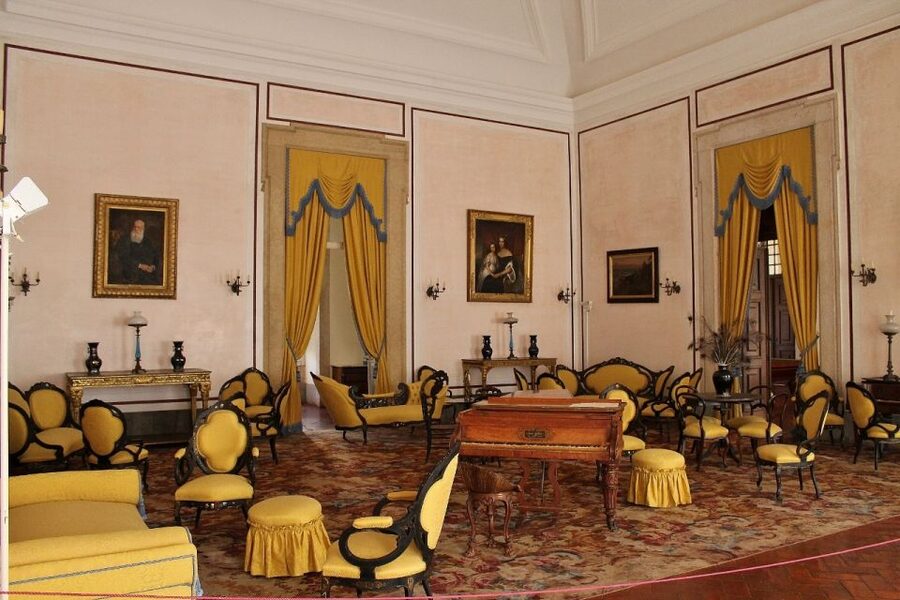
Mafra combines four major functions in one vast structure: palace, convent, basilica, and library. The numbers are almost comic in their scale: about 1,200 rooms, more than 4,700 doors and windows, 156 stairways, and 29 inner yards and courtyards. You do not need to memorize every figure, but they help explain why this visit feels more like a small city than a single royal residence.
The guided visit lasts about an hour and a half. That is enough to see the main areas and understand the building’s purpose, but you should not expect to inspect every room. The guide is especially useful here because the size can blur together without context. Knowing why the palace was built, how the convent fitted into royal planning, and where the basilica belongs in the overall design gives the visit a clear thread.
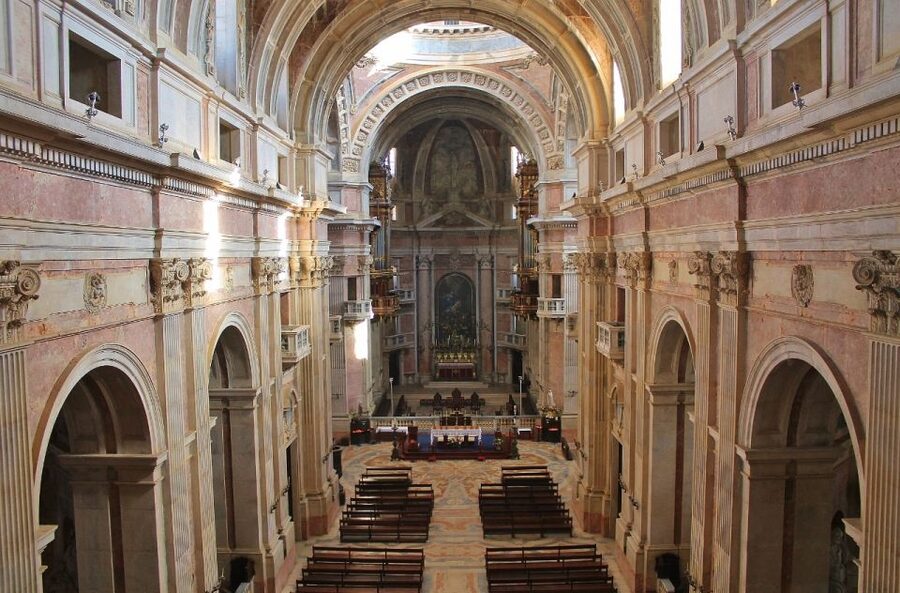
One of the most striking details is the palace corridor, measuring 232 meters. It is made with limestone and marble from the Óbidos, Pêro Pinheiro, and Sintra regions. Walking along such a long interior passage makes the building’s scale physical. You are not just looking at a large facade from outside. You are moving through a structure designed to impress at every turn.
The Mafra library and basilica
Give the library your full attention. It contains more than 30,000 volumes dating from the 15th to the 18th centuries and is regarded as one of the most important libraries in Europe. For many people, this is the most memorable room in the complex because it feels quieter and more focused than the grand ceremonial spaces.
The library also helps balance the palace’s display of wealth. The gold, stone, and vast rooms show royal power, while the books point to scholarship, religious study, and the preservation of ideas. I would ask your guide about the collection and the role of the convent if that interests you.
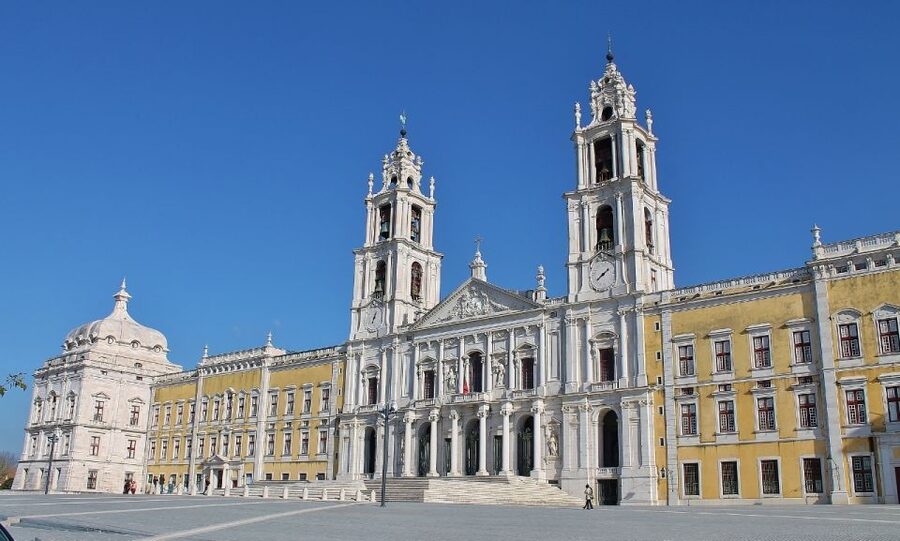
The basilica forms the central part of the facade and was designed by the German architect Johann Friedrich Ludwig for Dom João V. Its two large towers frame the palace front and give Mafra its unmistakable outline.
You will have a photo stop as part of the visit, but do not treat the exterior as a quick backdrop. The facade is where the building’s competing purposes come together. Royal residence, religious institution, and public statement all occupy the same enormous structure.
Mafra is likely to suit visitors who enjoy architecture, royal history, and grand interiors more than those looking for a relaxed village stroll. The palace is impressive because of its scale, but that scale can also feel tiring after Óbidos. The guide helps keep the visit from becoming a march through one large room after another.
More Óbidos Day Trips from Lisbon:
- Three Cities in One Day: Porto, Nazare and Obidos from Lisbon
★ 4.5 · 3,572 reviews - From Lisbon: Fátima, Nazaré, Batalha, and Óbidos Guided Tour
★ 4.7 · 3,060 reviews - From Lisbon: Fatima Batalha Nazaré & Óbidos Small-Group Tour
★ 4.7 · 2,563 reviews - From Lisbon: Day Trip to Porto, Óbidos, and Nazaré
★ 4.5 · 1,311 reviews
What the private guide adds
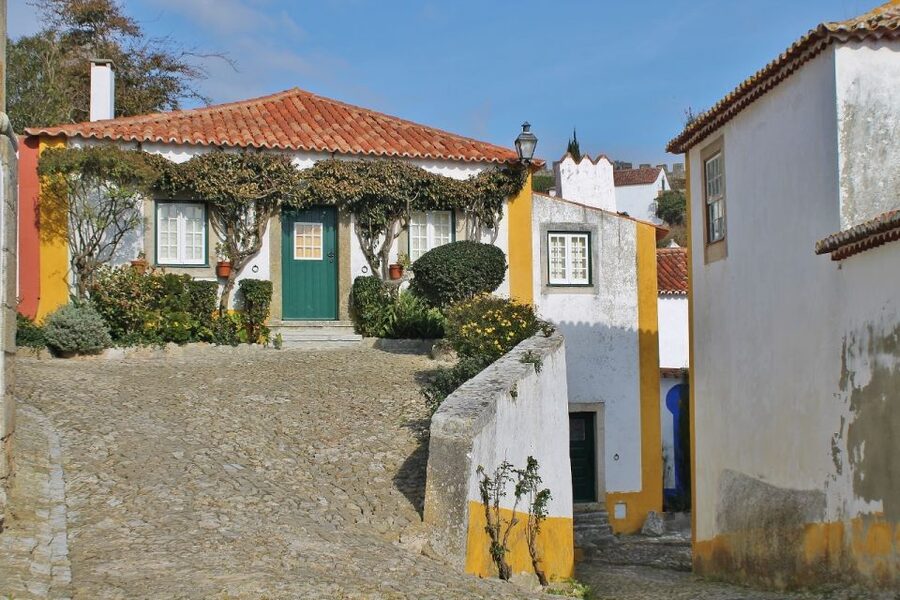
The guide is not just a driver. The experience includes live guiding in English, Spanish, Portuguese, or German, and the private group format gives you room to ask for more explanation at either stop.
Two guide names associated with this outing are Rod Rodriguez and John. Rod is described as charismatic and informed, while John is noted for careful driving, lively explanations, and useful local help, including a recommendation for a quick lunch at a local bakery. Your assigned guide may be someone else, but the service is designed to combine transport and interpretation rather than provide a simple transfer.
That distinction matters at Mafra. Without context, the building can become a list of large numbers. At Óbidos, a guide can point out how the town’s history fits around the walls, the castle, and the lanes you are walking.
A private guide also gives the day some protection against surprises. When Mafra was closed because of a public holiday, Rod redirected the outing to Queluz Palace and botanical gardens. That alternative is not guaranteed, and you should not book assuming it will happen, but it shows the practical value of having a person who can adjust the day instead of leaving you with a canceled stop.
Timing, transport, and lunch
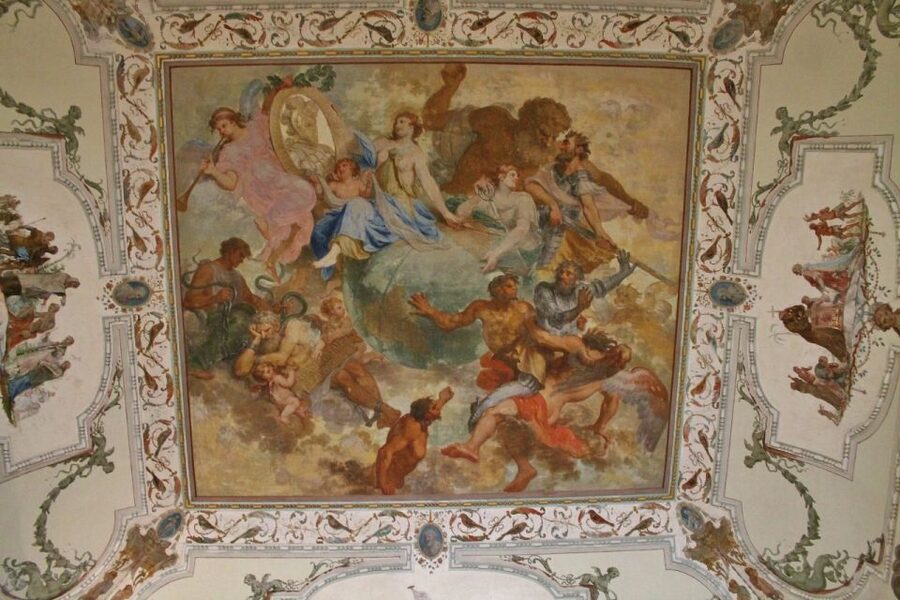
Pickup and return are included from a hotel or cruise port in Lisbon. That makes this especially useful on a port day or for a short Lisbon stay when you want to see more of the region without learning several transport connections.
The listed schedule gives two hours in Óbidos and one and a half hours at Mafra, with the remaining time used for driving and transitions. You should keep your day reasonably open around the six-hour window. Starting times vary, so check availability when you choose your date.
Lunch is not included. The supplied schedule does not name a fixed restaurant, which is actually helpful for a private tour. You can ask your guide for a quick local option, as one outing included a recommendation for a bakery with excellent food. Still, do not assume a meal stop is built into the tour. If you want a leisurely lunch, confirm how that will affect the two sightseeing stops.
Drinks are also not included. Bring water, sunscreen, and comfortable shoes. These are simple items, but they matter when part of your Óbidos visit takes place outside on stone streets and walls.
Closures and July changes
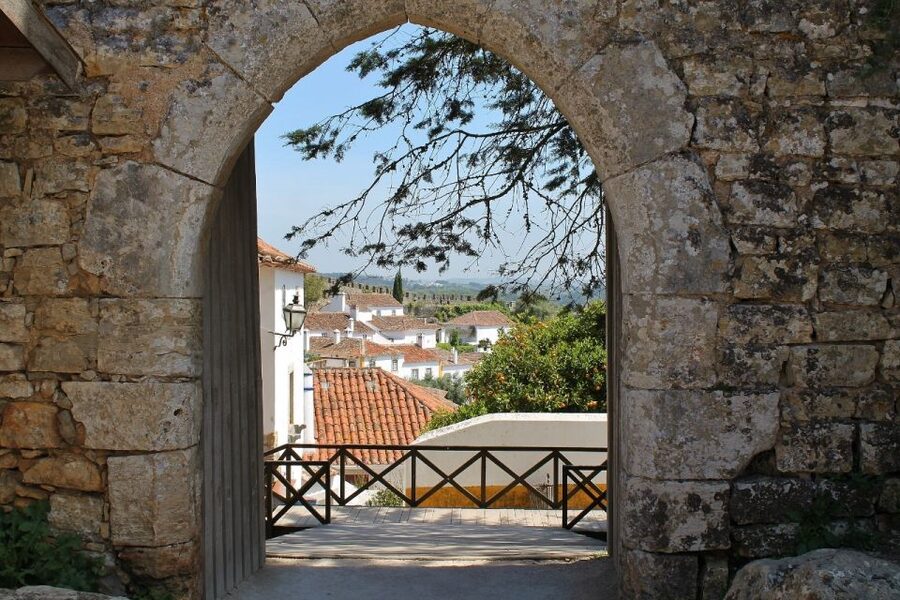
National monuments can close on public holidays or for special occasions without notice. Mafra is the most important concern because its entrance fee is included and the palace is central to the second half of the tour.
Check the Portuguese holiday calendar before booking, then confirm the operating status close to your date if the palace is a priority. The itinerary can be amended for weather or at your request, but a change is not the same as seeing Mafra. A replacement such as Queluz can make a good day, yet it should be treated as a backup rather than a promise.
July adds another decision. If you want the Medieval Market in Óbidos, verify the dates and separate entrance cost. The festival includes costumed performers, parades, stalls, jousting, and combat displays, but the extra ticket is not covered by the tour price.
Who will get the most from this tour
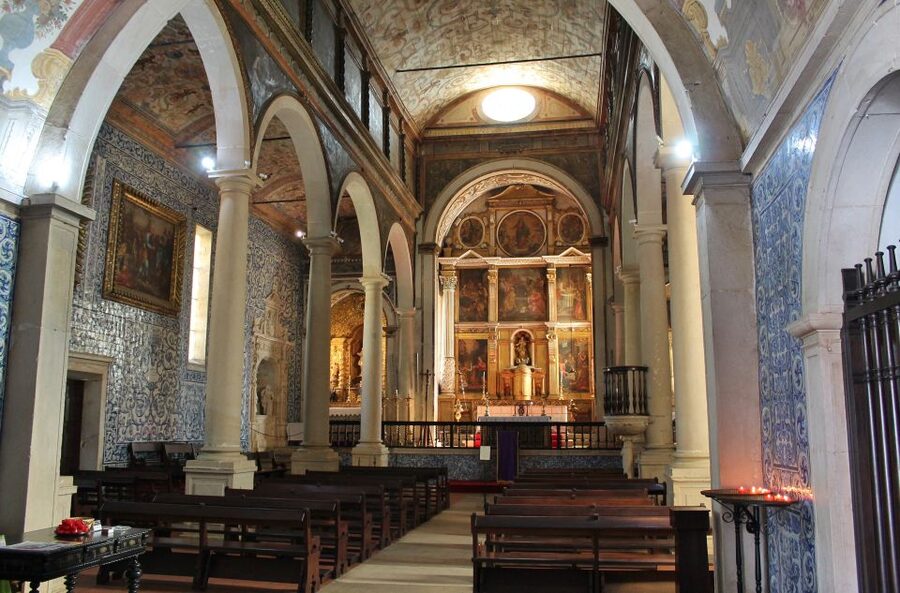
I would choose this tour for a couple wanting an easy private day outside Lisbon, especially if one person prefers history and architecture while the other enjoys attractive streets, shops, and local tasting stops.
It also suits cruise passengers and first-time Portugal visitors who want a guided introduction without committing to a long multi-day trip. Families may like the change of pace between Óbidos and Mafra, though the uneven walls and lengthy palace corridors may be tiring for young children.
Independent visitors who prefer hours of unstructured wandering may find the schedule too tight. You get about two hours in Óbidos and 90 minutes at Mafra, so you will see the main sights rather than explore at a slow pace. The private format helps, but the six-hour limit remains.
The tour is also less suitable if your only reason for booking is Mafra and you cannot tolerate the risk of a closure. In that case, check the palace schedule first and consider how you would feel about a substitute visit.
Should you book this Óbidos and Mafra day trip?
Book it if you want door-to-door ease, a private guide, and two very different historic sites in one half-day outing. The combination is the real strength: Óbidos gives you atmosphere and walking, while Mafra supplies architectural scale, royal ambition, and one remarkable library.
At $261 for up to two people, the value is strongest when you are sharing the vehicle and want guiding included. I would bring comfortable shoes, plan for a quick lunch rather than a long one, and confirm Mafra’s opening status before departure.
If that fits your travel style, this is a practical and memorable way to add central Portugal to a Lisbon stay.
FAQ
How long does the tour last?
The tour lasts six hours, including pickup from Lisbon, visits to Óbidos and Mafra National Palace, and the return to Lisbon.
Where can pickup and drop-off take place?
Pickup and drop-off are available from hotels or cruise ports in Lisbon.
Is this a private tour?
Yes. The tour is for a private group, with a listed price of $261 for up to two people.
What languages can the guide speak?
Live guiding is available in English, Spanish, Portuguese, and German.
How much time is spent in Óbidos?
The itinerary allows about two hours in Óbidos for a guided visit, walking, and free time.
How much time is spent at Mafra Palace?
The Mafra National Palace visit lasts about one and a half hours, including the guided tour and a photo stop.
Is the entrance fee to Mafra Palace included?
Yes. Entrance to the Mafra Palace complex is included. The separate entrance fee for the July Medieval Market in Óbidos is not included.
What happens if a national monument is closed?
National monuments may close on public holidays or for special occasions without notice. The itinerary can be changed because of closures or weather, and a past outing was redirected to Queluz Palace and its botanical gardens when Mafra was shut.
Just reviewed in Lisbon
- Lisbon: Morning of Equestrian Art with Lusitano Horses★ 4.4 · 87 reviews
- Lisbon: Entry Tickets to Mosteiro de São Vicente de Foram★ 4.6 · 50 reviews
- Lisbon: National Palace of Ajuda E-Ticket & City Audio Guide★ 4.1 · 87 reviews
- Lisbon: Early Morning TukTuk Tour – hotel/cruise ship pickup★ 4.9 · 45 reviews
- Sintra: Quinta da Regaleira e-Ticket & Sintra City Audios★ 4.1 · 12 reviews
- Lisbon E-Bike Tour TAGUS★ 5.0 · 3 reviews
- Lisbon: E-bike Trip from the Sintra Mountains to Cascais Sea★ 5.0 · 67 reviews
- Lisbon: Discover Belem by electric Tuk Tuk★ 4.9 · 86 reviews
Mafra Palace Tours, compared.
Óbidos historic village and Mafra Palace Private Tour
Read our review →
Mafra and Sintra: Choose 3 of 6 Palaces to visit on private tour
Read our review →
Visit to Queluz Palace and Mafra Convent – Private Tour
Read our review →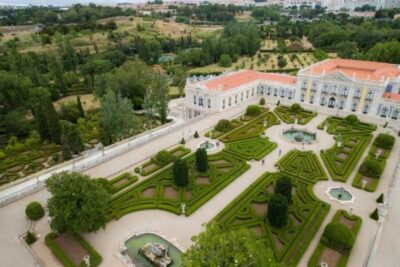
From Lisbon or Cascais: Mafra, Ericeira, and Queluz Day Tour
Read our review →
From Sintra, Mafra, or Ericeira: Hike and Wine Tour
Read our review →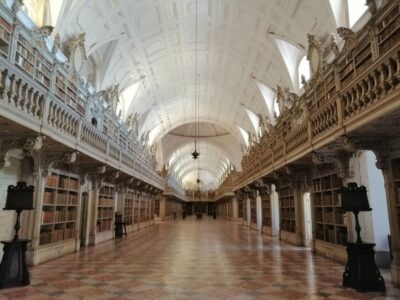
Mafra Palace and Ericeira – Heritage and the Portuguese Coast
Read our review →Browse the lists this tour appears in