Reviewed · PRIVATE
Private 7-day itinerary in Portugal
Portugal is a small country with a lot packed into it, and this private seven-day route covers an ambitious sweep from Lisbon to Porto and back. You move from Lisbon’s earthquake-planned streets to Sintra’s palaces, Coimbra’s university, Porto’s port lodges, the Douro Valley, and Évora’s Roman and medieval sights.
I like the private format, especially with guide Vitor Pais, who can adjust the pace and explain the story behind each place. I also like the mix of famous sights and local touches, from Pastéis de Belém and Sintra pastries to cork, regional wine, and a Douro railway station decorated with tile scenes.
The main consideration is the pace. Seven days is enough to sample much of Portugal, but several days involve long drives and multiple stops. Admission fees, lunches, hotels, and personal expenses are also separate, so the headline price is not the full trip cost.
Key points to know before booking
- Lisbon to Évora in one private route: The program links major cities, wine regions, religious sites, and smaller towns without requiring you to arrange several separate excursions.
- Vitor Pais leads the experience: His role combines driving, guiding, route planning, restaurant suggestions, and adjustments to your interests.
- Wine is a major theme: You visit Sandeman Cellars, Quinta do Tedo, and Ervideira Winery, with tastings included at the Douro and Alentejo wineries.
- The vehicle matters: Air conditioning, Wi-Fi, bottled water, and a private Mercedes-Benz van are particularly useful on long touring days.
- Several entrance fees are extra: Pena Palace, Coimbra University, Livraria Lello, Porto Cathedral, the Chapel of Bones, and other monuments may require separate payment.
- The route is best for a private family or friend group: You avoid a fixed public coach schedule, but you need to be comfortable with a full touring day and considerable road time.
A private Portugal route with an unusually wide reach

This is not a slow, single-city holiday. It is a country sampler designed to show you several sides of Portugal in one go. You see grand monuments, working wine areas, religious centers, university rooms, fishing towns, and old villages with whitewashed houses.
The private setup changes the feel of the trip. You are not waiting for a large group to board a bus, and your guide can spend more time on the subjects that interest you. The supplied details describe a driver-guide, Wi-Fi, water, and a Mercedes-Benz van, which makes a real difference when you are covering the distance between Lisbon, Porto, the Douro, and Évora.
Vitor Pais is the named guide. His approach, as described in the tour material, includes clear explanations before each stop, background on the places you visit, help with meal suggestions, and flexibility around family needs. That is useful in Portugal, where a short walk can take you from a major sight to a small café or pastry shop worth your time.
The route does require careful reading. The day labels and descriptions are not perfectly consistent: one section calls the program a five-day tour, and another says you return to Lisbon on day six before a day-seven trip to Évora. The listed stops clearly describe a seven-day experience, but confirm the overnight plan, starting city, and final drop-off before paying.
More 7-Day Experiences in Lisbon:
- 7 Days Private Tour In Portugal from Lisbon
★ 5.0 · 14 reviews - Private tour Portugal 7 days from Lisbon
★ 5.0 · 10 reviews - 7-Day Classic Trip in Portugal and Spain
★ 5.0 · 3 reviews
Lisbon: earthquake-planned streets, Alfama, and Belém
Your first day stays in Lisbon and gives you a sensible introduction to the capital. In Baixa, you see the orderly grid rebuilt after the 1755 earthquake. The straight streets and perpendicular blocks were part of a new approach to city planning, with Rua Augusta forming the main axis toward the river.
This is a good place to notice how different Lisbon feels from Alfama. Baixa is open, formal, and geometric. Alfama is narrow, steep, and irregular. Its maze of alleys grew from the old medieval and Islamic quarter, and its compact layout helped protect residents in earlier centuries.
Alfama is also tied to fado, Portugal’s most recognizable musical tradition. The tour does not list a fado performance, so do not assume an evening show is included. Still, your guide can help you understand why this neighborhood is so closely linked with saudade, the Portuguese sense of longing often expressed in fado.
Belém takes up a large part of the afternoon. The area connects Portugal’s maritime past with its grand Manueline architecture. You can see the Belém Tower, Jerónimos Monastery, the Monument to the Discoveries, and Praça do Império. The program allows two hours around the tower and nearby monuments, but entrance tickets are not included for the tower visit.
The stop at the Pastéis de Belém bakery adds a welcome everyday detail. These custard pastries are associated with the neighborhood, and the visit gives you a chance to pause after the monuments. The pastry stop itself is listed as free, but your food purchase is a personal expense.
Sintra, Cabo da Roca, Cascais, and Estoril
Day two heads west from Lisbon to Sintra, the former summer retreat of Portuguese royalty and aristocracy. The town center is pleasant for a short walk through narrow lanes, shops, and pastry counters. Look for the local travesseiros and queijadas, two specialties associated with Sintra and the Piriquita pastry shop.
The palace choice is one of the most important decisions on the trip. The guide may suggest among Pena Palace, Quinta da Regaleira, and the Castle of the Moors. You should discuss your preference in advance because each offers a different experience.
Pena Palace is the colorful Romantic-era palace associated with King Ferdinand II. Quinta da Regaleira is known for its ornate design and Masonic symbolism. The Castle of the Moors focuses on the region’s Islamic period and defensive walls. The schedule allows two hours for the palace area, and admission is not included.
Two hours is enough for a focused visit, not a leisurely exploration of several palaces. You should choose one main site rather than trying to rush through all three. Sintra’s roads and monuments can also make timing less predictable, so flexibility is helpful.
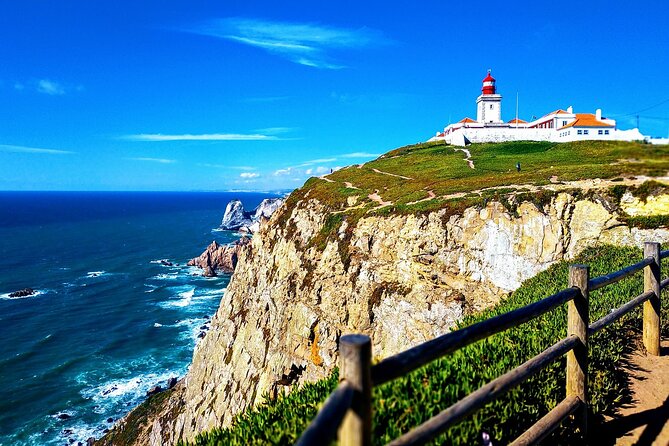
Cabo da Roca provides a sharp change of mood. This is the westernmost point of mainland Europe, within the Sintra-Cascais Natural Park. The coastal viewpoint is free, and the stop is mainly about the open Atlantic views and the famous poetic description of the place as where the land ends and the sea begins.
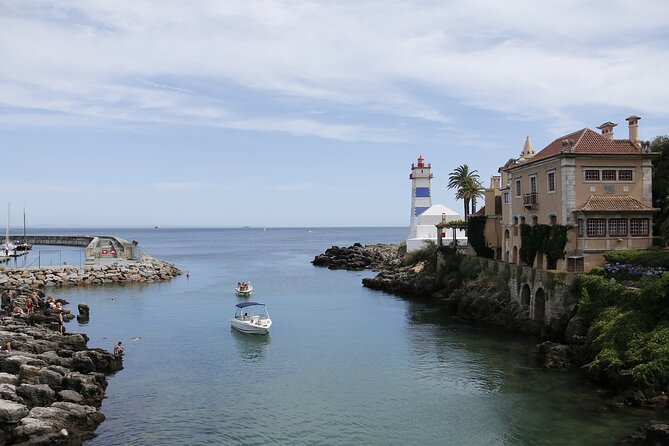
Cascais follows with a more relaxed hour. Once a fishing village, it became a fashionable seaside resort with a compact center and small beach. Estoril is included as an additional stop, known for its casino and its role as a refuge for royal families and aristocrats during the Second World War.
This day combines hills, palaces, coast, and resort towns. It is one of the most attractive days of the route, but also one of the busiest. Wear comfortable shoes and avoid planning a late evening activity in Lisbon.
Fátima and Coimbra: faith, scholarship, and a changing Portugal
The third day moves north to Fátima, one of Portugal’s most important Catholic pilgrimage centers. You can visit the Chapel of the Apparitions, where an early chapel was built after the reported apparitions, and attend Mass if you wish. The program also includes a quick visit to the homes associated with the shepherd children in Valinhos.
The Sanctuary includes the Basilica of Our Lady of the Rosary, built in a neo-Baroque style, and the much newer Basilica of the Holy Trinity. The latter is a vast modern building with more than 8,000 seats. The contrast between the two basilicas gives you a quick lesson in how the sanctuary has grown over time.
Fátima is a serious religious site, not simply a sightseeing stop. Dress and behave with that setting in mind, especially if you attend Mass or spend time near the Chapel of the Apparitions. Both the sanctuary and the Basilica of the Holy Trinity are listed without an admission charge.
Coimbra offers a different kind of institution: one of Europe’s oldest universities. The University of Coimbra visit is built around the Joanina Library, the Chapel of São Miguel, the Sala dos Capelos, and the Cabra Tower. The library, decorated in the eighteenth century, is the major draw, with painted ceilings, ornate woodwork, and a formal atmosphere.
The university entrance is not included, and the visit is scheduled for two hours. Check the access arrangements before the day, since historic rooms can have timed entry or controlled visiting periods. The university is also uphill, so expect steps and uneven surfaces.
Afterward, Coimbra’s center gives you a shorter, easier walk among cafés, sweet shops, restaurants, lanes, and small squares. The stop is only about 30 minutes, which means you will get an introduction rather than a full city visit. From Coimbra, the route continues to Porto, making this a long day.
More Private in Lisbon:
- True 4Hour Private Tuk Tuk Tour: Discover Lisbon with a Local!
★ 5.0 · 8,008 reviews - Lisbon: Private Guided Tuk-Tuk Tour with Hotel Pickup
★ 4.9 · 4,552 reviews - Private Lisbon Sightseeing Tuk-Tuk Tour: Alfama, Belém & More
★ 5.0 · 4,277 reviews - Lisbon Highlights: Private Tuk Tuk Tour Adventure Sightseeing
★ 5.0 · 3,284 reviews
Porto and Gaia: tilework, books, and port wine
Porto receives a full touring day. The route begins at Avenida dos Aliados, the grand central avenue framed by the city hall and used for public celebrations and demonstrations. From there, you visit the Bolhão Market and Rua de Santa Catarina area, where the city’s daily shopping life comes into view.
The market stop is short, only about 30 minutes. It is enough to look around, but not enough for a long food crawl or detailed shopping trip. Ask Vitor if you want time for a particular local food or market purchase.
Livraria Lello is the most famous interior on the list. Its carved staircase and decorative design attract both book lovers and visitors interested in the connection often made between the shop and Harry Potter. The tour information notes that J. K. Rowling lived in Porto while beginning work on the first Harry Potter book, but it does not claim that she directly designed or used the staircase.
Admission is extra, and the visit is planned for an hour. If the bookstore is a priority, confirm the ticket arrangement and expected entry time. The building is worth seeing for its architecture even if you are not a Harry Potter fan.
São Bento Station is free to enter and takes only 30 minutes. The main attraction is the huge collection of blue-and-white tiles by Jorge Colaço. Their scenes show events and daily life from Portugal’s past, making the station more than a place to catch a train.
Porto Cathedral adds Romanesque and Gothic structure, later changes, a medieval rose window, and a tiled side gallery linked with Nicolau Nasoni. Admission is not included. Porto’s steep streets and stone paving make good walking shoes essential.
The day ends in Vila Nova de Gaia at Sandeman Cellars. Here you learn how port wine is aged and taste the finished product. This is one of the stronger inclusions because the cellar visit and tasting are included, and the experience links Porto’s riverfront with the Douro Valley that you visit the next day.
Amarante and the Douro Valley wine country
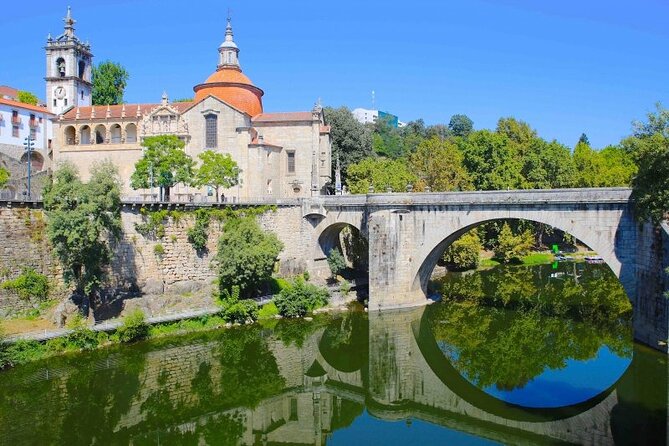
Day five moves into northern Portugal’s wine country. Amarante provides a smaller-town pause, with old buildings around the São Gonçalo church and bridge. The local sweets are a curious detail, especially the cakes shaped in a way that often produces a laugh among visitors.
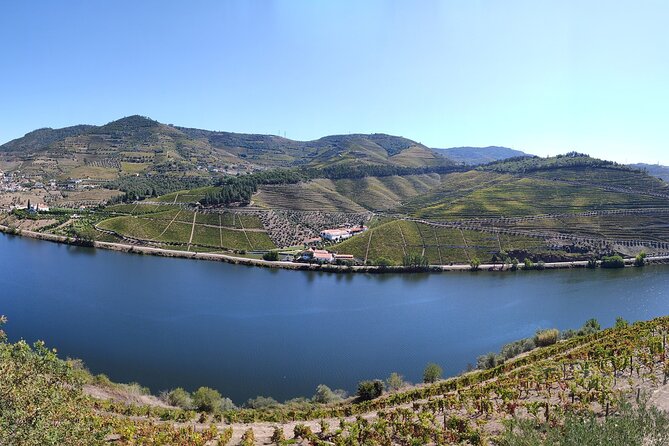
Pinhão Railway Station is a short stop, but do not dismiss it. Its tiles show grape harvesting, foot treading, and rabelo boats carrying wine toward Porto and Gaia. You get a visual explanation of the Douro wine trade without entering a museum.
The main wine visit is at Quinta do Tedo. The tour includes a cellar visit, an explanation of grape varieties and production methods, and tastings. The Douro is described as the world’s oldest officially demarcated wine region, so this stop adds useful context to the port tasting in Gaia.
The viewpoint near Ervedosa do Douro is set aside for photographs. The schedule allows 30 minutes, which should be enough for a short look and pictures, but not an extended walk. The route through the valley is scenic, yet the roads and distances make this another full day.
Wine lovers will find this section especially worthwhile. If you do not drink alcohol, ask about how the tastings can be handled, since no alternative arrangement is specified. The experience includes the winery visit and tasting, but lunch remains your responsibility.
Aveiro, Nazaré, and Óbidos on the return south
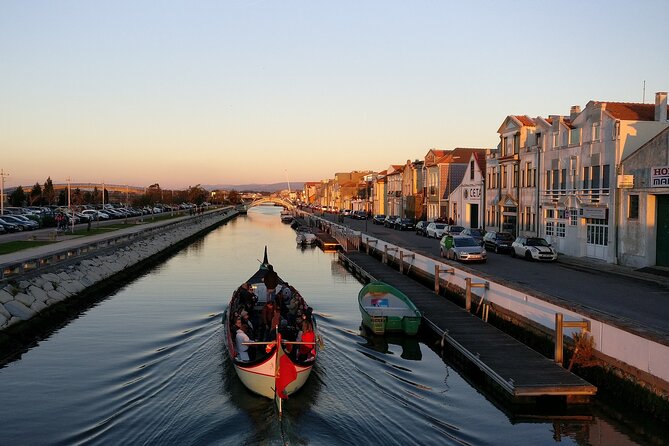
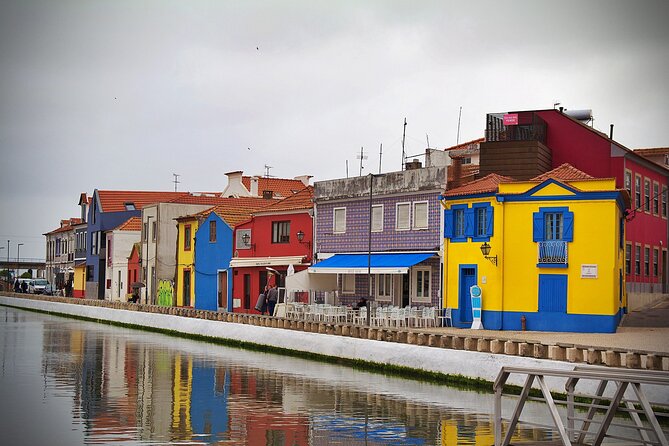
The next listed day returns toward Lisbon through three very different places. Aveiro is associated with canals and moliceiro boats, traditionally linked with seaweed gathering and salt production. A boat trip is suggested, but the provided inclusions do not say that the boat fare is included, so confirm before boarding.
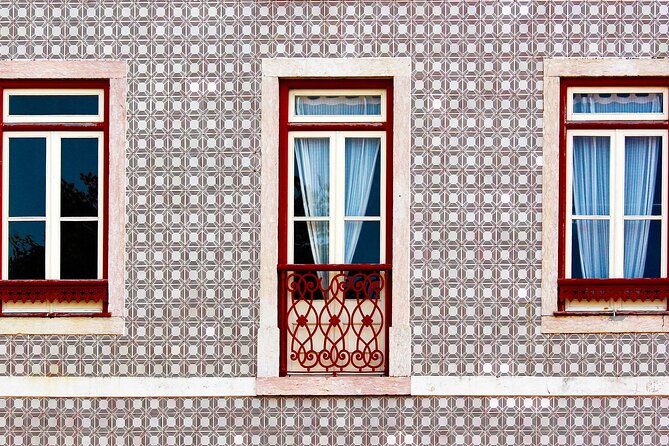
The city also has Art Nouveau buildings and a railway station known for its tilework. The station and market visit are brief, giving you a quick look rather than a full exploration. Aveiro is a good place to ask about regional sweets and local food, though lunch is not part of the package.
Nazaré brings you to the Atlantic coast. Its churches, traditional houses, fishing culture, and famous women’s seven-skirt clothing traditions give the town a strong local identity. The Nazaré Canyon also produces enormous waves, making the town famous among surf fans.
The timing here is two hours, which gives you space for a viewpoint, a walk, and perhaps a meal if you arrange it with your guide. Ocean conditions vary, so do not book this day solely for a guaranteed sight of giant waves.
Óbidos is the most storybook-like stop on this day, with white houses, narrow lanes, old walls, and traditional shops. Its connection with Portugal’s queens adds historical interest, while the compact center is easy to explore on foot. The village is free to enter, but food, shopping, and any optional attractions cost extra.
Évora, the Chapel of Bones, wine, and cork
The final day visits Évora, a major city in Portugal’s Alentejo region. The old center includes the Roman Temple of Diana, Évora Cathedral, aristocratic houses, and sections of the sixteenth-century Água da Prata aqueduct.
The Chapel of Bones is inside the Church of São Francisco and is lined with the bones and skulls of hundreds of monks. Its message about mortality is direct and unsettling. Admission is not included, and some people will find the chapel fascinating while others may prefer to spend more time in Évora’s streets and squares.
Ervideira Winery adds another tasting to the trip. The visit includes five wines with regional products, making it one of the clearest value points in the program. Alentejo wines range from smooth whites to full-bodied reds, and the winery visit helps explain how grapes are grown in a hot, dry part of Portugal.
The cork stop gives the day a useful local-industry angle. Portugal produces a large share of the world’s cork, which is harvested from cork oak bark without cutting down the tree. You learn why cork works well for wine stoppers and why it is also used in flooring, wall coverings, sporting goods, and decorative products.
Price, inclusions, and the real value
The listed price is $2,129.27 per person. That amount buys a private seven-day touring service, an air-conditioned vehicle, Wi-Fi, mineral water, a driver-guide, and personal accident insurance. It also covers the two named winery experiences and the Sandeman cellar visit with tasting.
The value depends heavily on group size. For a family or group of friends, a private vehicle and guide can be more practical than buying several separate day trips. The flexible format also lets you shape explanations and stop choices around your interests.
The price does not include hotels, lunches, personal purchases, or most monument admission. Tickets may be needed for the Belém Tower, Sintra palace, Coimbra University, Livraria Lello, Porto Cathedral, and the Chapel of Bones. Add those costs before comparing this tour with a package that includes entrance fees.
Pickup is available from another agreed location, with a 9:00 a.m. start. Most people can participate, and the tour is near public transportation, but the private vehicle is the main way the route works. Confirm the exact pickup point and overnight schedule before booking.
Who should book this Portugal itinerary?
Book it if you want one guide, one vehicle, and a broad look at Portugal without arranging every transfer yourself. It suits families, couples, and small private groups that value explanations, local food suggestions, wine, and the freedom to adjust the day.
It is less suitable if you want long, unhurried visits in each city. The schedule covers a lot, and the Lisbon to Porto and Douro sections require patience with road time. You should also be comfortable paying extra for hotels, meals, and entrance tickets.
The strongest reasons to choose it are Vitor Pais, the private format, the comfortable vehicle, and the range of experiences. The strongest reasons to hesitate are the packed schedule, unclear overnight details, and separate admission costs. Ask those questions first, then book if seeing many parts of Portugal matters more to you than staying in one region.
FAQ
How long is the Portugal experience?
The advertised duration is approximately seven days.
Where does the tour start?
The listed location is Lisbon, with a 9:00 a.m. start. Pickup from another location may be arranged by agreement in advance.
Is the tour private?
Yes. Only your group participates in the activity.
Who is the guide?
The experience is provided by Portugal Expert and led by Vitor Pais.
What transportation is provided?
An air-conditioned vehicle is provided. The tour information also lists Wi-Fi and mineral water on board.
Are hotels included?
No. Hotels are not included in the listed price.
Are meals included?
No. Lunch is not included, and personal food purchases are your responsibility.
Are attraction admission fees included?
Only some experiences are included. Sandeman Cellars, Quinta do Tedo, and Ervideira Winery are listed with admission included. Other sites, including Sintra palaces, Coimbra University, Livraria Lello, Porto Cathedral, and the Chapel of Bones, list admission as not included.
Are wine tastings included?
Yes. The program includes tasting at Sandeman Cellars, Quinta do Tedo, and Ervideira Winery. The Ervideira visit includes five wines with regional products.
What is the cancellation policy?
A full refund is available when you cancel at least six full days before the start time. Cancellation two to six full days before the experience may receive a 50 percent refund. Cancellations less than two full days before the start time are not refunded.
Just reviewed in Lisbon
- Private tour Lisbon – full day★ 5.0 · 8 reviews
- Private Tour: Portuguese Food and Wine Tour★ 5.0 · 33 reviews
- Lisbon Football Experience – Private stadium and Museum Tour★ 4.0 · 10 reviews
- Lisbon and Sintra Essence 8H – Private Tour★ 5.0 · 5 reviews
- Private Tour: Lisbon Sunset Walking Tour with Fado Show and Dinner★ 5.0 · 30 reviews
- Private Catamaran Tour: Lisbon coast cruise with barbecue and drinks★ 5.0 · 20 reviews
- Lisbon: Helicopter Tour over Cascais & Cabo da Roca★ 5.0 · 4 reviews
- Private Tour Fátima – Nazaré – Batalha – Óbidos★ 5.0 · 6 reviews
Private, compared.
True 4Hour Private Tuk Tuk Tour: Discover Lisbon with a Local!
Read our review →

Private Lisbon Sightseeing Tuk-Tuk Tour: Alfama, Belém & More
Read our review →
Lisbon Highlights: Private Tuk Tuk Tour Adventure Sightseeing
Read our review →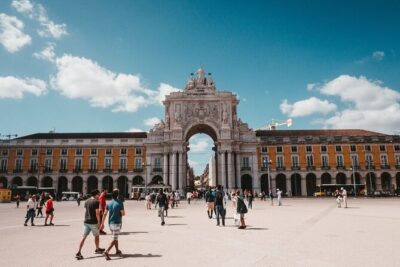
Welcome Lisbon Tour with Local Guide in Private Eco Tuk Tuk
Read our review →
Sintra Full-Day Private Tour – A Journey through Wonderland
Read our review →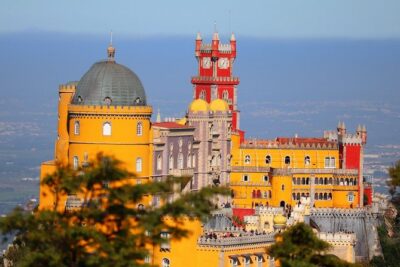
Sintra Private Trip from Lisbon Customizable Dreamlike Experience
Read our review →