
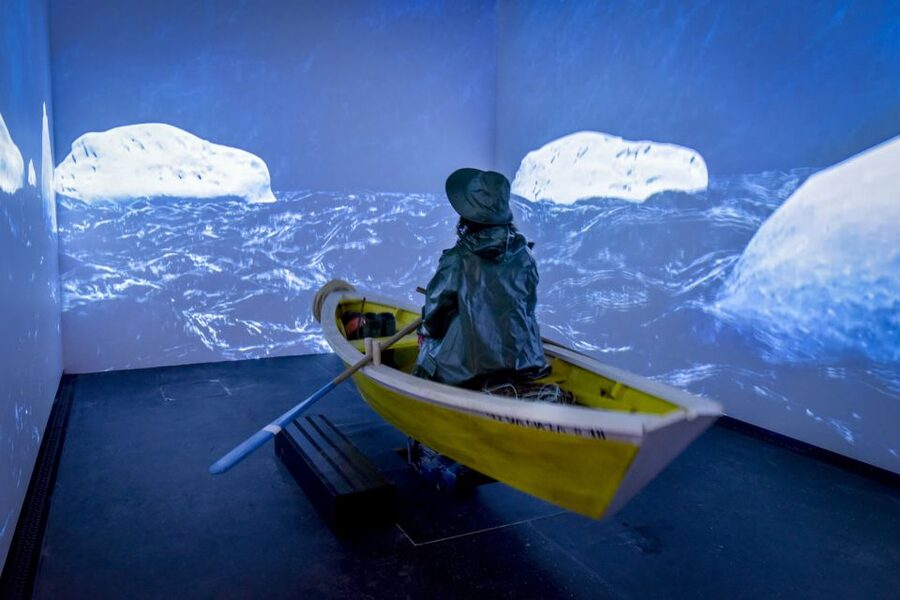
Reviewed · TICKETS
Lisbon: Entry Ticket for the History of Cod Visitor Center
Portugal’s beloved bacalhau is more than salted fish on a dinner plate. At the History of Cod Visitor Center, you follow its path from distant fishing grounds to Portuguese kitchens, with stories tied to sailors, fishermen, food, and national identity. I like the waterfront setting and the freedom to move through the exhibition at your own pace.
I also like the very low price, which makes this an easy add-on near Lisbon’s historic center, and the focus on Greenland and Newfoundland gives the museum a wider story than a simple food display. The catch is size: this is a small exhibition, so anyone expecting a large museum may find the visit too brief.
Key points
- Cod shaped Portuguese food and culture: Learn why bacalhau became known as the faithful friend at the table.
- The fishing story reaches far beyond Portugal: Follow Portuguese sailors to Greenland and Newfoundland.
- A self-guided visit keeps things flexible: You can read, watch, and move along without joining a tour group.
- The waterfront location is convenient: Enter at the Centro Interpretativo Da História Do Bacalhau in Lisbon’s historic center.
- Small group entry limits crowding: Each timeslot allows up to four people, with four minutes between slots.
- The visit looks toward the future: See information about fishing methods, consumption, and new ways to prepare cod.
Why cod deserves its own museum in Lisbon
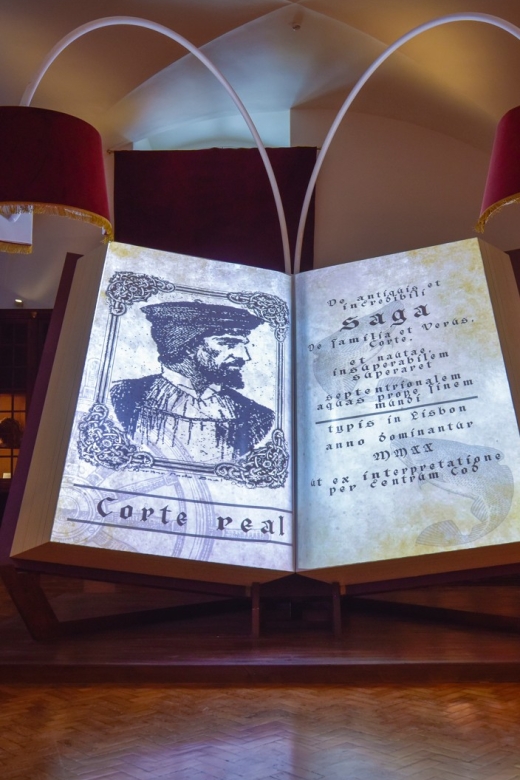
Ask for a classic Portuguese dish and bacalhau will soon enter the conversation. Cod is not native to Portuguese waters in the way its place at the table might suggest. Its importance grew from long fishing voyages, preservation methods, trade, and a cooking tradition passed through families.
The museum uses cod as a way into Portugal’s past. You are not simply looking at a fish. You are tracing the work of sailors who traveled far north, the risks taken by fishermen, and the habits that brought a distant catch into everyday meals.
That gives the visit a useful sense of scale. A plate of cod can feel simple. The story behind it is not. Salted cod could be kept for long periods, which helped make it valuable in Portuguese cooking. The exhibition connects that practical fact with the emotional place bacalhau holds in family meals and national culture.
I find this sort of museum especially helpful early in a Lisbon visit. It gives you context before you encounter cod on restaurant menus, in markets, or at a traditional meal. After the visit, bacalhau feels less like a menu item and more like a food shaped by geography, labor, religion, trade, and memory.
More Historical Tours in Lisbon:
- Lisbon: History, Stories and Lifestyle Walking Tour
★ 4.8 · 10,902 reviews - Lisbon: Live Fado Show with Port Wine in Historic Center
★ 4.7 · 4,166 reviews - Lisbon: Fado Show with Wine in a Historic Venue
★ 4.8 · 1,294 reviews
Entering at the Lisbon waterfront
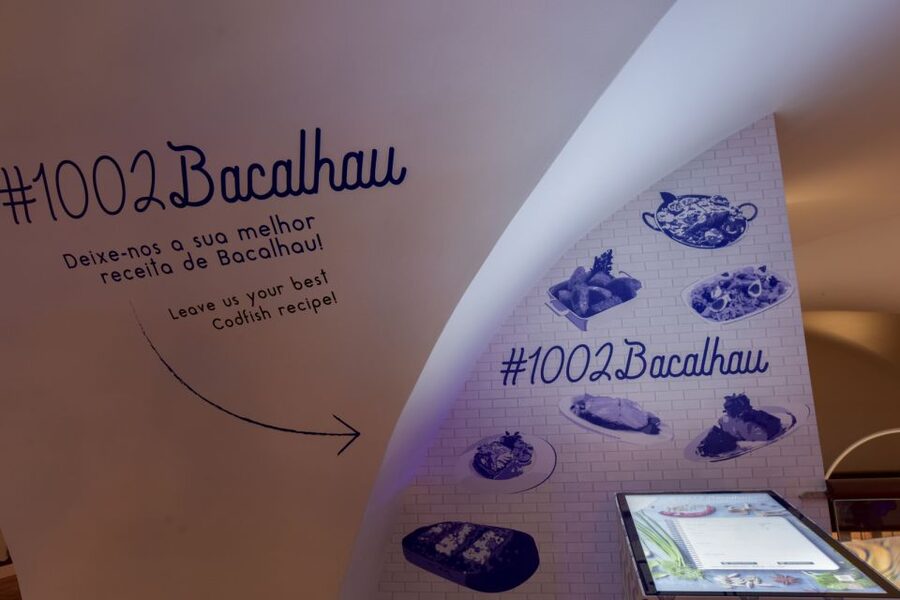
The Centro Interpretativo Da História Do Bacalhau sits in Lisbon’s historic city center near the waterfront. You enter directly at the visitor center, so there is no complicated transfer, meeting point outside the city, or bus ride to organize.
The location works well as part of a walking day. The museum is near many of Lisbon’s main attractions, so you can fit it between other stops rather than set aside a full day for the museum itself. The ticket is valid for one day, but the actual length of your visit depends on how carefully you read and how much time you give the displays.
The booking system uses timed entry. A maximum of four people can enter during each timeslot, and there is a four-minute interval between slots. That detail matters if you are traveling with a larger family or group. You may need to reserve separate times, and it is worth checking availability before you arrive.
The small entry groups should also make the exhibition easier to follow. You are less likely to be squeezed into a large tour party, though the limited capacity means you should not assume you can simply arrive at any moment and walk in.
Following Portuguese sailors to Greenland and Newfoundland
The strongest historical section is the account of Portuguese sailors traveling as far as Greenland and Newfoundland to fish for cod. These journeys show how far people were willing to go for a catch that eventually became a familiar staple at home.
I like this part because it places the food in a real human setting. The cod on your plate represents more than a recipe. It points to sailors at sea, fishermen working far from Portugal, and families waiting for food brought back from distant waters.
The exhibition follows the history of cod fishing, with particular attention to Portuguese sailors. You can expect the story to move from the fishing grounds to the cultural meaning of the fish in Portugal. The center is designed for independent exploration, so you set your own pace instead of following a guide’s fixed speech.
That flexibility suits different kinds of visitors. If you already know Portuguese food well, you can focus on fishing and maritime history. If you are new to bacalhau, you can spend more time with the basic story of how cod became part of daily life.
The museum’s scale is important here. This is not a large maritime museum with room after room of objects. It is a focused exhibition built around one subject. I would plan it as a short cultural stop, not as the main museum outing of your Lisbon trip.
Understanding the faithful friend at the table
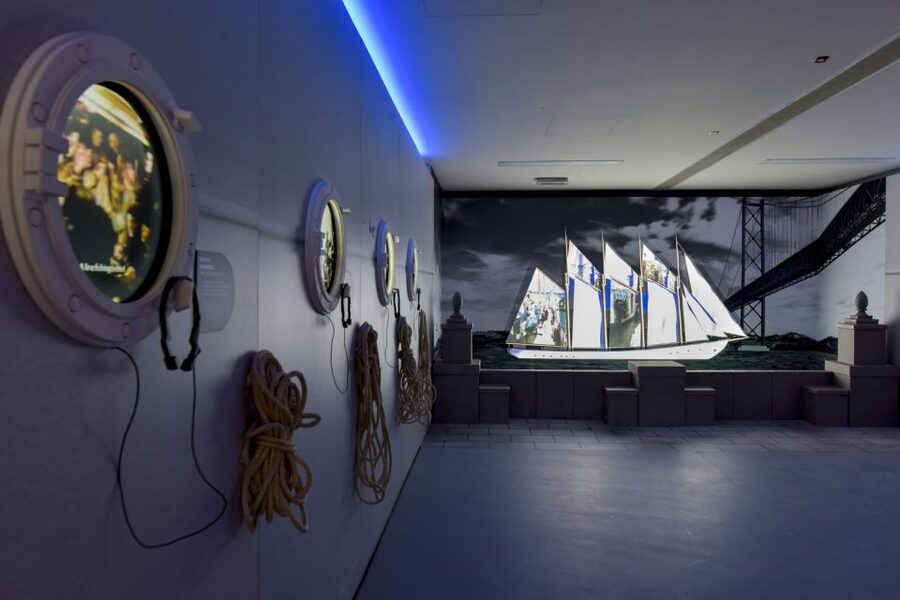
One of the exhibition’s central ideas is the old image of cod as the faithful friend at the table. The phrase explains the close relationship between bacalhau and Portuguese home cooking.
You will learn how that idea developed and why cod became such a dependable presence in meals. The story is not only about taste. It is also about preservation, availability, and the way recipes pass from one generation to another.
The museum brings in stories from sailors and fishermen, along with the customs built around cod. These personal and family connections help keep the exhibition from becoming only a list of fishing dates. You get a sense of how a maritime trade became part of ordinary domestic life.
For food-focused visitors, this is the part that can change how you look at Portuguese cuisine. I like exhibitions that make a familiar dish more legible. Afterward, you can better understand why bacalhau appears so often and why Portuguese cooking treats it with such care.
The center also looks at new recipes for preparing cod. That is a useful touch because it connects tradition with present-day cooking. The subject is not frozen in the past. Cod remains part of Portuguese food, but cooks continue to find new ways to use it.
More Tickets in Lisbon:
- Sintra: Pena Palace and Park Entrance Ticket
★ 4.2 · 17,410 reviews - Lisbon: Jerónimos Monastery Entrance Ticket
★ 4.1 · 14,164 reviews - Lisbon: Oceanário de Lisboa Entrance Ticket
★ 4.6 · 9,943 reviews - Quinta da Regaleira Skip-the-Ticket-Line Entry & Audioguide
★ 4.2 · 3,316 reviews
Fishing methods, consumption, and the future of bacalhau
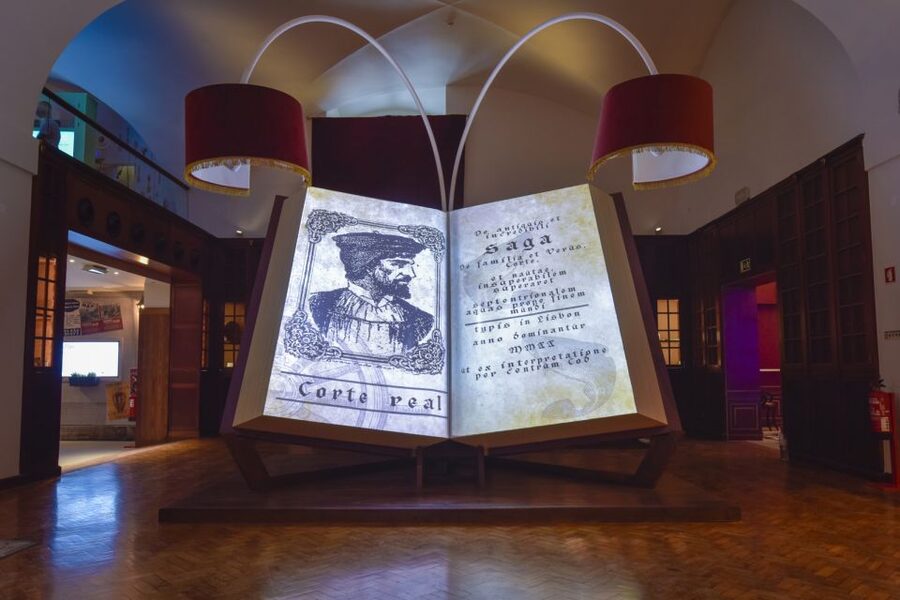
The exhibition also asks what comes next for cod. You can learn about how the fish is caught, how it is consumed, and the future of the species and the food tradition around it.
The supplied information does not specify every display or technical detail, so I would keep expectations sensible. You should expect an introductory cultural exhibition rather than a specialist scientific course. Still, the inclusion of fishing methods and future consumption gives the visit a useful modern angle.
This matters because a food tradition can create questions as well as recipes. How is cod fished? How much is consumed? How can people keep enjoying a beloved food while thinking about its future? The center gives you a starting point for those questions without requiring a full day of study.
I appreciate that balance. The museum honors the old stories of Portuguese fishermen while also looking ahead. That makes the visit more relevant than a purely nostalgic display.
What the self-guided format feels like
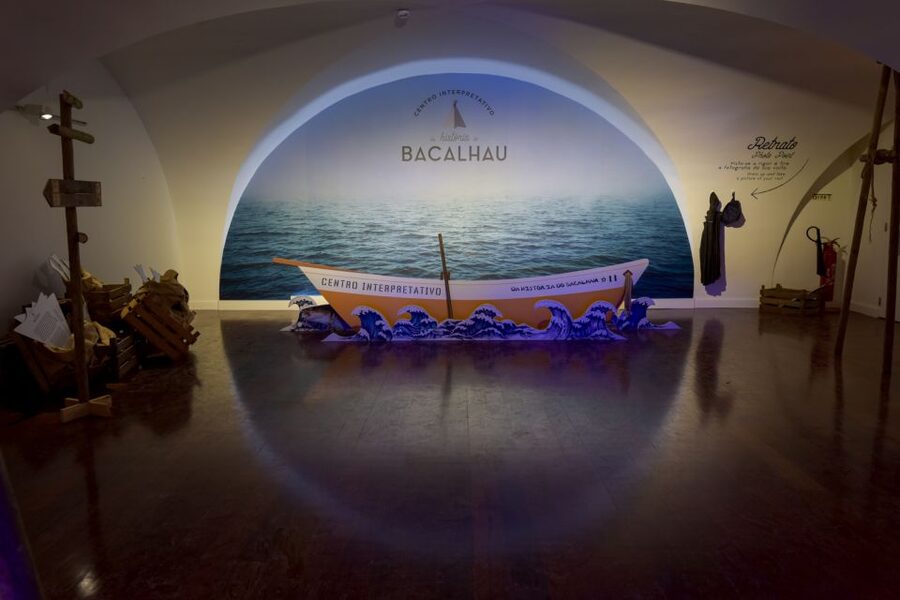
There is no guided tour included. You receive entry and explore the exhibition independently. A host or greeter may be available in English or Portuguese, but no individual guide is named for this experience.
For me, the self-guided format is a good match for a small museum. You can stop at the sections that interest you, move faster through familiar material, and spend longer with the parts that connect to your own food or family background.
It also keeps the visit simple for mixed groups. One person can focus on fishing history, another can pay attention to recipes, and children can move through the displays at a manageable pace. You are not tied to a speech or a fixed departure time.
The tradeoff is that you need to create your own rhythm. If you prefer a guide to explain every object and answer questions as you go, this ticket may feel thin. The English and Portuguese language options help, but they do not turn the visit into a private tour.
Because each slot allows only four people, the experience should feel relatively controlled. At the same time, the four-minute gap between slots suggests that the center manages entry carefully. Check your selected time and arrive ready to enter at the visitor center.
Is the $4.72 ticket good value?
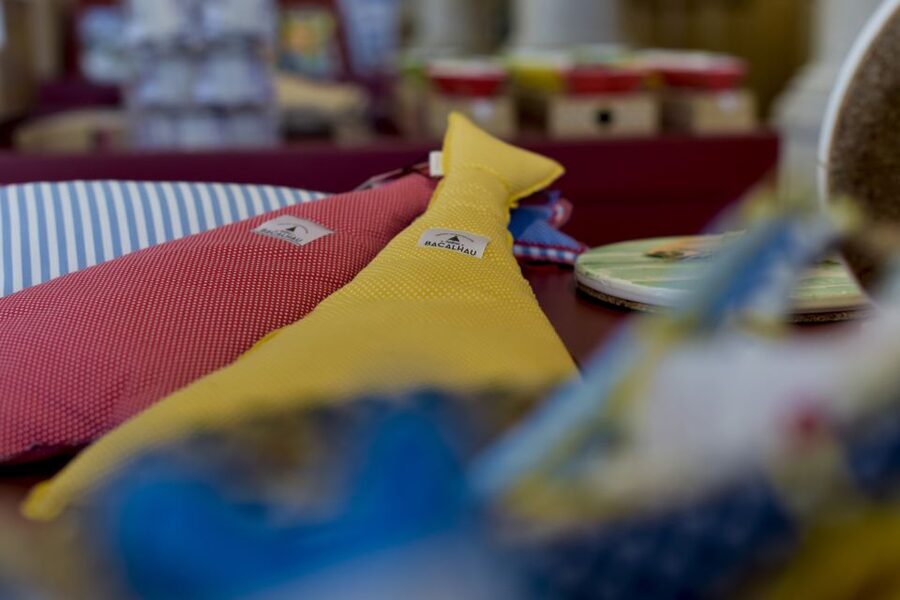
At $4.72 per person, this is one of the easier cultural purchases to justify in Lisbon. The price is low enough that you do not need the museum to fill half a day. If the subject interests you, a short visit can still feel worthwhile.
The value depends on your expectations. One published rating called the museum small but worthwhile for the low price. That is the right way to approach it. You are paying for a focused introduction to cod, not a huge collection or a full guided experience.
The current score is 4.1 from six ratings. The spread is useful: one rating described the museum as educational, another praised the experience while noting its small size, and one found very little to see or do. Taken together, the message is clear. People who arrive curious about Portuguese food and culture are more likely to enjoy it than people seeking a large attraction with many activities.
I would book it when you are already planning to be near the waterfront. The low cost removes much of the financial risk, and the central location makes it easy to pair with other sightseeing. I would hesitate only if your schedule is packed or if you have no interest in food, fishing, or Portuguese history.
The reserve-now-and-pay-later option adds flexibility, and cancellation is free up to 24 hours before the visit for a full refund. Those terms are useful when your Lisbon plans are still changing, but the main value remains the price and the focused subject.
Who will enjoy this stop most
This experience suits food lovers who want more context before ordering bacalhau. It also works for visitors interested in Portugal’s maritime past, traditional cooking, or the daily lives of fishermen and sailors.
Families may appreciate the short, independent format, though the information provided does not specify children’s activities. You should treat it as a museum visit rather than an entertainment attraction.
It is also a good choice for repeat visitors. If you have already seen Lisbon’s major landmarks, a food and culture stop can add a different layer to the city. You may find the stories more memorable because cod is something you can still encounter after leaving the museum.
First-time visitors can use it as a compact introduction to Portuguese culture. Just leave room in your expectations. The exhibition is small, and the visit may be brief.
Practical advice before you reserve
Book a timeslot if you know your sightseeing route. With only four people allowed per slot, popular periods may not offer much wiggle room.
Enter at the Centro Interpretativo Da História Do Bacalhau. The visitor center is in Lisbon’s historic center by the waterfront, near many other attractions, so check your walking plan before selecting a time.
Choose the language that works best for you. English and Portuguese are available, and the format is self-guided rather than a hosted tour with a named guide.
Give yourself enough time to read the sections on fishing voyages, the faithful friend at the table, fishing methods, consumption, and new recipes. You do not need a full day, but rushing through will reduce the value of the stop.
Finally, think of the museum as a focused cultural supplement. It will not replace a larger maritime museum or a food tour, but it can explain why bacalhau carries such weight in Portugal.
Should you book the History of Cod Visitor Center?
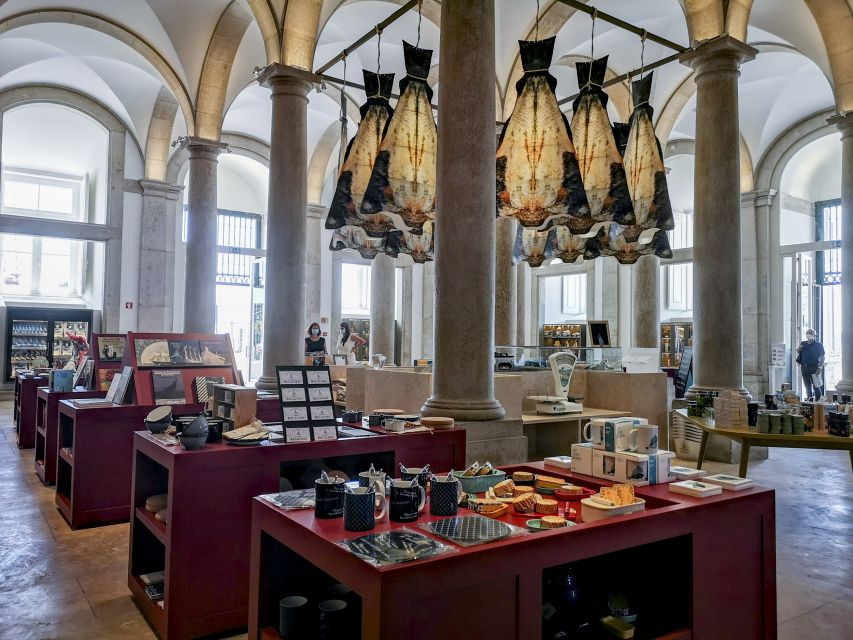
I would book this ticket if you like Portuguese food, small museums, or stories about ordinary life shaped by the sea. The Greenland and Newfoundland connection gives the exhibition a strong historical thread, while the recipes and future of cod keep it tied to the present.
I would skip it if you want a large museum, a guided presentation, or many interactive activities. The exhibition is compact, and one published rating found it underwhelming. At $4.72, though, the risk is modest, especially if you are already visiting the waterfront.
For the right visitor, this is a smart short stop: inexpensive, central, easy to fit into a walking day, and useful for understanding the dish you will see all over Portugal.
FAQ
Where is the History of Cod Visitor Center?
It is located in Lisbon’s historic city center on the waterfront. Enter at the Centro Interpretativo Da História Do Bacalhau.
What does the ticket include?
The ticket includes entry to the History of Cod Visitor Center exhibition.
Is a guided tour included?
No. The ticket provides entry for an independent, self-guided visit.
What languages are available?
English and Portuguese are available for the experience.
How long is the ticket valid?
The ticket is valid for one day. You should check availability for the available starting times.
How many people can enter each timeslot?
A maximum of four people can enter the exhibition per timeslot.
Are there gaps between entry times?
Yes. There is a four-minute interval between timeslots.
Can I cancel the booking?
Yes. You can cancel up to 24 hours in advance for a full refund.
Can I reserve now and pay later?
Yes. The reserve-now-and-pay-later option lets you book your spot without paying immediately.
Just reviewed in Lisbon
- Private tour Lisbon – full day★ 5.0 · 8 reviews
- Private Tour: Portuguese Food and Wine Tour★ 5.0 · 33 reviews
- Lisbon Football Experience – Private stadium and Museum Tour★ 4.0 · 10 reviews
- Lisbon and Sintra Essence 8H – Private Tour★ 5.0 · 5 reviews
- Private Tour: Lisbon Sunset Walking Tour with Fado Show and Dinner★ 5.0 · 30 reviews
- Private Catamaran Tour: Lisbon coast cruise with barbecue and drinks★ 5.0 · 20 reviews
- Lisbon: Helicopter Tour over Cascais & Cabo da Roca★ 5.0 · 4 reviews
- Private Tour Fátima, Nazaré, and Óbidos Day Trip from Lisbon★ 5.0 · 25 reviews
Tickets, compared.




Quinta da Regaleira Skip-the-Ticket-Line Entry & Audioguide
Read our review →
Luz Stadium Tour & SL Benfica Museum Ticket w/Scarf
Read our review →
Sintra & Cascais Small Group Tour with Tickets
Read our review →

72/96-Hour Hop-On Hop-Off Bus, Tram & Boat Ticket
Read our review →Browse the lists this tour appears in