
Reviewed · ALFAMA AND OLD TOWN TOURS
Hidden Flavors of the Hillside: Mouraria & Graça
Lisbon’s best food stories often unfold away from the grand avenues. This small-group walk through Mouraria and Graça links ordinary cafés, tascas, neighborhood history, and hillside views into one long afternoon of eating and walking. Guides such as Laura, Kika, and Gisela bring different local voices to the route, with food always tied to place.
I like two things right away: the group is capped at seven people, and the tastings are not treated as random snacks. The food comes with stories about Portuguese life, tasca culture, migration, and the neighborhoods themselves. I also like that the route finishes high above Lisbon at Miradouro da Graça, giving the afternoon a fine visual payoff.
The main consideration is the physical side. Mouraria and Graça are hilly, and the tour asks for a moderate level of fitness. At $150 per person, this is not a cheap lunch, so it makes the most sense if you want a full food-and-history experience rather than a quick tasting circuit.
Key points to know before booking
- Four stops connect food with place: Begin near Igreja Paroquial de São Cristóvão e São Lourenço, pause at Jardim da Cerca da Graça, explore Praça Martim Moniz, and finish at Miradouro da Graça.
- The food goes beyond one style: Expect a mix of everyday comfort food, traditional tascas, restaurants, cervejaria fare, wine, and modern Portuguese cooking.
- The guides shape the experience: Laura, Kika, and Gisela are praised for warm hosting, local insight, and strong storytelling.
- You get a small-group feel: The maximum is seven people, useful when entering compact neighborhood eateries and sharing conversation.
- Plan for a real meal, not a nibble: The tastings can add up to lunch, dinner, and snacks over the course of the afternoon.
- The route ends with a view: Miradouro da Graça offers one of Lisbon’s memorable lookout points, but you must be comfortable walking uphill to reach it.
Why Mouraria and Graça make such a good food route
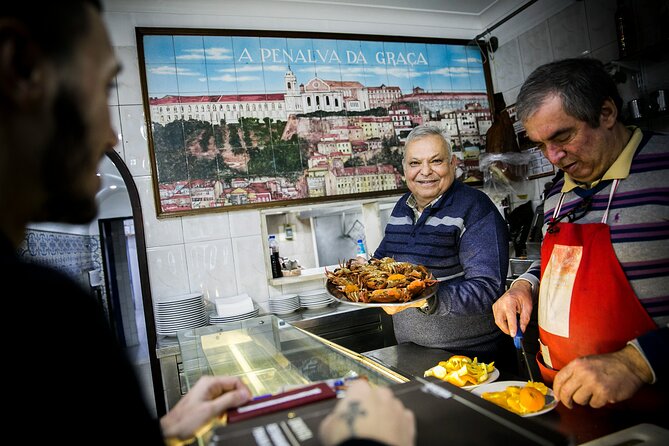
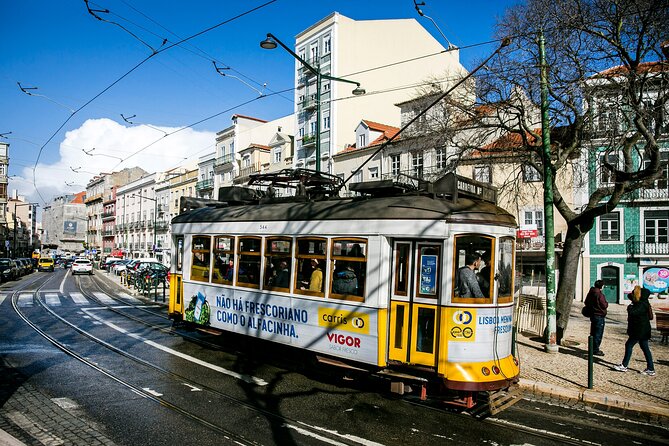
Mouraria and Graça give you a different picture of Lisbon than the polished streets around Baixa. These hillside neighborhoods are closely tied to working life, local cafés, small restaurants, and the social culture of eating out. Food here is not just something placed on a plate for sightseeing. It is part of how people meet, work, celebrate, and keep neighborhood traditions going.
That makes this tour useful early in a Lisbon visit. You are not simply shown a list of dishes. You are given a way to read the city through its food. A traditional tasca can tell you something about inexpensive everyday meals. A cervejaria points toward another side of Portuguese dining culture. A newer tasca shows how local cooking continues to change without losing its connection to the neighborhood.
I especially like the balance between old and new. The route can move from familiar comfort food to modern combinations, so you are not locked into a single idea of Portuguese cuisine. The experience also gives you confidence to enter the small cafés and tascas you might otherwise pass by, unsure of the customs or what to order.
More Alfama and Old Town Tours:
- Alfama Tour in Lisbon Old Town
★ 5.0 · 4,936 reviews - Private Lisbon Sightseeing Tuk-Tuk Tour: Alfama, Belém & More
★ 5.0 · 4,277 reviews - Lisbon: Hills, Alfama, and Mouraria Tour by Electric Bike
★ 4.8 · 3,438 reviews
Starting near Igreja Paroquial de São Cristóvão e São Lourenço
The first stop is at Igreja Paroquial de São Cristóvão e São Lourenço, a Catholic church where you begin with an early bite. The church gives the opening of the walk a useful sense of place. Instead of meeting in a generic restaurant, you begin beside a landmark connected to the old city.
The scheduled stop lasts about 45 minutes, and admission to the church area is free. The important point is not a formal church visit with a long list of architectural details. It is the setting and the way the first food stop introduces you to Lisbon’s habit of placing daily life, worship, commerce, and eating close together.
This is also where your guide can set the tone for the afternoon. Laura is especially associated with linking food to Portuguese history and with giving the neighborhoods personal context. Kika is praised for clear organization and for moving between traditional and modern food with ease. Gisela brings an outgoing style and a gift for making a newly formed group feel comfortable.
Because the first tasting comes early, do not arrive expecting to wait until dinner to eat. The route is designed around repeated food stops. A light meal beforehand is sensible if you need a substantial breakfast, but arriving very full would work against the experience.
A pause at Jardim da Cerca da Graça
The second stop takes you to Jardim da Cerca da Graça, where another bite is served around the park. The garden gives the group room to pause after the first portion of walking and eating. It is a welcome change from narrow streets and busy intersections.
The stop is planned for about 45 minutes, with no admission charge. The park setting also helps explain one of the tour’s strengths: food is not confined to restaurant interiors. You get time to talk, take in the surroundings, and understand how open spaces fit into life in Lisbon’s hills.
This part of the route may appeal to you if you prefer a relaxed pace. One strong feature of the experience is its balance between movement, conversation, food, and scenery. You are not rushed through a series of counters. Instead, the park creates a natural break where the guide can add neighborhood context and the group can settle into the afternoon.
Keep your expectations practical. The stop is listed as a snack break, not a major meal or a formal picnic. The exact food can vary, and no fixed menu is provided. That flexibility is part of the appeal, but it means you should book this tour for the overall sequence rather than for one guaranteed dish.
Praça Martim Moniz and the city’s changing food culture

The third section centers on Praça Martim Moniz and the nearby train station. This is the longest listed stop, at about an hour, and it is where the tour’s historical and social themes come together most clearly.
The square is a busy part of Lisbon, and the route uses it to discuss the station’s history while leaving room for another bite or two. That combination matters. You are not looking at the area as a postcard scene. You are considering how transport, movement, commerce, and food shape one another.
The stop also broadens your understanding of Lisbon’s food culture. Mouraria has long been associated with different communities and influences, and the food here reflects that layered urban life. The guides connect what you taste with Portugal’s past and present, helping you see why a city’s cuisine cannot be reduced to a short list of famous dishes.
This is where the small group becomes useful. A maximum of seven people makes it easier to hear the guide in a busy area and easier to move into small establishments. It also supports the friendly, conversational feel that runs through the strongest accounts of the experience. The afternoon is social, but it does not have the feel of a large bus group being marched from one stop to the next.
If you prefer quiet streets and carefully staged photo stops, Praça Martim Moniz may feel hectic. That is part of the point, but it is still worth knowing before you book. This tour presents Lisbon as a living city, with noise, traffic, working businesses, and changing neighborhoods.
Something different to do with a day in Lisbon:
- Lisbon City Center Tour – The Unmissable Lisbon
★ 5.0 · 22,234 reviews - Lisbon: Sintra, Pena, Regaleira, Cabo da Roca & Cascais
★ 4.7 · 19,656 reviews - Sintra: Pena Palace and Park Entrance Ticket
★ 4.2 · 17,410 reviews - Lisbon: Jerónimos Monastery Entrance Ticket
★ 4.1 · 14,164 reviews
The uphill finish at Miradouro da Graça
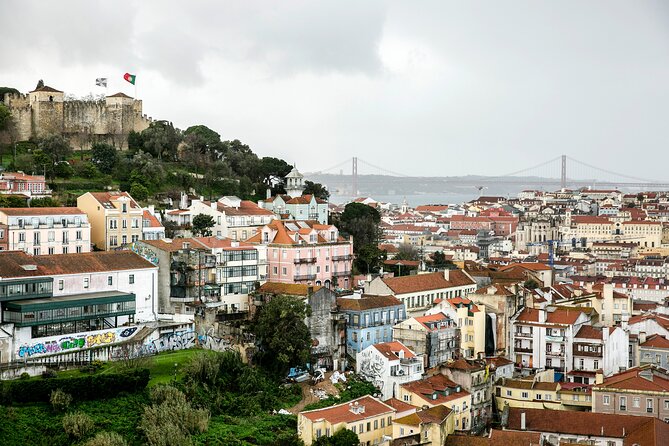
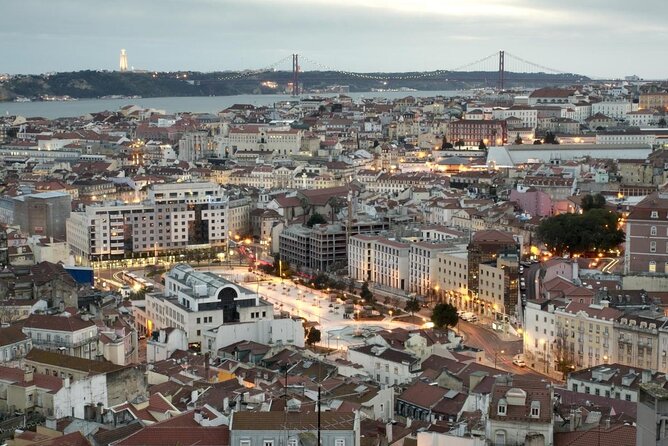
The final listed stop is Miradouro da Graça, also known as Miradouro Sophia de Mello Breyner Andresen. It sits above the city and provides the route’s clearest scenic moment.
The stop itself is planned for about 45 minutes. You can expect time for photos and for a final food stop nearby. The view gives the afternoon a satisfying shape: you begin among historic streets and neighborhood businesses, then finish looking across Lisbon from one of its famous hillsides.
There is a practical catch. Graça is not flat, and the tour requires a moderate level of fitness. The uphill walking is part of the character of the route, but it can be tiring after several hours of eating and exploring. Comfortable shoes matter, and you should avoid scheduling a demanding activity immediately afterward.
I like this ending because it does not simply finish at the last restaurant. The view lets you pause and place the neighborhoods in a larger setting. After hearing about local food, cafés, and streets, you can look back across Lisbon and understand how the hills connect the different parts of the city.
What you are really paying for at $150
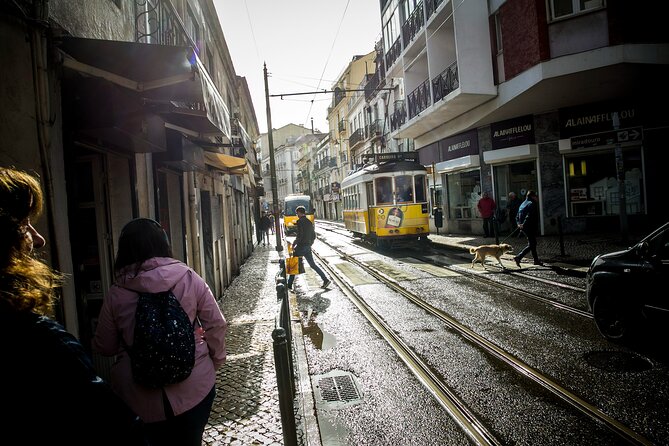
At $150 per person, this experience costs more than an ordinary lunch in Lisbon. The price needs to be judged as a package: about five hours, several food stops, a small group, a guide, neighborhood interpretation, and wine or other drinks as part of the food culture described along the route.
The value is strongest if you would otherwise struggle to find these places on your own. The guides do more than point out restaurants. They explain why a tasca matters, how local food fits into Portuguese life, and how the neighborhoods have changed. That guidance saves research time and gives each tasting more meaning.
The value is weaker if you mainly want a large meal at the lowest possible cost. Some of what you pay for is the company of a guide and the careful movement between places, not just the food itself. You may be able to eat more cheaply by wandering through Mouraria alone, but you would lose the introductions, context, and confidence that come with a hosted route.
The food quantity appears substantial. The tour can function as a long afternoon meal, with enough tastings to cover snacks and more serious eating. Still, there is no fixed menu in the information provided, so do not book it expecting a guaranteed list of dishes or restaurants.
The guides make the difference
The experience depends heavily on who leads it. Laura is praised for having grown up in the area and for explaining Portuguese history through food. That local connection can give the walk a personal feel rather than a textbook tone.
Kika is described as organized, prepared, and good at balancing a wide range of stops. If you like an itinerary that moves from traditional restaurants to a cervejaria and then toward modern tasca cooking, her style should suit you.
Gisela is known for enthusiasm, warmth, and a talent for making conversation flow. Her approach is especially useful for solo visitors or couples who want to meet other food-minded people without being forced into a formal group activity.
You cannot select a guide from the information provided, so it is best to treat these names as examples of the style you may encounter, not a guarantee of who will lead your date. The common thread is clear: the guide is central to the experience. The food matters, but the stories and personal welcome are what turn the route into more than a series of samples.
Timing, meeting point, and comfort
The tour starts at 2:15 p.m. at Largo do Correio, on Rua de São Mamede, and ends in Graça. That point-to-point design is useful because you finish in a different part of the city rather than returning to the start.
The route is near public transportation, but the supplied details do not specify the best line or stop. Give yourself enough time to reach Largo do Correio, especially since the meeting address includes a street location that can be easy to misread on a Lisbon map.
The advertised duration is approximately five hours. Set aside the full afternoon and evening rather than booking a tight appointment afterward. A food walk with several stops can take longer than a standard sightseeing visit, and the final hill adds physical effort.
This is offered in English and uses a mobile ticket. Confirmation is sent when you book. The group maximum of seven is a major plus for anyone who prefers a more personal outing.
The tour requires moderate physical fitness and good weather. Cancellation is free up to 24 hours before the start time. If poor weather prevents the tour from running, or if the minimum number is not reached, you are offered another date or experience, or a full refund.
Who will enjoy this Lisbon food walk
I would recommend it to you if you enjoy learning a city through ordinary places rather than only through major monuments. It suits people who want history, local food, wine, conversation, and walking in one afternoon.
It is especially good for:
- Food-focused visitors who want more than famous pastries and standard restaurant meals
- First-time visitors who want a useful introduction to Lisbon’s tasca culture
- Couples marking a birthday or another special occasion
- Solo visitors who enjoy meeting a small group around a shared interest
- Repeat visitors ready to see Mouraria and Graça from a new angle
- Anyone who wants restaurant ideas for the rest of a Lisbon stay
It may be less suitable if you have limited mobility, dislike hills, prefer a fixed menu, or want a short tasting that ends in two hours. The route is also not ideal for someone who wants to spend the whole afternoon at one long lunch.
Food restrictions deserve attention. The hosts have accommodated some restrictions, but the provided details do not specify exactly which needs can be handled. If this matters to you, ask about your requirements before booking rather than assuming every tasting can be changed.
Should you book Hidden Flavors of the Hillside?
Book it if you want Lisbon explained through food, neighborhoods, and personal stories. The strongest reason to go is not one particular snack. It is the chance to understand how tascas, cafés, restaurants, parks, transport spaces, and hillside viewpoints fit together.
I would place it near the beginning of a longer Lisbon visit. You can use the advice and confidence from the walk when choosing places to eat later. At $150, it is a splurge, but the small group, long duration, several tastings, and local guidance give the price a reasonable basis.
Skip it if your main goal is a cheap meal or a flat walking route. For everyone else, especially food-minded visitors who want a warmer and less obvious side of Lisbon, this is a strong way to spend an afternoon.
FAQ
How long does Hidden Flavors of the Hillside last?
The experience is advertised as approximately five hours. You should keep the full afternoon available because it includes several stops, tastings, walking, and time at the viewpoint.
Where does the tour begin?
It begins at 2:15 p.m. at Largo do Correio, Rua de São Mamede, 1100-171 Lisbon, Portugal.
Where does the tour end?
The route ends in Graça, Lisbon, near Miradouro da Graça.
How many people can join the tour?
The maximum group size is seven people.
Is the tour suitable for people with limited fitness?
The tour states that participants should have a moderate level of physical fitness. The route includes Lisbon’s hillside neighborhoods, so you should be comfortable with extended walking and uphill sections.
What happens if I need to cancel?
You can receive a full refund if you cancel at least 24 hours before the experience begins. Cancellations or changes made less than 24 hours before the start time are not refunded or accepted.
Just reviewed in Lisbon
- Private tour Lisbon – full day★ 5.0 · 8 reviews
- Private Tour: Portuguese Food and Wine Tour★ 5.0 · 33 reviews
- Lisbon Football Experience – Private stadium and Museum Tour★ 4.0 · 10 reviews
- Lisbon and Sintra Essence 8H – Private Tour★ 5.0 · 5 reviews
- Private Tour: Lisbon Sunset Walking Tour with Fado Show and Dinner★ 5.0 · 30 reviews
- Private Catamaran Tour: Lisbon coast cruise with barbecue and drinks★ 5.0 · 20 reviews
- Lisbon: Helicopter Tour over Cascais & Cabo da Roca★ 5.0 · 4 reviews
- Private Tour Fátima – Nazaré – Batalha – Óbidos★ 5.0 · 6 reviews
Alfama and Old Town Tours, compared.

Private Lisbon Sightseeing Tuk-Tuk Tour: Alfama, Belém & More
Read our review →
Hills, Alfama, and Mouraria Tour by Electric Bike
Read our review →
Best of Lisbon Walking Tour: Rossio, Chiado & Alfama
Read our review →
Lisbon Small-Group Food Tour with 18 Tastings in Alfama District
Read our review →
Lisbon E-Bike Tour Commerce Square, Mouraria and Alfama
Read our review →
Old Town TukTuk Tour and Scenic Viewpoints in Alfama
Read our review →
Alfama Tour and Live Fado with Traditional Dinner
Read our review →Browse the lists this tour appears in