Reviewed · MAFRA PALACE TOURS
From Sintra, Mafra, or Ericeira: Hike and Wine Tour
The best part of this half-day outing is the way it links country walking with wine. You follow quiet routes near Cheleiros, pass through the restored village of Mata Pequena, and reach Penedo do Lexim, the exposed chimney of an ancient volcano. Then you sit down at Manzwine for six tastings and local food.
I like the small group, limited to six people, and I like having Tiago as a guide. His route knowledge, easy humor, and wine explanations helped make the day feel relaxed rather than formal. The main thing to consider is the 7-kilometer hike: this is not a winery visit with a short stroll, so bring proper shoes, water, a hat, and sunscreen.
Key points to know before you go
- A real countryside walk: The 7-kilometer route uses paths and lanes you would be unlikely to find on your own.
- Three different rural sights: You visit the wine village of Cheleiros, the recovered village of Mata Pequena, and the Penedo do Lexim volcanic site.
- Six wines at Manzwine: The tasting comes with regional products such as cheese, bread, and olive oil.
- Tiago adds personality: His stories, wine knowledge, and relaxed humor are a major part of the experience.
- Convenient pickup: Transport is provided from Sintra, Mafra, or Ericeira, with return service included.
- Best for active adults: Children under 10 are not recommended, and the route is unsuitable for wheelchair users or people with mobility impairments.
Why this Cheleiros outing is different
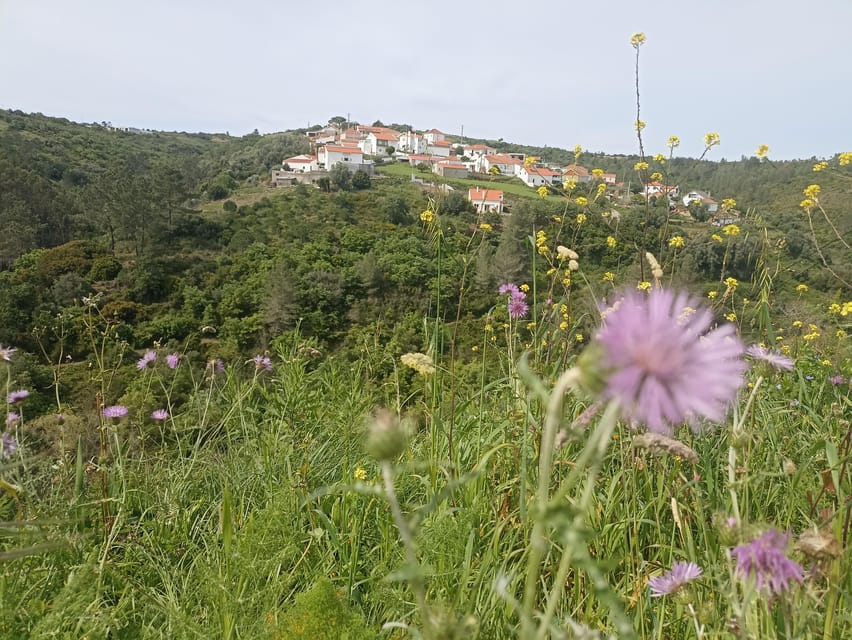
Many wine tours keep you inside a cellar or move you between estates by car. This one begins with walking. That changes the way you understand the wine. You see the villages, valleys, vineyards, and volcanic ground before hearing how local soil affects the finished bottle.
The setting is the Oeste region, west of Lisbon, where small villages and farming traditions still shape the countryside. Cheleiros is the central point of the day. It is described as a historic wine village, but the appeal is not just old buildings or a photo stop. You get a sense of a working rural place tied to vineyards and local production.
The experience lasts five hours, including transport from your chosen pickup point. The group size is capped at six, which matters here. On a narrow path or during a tasting, you can ask questions without having to compete with a busload of people. The languages offered are Portuguese, English, and Spanish.
More Wine Tasting Tours in Sintra
- From Lisbon: Sintra, Pena Palace & Wine Tasting Small-Group Tour
★ 5.0 · 252 reviews - Full-Day Private Sintra Tour with Wine Tasting and Pena Palace
★ 5.0 · 67 reviews - Sintra: Full-Day Tour from Lisbon with Wine Tasting
★ 4.8 · 58 reviews
Pickup from Sintra, Mafra, or Ericeira
The included transportation makes this a useful choice if you are staying in one of the three pickup areas. You do not need to arrange a taxi to a country winery or work out a route through rural roads. After the pickup, the drive to the walking area takes about 20 minutes, according to the tour experience described by participants.
That short transfer also keeps the day focused. You are not spending much of your five hours crossing the region. Still, check the available starting time before booking because the exact departure schedule is not specified in the tour details.
I would choose this outing for a day when you want something beyond the major palaces of Sintra or the beach towns around Ericeira. It gives you a look at the inland side of the Oeste, where the pace is slower and the focus is on village life, geology, and wine.
Walking through the wine village of Cheleiros
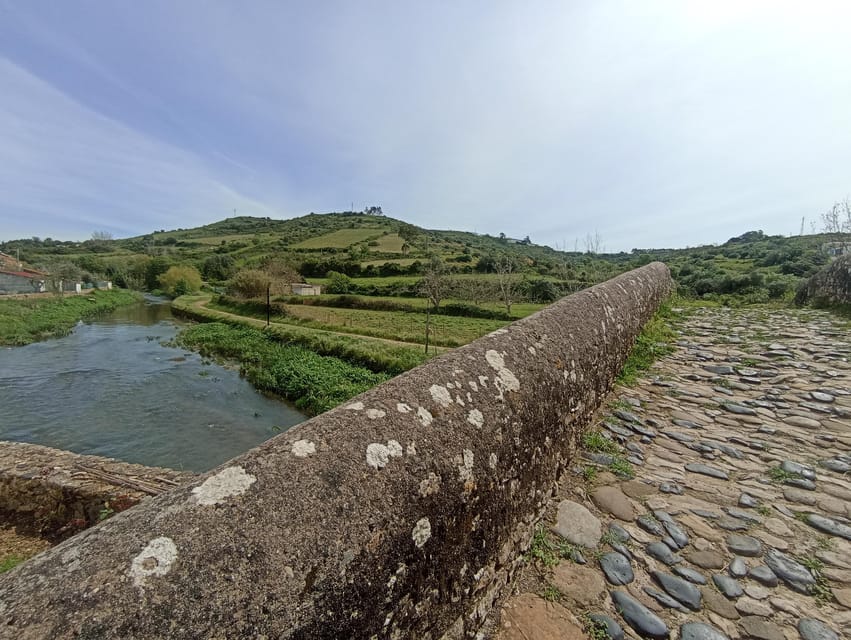
Cheleiros is more than the starting label on the tour. The village gives the walk its cultural frame. You move through an area connected to wine production and see how the countryside and settlement fit together.
The guide helps turn an ordinary rural path into a story. Tiago is particularly good at filling the walk with useful facts and light conversation. His style, as described by those who have taken the tour, is friendly and talkative, with plenty of room for jokes. That matters because five hours can feel long if the guide treats the route like a silent transfer from one tasting room to another.
Expect scenery rather than a strenuous outdoor challenge. The supplied information does not give a detailed difficulty rating or elevation profile, so you should not assume the hike is flat or effortless. Comfortable walking shoes and clothing suitable for hiking are specifically recommended. Bring your own water, since hydration is your responsibility during the walk.
The route also changes with the season. In mid-April, flowers may be in bloom, adding color to the countryside. In early June, the vineyards and open views are part of the appeal. You should bring a camera if you want to record the village, paths, and volcanic formations.
Mata Pequena and the value of a recovered village
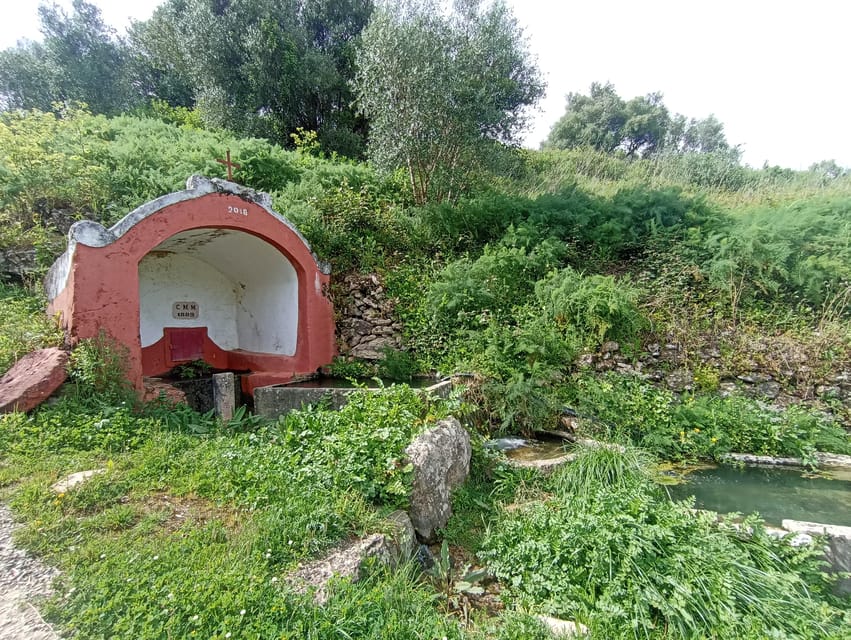
Mata Pequena offers one of the more distinctive stops. It is a recovered village that preserves rural traditions and gives you a glimpse of how village life once looked in this part of Portugal.
That makes it different from a polished historic center. The point is not simply to admire a church facade or take a quick photograph. The village connects the hike to older farming customs and the practical side of country life. You can see why a guided visit helps: the physical setting is easy to observe, but the meaning of the buildings and restoration is harder to grasp without context.
The stop also breaks up the walk nicely. You are not looking at the same type of view for the entire route. Cheleiros provides the wine connection, Mata Pequena brings in rural heritage, and the next geological stop adds a natural explanation for the soil beneath the vineyards.
More Ericeira Tours from Lisbon:
- All Level SURF CLASSES in Ericeira (Beginner, Intermediate & Advanced)
★ 4.5 · 22 reviews - Airport Private Transfer to Ericeira | Torres Vedras | Campo Real
★ 5.0 · 18 reviews - From Lisbon or Cascais: Mafra, Ericeira, and Queluz Day Tour
★ 5.0 · 16 reviews - Ericeira Private Tour: 10 Tastings Food Tour
★ 5.0 · 10 reviews
Penedo do Lexim and an ancient volcanic chimney
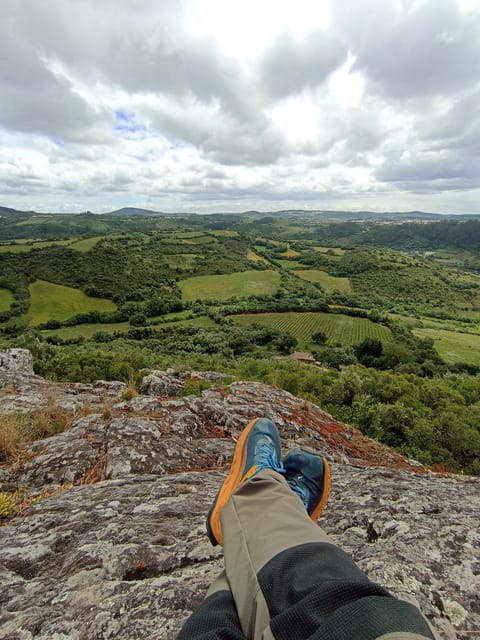
Near Penedo do Lexim, the tour reaches one of its most unusual points. This dramatic geological formation marks the ancient chimney of a volcano from the Lisbon Volcanic Complex.
You do not need to be a geology enthusiast to appreciate the stop. It gives the day a clear sense of place. The wine is not being presented as an isolated product. The guide explains how volcanic ground can shape the character of local wines, and Penedo do Lexim lets you see the geological story in front of you.
This is also where the walk becomes more than a route between villages and a cellar. You are looking at a very old natural feature while standing in a modern wine-growing region. That combination is the kind of detail you may miss if you visit only a tasting room.
The practical caution is simple: a volcanic rock site and rural walking route are not designed for people who need smooth, accessible surfaces. The tour is not suitable for wheelchair users or people with mobility impairments. Children under 10 are not recommended to participate.
Inside Manzwine, from museum to production facilities
After the walk, the group returns to Cheleiros for a guided visit with the Manzwine team. This includes the wine museum and production facilities, giving you a look at both the past and present of local winemaking.
The order of the day works well. First, you have seen the villages and the ground. Then you learn how that setting connects to wine production. The winery visit is not just a tasting room presentation, since the facilities and museum are part of the guided tour.
You should expect explanations about the region, local production, and the effect of volcanic soil on the wines. The team combines tradition with modern production, so the visit provides some useful context for the bottles you taste later.
The information does not specify the length of the museum portion or exactly which production areas are open on each visit. Keep that in mind if you are looking for a technical winery tour. This outing is designed as a balanced mix of walking, culture, geology, and tasting rather than a specialist cellar course.
Six wines and a generous local tasting
The final tasting is the reward for the walk. You sample six wines from Manzwine, with explanations from the guide and winery team. The tasting is paired with local products, including cheese, olive oil, and bread.
One account of the experience describes a large plate with cheese, sausage, bread, and additional sides. The exact selection may vary, but you should expect more than a few crackers beside the wine. It is a substantial regional tasting, even though a full meal is not included.
That distinction matters. The tour price is $117 per person, and the food served with the wine is part of the tasting rather than a separately advertised lunch. If you need a full meal afterward, plan for one, since meals and personal expenses are excluded.
The six-wine format also gives you room to compare styles. You can ask which bottles show the volcanic influence most clearly or how the producer works with the local conditions. The experience is especially useful if you enjoy learning through tasting rather than simply buying a bottle and reading the label later.
Is the $117 price good value?
At $117, this is not the cheapest way to taste Portuguese wine. But the price covers several parts of a full outing: pickup and return transportation from Sintra, Mafra, or Ericeira, a 7-kilometer guided hike, three distinct cultural and natural stops, a winery museum and facilities tour, six wines, and local food.
The small group improves the value. A maximum of six people allows the guide to adjust the conversation and answer questions. You are paying for access to a route that would be difficult to find independently, plus a guide who can connect the geology, villages, and wine.
I would not book it solely for the wine. If your goal is a long, technical tasting with rare bottles, a dedicated wine appointment may suit you better. I would book this for the combination of active sightseeing and wine, especially if you want to get beyond Sintra’s best-known sights.
What to bring and how to prepare
Wear comfortable shoes with enough support for a 7-kilometer hike. Regular casual shoes may be fine for some walkers, but the advice is specifically to wear walking shoes and clothing suitable for hiking.
Pack:
- Water for the walking portion
- A hat
- Sunscreen
- A camera
- Clothing that lets you walk comfortably
Sun protection is not a minor detail. Much of the appeal comes from open countryside, and shade is not guaranteed. You may also want to avoid scheduling this as your only activity on a very hot day if you are not used to walking outdoors.
The tour is not wheelchair accessible, and people with mobility impairments should choose another outing. Children under 10 are not recommended, so families with younger children will need a different plan.
Who will enjoy this five-hour tour?
I would recommend it to you if you like walking at a moderate sightseeing pace, small groups, and local wine with a story behind it. It suits visitors staying in Sintra, Mafra, or Ericeira who want an easy way to reach the inland countryside without renting a car.
It is also a good fit if you have already seen the major sights and want something quieter. The route gives you village scenery, flowers in spring, vineyards, rural paths, and a geological site that is easy to miss on a standard Portugal itinerary.
You may want to skip it if you dislike hiking, need fully accessible paths, or want a formal meal instead of a generous tasting plate. The day includes plenty of walking before the wine, so do not treat it as a quick cellar visit.
Booking flexibility and group size
The activity allows free cancellation up to 24 hours before the start for a full refund. You can also reserve now and pay later, which helps if your Portugal plans are still moving around.
The small-group limit is six participants. Portuguese, English, and Spanish are available, but you should confirm your preferred language when checking times and availability.
Should you book the Cheleiros hike and wine tour?
Book it if you want a complete half-day story: volcanic ground, old villages, a countryside walk, and six wines served with local food. The strongest part is the connection between the route and the tasting. By the time you reach Manzwine, you have seen the setting that gives the wine its identity.
Tiago’s relaxed guiding style is another reason to choose it. His humor and enthusiasm help keep the walking portion social, while the winery team supplies the more focused explanations.
Skip it if 7 kilometers sounds like work rather than pleasure. For everyone else, the $117 price is reasonable for transport, a tiny group, a guided route, a winery visit, six wines, and regional tasting products. It is a practical way to see a quieter side of the Oeste and taste it at the same time.
FAQ
How long is the hike?
The hike covers 7 kilometers and forms part of the five-hour experience.
Where can pickup and drop-off be arranged?
Transportation is provided from Sintra, Mafra, or Ericeira.
How many wines are included?
The tasting includes six wines.
What food is served with the wine?
The tasting includes local products such as cheese, olive oil, and bread. A tasting experience described a generous plate that also included sausage and additional sides.
Is the tour suitable for children?
Children under 10 are not recommended to participate.
Is the route wheelchair accessible?
No. The tour is not suitable for wheelchair users or people with mobility impairments.
More Lisbon Wine Tasting Tours
- Winner 2025 Undiscovered Lisbon Food & Wine Tour by Eating Europe
★ 5.0 · 6,390 reviews - Lisbon: Live Fado Show with Port Wine in Historic Center
★ 4.7 · 4,166 reviews - Award-Winning Original Lisbon Food Wine Tour: 19 Curated Tastings
★ 5.0 · 1,288 reviews - Private Lisbon Arrabida Wine Tour: Food & Wines, Mountain and Sea
★ 5.0 · 907 reviews
More Mafra Palace Tours
- Óbidos historic village and Mafra Palace Private Tour
★ 5.0 · 34 reviews - From Lisbon: Coastal Villages and Mafra Palace Guided Tour
★ 5.0 · 32 reviews - Mafra and Sintra: Choose 3 of 6 Palaces to visit on private tour
★ 5.0 · 26 reviews - Visit to Queluz Palace and Mafra Convent – Private Tour
★ 5.0 · 23 reviews
Just reviewed in Sintra
- Sintra: Quinta da Regaleira e-Ticket & Sintra City Audios★ 4.1 · 12 reviews
- Magical Day Trip: Pena Palace, Sintra, CaboDa Roca & Cascais★ 5.0 · 91 reviews
- Lisbon: Capture its Charm with a Laidback Photoshoot★ 5.0 · 4 reviews
- Sintra Hike: Past palaces and hidden paths.★ 4.8 · 5 reviews
- Half Day Sintra Half Day Tour★ 5.0 · 4 reviews
- Private Half-Day Tour to Sintra★ 3.4 · 7 reviews
- Lisbon: Sintra Monserrate Palace, Cabo da roca private tour★ 5.0 · 15 reviews
- Full day-Away day from Lisbon to see Sintra and Cascais★ 5.0 · 4 reviews
Mafra Palace Tours, compared.
Óbidos historic village and Mafra Palace Private Tour
Read our review →
Mafra and Sintra: Choose 3 of 6 Palaces to visit on private tour
Read our review →
Visit to Queluz Palace and Mafra Convent – Private Tour
Read our review →
From Lisbon or Cascais: Mafra, Ericeira, and Queluz Day Tour
Read our review →
Mafra Palace and Ericeira – Heritage and the Portuguese Coast
Read our review →