
Reviewed · ALFAMA AND OLD TOWN TOURS
Alfama and Mouraria Tour – The oldest neighbourhoods in Lisbon
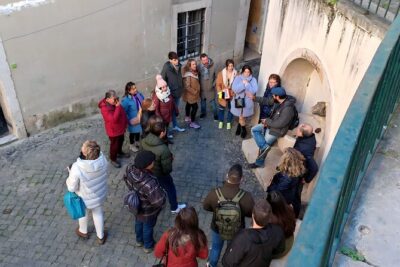
Lisbon’s oldest quarters are best understood on foot, where a grand riverfront square gives way to crooked lanes, steep stairways, tiled churches, and sudden views across the rooftops. This 2.5-hour walking tour links Alfama and Mouraria with stops at the cathedral, castle viewpoints, fado landmarks, and old streets that are easy to miss on your own.
I like the route for two clear reasons: it gives you a useful first look at Lisbon’s oldest districts, and the guides bring different strengths to the walk. Walter is praised for his humor and architectural insight, while Tiago is known for pacing the climb in manageable stages. José, Kate, Hugo, Rita, and Ann-Elisa are also named as engaging guides.
The main drawback is physical. Expect hills, stairs, and plenty of standing, with limited places to sit during explanations. The meeting point also deserves care: look for the orange umbrella at Praça do Comércio, between the large arch and the statue of King José I, rather than heading straight to the finish near Rossio.
Key points to know before booking
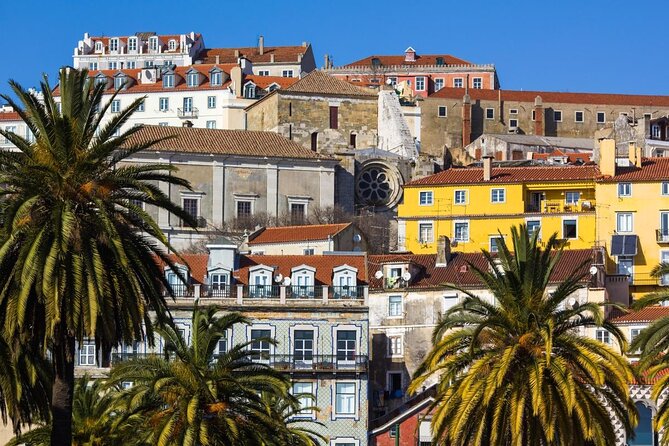
- The route covers 12 historic stops, from Praça do Comércio to Alfama, Mouraria, the cathedral, and several viewpoints.
- The walk includes serious uphill sections, stairs, and uneven old streets. Guides may break the climb into stages, but this is not a flat city stroll.
- The best views come at Portas do Sol and Santa Luzia, with rooftops, church domes, and the Tagus opening below.
- The listed price is $1.25 per person, an unusually low cost for 2.5 hours of guided sightseeing.
- The group can reach 20 people, so staying close to the guide matters, especially at corners and crowded viewpoints.
- The tour is in English, uses a mobile ticket, and finishes around Rossio Square.
Starting under the Rua Augusta Arch
The tour begins at the Statue of D. José I in Praça do Comércio, Lisbon’s broad riverside square. This is a sensible starting point because the open space gives you a clear introduction to the city before the route turns into the tighter streets of the old quarters.
Find the guide with the orange umbrella between the large arch and the statue in the middle of the square. Do not go to Rossio first. That is where the walk ends, and one unhappy experience came from confusing the start and finish points.
The opening stop lasts about 10 minutes and costs nothing to enter. Your guide may use the statue and square to explain Lisbon’s royal past, the city’s relationship with the river, and how the central districts connect. The square is also one of the easiest places to find in Lisbon, with plenty of room to gather a group.
From there, you spend another 10 minutes in Praça do Comércio itself. It is a grand contrast to Alfama, with its formal arcades and open views toward the Tagus. I like this beginning because it sets up the main theme of the walk: Lisbon is both an elegant European capital and a city of old working neighborhoods pressed against steep hills.
More Alfama and Old Town Tours:
- Alfama Tour in Lisbon Old Town
★ 5.0 · 4,936 reviews - Private Lisbon Sightseeing Tuk-Tuk Tour: Alfama, Belém & More
★ 5.0 · 4,277 reviews - Lisbon: Hills, Alfama, and Mouraria Tour by Electric Bike
★ 4.8 · 3,438 reviews
St. Anthony, the earthquake, and Casa dos Bicos
The next stop is the Church of St. Anthony, located where St. Anthony of Padua was born. The stop lasts roughly 10 minutes. It offers a useful connection between Lisbon and one of Portugal’s best-known saints, though the depth of the explanation will depend on the guide leading your group.
The route then reaches Casa dos Bicos, one of Lisbon’s oldest houses. Its Manueline design and diamond-shaped stone facade make it one of the more unusual buildings in the city. The stop is scheduled for about 10 minutes, enough to look closely and hear why this building matters without turning the tour into a long architectural lecture.
These early stops help you see why a guide adds value here. Lisbon’s old center is full of buildings that can look decorative but confusing when viewed without context. A good guide, such as Walter or José, can connect the streets, religious sites, royal symbols, and rebuilding of the city into a clearer story.
Entering Alfama through lanes and steep streets
The Alfama portion lasts about 20 minutes, but the neighborhood occupies much of the character of the entire route. This is where the tour leaves the broad central square and moves into narrow lanes, old facades, small stairways, and sudden turns.
You should expect a slower pace and frequent stops. The streets rise toward the castle, and the surface can be tiring after a while. Several guides are praised for handling this well. Tiago is specifically described as taking the climb in stages, while José is praised for keeping a good pace and accommodating the group.
This is also the part where staying close matters most. One participant lost sight of the guide after falling about half a block behind, and the group did not reconnect. With a maximum of 20 people, the walk is not enormous, but Lisbon’s corners can swallow a group quickly. Keep the orange umbrella in view and tell the guide if you need a pause.
Alfama is not simply a collection of old buildings. It is a neighborhood you understand through its slope, sound, and layout. You may notice laundry, tiled walls, small religious details, and lanes that seem to change direction every few steps. The tour gives you a framework, then leaves you better prepared to wander here again on your own.
Lisbon Cathedral and the question of entrance fees
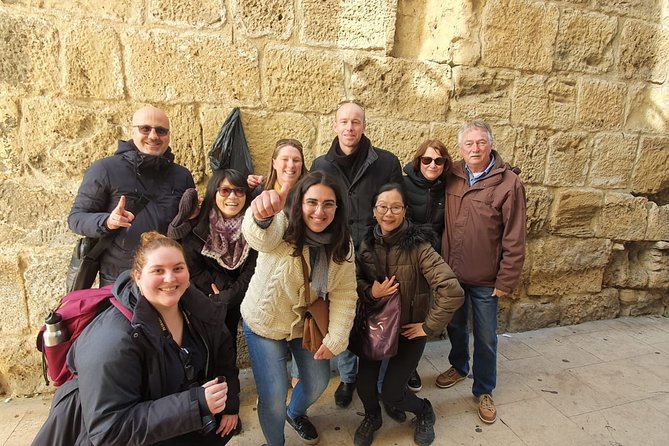
The Lisbon Cathedral is scheduled as a 10-minute stop. It is described as the oldest church in Lisbon and is one of the route’s most important landmarks. From outside, you can appreciate the fortified appearance and the way the church anchors the surrounding lanes.
Here is an important practical point: free admission on the itinerary does not mean every interior visit is free. A complaint about the cathedral and São Jorge Castle came from someone who tried to complete the route independently and found entrance fees. The tour itself may stop at these places without including an interior ticket.
Treat the cathedral as a guided exterior visit unless your booking information says otherwise. If you want to explore inside, ask the guide about the current entrance arrangements and allow extra time. A 10-minute stop is not designed for a lengthy visit.
Something different to do with a day in Lisbon:
- Lisbon City Center Tour – The Unmissable Lisbon
★ 5.0 · 22,234 reviews - Lisbon: Sintra, Pena, Regaleira, Cabo da Roca & Cascais
★ 4.7 · 19,656 reviews - Sintra: Pena Palace and Park Entrance Ticket
★ 4.2 · 17,410 reviews - Lisbon: Jerónimos Monastery Entrance Ticket
★ 4.1 · 14,164 reviews
The National Pantheon and two of Lisbon’s best viewpoints
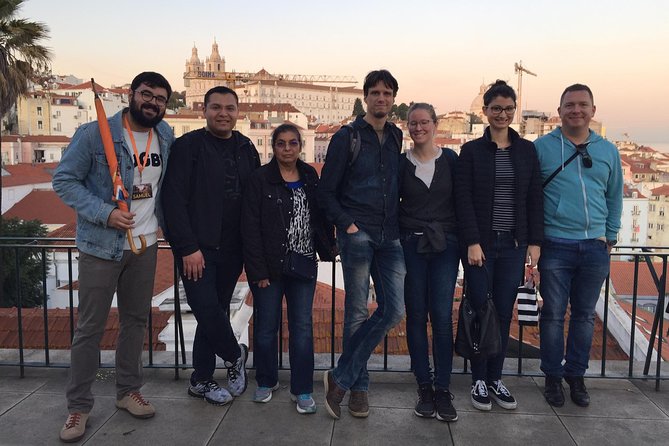
The National Pantheon receives only a brief stop in the schedule, listed at one minute. That tells you what kind of visit to expect: a quick orientation rather than a full interior tour. The building is still an important marker in Alfama, especially as the streets open toward higher ground.
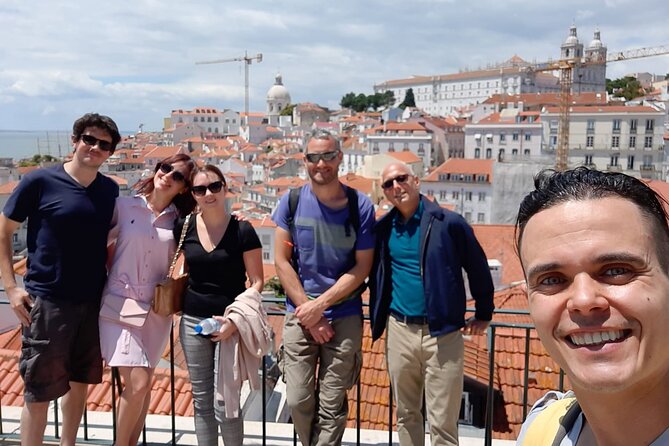
The route then reaches Miradouro das Portas do Sol for about 10 minutes. This is one of the strongest parts of the experience. The viewpoint gives you a broad look over Alfama and the Tagus, and it helps make sense of the climb you have just made.
Have your camera ready, but listen before taking too long with photographs. A good guide can point out the landmarks and explain how the older district spreads below. On a hot day, shade and short breaks matter. Tiago is praised for finding shade and making room for photographs, which is exactly the sort of practical care that improves a walking tour.
The route continues toward São Jorge Castle, described as a Moorish castle built in the eighth century. The scheduled stop is only five minutes, so do not expect a full castle visit. The castle may charge an entrance fee, and the tour price does not appear to include that admission.
This is one point where expectations matter. If your main goal is to spend an hour or two inside the castle, book a separate castle visit. If you want the castle placed within the story of Alfama and the city’s hilltop defenses, the short stop can be enough.
Miradouro de Santa Luzia follows, with about 10 minutes to enjoy one of Lisbon’s most charming viewpoints. Its location near the old lanes makes it a pleasant contrast to the wider Portas do Sol view. Together, the two overlooks give you a strong visual sense of the city, from the tiled roofs below to the river beyond.
Mouraria, fado, and Lisbon’s working neighborhoods
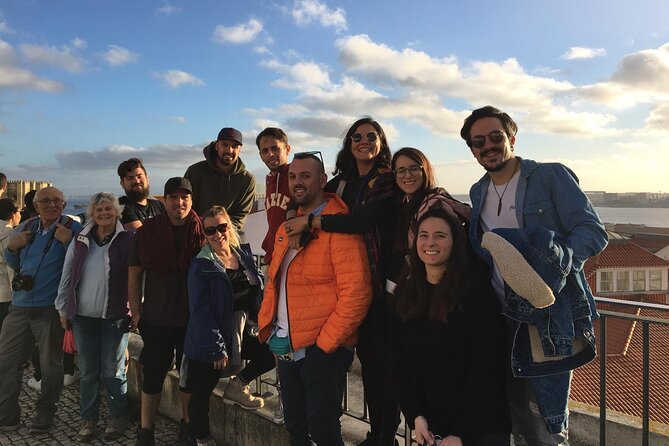
The route then moves toward Mouraria and the Monumento Mouraria Berço do Fado. The Mouraria section lasts around 20 minutes and is one of the tour’s more distinctive features.
Many city walks focus on monuments and skip the character of the neighborhoods between them. This route gives Mouraria a proper place in the story. The area is linked with fado, Lisbon’s soulful musical tradition, and the monument helps explain that connection.
You will walk through streets that feel less formal than Praça do Comércio and less polished than the main shopping areas. That is part of the appeal. The guide can help you understand how Lisbon’s identity was shaped not only by kings and churches, but also by local districts, music, migration, and ordinary street life.
Some guides also give practical food suggestions. Tiago is praised for recommending places to eat, while Kate is praised for helping with restaurants and viewpoints. The advice will vary by guide, but this is a good time to ask where to eat or hear fado later in your stay.
The route includes Igreja de São Vicente de Fora, the church built in honor of St. Vincent. The listed stop is only one minute, so expect a brief exterior reference rather than a full visit. That short timing is typical of the tour: it introduces many places, but it does not give you long interior time at each one.
What the guides add to the walk
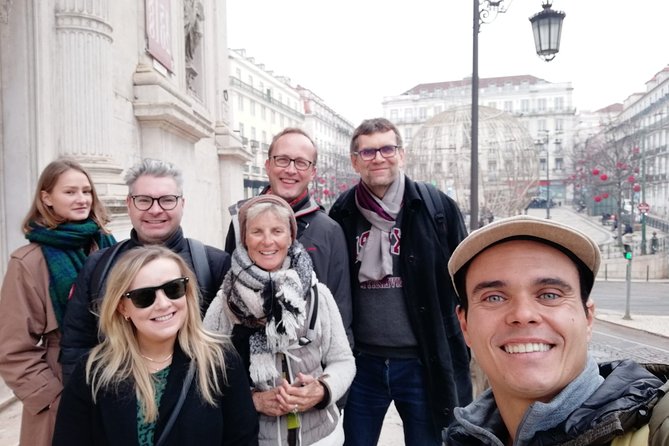
The experience depends heavily on who leads your group. The strongest feedback centers on guides who explain clearly, use humor, answer questions, and adjust the pace to the hills.
Walter receives especially strong praise for his grasp of Lisbon’s past, architecture, and culture. Hugo is described as funny and professional. Tiago is praised for friendliness, practical pacing, shade breaks, and restaurant suggestions. José is noted for clear explanations and a steady pace, while Kate is described as both entertaining and helpful.
Ann-Elisa and Rita also receive warm comments for their charm, energy, and clear delivery. That range matters because this is not an audio guide with a fixed script. You are getting a person who may emphasize architecture, local customs, fado, food, or personal stories.
There have also been uneven experiences. One person found the guide’s pace too brisk and became separated from the group. Another felt the walk included too much silence and too little explanation. Those accounts are rare compared with the overall 4.9 rating from 466 reviews and 97 percent recommendation rate, but they point to useful advice: speak up early if you cannot keep pace, and stay close at every turn.
Price, group size, and practical value
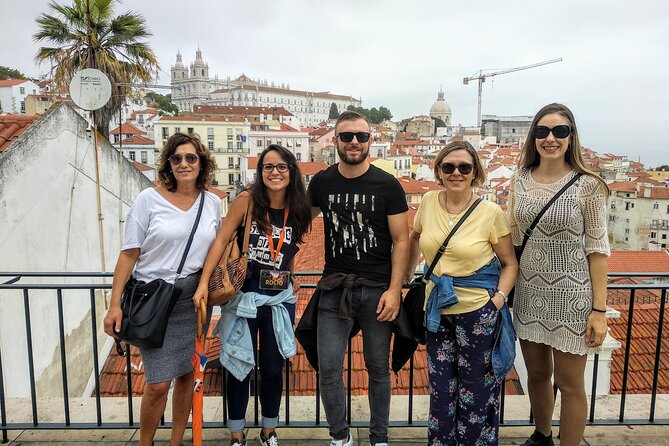
At $1.25 per person, this is exceptional value if the tour runs as planned. You receive roughly two and a half hours of orientation across Lisbon’s oldest districts, with a guide, viewpoints, neighborhood walks, and historical context. Even if you later explore the cathedral or castle separately, the walking route can help you decide where to spend more time.
The low price also means you should not expect a private tour or a long stop inside each attraction. The group may contain up to 20 people, and the itinerary is built around outdoor orientation. Admission tickets are not included simply because the stops are marked free in the schedule.
The activity is offered in English and uses a mobile ticket. Confirmation arrives when you book. It is near public transportation, service animals are allowed, and most people can participate, but the hills and stairs make physical ability an important consideration.
The tour is often booked about 17 days ahead. That is useful if your Lisbon dates are fixed, though availability can change. Free cancellation is allowed up to 24 hours before the start time for a full refund. Changes made inside that window are not accepted, and poor weather or an insufficient minimum group can lead to a different date or a refund.
Who should book this Lisbon walking tour?
I would choose this tour early in a Lisbon visit, especially if you want help getting your bearings in Alfama and Mouraria. It suits you if you enjoy walking, want local context, and prefer seeing several neighborhoods rather than spending a full morning inside one monument.
It is also a good fit for solo visitors. The group setting makes it easy to meet other people, and the guides can offer useful ideas for food, viewpoints, and later exploring.
I would think twice if you have difficulty with steep hills, stairs, or standing for long periods. You should also choose another format if your priority is entering São Jorge Castle or Lisbon Cathedral. Those sites appear in the route, but the scheduled stops are brief and admission may cost extra.
Should you book it?
Book this tour if you want an inexpensive, energetic introduction to Lisbon’s oldest neighborhoods. The best parts are the Alfama lanes, the Portas do Sol and Santa Luzia viewpoints, and the chance to connect Mouraria with fado and everyday city life.
Go prepared for hills, keep sight of the orange umbrella, and treat the historic interiors as optional extra visits rather than included attractions. With a strong overall rating and guides such as Walter, Tiago, José, Kate, and Ann-Elisa earning particular praise, this is a good-value first look at old Lisbon, provided you are ready to walk.
FAQ
How much does the Alfama and Mouraria Tour cost?
The listed price is $1.25 per person.
How long does the tour last?
The tour lasts approximately 2 hours and 30 minutes.
Where does the tour begin?
It begins at Praça do Comércio in Lisbon, near the Statue of D. José I.
How do I find the guide?
Look for the guide carrying an orange umbrella between the large arch and the statue in the middle of Praça do Comércio.
Where does the tour finish?
The walk ends around Rossio Square, at Praça do Rossio.
Is the tour offered in English?
Yes. English is the listed tour language.
Are entrance tickets to the cathedral and castle included?
The itinerary marks the stops as free, but entrance inside Lisbon Cathedral and São Jorge Castle may require payment. The tour schedule includes short stops, not full interior visits.
How large can the group be?
The maximum group size is 20 people.
Can I cancel for a full refund?
Yes. You can cancel at least 24 hours before the start time for a full refund. Cancellations or changes made less than 24 hours before the start are not accepted for a refund.
Just reviewed in Lisbon
- Lisbon: Morning of Equestrian Art with Lusitano Horses★ 4.4 · 87 reviews
- Lisbon: Entry Tickets to Mosteiro de São Vicente de Foram★ 4.6 · 50 reviews
- Lisbon: National Palace of Ajuda E-Ticket & City Audio Guide★ 4.1 · 87 reviews
- Lisbon: Early Morning TukTuk Tour – hotel/cruise ship pickup★ 4.9 · 45 reviews
- Sintra: Quinta da Regaleira e-Ticket & Sintra City Audios★ 4.1 · 12 reviews
- Lisbon E-Bike Tour TAGUS★ 5.0 · 3 reviews
- Lisbon: E-bike Trip from the Sintra Mountains to Cascais Sea★ 5.0 · 67 reviews
- Lisbon: Discover Belem by electric Tuk Tuk★ 4.9 · 86 reviews
Alfama and Old Town Tours, compared.

Private Lisbon Sightseeing Tuk-Tuk Tour: Alfama, Belém & More
Read our review →
Hills, Alfama, and Mouraria Tour by Electric Bike
Read our review →
Best of Lisbon Walking Tour: Rossio, Chiado & Alfama
Read our review →
Lisbon Small-Group Food Tour with 18 Tastings in Alfama District
Read our review →
Lisbon E-Bike Tour Commerce Square, Mouraria and Alfama
Read our review →
Old Town TukTuk Tour and Scenic Viewpoints in Alfama
Read our review →
Alfama Tour and Live Fado with Traditional Dinner
Read our review →Browse the lists this tour appears in