
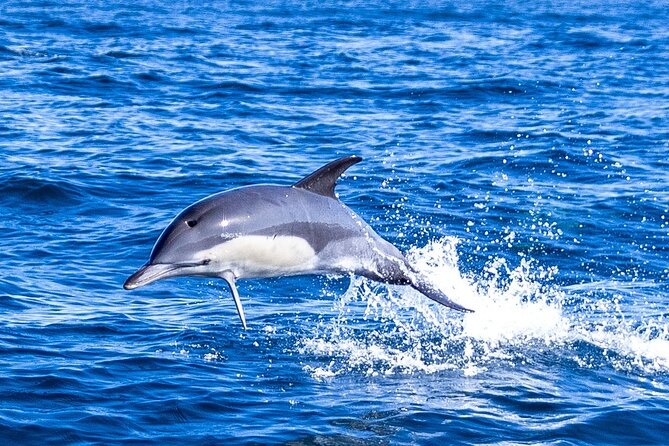
Reviewed · LISBON DOLPHIN WATCHING TOURS
Lisbon: Dolphin Watching with Marine Biologist – Small Group
Wild dolphins, a fast boat, and a marine biologist who can explain what you are seeing: this is one of Lisbon’s most unusual three-hour outings. The trip leaves from below the 25 de Abril Bridge, crosses the Tagus, and heads into open water where dolphins, whales, seabirds, and sunfish may appear.
I like two things especially. First, the wildlife is genuinely wild, not trained or fed. Second, the tour supports cetacean monitoring with Lisbon’s Oceanário and ICNF, so the experience has a useful purpose beyond taking photos. The main drawback is simple: dolphins are never guaranteed, and the speedboat can feel rough if you are prone to seasickness or have back trouble.
The staff also add real warmth. Guides such as Mariana, Vanessa, Maria, and Inês have been singled out for their clear explanations and care for the sea, while skippers including Sebastião, Alexandre, and Francisco have earned praise for safe, lively boat handling.
Key points to know before booking
- A 97 to 98 percent reported sighting rate: Dolphins are seen on most trips, but nature still makes the final call.
- Marine research with the Oceanário de Lisboa: Your outing contributes to cetacean monitoring and recorded observations.
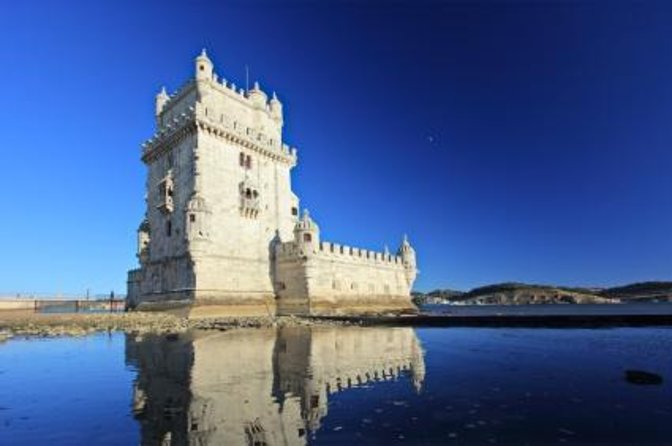
- Three hours on river and sea: You get wildlife viewing, a speedboat ride, and returning views of Belém and Lisbon.
- A comfortable start at the Oceanic Lounge: Coffee, restrooms, a safety briefing, and a place to wait are included.
- Windbreakers matter: Even on a hot Lisbon day, the Atlantic can feel cold at speed.
- Not a gentle cruise: Children under five, pregnant women, wheelchair users, and people with back problems should not book.
From the Mercedes-Benz Oceanic Lounge to open water
The meeting point is the Mercedes-Benz Oceanic Lounge at Doca de Santo Amaro, Armazém 17, directly below the 25 de Abril Bridge. The lounge is more useful than a basic dockside check-in. You can sit down, use the restroom, have coffee, and get ready before stepping aboard.
A safety briefing comes before departure. You will also receive a life jacket, and the crew handles the boat, fuel, and insurance. Bring comfortable shoes, simple clothing, and a windbreaker. High heels are not allowed, and you should not bring alcohol or use the boat as a place to smoke.
The first part follows the Tagus from Doca de Santo Amaro. This gives you time to settle into the boat while the marine biologist introduces the wildlife you may encounter. The river section also gives you a fresh look at Lisbon’s waterfront, with the bridge overhead and the city opening out behind you.
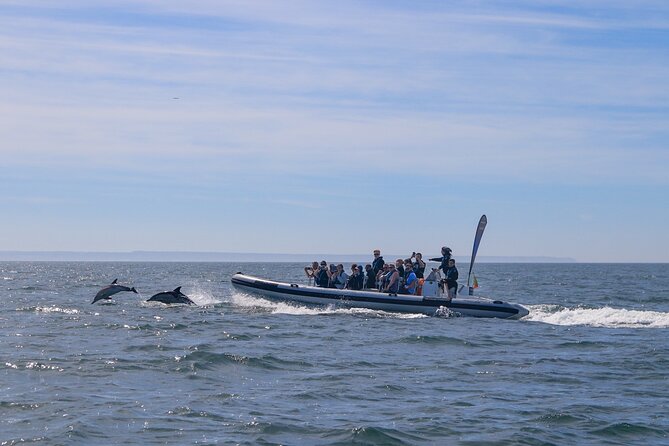
The boat is built for speed, not for a quiet, padded river cruise. That is part of the fun, but it affects comfort. Sit securely, hold on when the boat picks up speed, and expect wind even in summer. The crew may make the ride lively with turns and wave riding, but the main aim is to locate animals and observe them with care.
More Lisbon Dolphin Watching Tours:
- Lisbon: Tagus River Cruise to the Ocean & Dolphin Watching
★ 4.0 · 3,019 reviews - Lisbon: Dolphin Watching with Marine Biologist
★ 4.9 · 1,853 reviews - Lisbon: Dolphin Watching with a Marine Biologist – Ocean Safari
★ 5.0 · 812 reviews
Searching the Tagus and Atlantic for dolphins
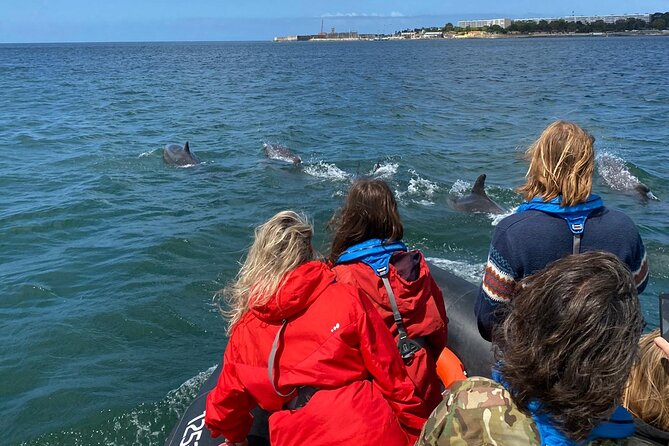
Once the boat reaches open water, the focus shifts from sightseeing to wildlife. The marine biologist watches the water and explains dolphin behavior, species, and the wider marine environment. The crew may communicate with other boats to learn where animals have been seen, which can help with the search.
The reported success rate is between 97 and 98 percent across the operator’s own records. That is unusually encouraging for a wild-animal outing, but you should still treat it as a probability, not a promise. One group reached three quarters of the way through its trip without a sighting, then found roughly 30 dolphins on the return journey. That is exactly how nature trips can go.
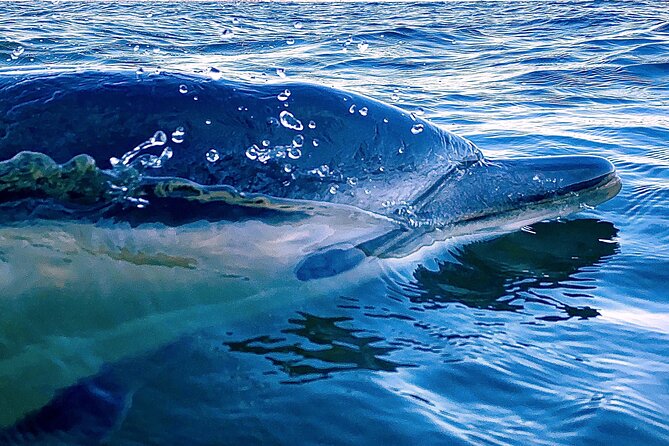
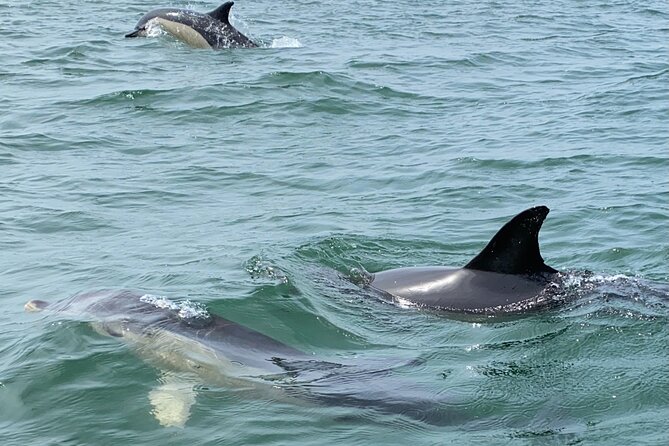
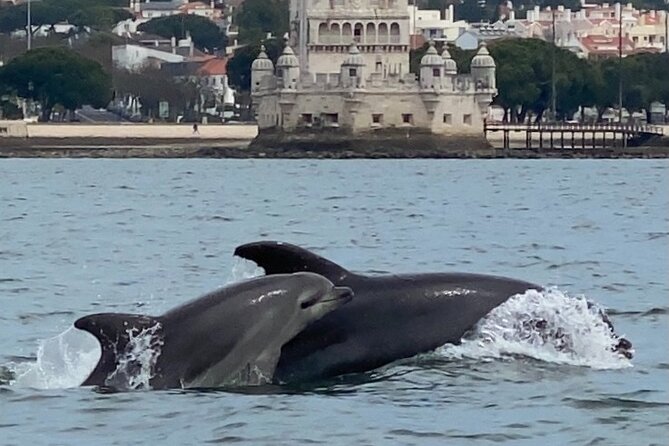
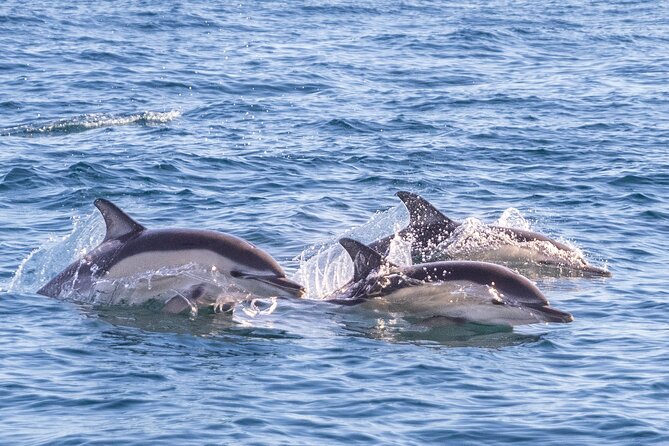
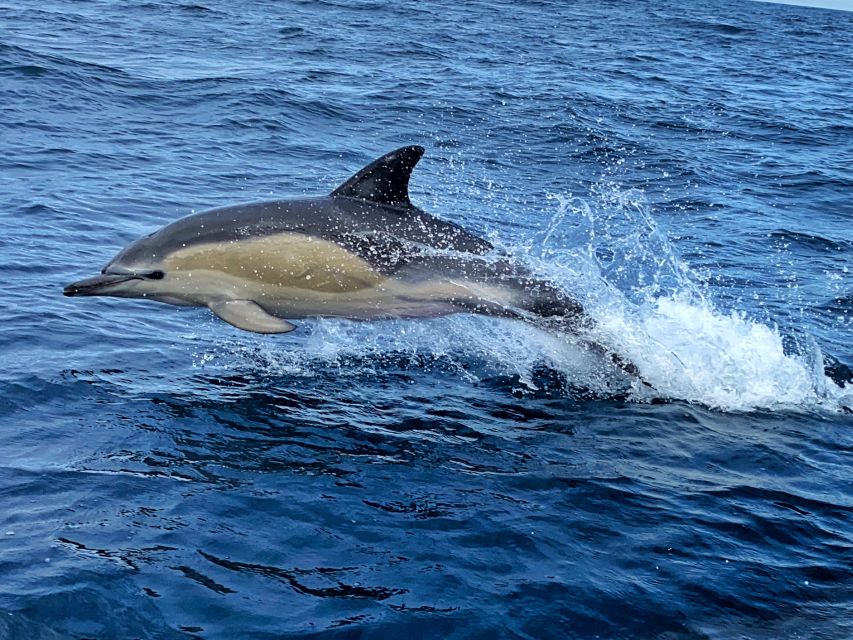
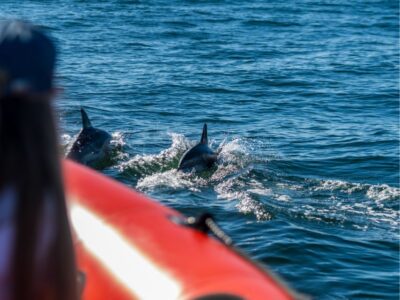
When dolphins appear, the boat slows down. The aim is not to chase them or force an encounter. The crew keeps a respectful distance and may remain with a pod for a while if the animals choose to stay nearby. You might see common dolphins, bottlenose dolphins, mothers with young, or several groups spread across the water.
Some outings have produced sightings of several pods and more than one species. Whales, orcas, sunfish, and seabirds have also been recorded on trips, but these are extra possibilities rather than promised stops. A sighting of any kind depends on weather, sea conditions, animal movements, and luck.
The best part is the setting. You are not watching a performance in a marine park. You are looking for animals that are feeding, traveling, resting, or playing on their own terms. That makes a distant glimpse meaningful, and a close pass especially exciting.
The conservation work behind the boat ride
This tour is linked with Lisbon Oceanário and ICNF, Portugal’s nature conservation authority. The crew collects observations for real-time cetacean monitoring, giving the trip a practical research role.
That matters because a marine biologist can add context that a standard sightseeing guide cannot. Instead of simply pointing and saying dolphin, the guide can explain what you are seeing and why the animals behave as they do. The information also helps you understand why the boat slows down and why feeding, touching, or crowding marine life is forbidden.
The crew has also been seen collecting plastic from the water during an outing. That small action fits the wider idea behind the trip: enjoy the sea, record what is found, and avoid treating wildlife as a prop.
I would book this over a wildlife tour that makes conservation claims without explaining the work. Here, the link to research and monitoring is part of the actual activity. It does not remove the uncertainty of finding animals, but it gives the trip a sounder purpose.
Fort of São Lourenço do Bugio from the water
The boat passes the Fort of São Lourenço do Bugio, the round fortress positioned at the mouth of the Tagus. From land, this fort can be difficult to appreciate because it sits out in the water. From the boat, you get a more natural sense of its position as a marker between the river and the Atlantic.
This is mainly a photo stop and sightseeing moment rather than a long shore visit. You should not expect to tour the fort on foot. The value is the angle: water around the structure, open sky beyond it, and Lisbon’s river entrance behind you.
The stop also breaks up the wildlife search. Three hours can feel long if every minute is spent scanning the sea, so these visual landmarks give you another reason to keep looking around.
Something different to do with a day in Lisbon:
- Lisbon City Center Tour – The Unmissable Lisbon
★ 5.0 · 22,234 reviews - Lisbon: Sintra, Pena, Regaleira, Cabo da Roca & Cascais
★ 4.7 · 19,656 reviews - Sintra: Pena Palace and Park Entrance Ticket
★ 4.2 · 17,410 reviews - Lisbon: Jerónimos Monastery Entrance Ticket
★ 4.1 · 14,164 reviews
The Cascais coast and the return to Lisbon
The boat continues toward the Cascais area, identified in the route as JJC6+RP Cascais. This is another photo and sightseeing point, with the coast viewed from offshore rather than from a road or promenade.
The coastal section is where the speed and exposure of the boat become most noticeable. Ocean conditions can change, and wind or swell may make the ride tiring. The operator monitors the forecast and can cancel when conditions are not suitable, offering another date or a full refund.
You should watch the weather forecast before leaving, but do not judge the trip only by sunshine. Wind gusts, cloud cover, swell, wave height, and currents all matter. A bright day can still produce a cold or bumpy ride. The crew provides windbreakers on some outings, and several people found them useful even during hot weather.
If you get seasick, eat a proper breakfast first and avoid milk and yogurt beforehand. That advice is practical rather than glamorous, but it may make the difference between enjoying the dolphins and spending the trip looking at the floor.
Lisbon landmarks from the Tagus
The return leg is more than a ride back to the dock. The boat passes Lisbon’s riverfront landmarks from a water-level viewpoint, including the Belém area and the 25 de Abril Bridge. You may also get views toward the city’s monuments that are hard to frame from the usual streets.
This is one of the tour’s best value points. You are paying for wildlife watching, but you also get a moving view of Lisbon that combines river, bridge, fort, coastline, and city. The river perspective gives familiar sights a different scale.
Some trips end with a lively final run, including turns and wave riding. That can be fun if you enjoy speedboats. If you prefer a calm cruise, tell yourself clearly what you are booking: this is an active boat trip with sightseeing included, not a slow panorama cruise.
Back at the Oceanic Lounge, you can relax after the ride. Coffee, tea, and pastel de nata have been offered after some trips, though food and drinks are not listed as standard inclusions, so you should not book expecting a full snack service.
What the $61 price really buys
At $61 per person, this is not the cheapest way to see Lisbon from the water. It is also not merely a three-hour boat taxi. The price includes the marine biologist, skipper and crew, fuel, insurance, life jacket, boat trip, and access to the lounge.
The value is strongest if you want three experiences in one:
- A serious attempt to find wild dolphins
- A guided lesson about marine life and conservation
- A river and coastal sightseeing trip
The research connection adds value for anyone who cares how wildlife tourism is run. You are not guaranteed a close encounter, but the crew is working toward responsible observation and data collection rather than staging an animal show.
The value is less clear if you only want a cheap city cruise. Lisbon has other ways to see the Tagus, and you may find a standard sightseeing boat more comfortable if you dislike speed, wind, or wave motion.
A private group is available, which could make sense for families or friends who want a more personal setup. The regular tour is the better choice for most people who enjoy meeting others and want to keep the price at $61.
Who should book, and who should think twice
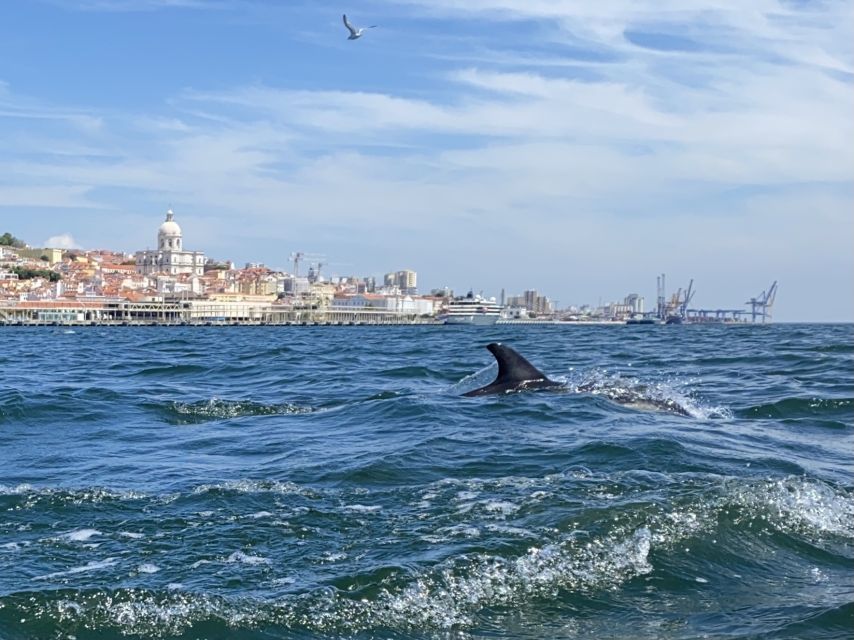
I would recommend this for adults, older children, couples, families with children aged five and up, and anyone who values wildlife over a fixed sightseeing script. It suits people who can handle a fast boat and remain patient when the sea is empty for a while.
The experience can work well for children. One family found the animals and boat ride exciting, and another child stayed engaged because the marine biologist kept the subject interesting. Still, young children can become seasick, and the minimum age is five.
You should think twice if you have back problems, recent surgery, serious mobility limits, or pregnancy. Wheelchair users cannot take this trip. Even without a listed restriction, anyone with body pain should know that sitting in a speedboat for three hours can make discomfort worse.
The tour is offered in English, Portuguese, and Spanish. Guides vary, but names praised on different outings include Mariana, Vanessa, Maria, Inês, Raquel, and Antonio. The exact guide matters less than the format: you will have a marine biologist explaining the wildlife rather than a guide giving only city facts.
Free cancellation is available up to 24 hours before departure. You can also reserve and pay later, which helps if your Lisbon plans depend on the weather.
How to make the most of your three hours
Arrive ready for the water, not just for Lisbon sunshine. Wear flat, comfortable shoes, bring layers, and keep your phone or camera secure. A windbreaker is worth packing even if the forecast looks warm.
Eat before you go, especially if you are unsure about boat travel. Avoid a heavy dairy-based breakfast if you often feel sick on the water.
Keep your expectations in the right place. The 97 to 98 percent figure is encouraging, but no responsible operator can control wild animals. The best attitude is to value the search, the sea views, the science, and the ride, with dolphins as the prize rather than the only reason the trip can succeed.
When animals appear, watch the crew. If the boat slows, keep your voice down and avoid sudden movement. Do not feed anything, touch marine life, or leave litter behind. The closer you get to the animal’s behavior, the less you need to do yourself.
Should you book this dolphin tour?
Book it if you want an active, useful, and wildlife-focused break from Lisbon’s churches and city streets. The combination of a marine biologist, open-water searching, conservation data, and riverfront views makes the $61 fare reasonable for the right person.
Do not book it if you need a guaranteed animal encounter, a smooth cruise, or easy access for mobility problems. The smart choice is to bring warm layers, accept the possibility of an empty sea, and treat the dolphins as wild neighbors rather than a scheduled attraction.
For nature lovers, families with sturdy older children, and anyone curious about Portugal’s coast, this is one of the better ways to meet the Atlantic without leaving Lisbon far behind.
FAQ
Where does the dolphin tour start?
It starts at the Mercedes-Benz Oceanic Lounge at Doca de Santo Amaro, Armazém 17, below the 25 de Abril Bridge.
How long does the experience last?
The boat tour lasts three hours, including the Tagus River, open-water wildlife search, coastal sightseeing, and return to Lisbon.
Are dolphins guaranteed?
No. Dolphins are wild and free. The operator reports sightings on approximately 97 to 98 percent of tours, but conditions and animal behavior can change.
What animals might I see?
You may see dolphins, whales, seabirds, and sunfish. Some trips have also recorded orcas, but no particular species is guaranteed.
Is a marine biologist included?
Yes. A marine biologist joins the trip and explains dolphins, marine life, and conservation. Tours are offered in English, Portuguese, and Spanish.
What should I bring?
Bring comfortable shoes, comfortable clothes, and a windbreaker. Windbreakers may also be provided, but the open water can feel cold even on a sunny day.
Who should not take this tour?
The experience is not suitable for children under five, pregnant women, people with back problems, wheelchair users, or people with recent surgeries. High heels, smoking, alcohol, drugs, littering, feeding animals, and touching marine life are not allowed.
Just reviewed in Lisbon
- Lisbon: Morning of Equestrian Art with Lusitano Horses★ 4.4 · 87 reviews
- Lisbon: Entry Tickets to Mosteiro de São Vicente de Foram★ 4.6 · 50 reviews
- Lisbon: National Palace of Ajuda E-Ticket & City Audio Guide★ 4.1 · 87 reviews
- Lisbon: Early Morning TukTuk Tour – hotel/cruise ship pickup★ 4.9 · 45 reviews
- Sintra: Quinta da Regaleira e-Ticket & Sintra City Audios★ 4.1 · 12 reviews
- Lisbon: E-bike Trip from the Sintra Mountains to Cascais Sea★ 5.0 · 67 reviews
- Lisbon E-Bike Tour TAGUS★ 5.0 · 3 reviews
- Lisbon: Discover Belem by electric Tuk Tuk★ 4.9 · 86 reviews
Lisbon Dolphin Watching Tours, compared.

Tagus River Cruise to the Ocean & Dolphin Watching
Read our review →
Dolphin Watching with a Marine Biologist – Ocean Safari
Read our review →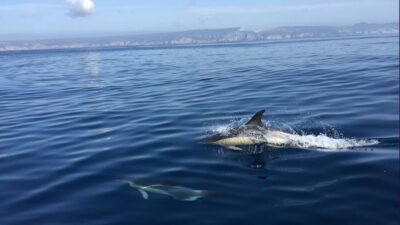
Arrábida Natural Park Dolphin Watching Boat Tour
Read our review →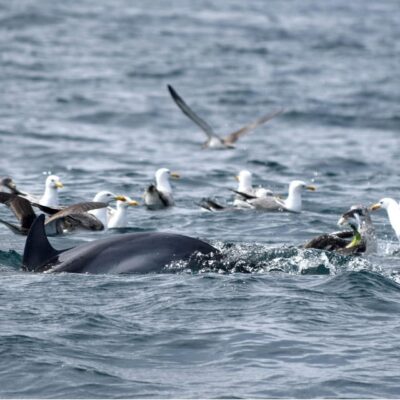
Browse the lists this tour appears in