
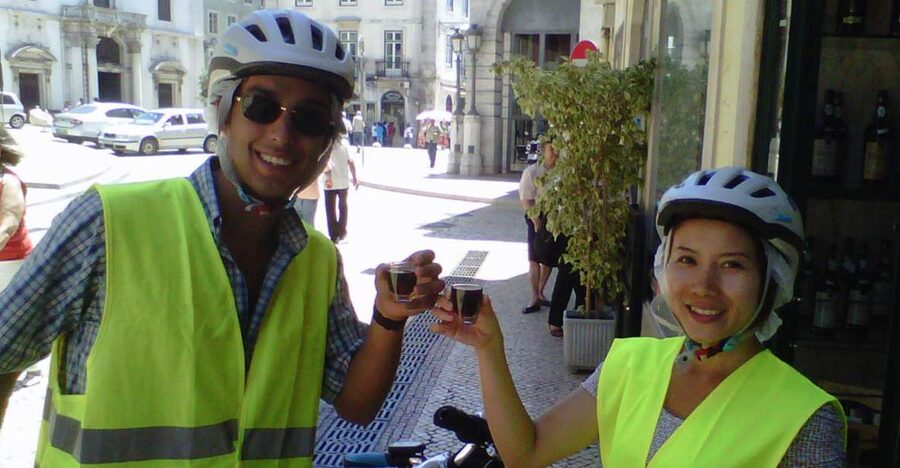
Reviewed · LISBON BIKE AND E-BIKE TOURS
Lisbon: Go Taste Electric Bike Tour
Lisbon’s best food often comes in small, everyday forms: a custard tart, a codfish pastry, a pork sandwich, or a glass of cherry liqueur. This four-hour tour links those tastes by electric bike, so you can cover more ground than on foot while still stopping in old pastry shops, cafés, taverns, and viewpoints.
I like the way the route mixes food with city history, rather than treating each tasting as a quick snack. I also like the full meal-sized spread, which includes pastel de nata, coffee, wine, beer, bifana, empada de galinha, sardines or soup, and ginjinha. The main caution is that food availability can change, so confirm the meeting point and ask what is included if you are booking around a holiday or busy weekend.
Key points at a glance
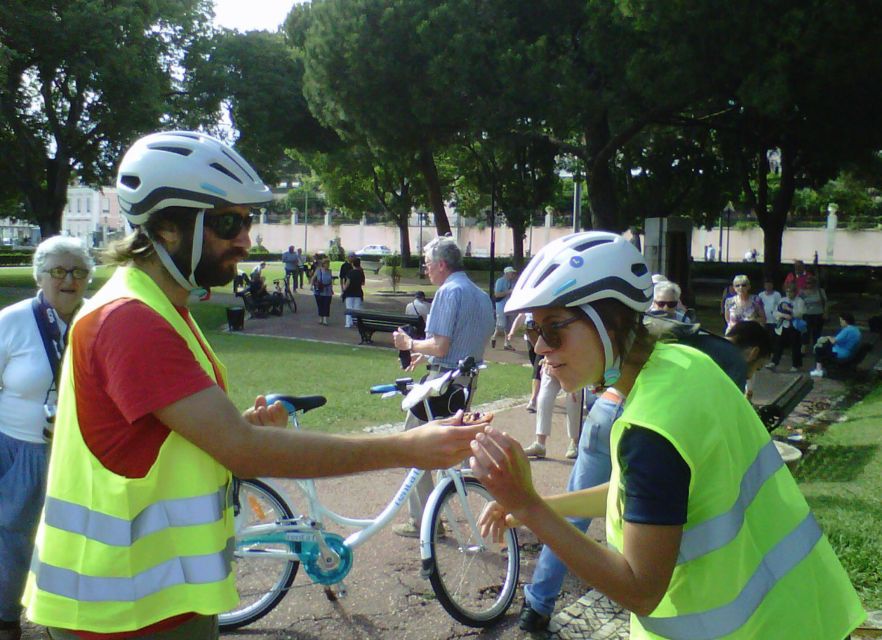
- Five food tastings and five drinks: Expect Portuguese coffee, pastel de nata, codfish pastry, bifana, chicken pie, sardines or soup, beer, white wine, red wine, ginjinha, and water.
- Electric bikes matter in Lisbon: The motor helps with the city’s many hills and lets you keep moving without turning the tour into a hard workout.
- A food route with real city context: Stops connect Lisbon’s eating habits with its streets, viewpoints, Fado area, and old neighborhoods.
- Named guides praised for their care: Diogo and Ricardo are specifically noted for their patience, local knowledge, and willingness to spend time with the group.
- Confirm the starting point: The meeting area is near Santa Apolonia Metro Station and the Fado Museum, but one family found the app information unclear.
- Plan to skip lunch: This is intended to function as a meal, not a light tasting walk.
Why an electric bike is the right tool for Lisbon
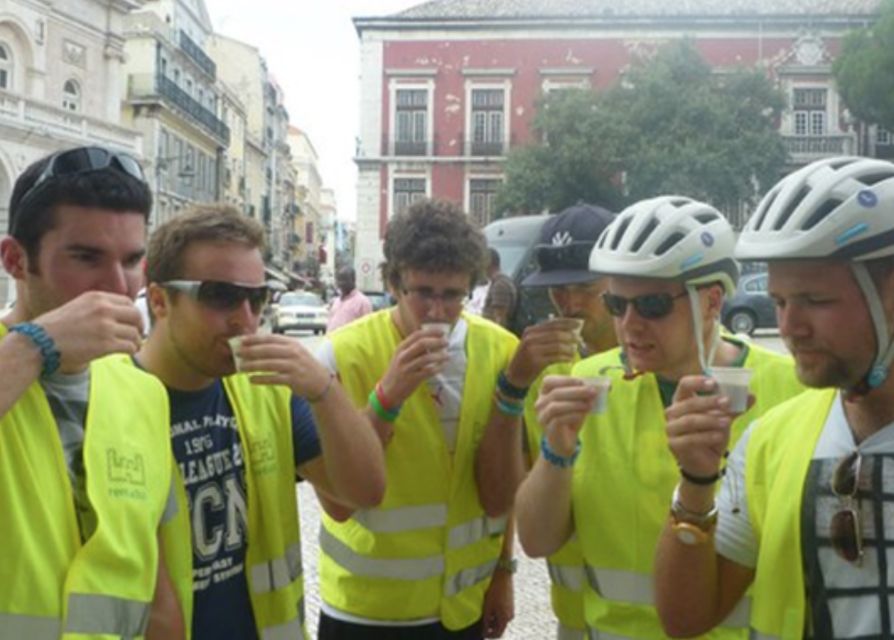
Lisbon is a city of steep streets, sudden climbs, and rewarding viewpoints. Walking is part of its charm, but a food tour on foot can leave you tired before the main meal begins. The electric bike gives you assistance on the climbs while preserving the fun of riding through the city.
The bike also makes the four-hour schedule more useful. Instead of staying in one neighborhood, you can connect central stops with Graça, Mouraria, the Tagus-facing viewpoints, and the area around Santa Apolonia. You get movement between tastings, but you are not expected to pedal hard all day.
I would still treat this as an active tour. You will spend a long stretch on a bike, and one family reported nearly five hours on bikes when the day ran long. The electric motor helps, but it does not remove the need for basic cycling comfort. Families should also consider how well younger children manage several hours of riding and eating.
More Lisbon Bike and E-Bike Tours:
- Lisbon: Hills, Alfama, and Mouraria Tour by Electric Bike
★ 4.8 · 3,438 reviews - Lisbon E-Bike Tour Commerce Square, Mouraria and Alfama
★ 4.5 · 1,688 reviews - Lisbon: 7 Hills Half-Day Electric Bike Tour
★ 4.9 · 1,592 reviews
Starting with coffee and pastel de nata
The food begins with Portuguese coffee at Amoreiras Garden and pastel de nata at Manteigaria. The custard tart is one of Lisbon’s essential tastes: crisp pastry, warm custard, and a soft center that makes a fine first stop.
Manteigaria is a useful choice because it is a well-known pastry shop rather than a generic café stop. You get a classic Lisbon bite in the setting of a specialist bakery. The tart is small, but it starts the meal in the right way and gives your guide an easy opening to explain the role of pastries in Portuguese daily life.
The coffee matters because it shows the ordinary side of the city’s food culture. This is not only a tour of grand dishes. You also get the quick coffee-and-pastry habit that locals use throughout the day.
The listed tastings also include pastel de massa terra at Doce Real. The name may be unfamiliar to many visitors, which is part of the appeal. You are not simply being handed the most famous Portuguese foods and sent on your way. You get a chance to try a less familiar pastry as well.
Views over the Tagus with a Portuguese beer
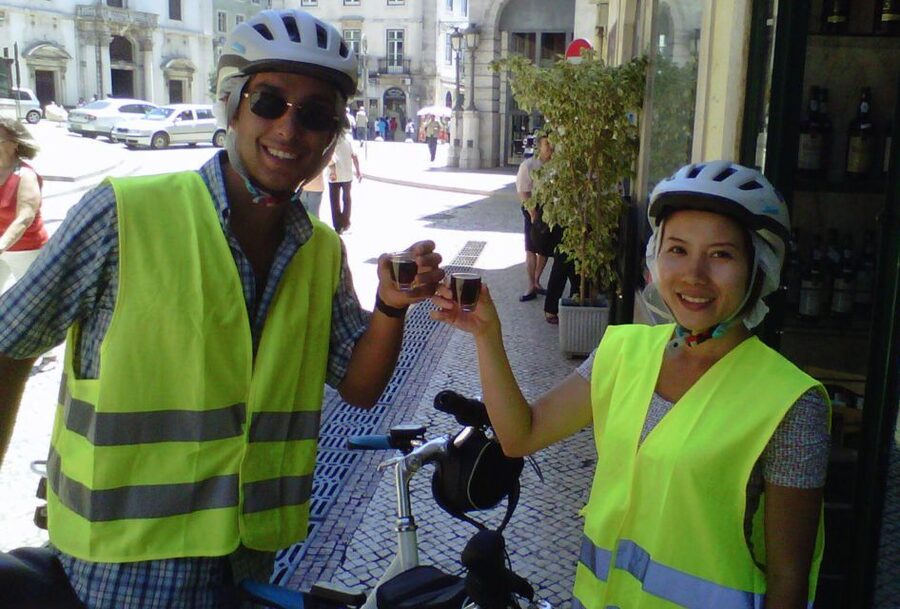
A Portuguese beer is served at a viewpoint overlooking the Tagus River. This is one of the tour’s best pairings: a simple local drink with a broad view and a break from the bike.
The viewpoint gives the route a pause between food stops. You can look across the river, catch your breath, and understand Lisbon’s position as a city shaped by water and trade. The drink is not presented as a formal tasting lesson, so expect a relaxed stop rather than a technical discussion of brewing.
The tour also includes white wine, red wine, water, and ginjinha liqueur. Since the route lasts four hours and includes several drinks, pace yourself. Water is included, and it is worth using the water stop rather than treating every tasting as a full serving.
Codfish pastry, wine, and Lisbon’s old center
At Martinho da Arcada, the planned food stop is pastel de bacalhau, a codfish pastry. Salt cod is one of Portugal’s most familiar ingredients, and this pastry turns it into a portable snack with a crisp outside and savory filling.
This stop also gives the guide a chance to explain why cod appears so often in Portuguese cooking. The value is not just the pastry itself. You begin to see how simple ingredients, preserved foods, and small café dishes fit into ordinary meals.
A glass of white or red wine is included in the drink plan. The specific order may vary, but the overall selection gives you more than one style of Portuguese drink. If you rarely drink alcohol, tell the guide early and take advantage of the water included in the tour.
Something different to do with a day in Lisbon:
- Lisbon City Center Tour – The Unmissable Lisbon
★ 5.0 · 22,234 reviews - Lisbon: Sintra, Pena, Regaleira, Cabo da Roca & Cascais
★ 4.7 · 19,656 reviews - Sintra: Pena Palace and Park Entrance Ticket
★ 4.2 · 17,410 reviews - Lisbon: Jerónimos Monastery Entrance Ticket
★ 4.1 · 14,164 reviews
The bifana and the everyday side of Portuguese food
At Sr. Afonso, you are scheduled to try a bifana. This is a classic Portuguese pork sandwich, usually valued for its direct, unfussy character. It is the kind of food that helps explain what people eat between sightseeing stops, rather than something reserved for a special occasion.
The bifana is important because it makes the tour feel like a look at daily Lisbon, not just a parade of postcard foods. I like that the route includes it alongside pastries, wine, and codfish. The range lets you compare sweet, salty, meaty, and liquid tastes across several types of local eating place.
This is also where the meal begins to feel substantial. Add the earlier pastry and coffee to the later stops, and you will understand why you do not need to schedule lunch after the tour. If you have a small appetite, eat lightly before setting out and avoid booking a heavy dinner immediately afterward.
Graça viewpoint and chicken empada
The route includes an empada de galinha at Graça Viewpoint. An empada is a filled pastry, and the chicken version brings another savory baked item into the tasting sequence.
Graça is a useful stop because the view gives the meal a sense of place. You are not only tasting food indoors. You are also connecting it with Lisbon’s high streets and lookout points. The city’s hills are part of the work of the ride, but they are also what create the views.
The electric bike is especially helpful here. The route’s hills are not a minor detail, and one successful family tour specifically credited the bikes with making the climbs feel effortless. That is a strong reason to choose this experience instead of a conventional cycling tour.
Mouraria, Dona Tina, and the final savory stop
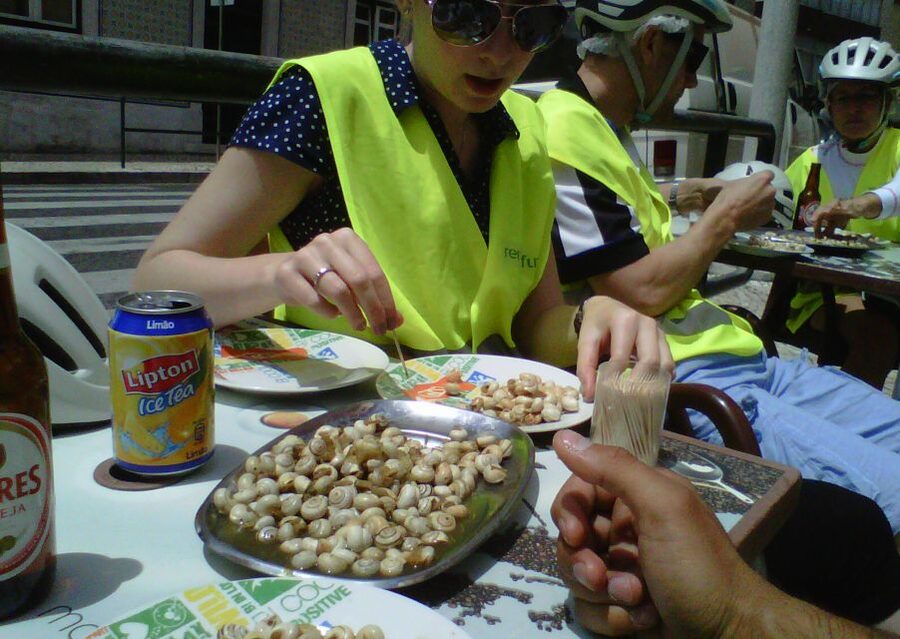
The planned stop in Mouraria is at Dona Tina, where you receive sardines or soup. The choice between the two may depend on the day or what is available, so ask your guide at the start if you have a preference.
This stop adds another piece of everyday Portuguese food. Sardines are closely tied to Lisbon’s food culture, while soup represents the simple, practical side of a Portuguese meal. The food may sound modest, but that is exactly why it belongs on a route focused on what residents eat.
Mouraria also brings the tour into one of Lisbon’s older central neighborhoods. The guide’s commentary helps give the food a setting, and this is where a strong guide can make a real difference. Diogo was praised for sharing Lisbon’s past with pride, while Ricardo was singled out for being patient and willing to let a family enjoy the morning without rushing them back.
What the guide adds to the ride
The tour is conducted in English, with a live guide. Guide quality matters here because the tastings are small and the route includes a lot of moving between stops. Without context, the experience could feel like a series of snacks interrupted by cycling.
The strongest guide feedback centers on history, patience, and personal attention. Diogo led a very small booking and was praised for his command of Lisbon’s past and his enthusiasm for the city. Ricardo led a family group and was described as patient, helpful, and unhurried.
Small groups can make a major difference. Several bookings became tours for only two people or one family, which can allow more conversation and a flexible pace. You should not assume every departure will be private, but the experience may feel personal when numbers are low.
One practical warning is worth taking seriously: a family found that the app showed the wrong meeting information. The stated meeting area is near Santa Apolonia Metro Station and the Fado Museum, but confirm the exact place with the provider before the morning of the tour.
Price, timing, and what the $76 covers
At $76 per person, this is not the cheapest way to sample Lisbon. But the price includes a four-hour guided route, electric bike use, five food tastings, five drink tastings, and the work of organizing stops across several parts of the city.
The value improves if you would otherwise pay separately for a bike rental, a food tour, and a short orientation to Lisbon. You are also covering ground that would take longer on foot, with the motor assistance taking much of the strain out of the hills.
The value drops if you mainly want a serious cycling experience or a sit-down restaurant meal. This is not a focused wine course, and it is not a long lunch at one restaurant. It is a moving food tour with many small portions and short stops.
The four-hour duration is a good fit early in your Lisbon visit. You can learn which dishes you want to try again and which neighborhoods deserve a return visit. A morning departure may carry on into the afternoon, so keep your schedule flexible afterward.
You can cancel up to 24 hours before the start for a full refund, and the reserve-now, pay-later option keeps your plans open. Those terms are useful when your Lisbon schedule is still changing.
Who will enjoy this tour most
I would recommend it to first-time Lisbon visitors who want a broad introduction to Portuguese food without spending a full day in restaurants. It also suits people who like learning through movement and want some city orientation built into a meal.
It is a good match for:
- Couples who want a relaxed but active half-day
- Families with children who can manage several hours on electric bikes
- Food-focused visitors who want both famous and less familiar items
- Visitors who find Lisbon’s hills tiring on foot
- People who prefer a guide-led route to planning several food stops themselves
You may want another type of experience if you have mobility limits that make bike riding difficult, dislike multiple small tastings, or want a quiet, seated lunch. The supplied information does not give accessibility details, so ask the provider directly before booking if that is important for you.
The main risk: food availability can change
One booking had a serious problem during the Easter weekend. Several food places were closed, and the group received much less food than planned. The guide still provided city history and a long electric-bike route, but that did not replace the missing meal.
This is the clearest weakness in the experience. The route depends on working cafés, pastry shops, and restaurants, so holiday schedules can affect what is served. If you book near Easter, another public holiday, or a day when closures are likely, contact the provider in advance and ask whether all listed stops will operate.
I would also confirm the meeting place, the day’s food plan, and whether sardines or soup will be served. These quick checks can prevent the two problems most likely to affect the day: arriving at the wrong place or expecting tastings that cannot be provided.
Should you book the Go Taste Electric Bike Tour?
Book it if you want a generous introduction to Lisbon food, city views, and local history in one active half-day. The electric bikes make the hills manageable, and the combination of pastel de nata, codfish pastry, bifana, chicken empada, sardines or soup, wine, beer, and ginjinha gives you a useful spread of Portuguese tastes.
I would be most comfortable booking it for a normal weekday or a day when the provider confirms the stops. The positive experiences point to guides such as Diogo and Ricardo making the difference, especially when the group is small. Just confirm the meeting point and food availability before paying.
FAQ
How long is the Lisbon Go Taste Electric Bike Tour?
The planned duration is four hours, though one booking ran close to five hours. Check the starting time and keep your schedule afterward flexible.
Where does the tour meet?
The meeting area is near Santa Apolonia Metro Station and the Fado Museum. Confirm the exact meeting point before the tour because one booking found the app location unclear.
Is the tour conducted in English?
Yes. The tour has a live English-speaking guide.
What food is included?
The planned food tastings include pastel de nata at Manteigaria, pastel de massa terra at Doce Real, pastel de bacalhau at Martinho da Arcada, bifana at Sr. Afonso, empada de galinha at Graça Viewpoint, and sardines or soup at Dona Tina in Mouraria.
What drinks are included?
The drink plan includes Portuguese coffee, one beer, white wine, red wine, ginjinha liqueur, and water.
Do I need lunch after the tour?
No. The experience is intended to function as a meal, with food served at every stop. You may want a light breakfast beforehand, but you are not expected to arrange lunch afterward.
Can I cancel the booking?
Yes. You can cancel up to 24 hours in advance for a full refund. The reserve-now, pay-later option lets you hold a place without paying immediately.
Just reviewed in Lisbon
- Private tour Lisbon – full day★ 5.0 · 8 reviews
- Private Tour: Portuguese Food and Wine Tour★ 5.0 · 33 reviews
- Lisbon Football Experience – Private stadium and Museum Tour★ 4.0 · 10 reviews
- Lisbon and Sintra Essence 8H – Private Tour★ 5.0 · 5 reviews
- Private Tour: Lisbon Sunset Walking Tour with Fado Show and Dinner★ 5.0 · 30 reviews
- Private Catamaran Tour: Lisbon coast cruise with barbecue and drinks★ 5.0 · 20 reviews
- Lisbon: Helicopter Tour over Cascais & Cabo da Roca★ 5.0 · 4 reviews
- Private Tour Fátima – Nazaré – Batalha – Óbidos★ 5.0 · 6 reviews
Lisbon Bike and E-Bike Tours, compared.

Hills, Alfama, and Mouraria Tour by Electric Bike
Read our review →
Lisbon E-Bike Tour Commerce Square, Mouraria and Alfama
Read our review →
Lisbon Bike Tour: Downhill Downtown Lisbon to Belém
Read our review →Browse the lists this tour appears in