Reviewed · TOURS
Lisbon’s Kickstart Tour with a Local
Lisbon’s past comes alive in its old lanes, especially in Mouraria and Alfama, where Fado, Moorish influence, Jewish heritage, and traditional Portuguese life meet. This walking tour gives you a quick introduction through stories, street art, viewpoints, pastry, and a historic ginjinha stop.
I like the focus on local neighborhoods rather than grand monuments, and I like the useful first-day mix of history, food, and orientation. Guides Igor and Katia are praised for their storytelling, humor, flexibility, and ability to point out art that is easy to miss.
The main consideration is the pace. The advertised tour lasts about 90 minutes, but one account describes a three-hour outing, so ask about timing if your schedule is tight. Lisbon’s hills and cobbles also call for comfortable shoes and water.
Key things to know before you book
- Mouraria gives the tour its cultural heart: Learn why this old quarter is tied to the birth of Fado.
- The walk ends in Alfama: You finish near the Fado Museum, well placed for further exploring.
- Food is included: A Portuguese custard tart, described as Lisbon’s best in 2019, is part of the experience.
- Ginjinha costs extra: The final tavern stop is included, but the cherry liqueur is not.
- Igor and Katia bring different strengths: Igor is praised for history and storytelling, while Katia is praised for her friendly approach and street-art knowledge.
- This is a small-group walk: A maximum of 15 people keeps the outing more personal than a large city tour.
Why this walk makes sense on your first day in Lisbon
Lisbon can feel confusing at first. Streets climb sharply, neighborhoods change character within a few blocks, and the same city can look very different from a hilltop, a tiled lane, or a Fado doorway. This tour helps you put the center together quickly.
You begin near Farmácia Mouraria on Rua da Mouraria, then walk toward Alfama. That route matters. Instead of simply checking off monuments, you move through two of Lisbon’s oldest quarters and see how the city’s culture developed in its streets.
I like this approach for a short visit. You get a broad introduction without spending half a day inside one museum. The route includes history, local food, public art, viewpoints, and a drink stop, so you get several useful clues about what to return to later.
The price is $24.02 per person. For roughly an hour and a half with a local guide, that is a reasonable orientation price, especially because the pastry is included. It is not a sightseeing tour with paid monument admissions, though, so you are paying mainly for the guide’s time, context, and route.
Still choosing? These other Lisbon trips come up in the same search.
- Lisbon City Center Tour – The Unmissable Lisbon
★ 5.0 · 22,234 reviews - Lisbon: Sintra, Pena, Regaleira, Cabo da Roca & Cascais
★ 4.7 · 19,656 reviews - Sintra: Pena Palace and Park Entrance Ticket
★ 4.2 · 17,410 reviews
Mouraria, where the Fado story begins
The first major stop is Mouraria, with about 30 minutes set aside for the neighborhood. This is the part of the walk most likely to shape your sense of Lisbon.
Mouraria is closely linked with the origins of Fado, Portugal’s famously emotional music. The tour presents the area through its cultural roots, history, art, and everyday streets. That combination gives you more than a quick explanation of a music genre. You begin to see why Fado belongs to particular corners of the city.
The neighborhood is also useful for understanding Lisbon’s layers. The route points to Moorish and Portuguese influences, while the wider walk brings in Jewish heritage as well. Those strands do not appear as a dry list of dates. They are part of the story of an old quarter where different communities shaped the city.
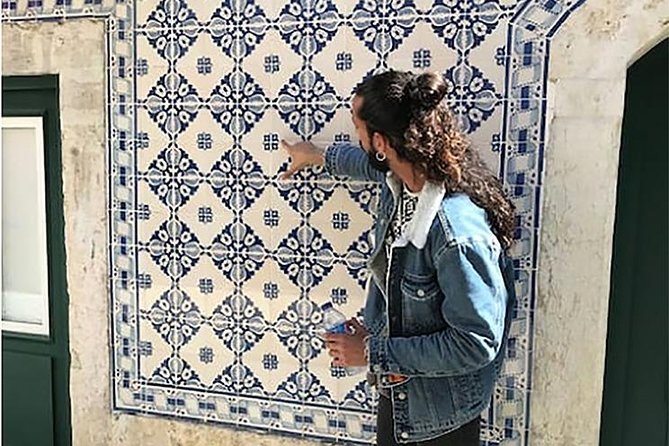
Street art is another strong feature here. One guide, Katia, is praised for finding impressive pieces of hidden art and explaining them with warmth. If you enjoy murals and small details, this may be one of the better reasons to choose this walk over a basic city-center orientation.
Igor’s style appears to lean toward storytelling, local interaction, and historical context. He is praised for explaining Lisbon in a relaxed way and for answering questions with humor and confidence. If you want a guide who can connect a street corner to the wider culture, his approach sounds especially well suited.
Do not expect Mouraria to be presented as a polished postcard district. Its appeal comes from the layers, the old streets, the art, and the sense that people still live here. Keep your attention up and around you. The best details may be on a wall, above a doorway, or in a short story about the neighborhood.
Miradouro Chão do Loureiro and Lisbon from above
The stop at Miradouro Chão do Loureiro lasts about five minutes. That sounds brief, but a viewpoint does not need a long visit to do its job.
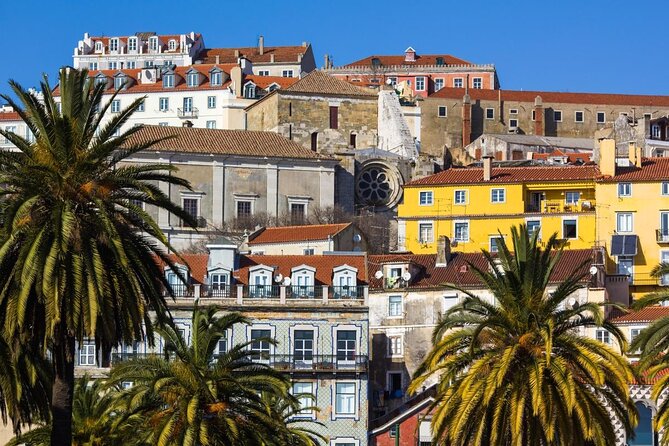
This is your chance to see Lisbon from above and get a clearer sense of the city’s hills and older center. A good guide can use a viewpoint to explain where you have come from and where the walk is heading. It turns the map in your head into something visible.
The short stop also tells you what this tour is not. It is not designed for long photo sessions at every lookout. You get a quick pause, a view, and then continue on foot. If you want quiet time at each miradouro, you will need to return on your own.
That is not a serious flaw for a kickstart tour. The point is to show you places worth revisiting. I would take a few pictures, listen to the orientation, and make a note of the viewpoint if you want to come back when the light is better.
A custard tart near the Church of St. Anthony
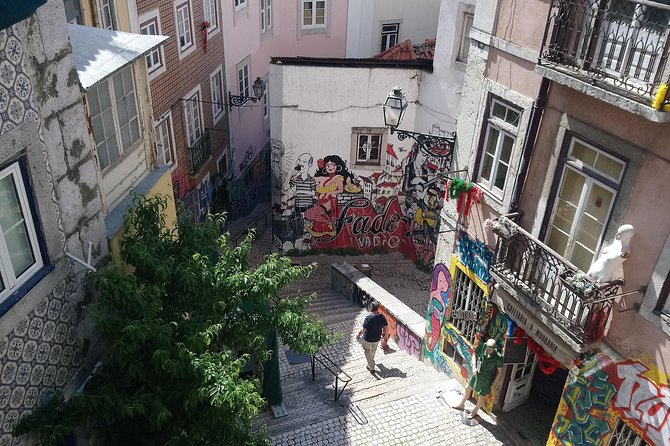
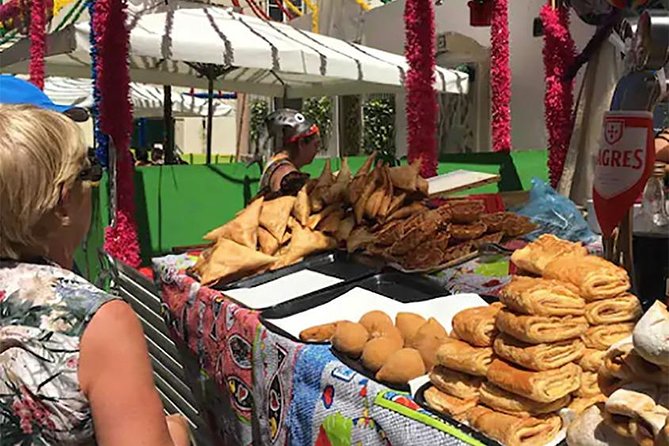
The Church of St. Anthony is paired with one of Lisbon’s most practical pleasures: a Portuguese custard tart. About 10 minutes are set aside for seeing the pastry being made and tasting one.
The tart is described as the best in Lisbon in 2019. That claim is part of the tour’s pitch, so treat it as a fun distinction rather than an official measure of every bakery in town. Still, a fresh pastel de nata is an excellent way to make a history walk feel connected to daily Portuguese life.
This stop adds value because the food is included. You do not need to budget extra for the pastry, although you may well want to compare it with other versions later. The tasting also gives the walk a welcome change of pace after the first neighborhood section.
The time is short, so you should not expect a full cooking class or a long bakery visit. You see the making process and taste the tart. That is enough to introduce the tradition without turning the tour into a food crawl.
The Church of St. Anthony also gives the guide another place to connect local belief, custom, and the old center. The supplied details do not promise an extended church visit, so think of this as a brief cultural and food stop rather than a church tour.
Something different to do with a day in Lisbon:
- Lisbon: Jerónimos Monastery Entrance Ticket
★ 4.1 · 14,164 reviews - Lisbon: History, Stories and Lifestyle Walking Tour
★ 4.8 · 10,902 reviews - Lisbon: Sunset Boat Party Cruise with DJ and Open Bar
★ 4.5 · 10,378 reviews - Lisbon: Pena Palace, Sintra, Cabo da Roca, & Cascais Daytrip
★ 4.7 · 9,981 reviews
Santa Luzia and the first look across Alfama
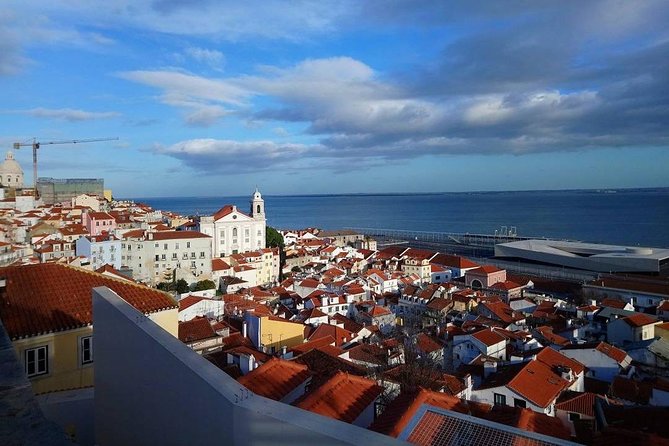
The Miradouro de Santa Luzia is another five-minute viewpoint. This time, the focus is Alfama.
Santa Luzia is a useful bridge between the tour’s two main neighborhoods. You have started in Mouraria, heard about Fado’s roots, and now look across an area often described as one of the souls of Fado in Portugal. The view helps you understand the shape of Alfama before walking into its lanes.
Again, the stop is short. I would not book this expecting a long, quiet viewpoint experience. You will get a quick look, a guide’s explanation, and a chance to take in the setting before moving on.
The benefit is efficiency. In a 90-minute walk, you still see two viewpoints without losing most of the time to standing in one place. If you are using the tour to decide where to spend the rest of your Lisbon visit, these short stops are helpful markers.
Alfama, the walk’s emotional center
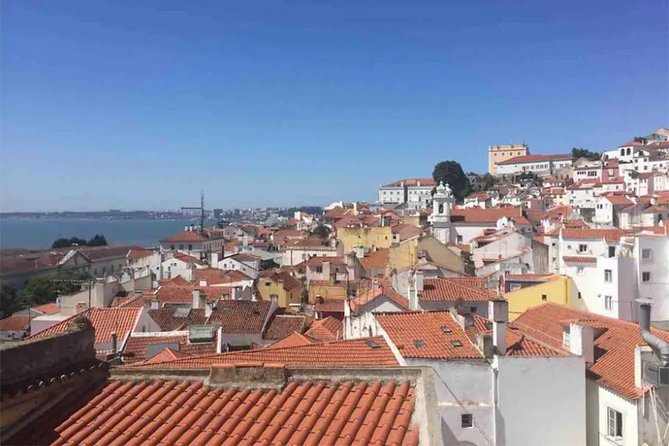
The Alfama section lasts about 30 minutes and is likely the strongest part of the route. It is one of Europe’s oldest neighborhoods, with Moorish, Jewish, and traditional Portuguese roots woven into its streets.
Alfama is best understood on foot. Its lanes and slopes make a simple map hard to read, and a local guide can point out how the neighborhood fits together. The tour frames Alfama as a central home of Fado, which gives the route a clear cultural theme rather than a random collection of old streets.
I like that Mouraria and Alfama are treated together. They are not identical neighborhoods, but hearing about both lets you compare their character. The walk gives you a short introduction to how old communities, music, religion, and street life shaped Lisbon.
You should also expect uneven ground and uphill walking. The tour requires a moderate level of physical fitness, and comfortable walking shoes are sensible. Water is another good idea, especially if the weather is warm. The supplied details do not promise a fully step-free route, so anyone concerned about hills or cobbles should ask the operator before booking.
Alfama is also where a guide’s personality matters most. Igor is praised for making people feel more like locals by the end of the walk. That does not mean you will learn every street or landmark in one visit. It means you should finish with a better feel for how to explore the district on your own.
Ginjinha in a tavern with four decades of continuity
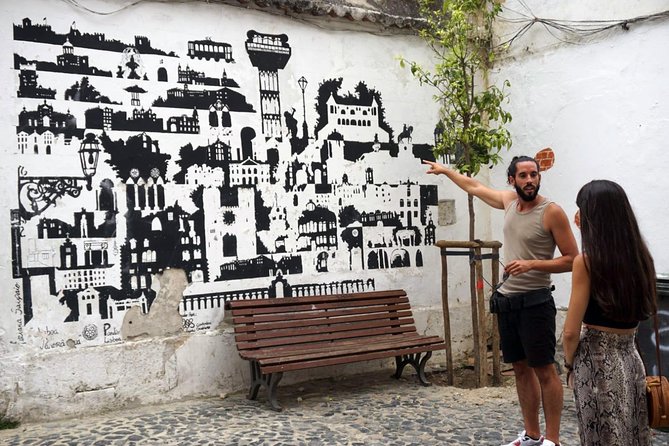
The final stop is Ginja de Alfama, a historic tavern that has sold ginjinha for more than 40 years under the same owner. This gives the tour a nicely local finish.
Ginjinha is a cherry liqueur associated with Portugal. The drink is not included in the tour price, so you pay separately if you choose to try it. The tavern visit itself is part of the route, but the available details do not say that you must order a drink.
This is a small but thoughtful ending. You move from the broad story of Lisbon to a single long-running local business. It is also a chance to ask the guide about the drink and the tavern’s place in neighborhood life.
If you do not drink alcohol, this stop need not make the tour unsuitable. Ginjinha is optional, and the tour includes plenty beyond the tasting. If you do want to try it, bring a little extra money and remember that it is not covered by the $24.02 price.
The route ends at Largo do Chafariz de Dentro, in front of the Fado Museum. That is a practical finish. You are left in Alfama, close to a major cultural stop and within a neighborhood worth exploring on your own.
What the guides add to the experience
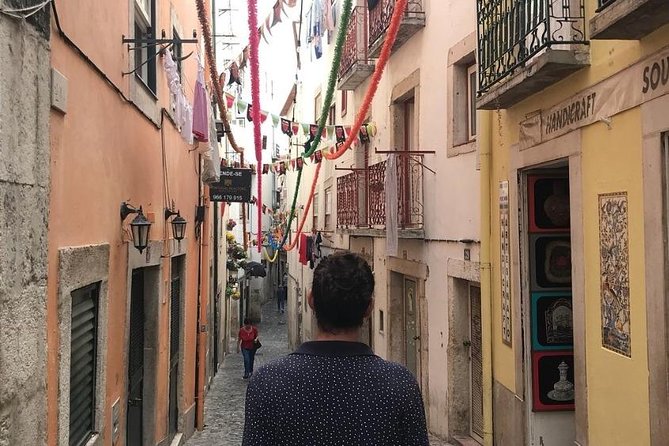
The guide is the main reason to book this walk. The route itself includes public viewpoints and neighborhoods you can visit without a ticket. What you are buying is the explanation, the route planning, and the local eye.
Igor receives particular praise for his passion for Lisbon, historical storytelling, relaxed manner, wit, and flexibility. He is described as someone who answers questions with authority while keeping the walk comfortable. That combination matters when you have only a short time in the city.
Katia is praised for her friendliness and her ability to show hidden street art. If your interests lean toward murals, creative details, and an easy conversational style, she may be an especially good fit.
The tour is offered in English. Group size is capped at 15 people, which should help keep questions possible and make it easier to hear the guide in narrow streets. It is not a private walk, so the exact feel will depend on the group, but the limit is modest for a city tour.
The accounts connected with the tour describe the experience as fun, insightful, and useful for a first visit. I would place the greatest value on the guides’ ability to connect places rather than on the number of stops alone.
Who will get the most from this Lisbon walk
This tour suits you best if you are visiting Lisbon for the first time, have limited time, or want a local introduction before exploring alone. It is also a good fit if you enjoy food, street art, Fado, and neighborhood history more than formal museum visits.
It works well for people who want a light cultural walk. You are not expected to spend hours inside attractions, and the free outdoor stops keep the price down.
The tour may be less suitable if you want a slow photography outing, a detailed architectural study, or a long food tour. The itinerary moves quickly, and some stops last only five or ten minutes.
It also requires moderate fitness. Lisbon’s old center is hilly, and comfortable shoes matter. Service animals are allowed, and the route is near public transportation, but the supplied details do not provide a full accessibility description.
The tour is also useful for families or mixed-interest groups because it changes subject often. One person can enjoy Fado history, another can focus on art, and everyone gets a pastry and viewpoints. The short duration may be easier for a group than a long museum-heavy walk.
Timing, cancellation, and practical value
The stated duration is approximately 1 hour and 30 minutes. The six stops add up to a compact route: 30 minutes in Mouraria, short viewpoint pauses, a pastry stop, 30 minutes in Alfama, and the final tavern visit.
One account describes a three-hour tour, while the listed duration is about 90 minutes. That difference may reflect a flexible pace or a longer version of the walk, so confirm the expected finish time if you have a train, reservation, or timed attraction afterward.
The meeting point is Farmácia Mouraria, Rua da Mouraria 8 16, Lisbon. The walk ends at Largo do Chafariz de Dentro, in front of the Fado Museum. Starting and finishing in different neighborhoods is useful because you cover ground instead of returning to the starting point.
You receive confirmation at booking, and the activity is offered with a mobile ticket. It requires good weather and a minimum number of participants. If poor weather or low enrollment causes cancellation, you are offered another date or experience, or a full refund.
Free cancellation is available up to 24 hours before the start time. Within 24 hours, the amount paid is not refunded, and changes are not accepted. That policy is worth noting if your Lisbon plans are still shifting.
At $24.02, the tour offers good value if you want orientation and a guide’s local context. The pastry is included, but the ginjinha is not. You are not paying for admissions, so the value rests on the quality of the walk and the guide.
Should you book Lisbon’s Kickstart Tour with a Local?
I would book it as an early Lisbon activity, especially if you are new to the city or have only a brief stay. The combination of Mouraria, Alfama, Fado stories, street art, viewpoints, custard tart, and an optional ginjinha gives you a useful first taste of Lisbon without taking up a full day.
Choose it for local context and orientation, not for long visits inside monuments. Wear good shoes, bring water, and allow some flexibility around the finish time. If you want a compact walk led by an engaging guide such as Igor or Katia, the price is fair and the route has real character.
FAQ
How long does Lisbon’s Kickstart Tour with a Local last?
The advertised duration is approximately 1 hour and 30 minutes. One account describes a three-hour outing, so you should confirm the expected timing if you have other plans.
How much does the tour cost?
The price is $24.02 per person.
What language is the tour offered in?
The tour is offered in English.
Where does the tour start?
The meeting point is Farmácia Mouraria, at Rua da Mouraria 8 16, 1100-364 Lisboa, Portugal.
Where does the tour end?
The walk ends at Largo do Chafariz de Dentro, in Alfama, in front of the Fado Museum.
Is food included?
Yes. A Portuguese custard tart is included, described as the best custard tart in Lisbon in 2019.
Is ginjinha included in the price?
No. Alcoholic beverages, including ginjinha, are not included.
How many people can join the tour?
The tour has a maximum group size of 15 people.
Is the tour suitable for people with limited mobility?
The activity requires a moderate level of physical fitness. The provided details do not give a full accessibility description, and the route includes Lisbon’s old neighborhoods and hills.
Can I cancel for a full refund?
Yes, if you cancel at least 24 hours before the experience start time. Cancellations made less than 24 hours in advance are not refunded. Poor weather or failure to meet the minimum number of participants can lead to another date, another experience, or a full refund.
Just reviewed in Lisbon
- SINTRA – CABO DA ROCA – CASCAIS: A magical escape★ 5.0 · 33 reviews
- Private Tour to Fátima Nazaré and Óbidos from Lisbon★ 5.0 · 34 reviews
- Exclusive Private Tour to Sintra, Pena Palace & Cascais★ 5.0 · 91 reviews
- Tomar and Castle of Almourol Private Full-Day Tour from Lisbon★ 4.5 · 3 reviews
- Private Tour to Évora with Wine tasting★ 5.0 · 3 reviews
- Fatima e Tomar Full Day Private Tour from Lisbon★ 4.0 · 4 reviews
- From Lisbon to Sintra, Cabo da Roca + Wine Tasting, Hotel Pick-Up★ 5.0 · 13 reviews
- Private Tour of Sintra and Pena skip the line tickets★ 5.0 · 32 reviews
Tours, compared.

Lisbon City Center Tour – The Unmissable Lisbon
Read our review →

True 4Hour Private Tuk Tuk Tour: Discover Lisbon with a Local!
Read our review →
Winner 2025 Undiscovered Lisbon Food & Wine Tour by Eating Europe
Read our review →
Sintra, Pena, Cabo da Roca, Cascais Tour with Pickup
Read our review →

Best of Lisbon Small-Group Guided Walking Tour
Read our review →