
Reviewed · LISBON
Portuguese flavors in a typical village home
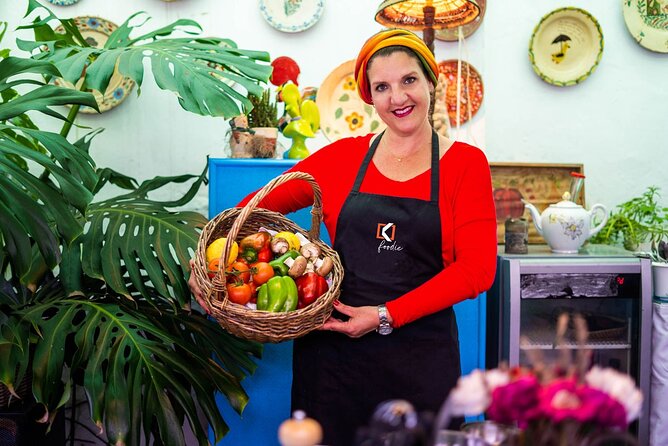
The best part of this experience is the setting: you cook and eat in Katija’s more-than-100-year-old family home in a small village near Lisbon. The afternoon mixes food with family stories, garden ingredients, Portuguese history, and easy conversation around the table. It feels more like being welcomed into a home than attending a formal cooking school.
I like the small maximum group of six, which gives Katija room to adapt dishes for allergies, dietary preferences, and the season. I also like the short trip from Lisbon, Sintra, or Cascais, plus the included wine, tea, water, full meal, and recipe e-book. The main consideration is that this is a relaxed, informal cooking experience, not an advanced culinary course. One dish may involve only a few hands-on steps.
Key points to know before booking
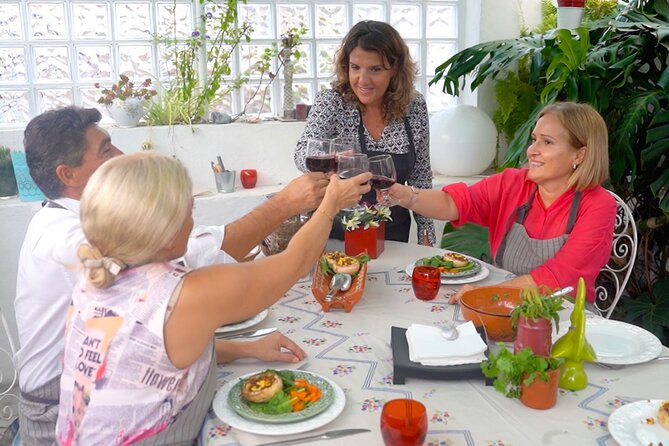
- A 100-year-old family home: Katija shares stories, photographs, and family objects connected with the house and village.
- A seasonal Portuguese menu: The main dish changes with the season and can be adapted for dietary needs when arranged properly.
- Small-group cooking: The maximum is six people, making conversation and personal guidance easier.
- A full meal is included: You receive starters, a main course, dessert, wine, tea, and water.
- Convenient but not central: The meeting point is at Igreja de São Bento de Valejas, reachable from Lisbon, Sintra, or Cascais by car or train.
- More cultural than technical: Expect stories, food traditions, and shared preparation rather than complex chef training.
Leaving Lisbon for a village table
Lisbon is close, but this experience changes the pace quickly. The meeting point is Igreja de São Bento de Valejas in Barcarena, roughly 20 minutes from Lisbon by car according to the activity description. You can also approach the area by train, and a few details in the experience suggest that a pickup from the nearest station may sometimes be arranged, but private transportation is not included.
That distinction matters. You should not book this expecting a driver to collect you from your hotel. Plan your route to Valejas carefully, especially if your cooking date falls on a Sunday, a holiday, or a day when local transport runs less often.
The start time is 1 p.m., and the experience lasts about three hours. That makes it a substantial afternoon rather than a quick lunch stop. You return to the same meeting point at the end, so allow extra time for getting back to Lisbon or continuing toward Sintra and Cascais.
The setting is part of what you are paying for. Instead of a restaurant dining room or a polished cooking studio, you enter a village home in a peaceful valley. The surroundings help explain why the experience feels different from a standard city food tour. You are not simply being served a finished dish. You are given time to talk, look around, and understand the personal connection between the host, the home, and the food.
Still choosing? These other Lisbon trips come up in the same search.
- Lisbon City Center Tour – The Unmissable Lisbon
★ 5.0 · 22,234 reviews - Lisbon: Sintra, Pena, Regaleira, Cabo da Roca & Cascais
★ 4.7 · 19,656 reviews - Sintra: Pena Palace and Park Entrance Ticket
★ 4.2 · 17,410 reviews
Meeting Katija in a century-old home
Katija is the host, cook, and storyteller. Her approach is warm and personal, with the home itself serving as part of the lesson. She may share photographs of her family and objects connected with her grandfather and other relatives, giving you a clearer sense of how food, place, and family life overlap in Portugal.
I find that setting especially useful for understanding traditional cooking. A recipe can tell you what to chop and when to add it. A host can also explain why a dish became popular, how ingredients were preserved, and what the food means in daily life.
The atmosphere is informal. You may sit with another couple, a family, or have the afternoon almost to yourself if the date is lightly booked. Since the group limit is six, you should have a reasonable chance to ask questions and talk directly with Katija.
This is also a good choice if you want contact with a local person without committing to a large group excursion. The experience is built around conversation. Past examples include discussions about Portuguese history, food customs, family life, travel, and the host’s own experiences growing up in a Portuguese colony.
That personal focus is a strength, but it also means the experience can vary with the group. If you prefer a tightly scripted class with exact timings and a printed workstation for every participant, this may feel loose. If you like an afternoon that develops naturally around food and conversation, the relaxed format should suit you well.
Starting with olives, cheese, and local drinks
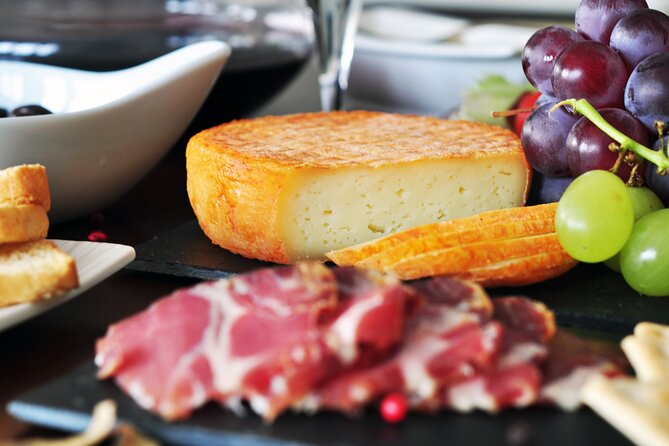
The meal begins with typical Portuguese starters. Expect olives, cheese, local jam, and toast, accompanied by a welcome drink. The included choices are red or white wine, tea, and water.
This opening is more than a snack. Portuguese meals often begin with simple items that encourage people to settle in and talk. It gives Katija time to explain what you will prepare, introduce the ingredients, and tell stories about Portuguese food before the main cooking begins.
You might receive local tea, and one particularly memorable option described in the experience is lemon verbena tea made with leaves picked from the garden. Fresh herbs from the garden may also appear in the cooking. These small touches connect the food to the home in a way that a commercial kitchen cannot easily copy.
The drinks are included, but this is not presented as a wine tasting. Wine is part of the meal and social setting rather than the central subject. If you do not drink alcohol, tea and water are available.
Cooking a seasonal Portuguese main course
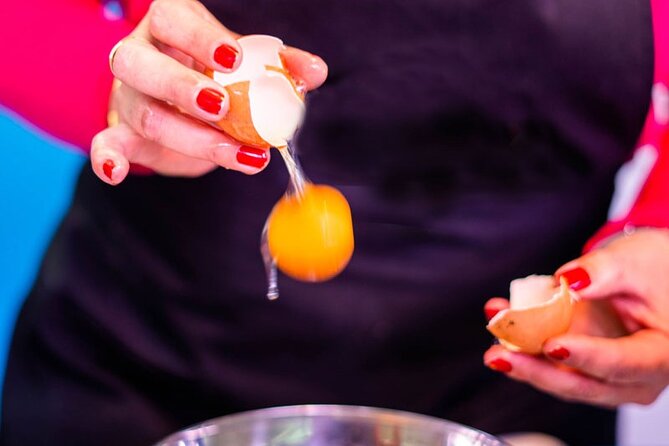
The main dish is not fixed year-round. Katija adapts the menu to the season, food allergies, dietary restrictions, and personal preferences. That flexibility is useful, but you should provide accurate dietary information when booking and confirm any serious allergy concerns in advance.
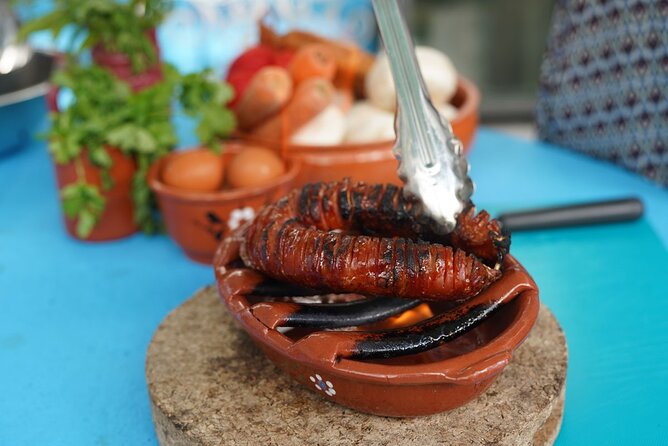
Past meals have included seafood, octopus rice, beans with squid, chorizo and vegetables served with garlic rice, cod dishes, soup, and other hearty Portuguese preparations. The ingredients are selected for freshness, and garden produce may be used when available.
This changing menu is one of the most appealing parts of the activity. Portuguese food is not just bacalhau and custard pastries, though dried cod has a major place in the country’s food culture. Katija may explain how bacalhau is prepared and why one ingredient can appear in so many home recipes across Portugal and the Iberian Peninsula.
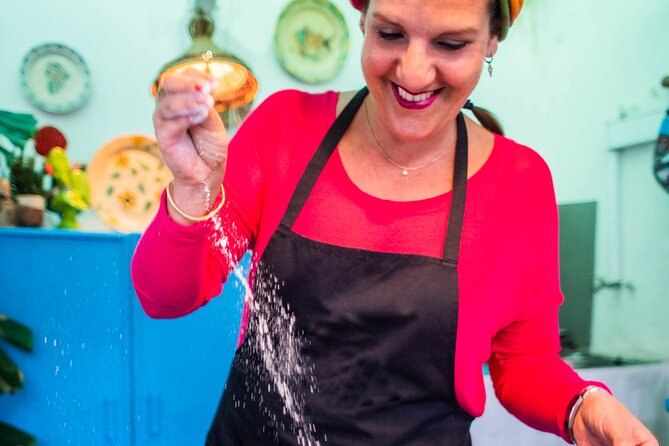
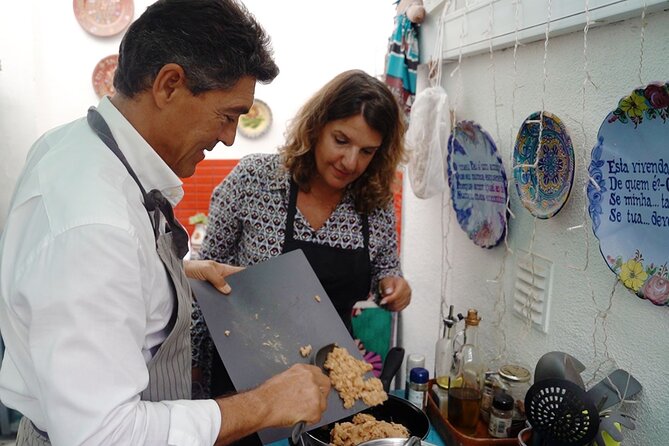
You can expect to help with manageable jobs such as slicing vegetables, preparing onions and peppers, adding rice or seafood, and working with herbs and aromatics. The exact division of tasks depends on the menu and on how actively you want to participate.
Here is the important qualification: this is not necessarily a full hands-on class from start to finish. Some ingredients may already be prepared, and one main dish may involve fairly simple steps. One previous participant wanted more complex cooking and more time doing the work personally. That is a fair point to consider.
I would choose this experience for the cultural setting and shared meal first, and for technical cooking instruction second. You will learn traditional recipes and methods, but you may not leave ready to work in a Portuguese restaurant kitchen.
Something different to do with a day in Lisbon:
- Lisbon: Jerónimos Monastery Entrance Ticket
★ 4.1 · 14,164 reviews - Lisbon: History, Stories and Lifestyle Walking Tour
★ 4.8 · 10,902 reviews - Lisbon: Sunset Boat Party Cruise with DJ and Open Bar
★ 4.5 · 10,378 reviews - Lisbon: Pena Palace, Sintra, Cabo da Roca, & Cascais Daytrip
★ 4.7 · 9,981 reviews
Stories served alongside the food
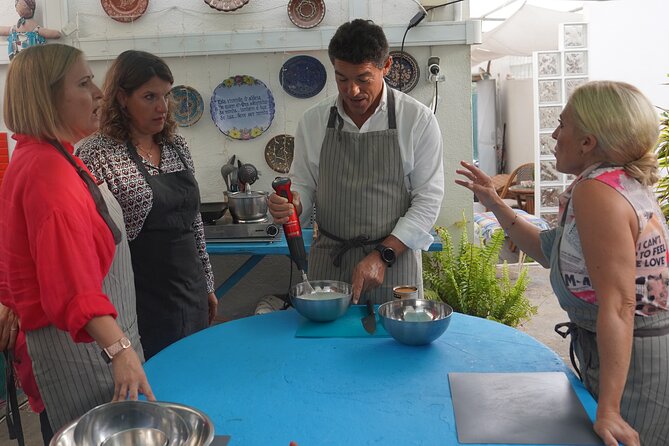
Katija’s stories are a central part of the afternoon. While the meal comes together, she explains the history behind ingredients and dishes, the connection between Portuguese food and the country’s past, and details about the village and family home.
The best value here is context. You may learn why simple dishes are so important in Portuguese cooking. A recipe built around beans, rice, cod, seafood, sausage, or seasonal vegetables often reflects household practicality and the need to make good food from available supplies.
You may also hear about preserving vitamins and keeping ingredients close to their natural qualities. That adds a useful food lesson without turning the afternoon into a lecture.
The conversation continues while you eat. This is where the experience becomes more than a cooking demonstration. You have time to ask about Portugal, compare family food traditions, and get practical suggestions for the rest of your trip. One account describes receiving useful travel advice that helped reduce later transport costs.
Do not expect a formal history presentation with dates and slides. The information arrives naturally, connected to the food in front of you and to Katija’s own life. For many people, that personal approach will be more memorable than a standard lecture. For others, the lack of a fixed structure may feel less academic.
Dessert and the long Portuguese meal
Dessert is selected from Portugal’s wide range of traditional sweets. The host may choose a dessert based on the season, and options can involve dairy and eggs or fruit prepared with a special touch.
Past dessert examples include whipped cream with coffee served over biscuits. Other desserts may be more traditional or fruit-based. The exact choice is not guaranteed, so book this for the overall meal rather than one specific sweet.
The meal ends at the table, usually with more conversation. You should expect to leave well fed. This is a complete lunch rather than a tasting portion: starters, a main course, dessert, and drinks are included in the price.
That makes the three-hour duration feel sensible. You are not rushing through a recipe, eating quickly, and leaving. The point is to let the food and conversation take time. If you have a timed afternoon train or a fixed reservation immediately afterward, leave a generous buffer.
What $106.65 buys you
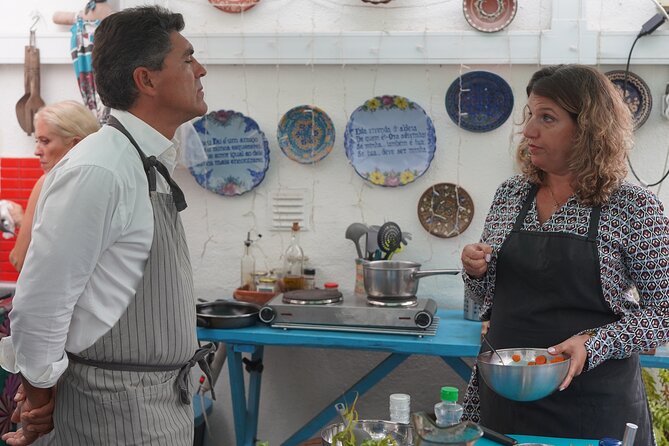
The price is $106.65 per person. On paper, that is more than a basic market snack or an elementary group cooking class. The value depends on what you want from the afternoon.
If you want a technical workshop with several complicated dishes, individual equipment, and extensive time at the stove, the price may feel high. The cooking itself can be fairly simple, and some preparation may be done before you arrive.
If you value a small group, a home setting, a full meal, drinks, personal stories, seasonal ingredients, and an afternoon outside central Lisbon, the price is easier to justify. You are paying for hospitality and access to a private family setting as much as for the recipe.
The included recipe e-book adds practical value. It is sent after you share your opinion, and it can include the dishes prepared during the session along with other recipes offered by Katija. That gives you a way to recreate part of the experience at home instead of leaving with only a photograph.
I would compare this price with a restaurant meal plus a separate cultural activity. Here, the food, conversation, setting, and instruction are combined. The decision comes down to whether that personal contact matters to you.
Who will enjoy this most
I would recommend this to couples, families, solo visitors, and small groups who want a slower afternoon with a local host. It can work particularly well for people who have already seen Lisbon’s main sights and want a different view of the area.
It also suits families with older children who enjoy food and conversation. A 12-year-old home cook reportedly found the afternoon especially engaging, which suggests the format can work well for a child who already likes preparing food.
This is a good match for you if:
- You prefer home cooking to polished restaurant presentation.
- You want to hear personal stories about Portuguese food and family life.
- You are happy with a relaxed pace and simple, shared preparation.
- You have dietary needs that can be discussed ahead of time.
- You are staying in Lisbon, Sintra, or Cascais and can manage transport to Valejas.
You may want another activity if you need a fully structured professional class, a guaranteed dish, extensive knife skills, or a central Lisbon meeting point. The experience is also less suitable if you dislike seafood, since examples include octopus, squid, shrimp, and cod, although the menu is adapted to preferences when possible.
Practical details that affect your choice
You receive confirmation when booking, and mobile tickets are accepted. The experience is offered in English. Service animals are allowed, and the meeting point is near public transportation.
The group maximum is six people. That is small enough for a more personal afternoon, but the exact feel depends on who books the same date. You may share the table with another couple or family.
Free cancellation is available up to 24 hours before the 1 p.m. start time for a full refund. Changes made inside that window are not accepted, and late cancellations are not refunded. The activity requires good weather, so poor conditions may lead to a different date or a full refund.
Since private transportation is not included, check the route to Igreja de São Bento de Valejas before booking. If you are relying on a train, confirm the connection and allow time to walk from the station. Do not assume a hotel pickup.
Should you book Portuguese Flavors in a Typical Village Home?
Book it if you want a personal food experience near Lisbon, not just a cooking lesson. Katija’s family home, garden ingredients, local stories, seasonal menu, and small group give the afternoon a clear sense of place.
The biggest strength is the combination of food and hospitality. You can learn about bacalhau, seafood, rice, herbs, preserving ingredients, and Portuguese family cooking while sharing a real meal in a home with more than a century of history.
The main weakness is equally clear: the cooking may not be demanding enough for an experienced home chef looking for advanced instruction. The price also asks you to value conversation and setting, not only the amount of time you spend chopping.
For most visitors who want an authentic break from central Lisbon, I think the balance is favorable. Arrange your transport, share your dietary needs in advance, and arrive ready to talk as well as cook. If that sounds like your kind of afternoon, this is a strong choice.
FAQ
Where does the experience take place?
It begins at Igreja de São Bento de Valejas in Barcarena, Portugal, in a village near Lisbon. The activity ends at the same meeting point.
How long does the cooking experience last?
It lasts approximately three hours and begins at 1 p.m.
What food and drinks are included?
The price includes Portuguese starters, a seasonal main course, dessert, red or white wine, tea, and water.
Is the menu fixed?
No. Katija adapts the menu to the season, dietary restrictions, and personal preferences.
How many people can join?
The maximum group size is six people.
Is transportation from Lisbon included?
No. Private transportation is not included. The meeting point is near public transportation and can be reached from Lisbon, Sintra, or Cascais by car or train.
What happens if the weather is poor?
The experience requires good weather. If it is canceled because of poor weather, you will be offered another date or a full refund.
Just reviewed in Lisbon
- Private tour Lisbon – full day★ 5.0 · 8 reviews
- Private Tour: Portuguese Food and Wine Tour★ 5.0 · 33 reviews
- Lisbon Football Experience – Private stadium and Museum Tour★ 4.0 · 10 reviews
- Lisbon and Sintra Essence 8H – Private Tour★ 5.0 · 5 reviews
- Private Tour: Lisbon Sunset Walking Tour with Fado Show and Dinner★ 5.0 · 30 reviews
- Private Catamaran Tour: Lisbon coast cruise with barbecue and drinks★ 5.0 · 20 reviews
- Lisbon: Helicopter Tour over Cascais & Cabo da Roca★ 5.0 · 4 reviews
- Private Tour Fátima – Nazaré – Batalha – Óbidos★ 5.0 · 6 reviews