
Reviewed · LISBON DOLPHIN WATCHING TOURS
Lisbon: Dolphin Watching with Marine Biologist
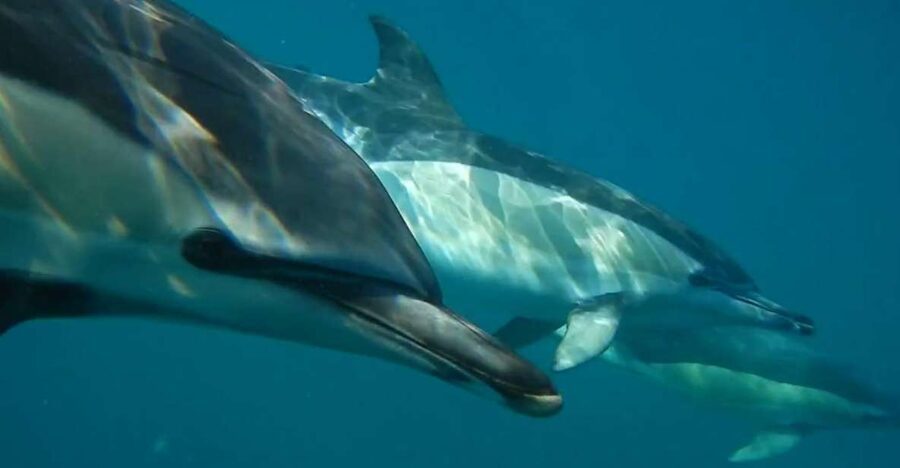
Lisbon’s dolphin-watching trip gets you out of the city and into the Atlantic in a fast, compact RIB boat. The real prize is not a staged animal encounter, but the chance to find dolphins on their own terms, with a marine biologist explaining their behavior as you watch.
I like the small-group feel and the crew’s clear respect for wildlife. I also like the mix of natural and city views: you may spend time scanning open water, then finish with Belém Tower and the Monument to the Discoveries sliding past the boat.
The main thing to consider is the ride. A small boat can be exciting and comfortable in good conditions, but rough water can make it bumpy. Dolphins are wild, too, although SeaEO reports a 97 percent sighting rate.
Key points to know before booking
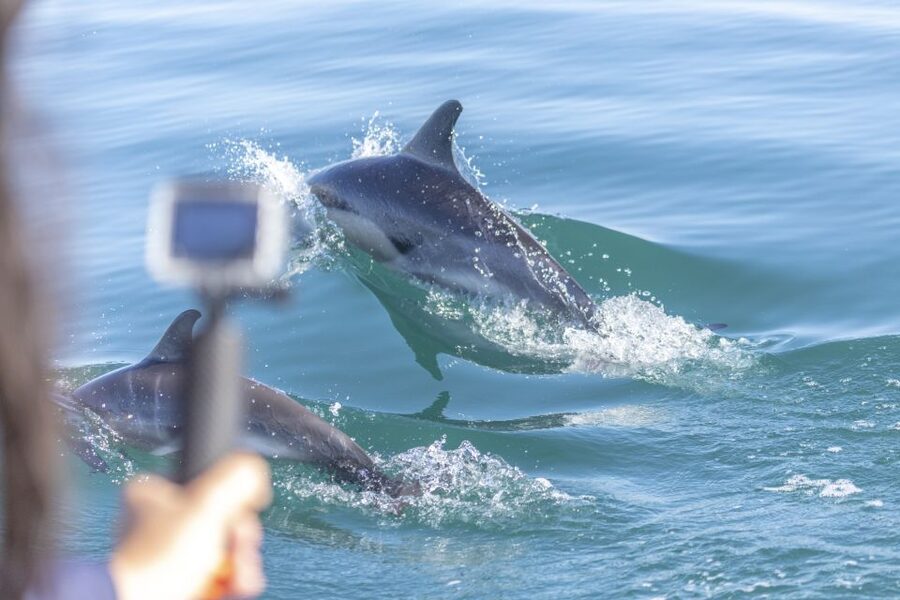
- Three hours from central Lisbon: Leave from Doca de Santo Amaro beneath the big red bridge and reach the Atlantic without a long transfer.
- Marine biologists lead the search: Guides such as Bart, Sara, Sid, and Cidonio explain dolphins, seabirds, fish, and conservation.
- Wildlife comes first: The boat keeps a respectful distance and does not feed, touch, or chase animals.
- Fast RIB boat ride: The speed helps the crew reach productive waters, but the open sea can feel chilly and rough.
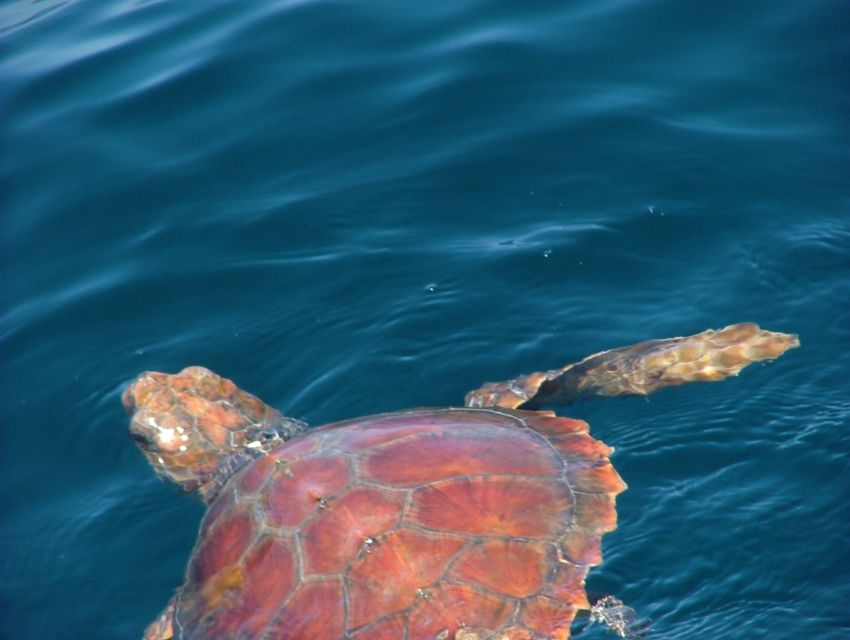
- More than dolphins: You might see seabirds, sunfish, jellyfish, sharks, sea turtles, or whales, though none is guaranteed.
- A scenic return: The final stretch brings views of Belém Tower, Jerónimos Monastery, and the Discoveries Monument from the river.
Leaving Doca de Santo Amaro beneath Lisbon’s red bridge
The meeting point is at Gate 3 in Doca de Santo Amaro, in Lisbon’s Alcântara district. Use the large red bridge as your main landmark. The boat is in the marina area beneath it, and the Google Maps location is useful because the pier directions can feel less obvious once you reach the waterfront.
This is a handy departure point if you are staying in central Lisbon and do not have a car. The tour begins in the city, but the setting changes quickly from marina traffic to wide river views and open water.
Before departure, the crew gives you a safety briefing. Lifejackets, insurance, fuel, and taxes are included. The marine biologist also explains how the activity works, what animals you might see, and why the boat avoids disturbing them.
You do not receive food or water, so bring your own bottle and eat before you arrive. If you are prone to seasickness, the operator advises having a good breakfast without milk, cream, or yogurt. That is practical advice for a three-hour trip on a small boat.
More Lisbon Dolphin Watching Tours:
- Lisbon: Tagus River Cruise to the Ocean & Dolphin Watching
★ 4.0 · 3,019 reviews - Lisbon: Dolphin Watching with Marine Biologist – Small Group
★ 4.9 · 867 reviews - Lisbon: Dolphin Watching with a Marine Biologist – Ocean Safari
★ 5.0 · 812 reviews
The RIB boat makes the journey part of the fun
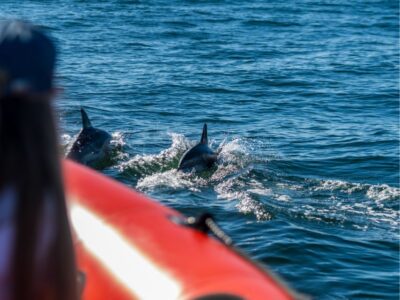
The rigid inflatable boat is fast, open, and built for moving across the water efficiently. You are not sitting in a large sightseeing vessel with an enclosed cabin. Instead, you get a closer feel for the sea, the wind, and the boat’s movement.
That setup gives you good views from nearly every seat. It also means you should dress for conditions on the water rather than conditions on Lisbon’s streets. Bring a jacket even on a sunny day, along with sunscreen, comfortable clothes, and shoes that stay secure. High heels are not allowed.
The ride can be thrilling, particularly when the boat reaches open water. It can also be bumpy when the sea is choppy. One of the clearest practical points from the experience is that this is not ideal for anyone with serious back problems, and the operator does not accept pregnant women, children under five, people with mobility impairments, or wheelchair users.
The crew keeps an eye on comfort throughout the trip. Still, if your back is sensitive or you dislike fast boat rides, a calm-weather day matters a lot. Weather can also force a cancellation, in which case you receive another date or a full refund.
Searching the Atlantic for dolphins and seabirds
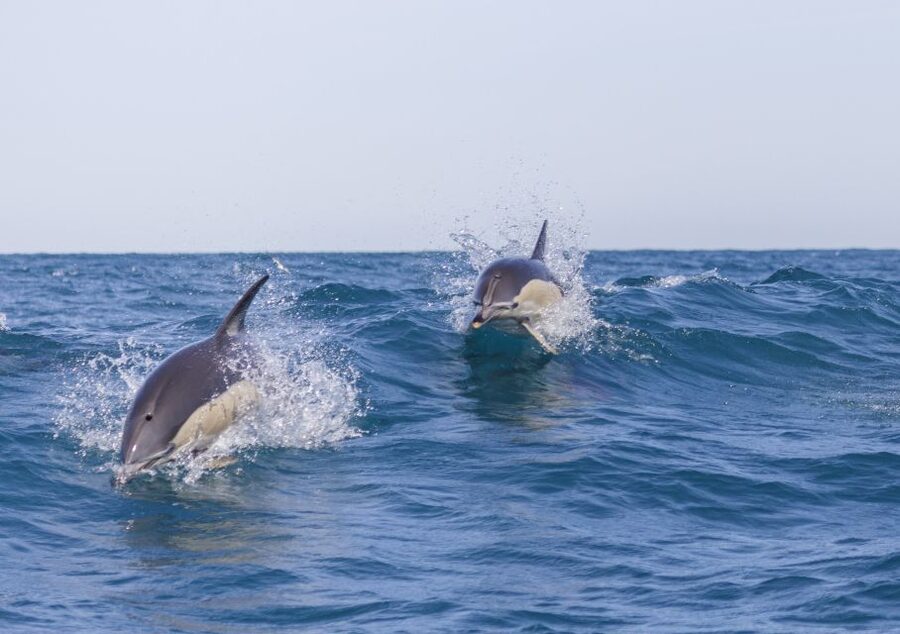
Once the boat reaches the ocean, the pace changes. The crew scans the water while the marine biologist watches for movement, fins, birds, and other signs of marine life.
This is not a guaranteed performance. Dolphins may appear within minutes, or the boat may need to travel for a long time before finding them. Some outings report dolphins almost immediately, while others take much longer. On one trip, the search lasted about two and a half hours before a pod was found.
That uncertainty is part of the point. The animals are wild, and the boat cannot call them over or place them in a particular spot. SeaEO reports a 97 percent chance of seeing dolphins, which is a strong figure, but it is still not a promise.
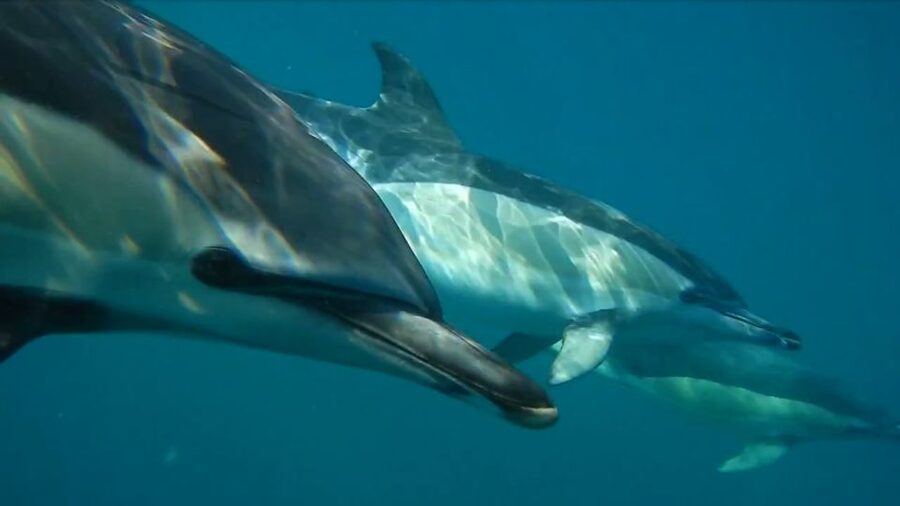
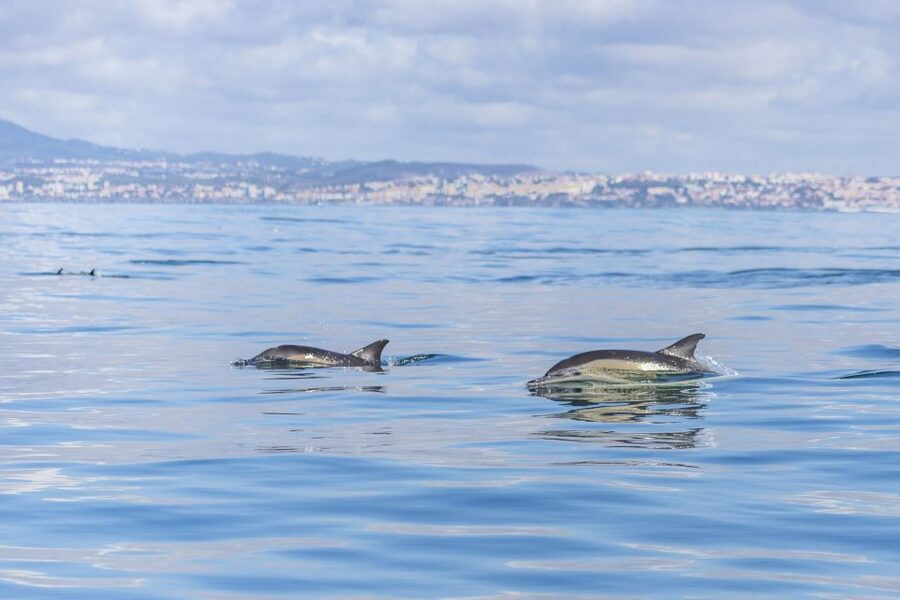
When dolphins are found, the crew aims to watch without crowding them. The boat may slow down and hold its position rather than rush directly toward the pod. Sometimes the dolphins approach on their own, swimming alongside, under the boat, or around it. That makes for a better encounter because the animals choose the distance.
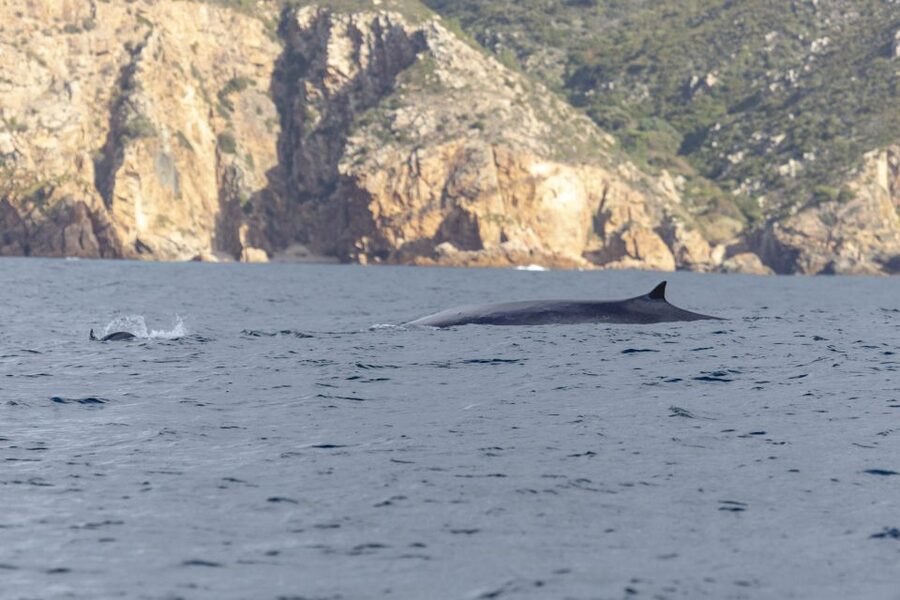
You might see bottlenose dolphins, common dolphins, or other species. Several outings have recorded two or three types on the same trip. Harbour porpoises have also been seen, along with sunfish and many seabirds. One unusually lucky outing included orcas, which are members of the dolphin family, but that is an exceptional sighting and not something to book this tour expecting.
The guide’s role adds real value here. Bart, Sara, Sid, Cidonio, and other marine biologists explain what the animals are doing instead of leaving you to stare at distant fins without context. They discuss behavior, local waters, conservation, and the species you encounter. The languages offered are Portuguese, English, French, Italian, and Spanish.
What the marine biologist adds
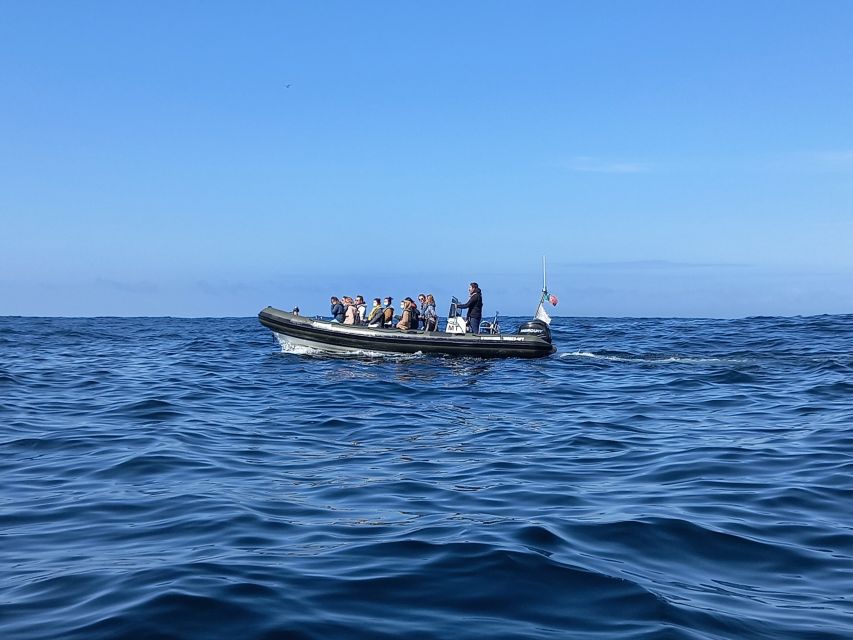
I would choose this trip over a simple boat ride if you care about understanding what you see. A dolphin breaking the surface is exciting for a few seconds. Learning why it is moving in a certain way, how pods behave, or how the River Tagus and Atlantic waters support marine life makes the encounter last longer in your memory.
The guides also explain the local setting. The meeting area sits on the Tagus, and the trip takes you toward the point where river and ocean waters meet. That transition helps explain why the area can support fish, seabirds, dolphins, and other marine species.
The conservation message is practical rather than decorative. You are told not to feed animals, touch marine life, or leave litter. The crew’s behavior reflects those rules, keeping a respectful distance and picking up plastic seen in the water when possible.
The strongest part of the experience is the combination of excitement and restraint. You get a speedy boat ride, but the crew does not treat wildlife like an attraction that must perform on command.
Something different to do with a day in Lisbon:
- Lisbon City Center Tour – The Unmissable Lisbon
★ 5.0 · 22,234 reviews - Lisbon: Sintra, Pena, Regaleira, Cabo da Roca & Cascais
★ 4.7 · 19,656 reviews - Sintra: Pena Palace and Park Entrance Ticket
★ 4.2 · 17,410 reviews - Lisbon: Jerónimos Monastery Entrance Ticket
★ 4.1 · 14,164 reviews
Bugio Lighthouse and the open-water route
The Fort of São Lourenço do Bugio and its lighthouse are among the trip’s most distinctive sights. The circular fort sits at the mouth of the Tagus, where the river opens toward the Atlantic. It gives you a useful sense of how far Lisbon’s waterfront reaches beyond the central districts.
The route includes sightseeing around Bugio, but this is not a land visit. You remain on the boat, taking in the fort and lighthouse from the water. The view is especially useful for photographers because it combines open sea, historic defenses, and the changing outline of the coast.
The boat may also travel toward the Cascais area, shown on the route as a marine-life viewing zone. This is where the crew searches for dolphins and other animals. Conditions and animal movements determine how long the boat remains in a particular area.
Do not expect a fixed wildlife schedule. The route is flexible because the crew needs to respond to reports, water conditions, and signs of animals. That flexibility is a benefit for wildlife watching, though it means the exact sequence can vary.
Returning past Belém’s monuments
The way back is more than a simple return to the marina. The boat passes Lisbon’s famous Belém sights from the river, including Belém Tower, the Monument to the Discoveries, and views toward Jerónimos Monastery.
Belém Tower is listed as a short visit and sightseeing stop, around five minutes. From the water, you get a different angle than you would from the riverside promenade. The tower’s position at the edge of the river makes more sense from this direction, since it was built as part of Lisbon’s defensive and maritime story.
The Monument to the Discoveries also looks especially fitting from a boat. Its riverfront position connects the city’s grand maritime imagery with the actual waterway beneath you.
The guide may add local history during this stretch. That helps round out the trip. You are not only returning from a wildlife search, but also seeing Lisbon’s best-known riverfront monuments in one compact route.
Some outings finish with a small taste of Moscatel de Setúbal sweet white wine. This is not listed as a standard inclusion, so treat it as an occasional extra rather than something to count on. The listed inclusions are the marine biologist, crew, lifejackets, insurance, taxes, and fuel.
Is $76 good value for three hours?
At $76 per person, this is not the cheapest way to get on the water in Lisbon. The value depends on what you want from the outing.
If you only want a short river cruise, you can find less expensive options. If you want a fast boat, a three-hour search in open water, wildlife interpretation, and a small-group approach, the price is easier to justify. Fuel and crew costs are included, and the activity does not charge separately for the marine biologist or safety equipment.
The three-hour duration matters. The crew has time to travel beyond the city, search more than one area, and wait when wildlife appears. A short trip might give you a quick glimpse, but it would have less time to respond to the animals’ movements.
The value is also strongest for people who care about responsible wildlife watching. The crew does not feed the dolphins or promise a hands-on encounter. You are paying for access, guidance, and time in the animals’ habitat, not a guaranteed close-up show.
The high rating of 4.9 from 1,853 bookings reflects a very consistent level of satisfaction, but it should not erase the main risk: wildlife can refuse to cooperate. I would book it if you can enjoy the boat ride and coastal scenery even on a day when sightings take longer than expected.
Who will enjoy this most?
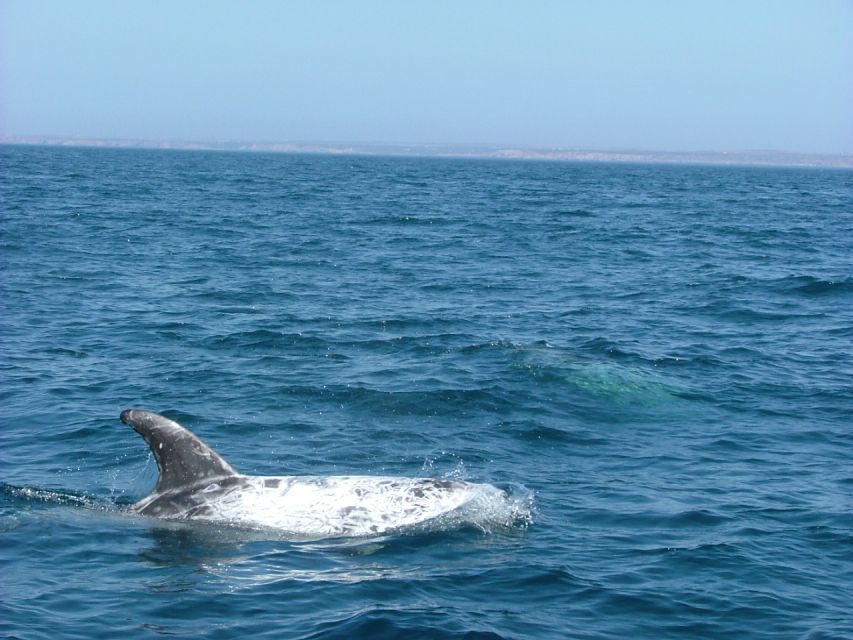
This suits adults, older children, couples, families with children over five, and anyone who likes nature with a little speed. It is especially good for people who want something different from Lisbon’s churches, viewpoints, and tiled streets.
You should be comfortable sitting in a small boat for up to three hours. You also need to manage steps and movement around a marina and boat, since the experience is not suitable for wheelchair users or people with mobility impairments.
Bring a camera, but keep it ready rather than watching the whole trip through a screen. A jacket is essential advice, even in summer. Several outings were warm and sunny on land but noticeably cold at sea.
Avoid smoking, alcohol and drugs, feeding animals, touching marine life, and littering. These rules protect the animals and keep the boat safe for everyone.
Free cancellation is available up to 24 hours before departure, and you can reserve now and pay later. The operator contacts you 24 hours before the activity, so keep your mobile number active and check for updates.
Should you book SeaEO dolphin watching?
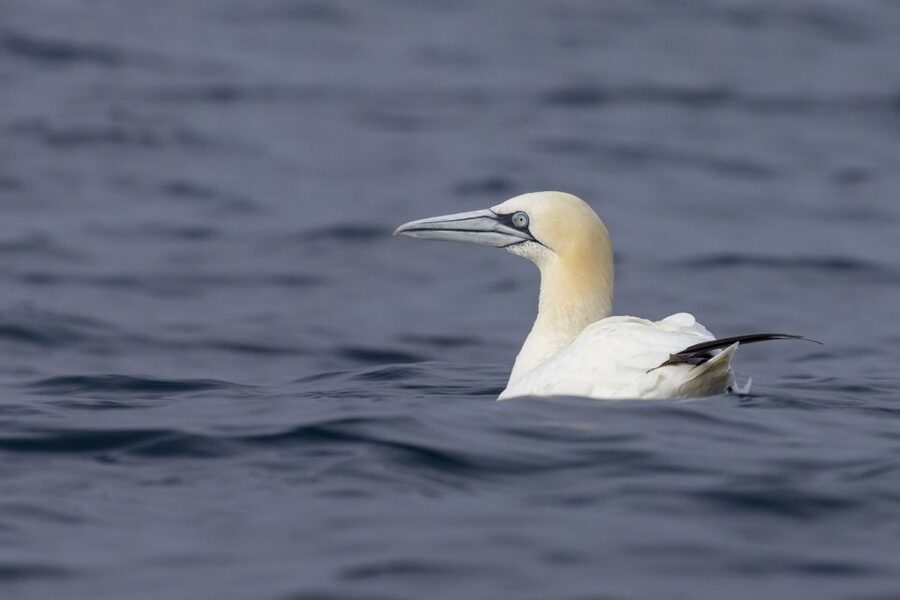
Book this trip if you want wild dolphins, open sea, and serious wildlife guidance, not a polished show with guaranteed animals on cue. The marine biologists, small boat, and respectful approach are the main reasons to choose it.
I would be cautious if you have back problems, dislike bumpy rides, or need a fully accessible activity. I would also avoid scheduling it immediately before an important event if you are sensitive to seasickness or weather changes.
For most able-bodied visitors who can accept a little uncertainty, this is a strong use of half a day in Lisbon. You get a genuine search for marine life, a lively ride, and a river-level view of Belém that a land tour cannot provide.
FAQ
Where does the dolphin-watching tour leave from?
It leaves from SeaEO Tours at Doca de Santo Amaro, Gate 3, in Lisbon’s Alcântara district. The large red bridge is the main landmark, and the boat is beneath it in the marina area.
How long does the experience last?
The activity lasts three hours, including the boat ride, wildlife search, marine-life explanation, and return past Lisbon’s riverfront monuments.
Is seeing dolphins guaranteed?
No. Dolphins are wild animals and sightings cannot be guaranteed. SeaEO reports a 97 percent chance of sightings, but conditions and animal movements can change.
What animals might I see?
Possible sightings include dolphins, seabirds, fish, sharks, jellyfish, and sea turtles. Sunfish, harbour porpoises, and whales have also been seen on outings. Orcas are possible but highly unusual and should not be expected.
What languages are available?
The live guides speak Portuguese, English, French, Italian, and Spanish.
What should I bring?
Bring comfortable shoes, a camera, sunscreen, a jacket, and comfortable clothes. You should also bring your own food or water because these are not included.
Can I get seasick on the boat?
The operator advises anyone prone to seasickness to eat a good breakfast without milk, cream, or yogurt. The small RIB boat can be bumpy in rough water.
Who cannot join the activity?
The experience is not suitable for children under five, pregnant women, people with severe back problems, people with mobility impairments, or wheelchair users.
What happens if the weather cancels the tour?
If weather makes the trip unsafe, you are offered another date or a full refund. If the minimum number of passengers is not met, you may be offered another date or an alternative with a local partner.
Just reviewed in Lisbon
- Lisbon: Morning of Equestrian Art with Lusitano Horses★ 4.4 · 87 reviews
- Lisbon: Entry Tickets to Mosteiro de São Vicente de Foram★ 4.6 · 50 reviews
- Lisbon: National Palace of Ajuda E-Ticket & City Audio Guide★ 4.1 · 87 reviews
- Lisbon: Early Morning TukTuk Tour – hotel/cruise ship pickup★ 4.9 · 45 reviews
- Sintra: Quinta da Regaleira e-Ticket & Sintra City Audios★ 4.1 · 12 reviews
- Lisbon E-Bike Tour TAGUS★ 5.0 · 3 reviews
- Lisbon: E-bike Trip from the Sintra Mountains to Cascais Sea★ 5.0 · 67 reviews
- Lisbon: Discover Belem by electric Tuk Tuk★ 4.9 · 86 reviews
Lisbon Dolphin Watching Tours, compared.

Tagus River Cruise to the Ocean & Dolphin Watching
Read our review →
Dolphin Watching with Marine Biologist – Small Group
Read our review →
Dolphin Watching with a Marine Biologist – Ocean Safari
Read our review →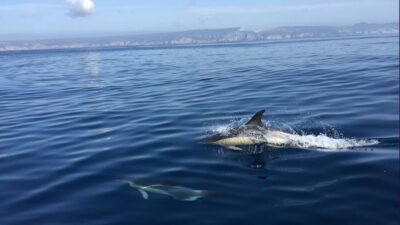
Arrábida Natural Park Dolphin Watching Boat Tour
Read our review →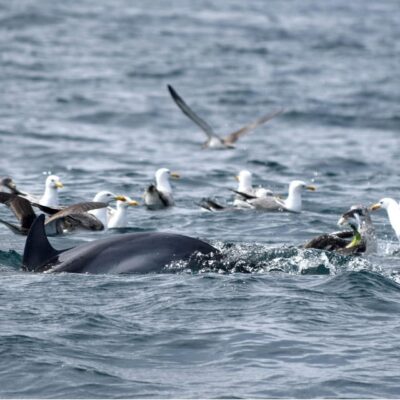
Browse the lists this tour appears in