
Reviewed · LISBON FOOD TOURS
Lisbon: Food and Culture 3-Hour Walking Tour
Lisbon’s food story makes the best kind of walking tour: you move through old streets while tasting the city’s past. In three hours, you may eat cod at a traditional tavern, sample beerhouse fare in a former monastery, try a crumbly Pastel Lisboa, and finish with coffee, custard pastry, or ginjinha and fado.
I like the small local venues and the way each stop connects food with Lisbon’s history. I also like the generous spread: four tastings are included, but the portions can add up to a full lunch or dinner. The main caution is that the route is not suitable for people with mobility impairments, and the menu can change with the season or the day.
Key points to know before you book
- Four tastings across up to five venues: The route may include an old brewery, historic taverns, a palace restaurant, and one of Lisbon’s oldest pastry shops.
- Portuguese food with a story: Cod, pork liver, bread, herbs, pastries, coffee, and cherry liqueur all connect to local traditions.
- A substantial meal: You can expect enough food to feel satisfied, so a large breakfast or lunch beforehand may be a mistake.
- Guides who add personal advice: Fatima, Claudio, and Nina are named guides praised for warm storytelling and useful tips on other places to eat and shop.
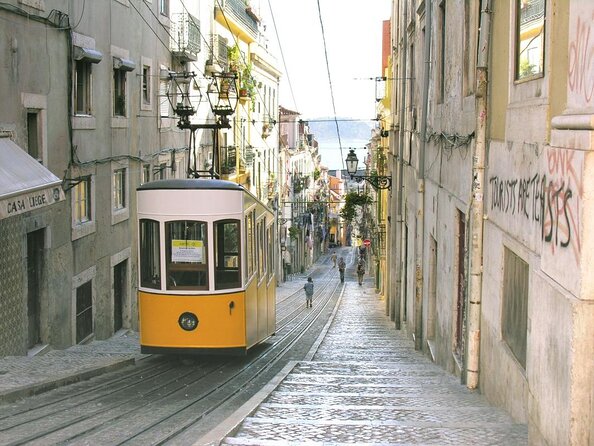
- Central meeting point: Begin at Café A Brasileira on Rua Garrett, close to the Baixa-Chiado metro station.
- One important limitation: The walk is not designed for people with mobility impairments.
Why Lisbon makes such a good food walk
Lisbon is easier to understand when you eat your way through it. Portuguese cooking carries traces of seafaring, trade, rural life, religious institutions, and regional habits. This tour uses those connections instead of treating food as a string of unrelated samples.
You start in Chiado, one of the city’s most central areas, at Café A Brasileira. From there, the walk brings you into older dining rooms and historic buildings. The point is not simply to identify a pastry or sip a drink. You learn why cod became such a major part of Portuguese cooking, how beer entered Lisbon’s dining culture, and what separates the cuisine of southern Portugal from food found elsewhere in the country.
I like this format because it gives you useful context before you order on your own later. A dish can taste better when you know what it represents, and a guide can help you recognize local specialties that might otherwise get lost among tourist menus.
The tour is led in English or German. The named guides include Fatima, Claudio, and Nina, and the strongest praise centers on their personal approach. Fatima is described as warm and generous with local suggestions, while Claudio is praised for making the tour feel authentic and relaxed. Nina is noted for clear storytelling and a strong introduction to local dishes.
More Lisbon Food Tours:
- Winner 2025 Undiscovered Lisbon Food & Wine Tour by Eating Europe
★ 5.0 · 6,390 reviews - Lisbon: Food and Wine Small Group Walking Tour
★ 4.9 · 4,082 reviews - Lisbon Small-Group Food Tour with 18 Tastings in Alfama District
★ 5.0 · 1,967 reviews
Starting at Café A Brasileira in Chiado
The meeting point is Café A Brasileira, Rua Garrett 120, at Largo do Chiado. It is near the Baixa-Chiado metro station, which makes the start fairly easy to reach without arranging a transfer.
The café is a fitting place to begin. It places you in the middle of Lisbon’s old commercial and cultural center, and it gives the guide a natural starting point for explaining the city. You do not need to arrange pickup from your hotel, so allow time to reach the meeting point on your own.
Bring comfortable clothes and shoes suited to a three-hour walk. The activity information specifically rules out people with mobility impairments, so this is not the right choice if uneven streets, standing, or extended walking are difficult for you.
Group size is not specified, so I would not book this expecting a guaranteed private outing. Still, the guide-led format leaves room for questions, and one particularly good experience came when a guide had only a small party to lead. That kind of setting can make it easier to ask about ingredients, restaurants, and daily life in Lisbon.
Rua das Flores Tavern and the taste of old Lisbon
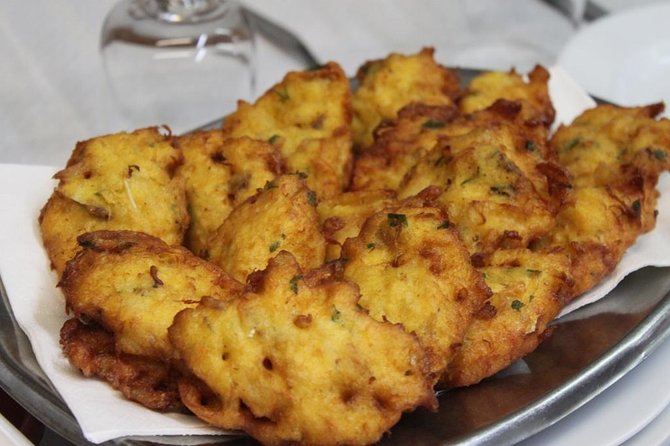
One of the most characterful stops is Rua das Flores Tavern. The setting is meant to feel like a step back in time, but the useful part is the short seasonal menu. The food is traditional rather than broad and generic, with dishes such as cod, tuna, and iscas, a well-known preparation of pork liver.
The exact choice depends on the menu that day. That is worth understanding before you book. You are not selecting every dish in advance, and the tasting may vary with the season or the kitchen’s daily offerings. For some people, this makes the experience feel more local. If you prefer a fixed menu or dislike surprises, it may require a little flexibility.
I like the chance to try iscas here because it is not the kind of dish many visitors would order without guidance. Pork liver has a strong, distinctive flavor, and the guide can give you the cultural setting for it. Even if it is not your favorite bite, it helps you understand the broad range of Portuguese cooking.
This stop also sets the tone for the rest of the route. You are not only seeking the prettiest pastry or the easiest dish. You are trying foods that reflect older home cooking and the habits of Lisbon’s traditional taverns.
Trindade beerhouse inside a former monastery
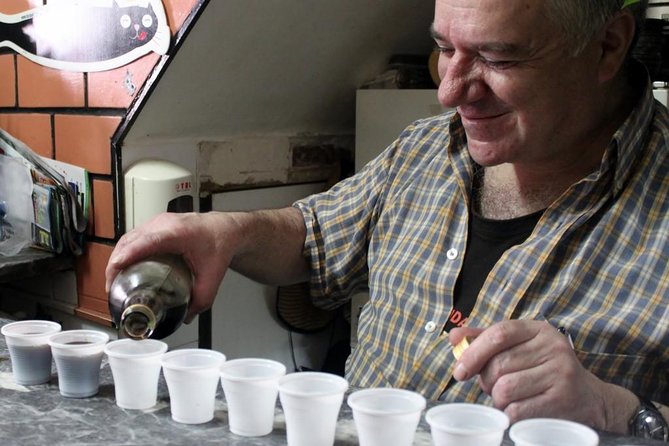
The next stop is the Trindade beerhouse, described as Portugal’s first brewery before it was converted into a restaurant. Its past as a monastery adds a striking setting to what might otherwise be a simple beer stop.
Here, you sample a famous Lisbon snack with a beer. The tasting includes spat, octopus, and cod mixed with chickpeas. That combination gives you several textures and flavors in one serving, while the beer provides a natural match.
This is a useful stop for anyone who thinks Portuguese food begins and ends with grilled fish. Cod appears again, but in a different form, and the chickpeas show how filling ingredients are used alongside seafood. The old building also helps explain why food and drink traditions are tied to the city’s religious and commercial past.
Because the meal includes several substantial tastings, pacing matters. You might want to keep breakfast light if this is your first stop of the day. The food is meant to function as lunch or dinner, not as a quick nibble between sightseeing stops.
More Lisbon Walking Tours:
- Lisbon: History, Stories and Lifestyle Walking Tour
★ 4.8 · 10,902 reviews - Best of Lisbon Small-Group Guided Walking Tour
★ 5.0 · 4,869 reviews - Best of Lisbon Walking Tour: Rossio, Chiado & Alfama
★ 4.9 · 2,700 reviews - Age of Discoveries Walking Tour in Belém
★ 5.0 · 1,513 reviews
Café Lisboa and the crumbly Pastel Lisboa
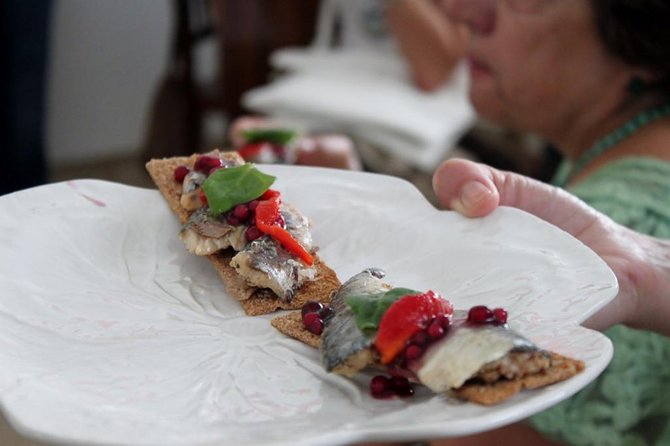
Café Lisboa brings a sweeter turn to the walk. Here, you taste a Pastel Lisboa, described as irresistibly crumbly. It is the kind of small pastry that can look modest but still become one of the tour’s memorable moments.
This stop gives the guide a chance to explain Lisbon’s pastry culture and the role of cafés in daily life. It also breaks up the heavier savory dishes. After cod, tuna, pork liver, octopus, and chickpeas, a delicate pastry is a welcome change.
Do not confuse this with a full pastry course or a long café visit. It is one tasting within a three-hour route. You will have time to appreciate the pastry, but the main value comes from how it fits into the wider food story.
I also like the practical effect of this stop. Once you know what a Pastel Lisboa tastes like, you can make a more informed choice when you see similar pastries elsewhere in the city. The guide can also help you distinguish a traditional local treat from a generic bakery item.
Casa do Alentejo and southern Portuguese cooking
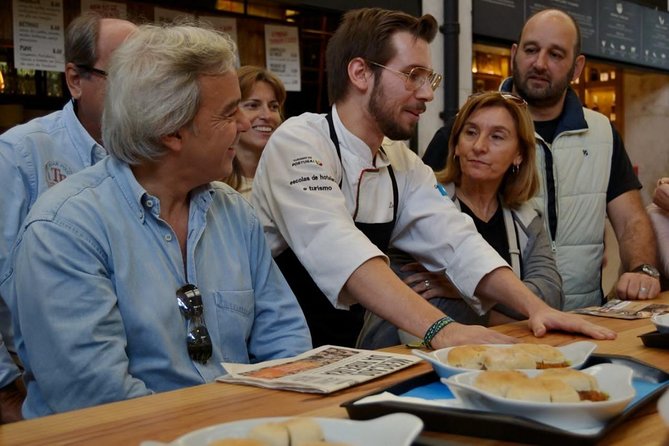
Casa do Alentejo is likely the tour’s most dramatic setting. The restaurant occupies a 17th-century Moorish palace, with extravagant decoration that gives the meal a sense of place before the food even arrives.
The cuisine here comes from Alentejo in southern Portugal. The key elements are bread and aromatic herbs, which points to a style of cooking shaped by simple, practical ingredients and strong seasoning. This is an important contrast with the seafood-heavy dishes served earlier.
The palace setting is a major reason this stop adds value. You are not simply eating southern food in an anonymous dining room. You are seeing an elaborate building while learning that Portuguese cuisine changes from region to region.
There is also a sensible limit to the experience. A short tasting cannot give you a full survey of Alentejo cooking. Think of it as an introduction, enough to help you decide if you want to seek out more southern Portuguese dishes during your stay.
For me, this is the kind of stop that justifies a food tour rather than a standard restaurant meal. You get a dish, a regional connection, and a memorable interior in one visit.
Confeitaria Nacional or ginjinha with fado
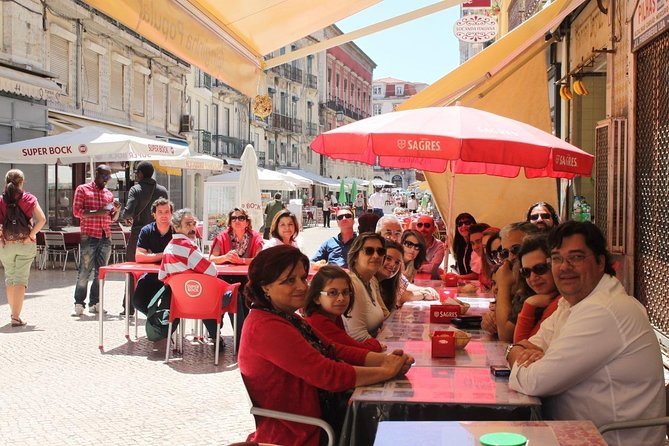
The final part of the route can take one of two forms. One option is Confeitaria Nacional, Lisbon’s oldest establishment of its kind. It is known for traditional cakes and pastries, and the tasting includes one of its custard tartlets with coffee.
The combination is simple and very Lisbon: a small sweet pastry and a strong café drink. Confeitaria Nacional gives you a look at the city’s long pastry tradition, and the coffee makes this a comfortable finish after several savory courses.
The alternative is Amigos da Severa, an old tavern where you can hear live fado music and drink Lisbon’s best ginjinha, a cherry liqueur. This is a different kind of ending. Instead of a pastry and coffee, you get a local drink with music and a more intimate tavern atmosphere.
The choice matters if you have a strong preference. Anyone excited by Portuguese pastries will likely favor Confeitaria Nacional. If you want food connected to music and evening culture, Amigos da Severa may be more appealing. The information does not promise that you can freely choose between the two, so ask the guide or provider about the available option when booking.
Both endings have a clear purpose. One shows how Lisbon turns sugar and pastry into a daily ritual. The other links food and drink to fado, one of the city’s best-known musical traditions.
What the $93 price really covers
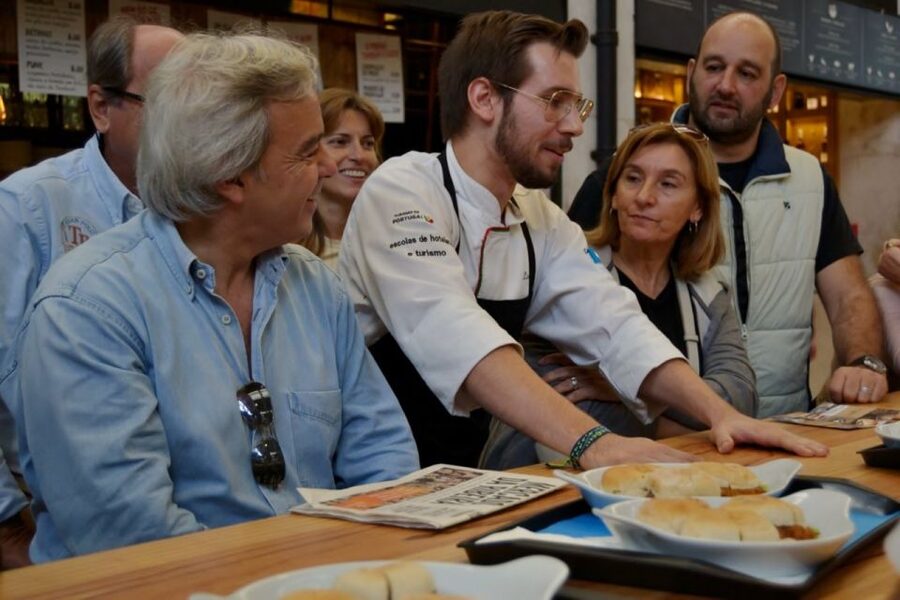
At $93 per person, this is not the cheapest way to grab a snack in Lisbon. You could spend far less by ordering one pastry, a beer, or a plate of cod on your own.
The value comes from the combination of four food tastings, a meal-sized amount of food, a guide, and access to several historic venues. You are paying for the explanation between stops as much as for the dishes themselves. A good guide turns a cod tasting into a lesson about Portugal, and a palace restaurant into a regional food stop rather than just a pretty room.
The price makes the most sense if you want structure on your first day or two in Lisbon. You can ask about other restaurants and shops, and the guides have offered useful suggestions beyond the scheduled stops. That can save you from spending later meals at places chosen only for location or appearance.
It is less compelling if you already know Lisbon’s food scene well, prefer to choose every dish yourself, or do not want a filling midday or evening meal. The tour is built around a set route and a daily menu, so flexibility is limited compared with eating independently.
Lunch or dinner is included, along with four food tastings. Transfers are not included, but the central meeting point near Baixa-Chiado makes public transport practical.
Who will enjoy this three-hour route
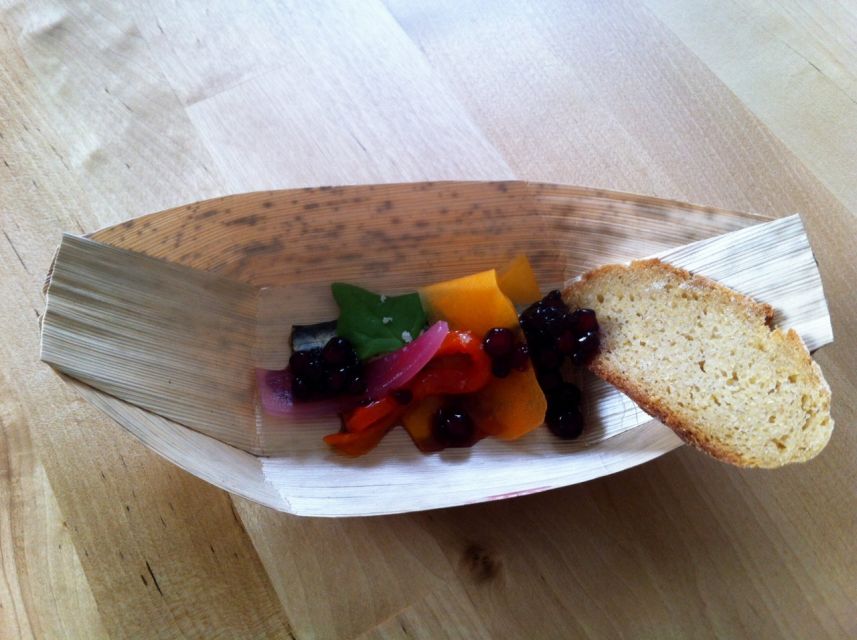
I would recommend this tour to first-time Lisbon visitors who want a quick introduction to Portuguese food and the city’s older dining culture. It also suits families and small groups who enjoy asking questions, since the guide-led setup makes conversation part of the experience.
Food-curious eaters should get the most from it. You may try pork liver, cod in more than one form, octopus, chickpeas, regional bread-based food, a pastry, coffee, or cherry liqueur. Some are familiar, while others may be new to you.
The tour is also a good match for anyone who likes buildings and atmosphere with their meal. The former monastery, 17th-century palace, old tavern, and historic pastry shop give the food a physical setting.
I would hesitate to recommend it if you have significant mobility limits, require a guaranteed accessible route, or need full control over ingredients. The menu can change, and the activity is not suitable for people with mobility impairments.
The language choice is English or German. If you need another language, this tour will not meet that need.
How to prepare for a better experience
Arrive at Café A Brasileira with enough time to find the meeting point near the Baixa-Chiado metro station. Comfortable clothing is specifically advised, and practical shoes make sense for a walking route through central Lisbon.
Do not eat a heavy meal first. The tour includes lunch or dinner and four tastings, and the portions can be filling. A light breakfast is the safer plan if your tour begins around midday.
Keep an open mind about the menu. The Rua das Flores Tavern offers a seasonal, short menu, so you may not receive every dish named in the description. That is normal for a route based on what is available that day.
Ask the guide for restaurant and shop suggestions before the tour ends. This is one of the most useful extras, especially if your stay is long enough to return to a favorite neighborhood or try a dish in a different setting.
The tour allows free cancellation up to 24 hours before the start time, and you can reserve now and pay later. Those terms are helpful if your Lisbon schedule is still changing, but check the available start times before you commit.
Should you book this Lisbon food tour?
Book it if you want a guided introduction to Lisbon that combines food, local stories, historic interiors, and practical advice for later meals. The strongest reasons are the range of venues, the connection between dishes and Portuguese history, and the personal style associated with guides such as Fatima, Claudio, and Nina.
At $93, it is best viewed as a food-focused cultural outing rather than a cheap tasting crawl. You receive a substantial meal and four tastings, but the real benefit is knowing what you are eating and where it fits in Lisbon’s story.
Skip it if you need an accessible route, dislike changing menus, or prefer to explore restaurants entirely on your own. For most first-time visitors who enjoy trying unfamiliar dishes and learning from a local guide, this three-hour walk offers a useful and satisfying start to Lisbon’s food scene.
FAQ
Where does the Lisbon food tour begin?
It begins at Café A Brasileira, Rua Garrett 120, Largo do Chiado, Lisbon. The meeting point is near the Baixa-Chiado metro station.
How long does the walking tour last?
The tour lasts three hours. Starting times vary, so check availability when booking.
How many food tastings are included?
Four food tastings are included. The route visits up to five different venues and also includes lunch or dinner.
Which foods might I taste?
Possible tastings include cod, tuna, iscas made with pork liver, octopus, chickpeas, a Pastel Lisboa, southern Portuguese food based on bread and aromatic herbs, custard tartlets, coffee, beer, or ginjinha.
Which languages are available?
The live guide is available in English or German.
Is the tour suitable for people with mobility impairments?
No. The activity is not suitable for people with mobility impairments. Comfortable clothing is recommended for the walking route.
More 3-Hour Experiences in Lisbon
- Lisbon: 3-Hour Tour by E-Bike
★ 4.8 · 1,150 reviews - 3-Hour Lisbon 7 Hills Electric Bike Tour
★ 5.0 · 818 reviews - 3-Hour Guided Street Art Walking Tour of Lisbon
★ 5.0 · 278 reviews - Lisbon: 3-Hour The Slave Trade – An Historical Walking Tour
★ 4.9 · 179 reviews
Just reviewed in Lisbon
- Private tour Lisbon – full day★ 5.0 · 8 reviews
- Private Tour: Portuguese Food and Wine Tour★ 5.0 · 33 reviews
- Lisbon and Sintra Essence 8H – Private Tour★ 5.0 · 5 reviews
- Private Tour: Lisbon Sunset Walking Tour with Fado Show and Dinner★ 5.0 · 30 reviews
- Lisbon Football Experience – Private stadium and Museum Tour★ 4.0 · 10 reviews
- Private Catamaran Tour: Lisbon coast cruise with barbecue and drinks★ 5.0 · 20 reviews
- Lisbon: Helicopter Tour over Cascais & Cabo da Roca★ 5.0 · 4 reviews
- Private Tour Fátima – Nazaré – Batalha – Óbidos★ 5.0 · 6 reviews
Lisbon Food Tours, compared.
Winner 2025 Undiscovered Lisbon Food & Wine Tour by Eating Europe
Read our review →
Lisbon Small-Group Food Tour with 18 Tastings in Alfama District
Read our review →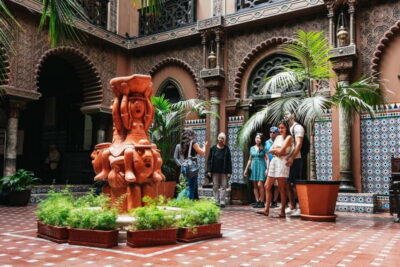
Baixa District Food Tour with Dinner and Drinks
Read our review →
Devour Lisbon: The Ultimate Portuguese Food Tour
Read our review →
Lisbon Food Tour with 10+ Tastings of Local Delicacies & Wines
Read our review →
Award-Winning Original Lisbon Food Wine Tour: 19 Curated Tastings
Read our review →
Lisbon Roots – Small group Food & Culture Walking Tour w/tastings
Read our review →Browse the lists this tour appears in