Reviewed · GUIDED
Lisbon: 25 de Abril Bridge Guided Climbing Experience
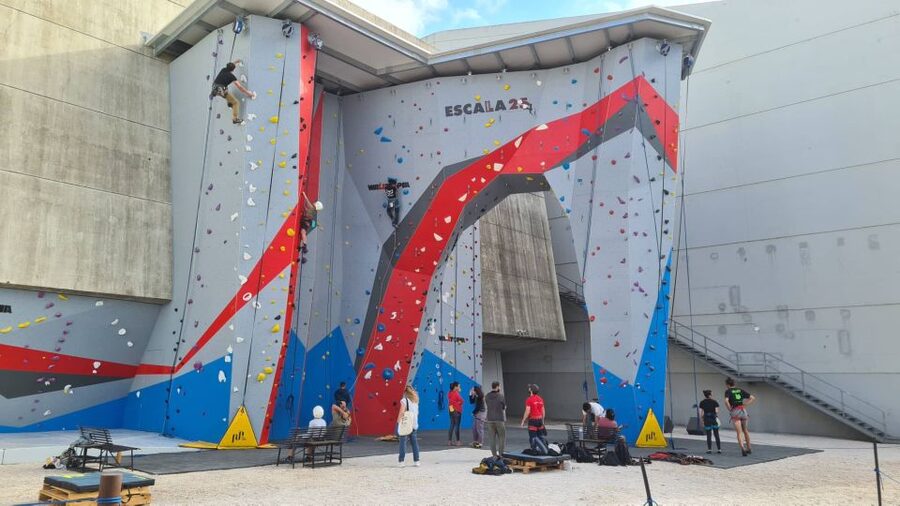
Lisbon’s Ponte 25 de Abril is more than a landmark to photograph from the riverfront. At Escala25, you can climb beneath this famous red suspension bridge, using routes that reach up to 40 feet. The setting gives a basic climbing lesson a memorable twist, with the steel structure overhead and the city around you.
I like two things right away: the small groups, limited to 10 people, and the chance to keep climbing after the one-hour class. I also like the choice between a true beginner lesson and a middle-level course that concentrates on knots, belaying, and top roping.
The main caution is simple: this is a real height-based activity, not a casual museum visit. You need comfortable clothes, water, sunscreen, and a reasonable tolerance for being off the ground. People with mobility impairments and children under 6 cannot take part.
Key points to know before booking
- Climb beneath the Ponte 25 de Abril: Routes in the bouldering and auto-belay areas reach up to 40 feet.
- Pick the right class: Beginners learn basic climbing, bouldering, and auto-belaying, while the middle-level course adds rope and knot work.
- Keep climbing afterward: Your one-hour lesson includes access to the bouldering and auto-belay facilities for the rest of the day.
- Expect a small class: Groups are limited to 10 participants, with instruction in English or Portuguese.
- Bring outdoor basics: Water, sunscreen, and comfortable clothing will make the session easier.
- Allow for a physical challenge: The activity is not suitable for people with mobility impairments, children under 6, or people over 95.
Climbing under Lisbon’s famous red bridge
The appeal here is the combination of place and activity. You are not simply learning to climb inside a standard gym. You are using the climbing facilities at Ponte 25 de Abril, one of Lisbon’s most recognizable structures.
The bridge’s name honors April 25, 1974, the date of Portugal’s Carnation Revolution. From the ground, its red steel spans the Tagus between Lisbon and Almada. At Escala25, you experience it from a less common angle, with climbing walls and routes placed beneath the bridge structure.
The climbing itself is the main event. The facilities include bouldering and auto-belaying sections, with routes up to 40 feet tall. That height is enough to create a genuine adrenaline rush, while the instructor gives you a controlled introduction to the equipment and techniques.
I would not book this expecting a sightseeing tour with a few easy steps thrown in. The bridge is the setting, not a guided walk across the structure. You will spend your time learning and climbing.
More Guided in Lisbon:
- Best of Lisbon Small-Group Guided Walking Tour
★ 5.0 · 4,869 reviews - Lisbon: Private Guided Tuk-Tuk Tour with Hotel Pickup
★ 4.9 · 4,552 reviews - From Lisbon: Fátima, Nazaré, Batalha, and Óbidos Guided Tour
★ 4.7 · 3,060 reviews
What happens during the one-hour lesson
You meet at the Ponte 25 de Abril facilities, using the Pilar 7 Experience parking lot as your starting point. Go to the reception area to collect your entry ticket before the course begins.
The lesson lasts one hour. Because the group is capped at 10 participants, the instructor should have a better chance of watching each person than in a large commercial class. Still, you are sharing the hour with other climbers, so the amount of individual coaching can vary.
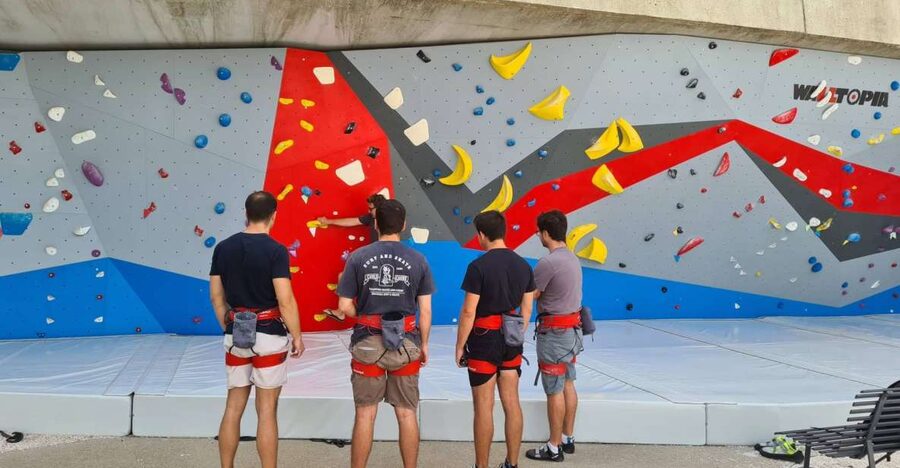
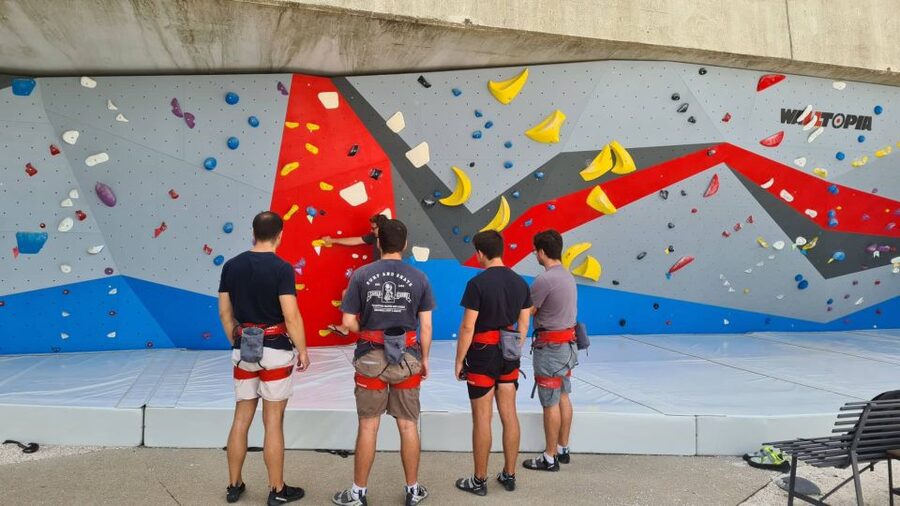
If you have never climbed, choose the beginner introduction. The instructor starts with the essentials, helping you get familiar with climbing movement, bouldering problems, and auto-belaying systems.
Bouldering usually means climbing shorter routes without the same rope setup used on taller walls. Here, the focus is on working out how to move through a route, often called solving a bouldering problem. You learn to think about handholds, footholds, balance, and the order of your movements rather than simply pulling upward.
The auto-belay area introduces you to a mechanical belay system. It takes up the rope as you climb and lowers you once you come down. The instructor explains how the system works and how to use it safely. For a first lesson, this is useful because you can focus on movement without needing a partner to manage the rope.
The class is suitable for newcomers of different ages and ability levels, within the stated restrictions. That does not mean every beginner will find it easy. Climbing asks for grip strength, balance, coordination, and comfort with height. You can expect to work at your own level, but you should still arrive ready for physical effort.
The middle-level class and its rope skills
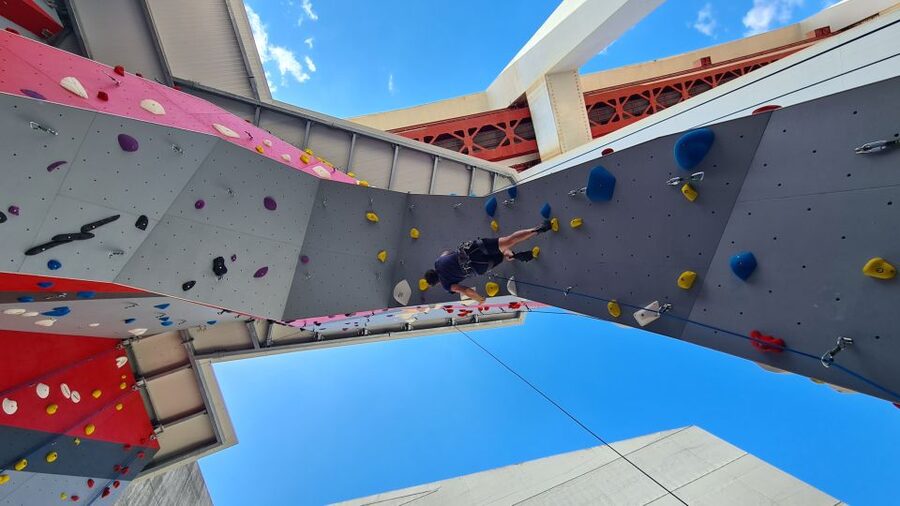
If you have climbed before, the middle-level introduction is the better choice. It focuses more closely on roped climbing and the skills that help you climb with another person.
The lesson covers rope work, knot work, belaying, and top roping. These are important building blocks if you want to move beyond casual bouldering or auto-belay routes.
Knot work may sound basic, but it is one of the skills you want explained carefully. You learn how the rope is arranged and checked before climbing. Belaying introduces the person-on-the-ground role, where one climber manages the rope for the person on the wall. Top roping gives you practice climbing with the rope already set above you.
This course is not described as advanced instruction. It is a middle-level introduction, so you should have some prior climbing experience but do not need to be an expert. If you have never climbed before, the beginner class will make more sense. If you already know how to move on a wall but want a better grasp of ropes and knots, the second option is more useful.
A coach named Luis has been singled out for being encouraging, professional, and strong on technique. The instructors teach in English and Portuguese, which helps if you need clear safety explanations in one of those languages.
Staying after class changes the value
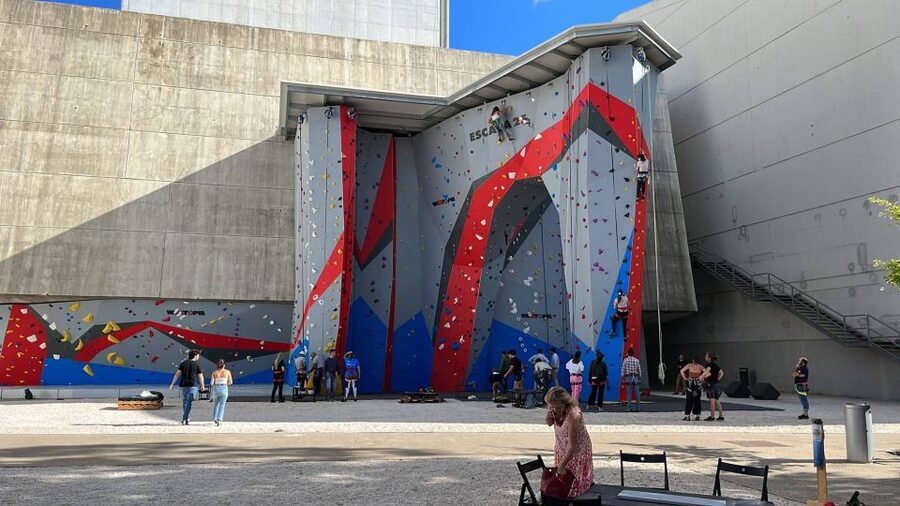
The scheduled course is only one hour, but the included access continues for the rest of the day. This is one of the strongest reasons to consider the $35 price.
A one-hour lesson by itself may feel short, especially if you are paying to learn a new sport. The extra facility access gives you time to repeat what you just learned, try additional routes, and practice at your own pace. It also means the experience does not have to end when the instructor finishes the formal lesson.
For a complete beginner, that extra time can be valuable. You may need several attempts to understand how to read a route or trust the auto-belay system. After the class, you can keep working on those points without rushing straight out.
For a climbing pair, the arrangement is also appealing. One person can try a route while the other watches, then you can switch. A solo climber can use the bouldering and auto-belay areas without needing to organize a climbing partner.
The exact amount of climbing you get afterward will depend on your energy, comfort, and how busy the facilities are. The available information confirms access to the bouldering and auto-belay areas, but it does not promise unlimited access to every type of route or a private instructor for the rest of the day.
Something different to do with a day in Lisbon:
- Lisbon City Center Tour – The Unmissable Lisbon
★ 5.0 · 22,234 reviews - Lisbon: Sintra, Pena, Regaleira, Cabo da Roca & Cascais
★ 4.7 · 19,656 reviews - Sintra: Pena Palace and Park Entrance Ticket
★ 4.2 · 17,410 reviews - Lisbon: Jerónimos Monastery Entrance Ticket
★ 4.1 · 14,164 reviews
Is $35 a fair price?
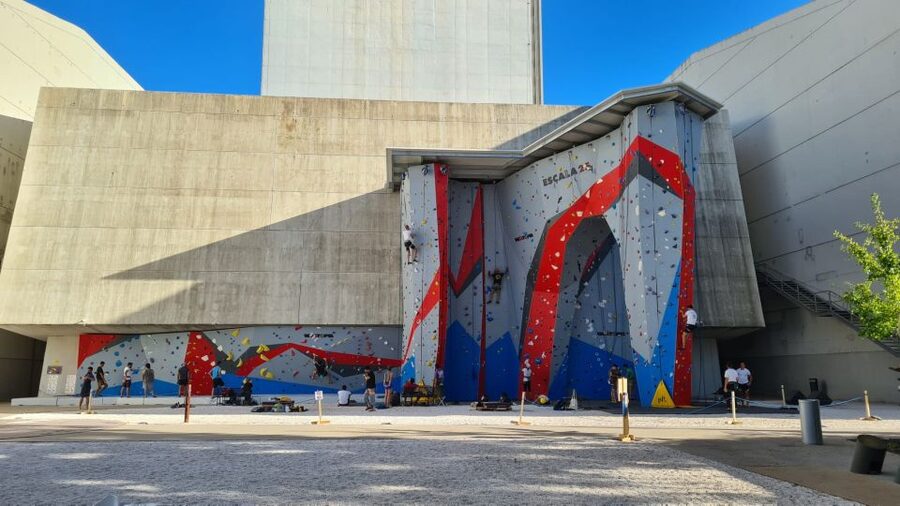
At $35 per person, this sits in the reasonable range for a short guided activity with equipment and continued facility access. You are paying for the instructor, safety gear, a one-hour course, and access to the climbing areas for the remainder of the day.
The value is strongest if you plan to stay after class. If you only attend the lesson and leave, the price is harder to assess because the formal instruction lasts just 60 minutes. If you use the rest of the day to climb, repeat routes, and practice the techniques you learned, the cost becomes more attractive.
Safety gear is included, so you do not need to bring your own climbing equipment. Food and drinks are not included, though they are available to purchase on-site. Bring water anyway, especially if you plan to continue climbing outdoors after the class.
The reserve-now-and-pay-later option can help if your Lisbon plans are still shifting. You can reserve a place without paying immediately, and cancellation is allowed up to 24 hours before the activity for a full refund. Check the available start times before booking because the duration is fixed at one hour, but the specific schedule can vary.
How the setting affects the experience
The bridge adds atmosphere, but it also shapes the practical side of the activity. You are climbing outdoors beneath a large structure, so sunscreen and water matter. Comfortable clothes are essential because you need to move freely while reaching, bending, and pressing through your feet.
You should also think honestly about height. The highest routes reach 40 feet, which is several stories above the ground. Even with an auto-belay system or rope skills, the mental challenge is real. If you dislike heights, you may still enjoy the lower bouldering section, but you should not book expecting every route to feel easy.
The activity is not suitable for people with mobility impairments. Children under 6 are excluded, as are people over 95. The beginner course is described as open to all ages and abilities, but those specific restrictions still apply.
There is no promise of a bridge tour, a view-focused guide, or a long explanation of Lisbon landmarks. The reward is physical and local: you learn a sport while using an unusual climbing site connected to one of the city’s best-known structures.
Who will enjoy Escala25 most?
I would recommend this for several kinds of visitors:
- First-time climbers who want a guided introduction rather than an unstructured visit to a climbing gym.
- Couples or friends looking for an active Lisbon activity that is different from the usual monuments and food tours.
- Solo visitors who want a social activity with a small group and facilities they can continue using afterward.
- Existing climbers who want an introduction to rope work, belaying, and top roping.
- Families with older children, as long as everyone meets the age, mobility, and height requirements.
It is less suitable if you want a relaxed sightseeing experience, if you have very limited mobility, or if you are uncomfortable with climbing to 40 feet. It may also disappoint advanced climbers seeking demanding coaching, since the available courses are aimed at beginners and middle-level participants.
The small group size is a real advantage for newcomers. A beginner often needs help with small details, from where to place a foot to how to check a rope system. A maximum of 10 people gives the instructor a more workable class than a crowded public session.
The praise for the coaching is also worth noting. Luis is specifically associated with an encouraging and professional approach, while another instructor is described as friendly and good with families. Instructor assignments can change, so you should treat those names as useful context rather than a guarantee.
Practical preparation for your visit
Wear clothes that allow a full range of movement. You do not need special hiking gear, but stiff jeans, loose accessories, or shoes that feel insecure will make climbing less comfortable.
Bring sunscreen and water. Food and drinks are available on-site, but they are not part of the $35 cost. If you plan to stay and climb for much of the day, a snack may also be sensible, though the activity information does not specify what food is sold.
Arrive at the Pilar 7 Experience parking lot and go to reception to collect your entry ticket. The meeting details are brief, so give yourself enough time to find the reception area and get ready before the one-hour class starts.
Choose your course carefully. Select the newcomer class if you need an introduction to bouldering and auto-belaying. Select the middle-level course if you already have climbing experience and want to work on rope handling, knots, belaying, and top roping.
The instruction is available in English and Portuguese. If you need one of those languages for safety guidance, check that the chosen session suits you when you reserve.
Should you book this bridge climbing experience?
Book it if you want an active Lisbon outing with a memorable setting, especially if you plan to use the facilities after the lesson. The bridge location, short guided introduction, safety gear, small group, and full-day access make the $35 cost appealing for beginners and casual climbers.
I would be more cautious if you dislike heights or want a traditional sightseeing experience. The climb reaches 40 feet, and the focus is on learning and movement rather than guided views of Lisbon.
For a first attempt, choose the beginner class and arrive ready to learn at a steady pace. If you already climb, the middle-level course gives you a clearer reason to book by adding knot work, belaying, and top roping. Either way, the best value comes from staying after the lesson and making use of the climbing areas for the rest of the day.
FAQ
How long does the climbing experience last?
The guided climbing course lasts one hour. After the course, you can use the bouldering and auto-belay areas for the rest of the day.
How much does the activity cost?
The price is $35 per person.
Where do I meet for the activity?
Meet at the Ponte 25 de Abril climbing facilities. From the Pilar 7 Experience parking lot, go to the reception area to collect your entry ticket.
What does the beginner course teach?
The beginner course covers basic climbing techniques, bouldering, solving bouldering problems, and using auto-belay systems.
What does the middle-level course cover?
The middle-level course focuses on roped climbing, rope and knot work, belaying, and top roping.
Is climbing equipment included?
Yes. Safety gear is included, along with the one-hour course, instructor, and access to the bouldering and auto-belay areas.
What languages are available?
Instruction is available in English and Portuguese.
Is the activity suitable for children?
Children under 6 cannot take part. The beginner course is open to different ages and ability levels within the stated restrictions.
What should I bring?
Bring sunscreen, water, and comfortable clothes. Food and drinks are not included, but they are available for purchase on-site.
Just reviewed in Lisbon
- Lisbon: Morning of Equestrian Art with Lusitano Horses★ 4.4 · 87 reviews
- Lisbon: Entry Tickets to Mosteiro de São Vicente de Foram★ 4.6 · 50 reviews
- Lisbon: National Palace of Ajuda E-Ticket & City Audio Guide★ 4.1 · 87 reviews
- Lisbon: Early Morning TukTuk Tour – hotel/cruise ship pickup★ 4.9 · 45 reviews
- Sintra: Quinta da Regaleira e-Ticket & Sintra City Audios★ 4.1 · 12 reviews
- Lisbon E-Bike Tour TAGUS★ 5.0 · 3 reviews
- Lisbon: E-bike Trip from the Sintra Mountains to Cascais Sea★ 5.0 · 67 reviews
- Lisbon: Discover Belem by electric Tuk Tuk★ 4.9 · 86 reviews
Guided, compared.

Best of Lisbon Small-Group Guided Walking Tour
Read our review →

Fátima, Nazaré, Batalha, and Óbidos Guided Tour
Read our review →
Guided Tour to Sintra, Pena, Regaleira, Cabo da Roca and Cascais
Read our review →

Welcome Lisbon Tour with Local Guide in Private Eco Tuk Tuk
Read our review →