

Reviewed · LISBON WALKING TOURS
Lisbon: Jewish History in Portugal Guided Walking Tour
Lisbon’s Jewish story is not confined to one museum or surviving quarter. It is woven through Alfama, Baixa, and Chiado, where this three-hour walk connects city streets with the lives of Sephardic Jews, forced converts, merchants, doctors, financiers, and scholars. I like that the tour treats Jewish history as part of Portugal’s wider story, not as an isolated subject.
I especially like the link between Jewish life and the Portuguese Age of Discoveries, along with the attention given to Marranos, Jews who converted to Catholicism under pressure. Guides Al and Luciano have been singled out for clear explanations and an ability to adjust the pace. The main drawback is practical: this is a hilly walking tour, and the $141 price is high unless you want a private-feeling, subject-focused experience with a strong guide.
Key points at a glance
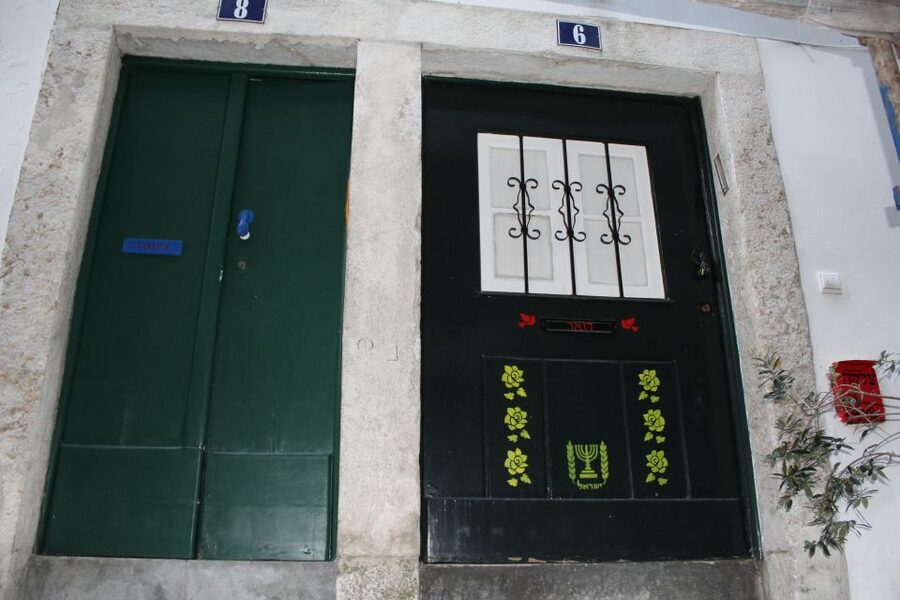
- Three historic neighborhoods: Walk through Alfama, Baixa, and Chiado while connecting each area to Jewish life in Lisbon.
- Sephardic and Marrano history: Learn about Jews who remained Jewish, those forced to convert, and the difficult space between acceptance and rejection.
- A wider Portuguese story: The tour links Jewish contributions to agriculture, finance, medicine, industry, and overseas exploration.
- Guides who shape the experience: Al and Luciano are named in the feedback, with Al noted for adapting the walk to guests’ interests and pace.
- A serious walking route: Expect hills, especially around Alfama, and wear shoes suited to Lisbon’s uneven streets.
- Flexible booking: The tour lasts three hours, is offered in English or Portuguese, and allows cancellation up to 24 hours before departure.
Why Lisbon’s Jewish story belongs in your first days
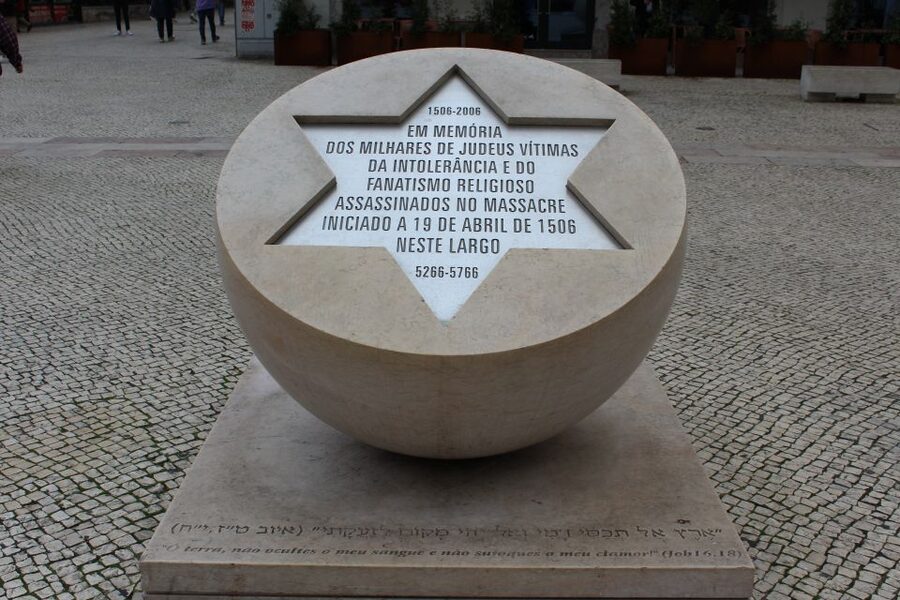
This tour gives you a useful way to read Lisbon. Instead of seeing only grand churches, tiled facades, viewpoints, and old lanes, you begin asking who was allowed to live, work, worship, trade, and belong here.
Jewish communities in Portugal lived for centuries in an uneasy space between welcome and rejection. At different points, Jews contributed to farming, finance, medicine, and the practical work behind Portugal’s overseas expansion. Then came forced conversion and expulsion in the 16th century, scattering people and families toward places such as England, Holland, and later the United States.
That movement is one reason the tour matters beyond Lisbon. You are not only learning about buildings or dates. You are following the movement of people, skills, beliefs, and family traditions across borders.
I also appreciate that the walk includes both Sephardic Jews and Marranos. The second term refers here to Jews who converted to Catholicism, often under coercion, while some continued Jewish practices privately. That subject requires care. It is not a simple story of two religious groups living apart. It is a story of pressure, adaptation, secrecy, identity, and survival.
More Lisbon Jewish Heritage Tours:
- Lisbon Jewish Heritage and History – Private Tour Van
★ 5.0 · 294 reviews - Lisbon: Jewish Walking Tour
★ 4.9 · 96 reviews - Lisbon: Jewish History Tour of Lisbon
★ 4.8 · 84 reviews
Meeting at A Padaria Portuguesa
The meeting point is A Padaria Portuguesa, described as a bagel shop. Confirm the exact branch and give yourself time to find it, since Lisbon has many food shops with similar names and the tour does not include transportation.
The guide leads the walk from there into neighborhoods tied to Lisbon’s Jewish past. The experience is conducted in Portuguese or English, and the guide is the main source of interpretation. That matters here. Physical evidence of Jewish life can be scattered, altered, or easy to miss. A good explanation turns an ordinary street into a clue.
The tour includes a bottle of water, which is useful on a three-hour walk. One guide also offered dates from Israel and a coffee or tea break near the end. Treat that as a possible personal touch rather than a guaranteed part of every departure.
Alfama: hills, views, and the oldest setting
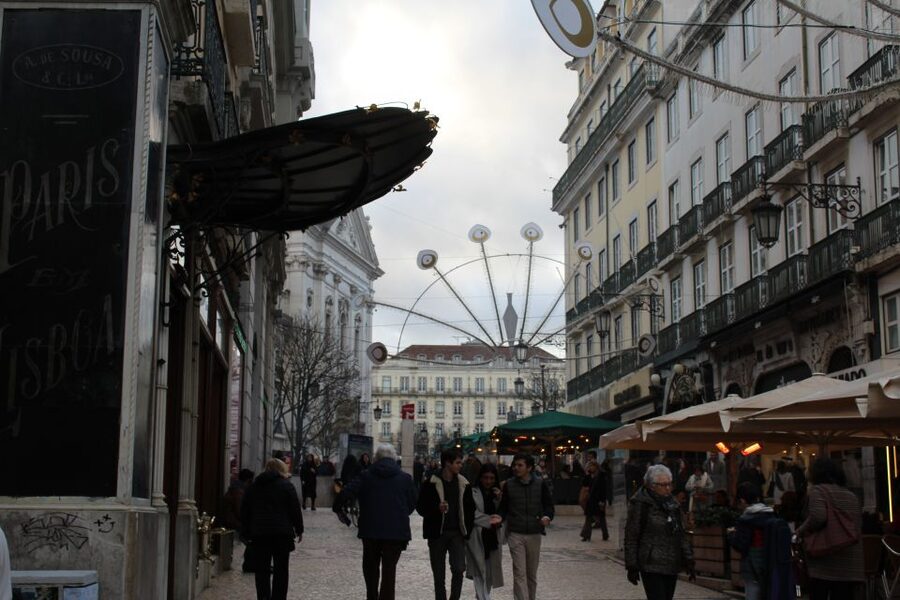
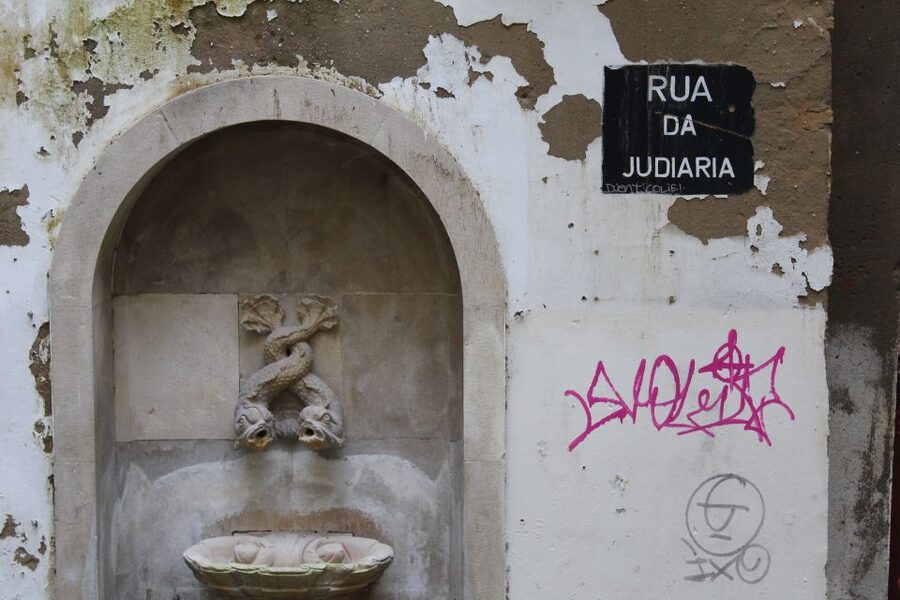
Alfama is the part of the route where the city’s physical character most clearly affects the experience. Its lanes are steep, narrow, and uneven. You may pass archaeological remains, old walls, and viewpoints across the port area while the guide explains how Jewish life fit into the older city.
Several people who took this walk described Alfama as a particularly rewarding part of the route. One called the pacing gentle and informative, while another appreciated the chance to connect personal Sephardic family ties with Lisbon. That suggests an important strength: the walk can work both as a general introduction and as a more personal heritage experience.
Do not expect a preserved Jewish quarter in the manner of some European cities. The value here comes from locating Jewish history within a changing urban setting. The guide may point out a wall marked with a Star of David, archaeological sites, and places tied to Jewish neighborhoods. These details gain meaning through explanation rather than through a long list of intact monuments.
The hills are the clear tradeoff. People with mobility impairments are advised not to book, and anyone else should be ready for a steady walk over sloping streets. Comfortable footwear is not optional. If you need frequent rests, tell the guide at the beginning. Al has been praised for adjusting the pace, but it is best to discuss your needs before the walk starts.
Baixa: Jewish history after Lisbon’s great changes
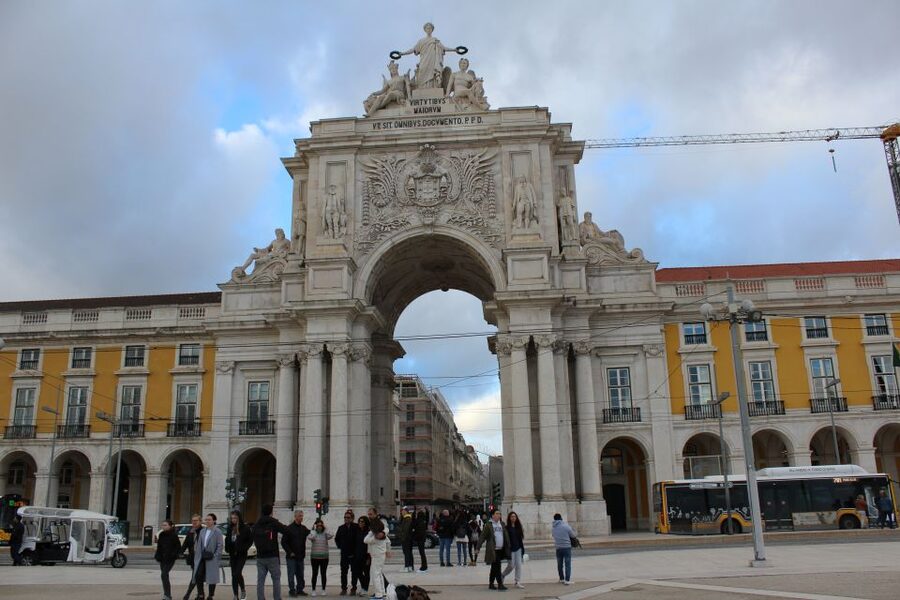
Baixa gives the tour a different feel. This central district is more ordered and open than Alfama, and it helps show how Lisbon changed over time. Here, the guide connects Jewish history with the wider development of the city and with the forces that shaped trade, administration, and public life.
The exact stops can vary, so you should not book this expecting a fixed checklist of buildings. The point is the connection between places and periods. A street may lead into a discussion of commerce. A public area may open a conversation about religious control, forced conversion, or the changing status of minorities.
This wider framing is one of the walk’s strongest features. You learn not only where Jewish people lived, but also why their work mattered. Jewish participation in finance, medicine, agriculture, and industry helped shape Portugal’s growth. The guide also explains how Jewish expertise formed part of the machinery behind the 16th-century discoveries.
That does not mean every part of the route is a surviving Jewish site. Much of what you learn is historical interpretation. If you want a tour based mainly on interiors, synagogue visits, or museum displays, this will not be the right format. If you want Lisbon’s streets explained through a Jewish lens, Baixa makes the tour more useful.
More Lisbon Walking Tours:
- Lisbon: History, Stories and Lifestyle Walking Tour
★ 4.8 · 10,902 reviews - Best of Lisbon Small-Group Guided Walking Tour
★ 5.0 · 4,869 reviews - Lisbon: Food and Wine Small Group Walking Tour
★ 4.9 · 4,082 reviews - Best of Lisbon Walking Tour: Rossio, Chiado & Alfama
★ 4.9 · 2,700 reviews
Chiado: culture, memory, and the wider city
Chiado adds another layer by moving the story into one of Lisbon’s best-known central neighborhoods. The guide uses the district to connect Jewish influence with Portuguese culture and the city’s broader intellectual and commercial life.
The tour is not presented as a narrow religious lesson. It also covers Lisbon itself. One well-received guide linked Jewish history to the relevant periods of general Portuguese history, while another made sure the walk included the importance of non-Jewish sites as well. That balance helps you understand cause and context.
You will likely get more from Chiado if you pay attention to transitions. The guide is not simply pointing out a location and announcing a date. The aim is to show how a city can absorb the work of a minority community while later excluding, converting, or driving out many of its members.
That contradiction is central to the tour. Jewish people could be valued for their skills and still face suspicion or persecution. Converts could be officially accepted as Catholics and still be treated with doubt. The walk asks you to consider how a society defines belonging, and how those rules affect the people who live under them.
Sephardic families, forced converts, and the Atlantic world
For anyone with Sephardic ancestry, this may be the most personal part of the experience. The tour places Portuguese Jewish history within a wider Atlantic story. After expulsion and persecution, Jewish families and their descendants helped shape communities in England, Holland, and the United States.
The guide can also help you understand why family records and identities may be complicated. A family with Portuguese roots may have moved between religious labels, countries, and languages. Some people maintained Jewish practice openly, while others did so quietly or lost the connection over time.
One guide adapted the walk to a guest’s interest in Sephardic heritage and family links to Lisbon. That kind of conversation is worth raising before the tour begins. Bring the names, dates, or places you are curious about, but keep your expectations realistic. The advertised experience is a historical walking tour, not a genealogy service, and no specific family research is promised.
Even without family ties, the subject remains accessible. You learn how religion can be both a public identity and a private practice. You also see how migration can spread culture far beyond the city where a community began.
What the guides add
The guide makes or breaks a history walk, and this experience has earned its strongest praise for the people leading it. Al is repeatedly described as engaging, well informed, and willing to tailor the pace. Luciano is also noted for his command of Portuguese and Jewish history, along with an ability to connect the subject to Lisbon’s wider past.
Those names may not be assigned to every departure, so do not assume you will receive a particular guide. Still, they give you a sense of the level of interpretation available. The best moments are likely to come when you ask questions and let the guide connect the answer to the street around you.
A substitute guide also received strong praise, which is a useful sign. It suggests the experience does not depend entirely on one individual. The standard may vary from guide to guide, but the walk is designed around a live guide rather than an audio recording or a self-guided map.
The language options are Portuguese and English. If you have a strong interest in a particular subject, mention it early. Guides have adjusted pace and content for different interests, including family heritage and general Lisbon history.
Is $141 a fair price?
At $141 per person, this is not a cheap city walk. The value depends on what you want from the three hours.
The price makes more sense if you are specifically interested in Jewish history, Sephardic heritage, or the relationship between minority communities and Portuguese expansion. You are paying for a guided interpretation of a subject that is often scattered across the city and not always obvious from the streets.
The value is also stronger if the guide gives you the kind of personal attention described by past participants. Al has adjusted the pace and tailored explanations to family interests. A guide who can answer questions, place Lisbon in a wider historical setting, and make the route feel coherent adds far more than a basic orientation walk.
The price is harder to justify if you want a general overview of Lisbon or a long list of major attractions. The tour passes through important central districts, but Jewish history remains the focus. Transportation is not included, and the experience is on foot.
For a first-time visitor who has only one free morning, compare this with a standard Lisbon city tour. For someone with Jewish family connections or a serious interest in Sephardic history, the specialized subject may justify the cost.
Timing, fitness, and what to bring
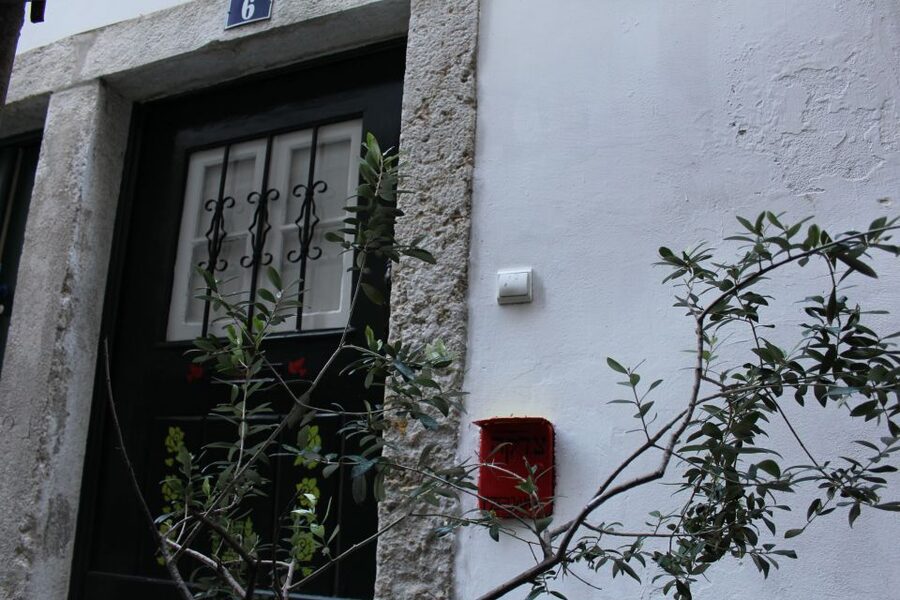
Plan on three hours of walking. The route includes Alfama and other hilly areas, so wear shoes with good grip and bring water, even though a bottle is included.
You do not need to arrange transportation during the tour. The walk begins at A Padaria Portuguesa and proceeds through the neighborhoods on foot. Since no transport is included, make sure you can reach the meeting point independently.
The activity is not suitable for people with mobility impairments. That warning should be taken seriously. Lisbon’s slopes and uneven paving can be tiring, and the route is designed as a walking experience rather than a vehicle-based tour.
A light schedule works best. Do not book this immediately before a timed museum entry, long-distance train, or airport transfer. The guide may keep good pace, but the route is built around conversation and stops, not a race through the city.
Free cancellation is available up to 24 hours before the start, and you can reserve now and pay later. Those terms help if your Lisbon plans are still moving around, but the physical demands of the walk will not change.
Who should book this walk?
You should consider it if you:
- Want Jewish history tied to actual Lisbon neighborhoods
- Have Sephardic family connections or an interest in Marrano history
- Prefer a live guide who can answer questions
- Enjoy walking through older districts rather than visiting only formal museums
- Want Jewish history explained alongside Portugal’s wider political and cultural story
You may want a different experience if you:
- Need a flat route or have limited walking ability
- Want synagogue interiors or a museum-centered visit
- Prefer a quick, general introduction to Lisbon
- Do not want to spend $141 on a three-hour specialized tour
- Need a fully fixed list of guaranteed stops
Should you book the Jewish History in Portugal tour?
Book it if you want the story behind the streets, not just the streets themselves. The strongest parts are the treatment of Sephardic and Marrano identity, the link to Portugal’s overseas expansion, and the chance to discuss personal family connections with a guide such as Al or Luciano when available.
The walk is hilly, the price is substantial, and the surviving physical evidence may be less obvious than you expect. But for the right audience, those limits are outweighed by the subject and the quality of the interpretation. I would choose it early in a Lisbon visit, when the context can sharpen everything else you see in Alfama, Baixa, and Chiado.
FAQ
Where does the tour meet?
The meeting point is A Padaria Portuguesa, described as a bagel shop.
How long does the walking tour last?
The tour lasts three hours.
Which Lisbon neighborhoods does it visit?
The route passes through Alfama, Baixa, and Chiado, all connected to the history of Jewish life in Lisbon.
What languages are available?
The live guide speaks Portuguese or English.
What subjects does the tour cover?
It covers Jewish culture, Jewish influence on Portuguese culture, Sephardic Jews, Marranos, and the history of Jewish communities in Portugal.
Does the tour explain Jewish involvement in the Portuguese discoveries?
Yes. The experience discusses Jewish contributions to areas including finance, medicine, agriculture, and the development of the Portuguese discoveries in the 16th century.
Is transportation included?
No. Transportation is not included. The experience is a walking tour.
Is the tour suitable for people with mobility impairments?
No. The activity is listed as unsuitable for people with mobility impairments, and the route includes hilly areas.
What is included in the price?
The experience includes a guide, the walking tour, and a bottle of water.
Can I cancel for a full refund?
Yes. You can cancel up to 24 hours in advance for a full refund. You can also reserve now and pay later.
More Historical Tours in Lisbon
- Lisbon: Live Fado Show with Port Wine in Historic Center
★ 4.7 · 4,166 reviews - Lisbon: Fado Show with Wine in a Historic Venue
★ 4.8 · 1,294 reviews - Explore Lisbon by Tuk Tuk: History and Viewpoints
★ 5.0 · 840 reviews - Lisbon: Daytime or Sunset Boat Cruise with History and Wine
★ 4.9 · 819 reviews
Just reviewed in Lisbon
- Lisbon: Morning of Equestrian Art with Lusitano Horses★ 4.4 · 87 reviews
- Lisbon: Entry Tickets to Mosteiro de São Vicente de Foram★ 4.6 · 50 reviews
- Lisbon: Early Morning TukTuk Tour – hotel/cruise ship pickup★ 4.9 · 45 reviews
- Lisbon: National Palace of Ajuda E-Ticket & City Audio Guide★ 4.1 · 87 reviews
- Sintra: Quinta da Regaleira e-Ticket & Sintra City Audios★ 4.1 · 12 reviews
- Lisbon E-Bike Tour TAGUS★ 5.0 · 3 reviews
- Lisbon: E-bike Trip from the Sintra Mountains to Cascais Sea★ 5.0 · 67 reviews
- Lisbon: Discover Belem by electric Tuk Tuk★ 4.9 · 86 reviews
Lisbon Walking Tours, compared.
Best of Lisbon Small-Group Guided Walking Tour
Read our review →
Best of Lisbon Walking Tour: Rossio, Chiado & Alfama
Read our review →

Lisbon Roots – Small group Food & Culture Walking Tour w/tastings
Read our review →
Starter Walking Tour to the highlights in German
Read our review →
Browse the lists this tour appears in