
Reviewed · MUSEUMS
Lisbon: National Tile Museum Entry Ticket
Lisbon’s National Tile Museum is much more than a room full of pretty blue-and-white squares. Inside the former Madre Deus Convent, you’ll follow Portuguese azulejos from the 15th century to the present, then wander through a church, cloister, chapel, and other spaces decorated with paintings, carved wood, and tiles. I like the clear chronological route, and I especially like how the building itself becomes part of the exhibition.
Two things make this visit especially worthwhile. First, the opening display explains the materials and tile-making methods before you see the finished work. Second, the large Lisbon city scene on the upper floor gives you a memorable way to see how tiles can tell a story, not just decorate a wall.
The main drawback is location and timing. This is not a quick stop in central Lisbon, and the museum closes from 1:00 to 2:00 pm. The ticket is also listed as regular entry, not a guaranteed skip-the-line ticket, so you should allow extra time at the entrance.
Key points to know before you go
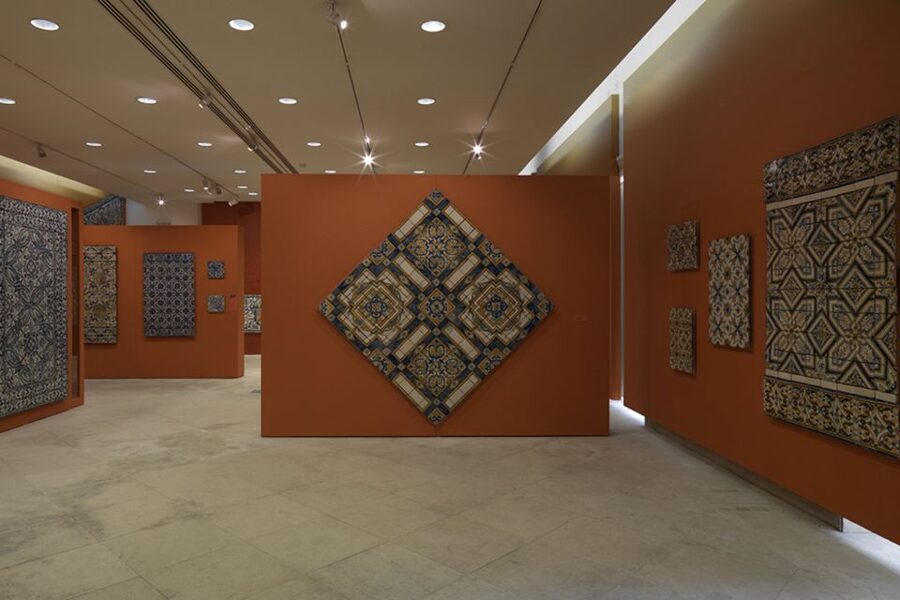
- 15th-century beginnings: Follow Portuguese tile work through several centuries, from early examples to modern pieces.
- A former convent: The Madre Deus building includes a Mannerist cloister, decorated church, sacristy, high choir, and Baroque Chapel of Saint Anthony.
- More than azulejos: The museum also displays ceramics, porcelain, and faience from the 17th to the 21st century.
- Allow 90 minutes to two hours: You can move quickly through the displays, but the building deserves a slower look.
- Plan around the midday closure: Opening hours are 10:00 am to 1:00 pm and 2:00 pm to 6:00 pm, with last entry at 5:30 pm.
- A good rainy-day choice: Much of the visit is indoors, with a café and gardens for a pleasant pause afterward.
Why the National Tile Museum is worth your time
Portugal’s decorative tiles, known as azulejos, appear all over Lisbon. You’ll see them on church interiors, building fronts, railway stations, palaces, and ordinary homes. The National Tile Museum helps you understand what you’re looking at when you walk around the city.
That context is the real value of this visit. Instead of treating tiles as isolated decoration, the museum shows their development over time. You begin with the basic materials and techniques, then move through a chronological display that explains changing styles and methods.
I like this approach because it gives you a framework for the rest of your Lisbon sightseeing. After your museum visit, tiled façades around the city become easier to read. You begin to notice color, pattern, scale, and the difference between a simple geometric design and a large scene made from many individual pieces.
The museum was established in 1965 and became a national museum in 1980. Its home, however, reaches much further back. Queen D. Leonor founded the Madre Deus Convent in 1509, and the building was changed through several construction campaigns over the centuries.
That mixture of museum and historic building is one of the strongest reasons to come. You are not walking through a modern gallery with tiles placed on plain white walls. You are seeing the collection in rooms with their own religious and architectural history.
More Lisbon Tile and Azulejo Tours:
- Lisbon: Azulejos’ Design Create Your Own Tile Workshop
★ 4.9 · 420 reviews - Arrabida Wine Tour from Lisbon: Wineries, Tastings & Tile Factory
★ 5.0 · 154 reviews - Lisbon: National Tile Museum E-Ticket & Audio Guide
★ 4.3 · 121 reviews
Starting with the tile-making process
The permanent exhibition begins with an introduction to the materials and techniques used to make tiles. This is a useful first stop, even if technical displays usually make your eyes glaze over.
Take a few minutes here. The explanation gives you a better sense of the work behind the finished panels, including how color and decoration are applied. Once you reach the large wall displays, you’ll understand that these scenes were not produced as one painted surface. They were built from many separate ceramic pieces.
The museum also includes ceramics, porcelain, and faience dating from the 17th through the 21st century. This widens the visit beyond wall decoration and shows how ceramic arts changed across different periods.
If you are visiting with older children or teenagers, this opening section can help keep the museum from feeling like a long series of similar patterns. The material is visual, but it also gives you a process to follow: raw materials, technique, design, and finished work.
One limitation is that not every piece has extensive detail beside it. If you want more explanation, an audio tour may help, though using it can require downloading an app and bringing your own headphones. You can still enjoy the museum without it, but visitors who want fuller context should check the audio arrangements before arrival.
Following the collection from the 15th century onward
After the introduction, the route follows a chronological order. The early sections show how Portuguese tile work developed from the second half of the 15th century. As you continue, the designs become more varied, and the museum makes it easier to compare periods side by side.
The chronological layout is a practical choice. You do not need to know Portuguese art history before arriving, and you do not need to guess where to begin. The displays guide you through the changes in style and technique.
Look for the difference between tiles meant to create repeated patterns and tiles arranged into larger figurative scenes. Some designs are modest and orderly. Others cover broad surfaces with people, architecture, religious subjects, or decorative details.
The collection also helps explain why azulejos became such a recognizable part of Portugal. They were not used only as small accents. In churches and grand interiors, tiled panels could cover large areas and add color, narrative, and visual rhythm.
You should not expect every room to deliver the same impact. Some sections are more about comparison and development than instant visual drama. That is part of the museum’s value, but it means you’ll get more from the visit if you give the timeline a little attention instead of rushing toward the most ornate rooms.
The convent church and its painted interiors
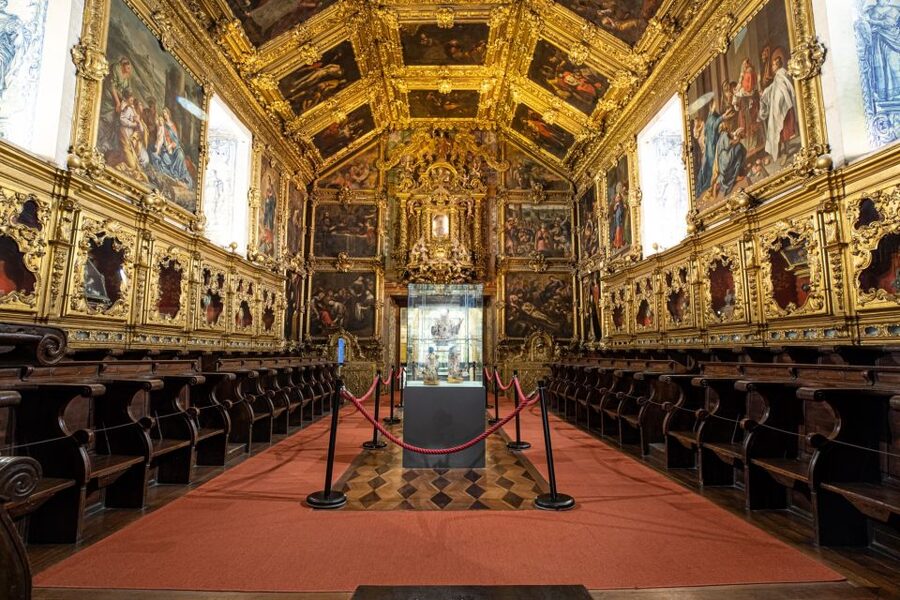
The former convent is not simply a container for the collection. Its church is one of the major highlights, with remarkable groups of paintings and tiles. This is where the museum’s setting and subject come together most clearly.
The church gives you a chance to see decorative tile work in an architectural setting rather than as individual objects behind glass. Look up and around, not just straight ahead. The painted surfaces, tile panels, and structural details work together, and the effect is very different from the chronological gallery rooms.
The sacristy adds another layer. It includes a Brazilian wood display cabinet and carved wood frames holding paintings. The combination of dark wood, framed art, and ceramic decoration gives this room a more intimate feel.
The high choir is another memorable space, with carved giltwood embellishments. Even if you came mainly for azulejos, these rooms make it clear that the museum is also a site of religious art and historic interiors.
The Chapel of Saint Anthony brings in an 18th-century Baroque setting. It includes a large number of canvases by the painter André Gonçalves, along with its decorative details. The chapel may appeal most to visitors who enjoy churches and painted interiors, but it also breaks up the tile displays and gives the visit a change of pace.
More Museums in Lisbon:
- Lisbon: Luz Stadium Tour & SL Benfica Museum Ticket w/Scarf
★ 4.7 · 3,264 reviews - Lisbon: Banksy Museum Permanent Exhibition Entry Ticket
★ 4.7 · 506 reviews - Lisbon: Belem, Jeronimos Monastery, and Coach Museum Tour
★ 4.8 · 478 reviews - Lisbon: MAAT Gallery and MAAT Central Entry Tickets
★ 4.1 · 422 reviews
The Mannerist cloister and upper-floor city scene
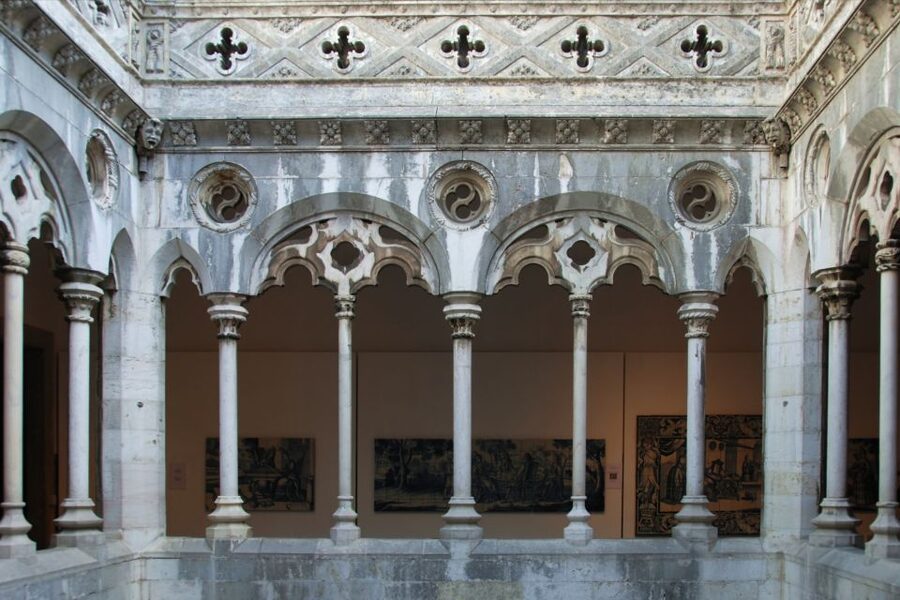
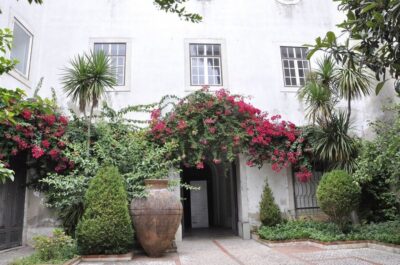
The 16th-century Mannerist cloister is one of the building’s most atmospheric areas. Its form is calm and ordered, a useful contrast after rooms filled with strong patterns and busy scenes.
Pay attention to the cloister as architecture, not just as a passage between galleries. It helps you picture the convent as a working religious complex before it became a museum.
A display of saints’ relics and busts appears in the cloister area. Some of the objects may feel unexpected if you arrive expecting only tile history, but they reflect the building’s former religious purpose.
One of the most rewarding displays is a large Lisbon city scene on the upper floor. It gives you a different way to think about the city, especially if you have already been walking its streets. Rather than seeing Lisbon from a viewpoint, you see it assembled in tile.
This is a good place to pause and look closely. Large ceramic scenes can be easy to skim, but small details reward patience. The city display is also a strong choice for visitors who want a direct connection between the museum and Lisbon itself.
How long to allow and how to pace the visit
Plan on about 90 minutes for a focused visit. If you enjoy art, historic buildings, or careful looking, allow closer to two hours.
A sensible route looks like this:
- Start with the materials and techniques section.
- Follow the chronological tile displays from the 15th century forward.
- Slow down in the church, sacristy, high choir, and Chapel of Saint Anthony.
- Walk through the cloister and look at the religious objects.
- Finish with the upper-floor Lisbon city scene.
- Leave time for the café or garden if you want a break.
The museum’s hours need planning. It opens Tuesday through Sunday from 10:00 am to 1:00 pm, then reopens from 2:00 pm to 6:00 pm. Last entry is at 5:30 pm. It is closed on January 1, Easter Sunday, May 1, June 13, and December 25.
That midday closure matters more than it might seem. If you arrive near 12:30 pm, you may not have enough time for a relaxed visit. I would choose a morning arrival or enter after 2:00 pm, especially if you want to use the café.
The $11 ticket and what value it offers
At $11 per person, the entry ticket is a reasonable buy if you plan to spend at least an hour inside. You are paying for more than a single gallery. The ticket gives you access to the tile collection, the convent interiors, the church, chapel, cloister, and related ceramic displays.
The value is strongest for three kinds of visitors. If you already admire Portuguese tiles, this is the place to see their development in one setting. If you enjoy religious art and historic buildings, the convent adds plenty beyond the main theme. If you are planning Lisbon sightseeing around indoor stops, the museum gives you a substantial visit without a high price.
The ticket is valid for one day, with starting times shown when you check availability. The activity information says it is not a skip-the-line ticket. Some online ticket holders may find the entrance process quick, but I would not build a tight schedule around bypassing a queue.
The activity is non-refundable, so check your date and opening hours before paying. Bring identification, as a passport or ID card is listed among the suggested items.
Practical comfort and accessibility
The museum is listed as wheelchair accessible. You should still allow yourself enough time to move at a comfortable pace, since the visit includes galleries and historic spaces rather than one simple open room.
Wear comfortable shoes. The building rewards wandering, and you may spend more time on your feet than expected once you reach the church and upper-floor displays.
Bring water, particularly on a warm day. One useful practical note is that ventilation may not feel strong in every part of the museum, so light, comfortable clothing is a sensible choice.
Photography is listed as an item to bring, and the museum offers plenty of visual subjects. Be considerate in the church and chapel, and follow any signs about where photography is permitted.
The café is a handy part of the visit. It provides a place to sit after the galleries, and the garden seating gives you a quieter pause. It can also be useful before entry, though you should keep the museum’s 1:00 pm closure in mind if you are visiting in the morning.
Who should book this museum ticket?
I would choose this experience if you want to understand one of Lisbon’s most recognizable art forms rather than simply photograph tiled buildings from the street. It is also a strong pick for art lovers, architecture fans, families with older children, and anyone looking for an indoor activity on a rainy day.
You do not need to be an expert in ceramics. The chronological route makes the visit approachable, and the building supplies plenty of variety when your attention needs a change from tile panels.
I would be more cautious if your Lisbon schedule is extremely tight or if you are staying far from the museum and have no interest in historic churches. The museum is worth the journey for the right visitor, but it is not the easiest attraction to squeeze into a spare 30 minutes.
Should you book the National Tile Museum?
Yes, if you want a fairly priced, self-guided visit that combines Portuguese tile history with an impressive former convent. The best parts are the clear timeline, the church and chapel interiors, the Mannerist cloister, and the large Lisbon city scene upstairs.
Book it when you can give it at least 90 minutes, and plan around the 1:00 to 2:00 pm closure. Do not assume the ticket guarantees skip-the-line entry, and consider an audio option only if you are comfortable downloading an app and using your own headphones.
For many visitors, this museum becomes more rewarding after they have already seen Lisbon’s tiled streets. For others, it works perfectly as an introduction. Either way, the $11 price buys a substantial cultural stop, not just a quick look at decorative squares.
FAQ
Where is the National Tile Museum?
The museum is in the Lisbon District of Portugal, inside the former Madre Deus Convent.
How much does the entry ticket cost?
The ticket costs $11 per person.
How long is the ticket valid?
The ticket is valid for one day. Check availability for the available starting times.
What are the museum’s opening hours?
The museum is open Tuesday through Sunday from 10:00 am to 1:00 pm and from 2:00 pm to 6:00 pm. Last entry is at 5:30 pm.
When is the museum closed?
It is closed on January 1, Easter Sunday, May 1, June 13, and December 25.
Is this a skip-the-line ticket?
No. The activity information specifically says this is not a skip-the-line entry ticket.
Is the museum wheelchair accessible?
Yes. The activity is listed as wheelchair accessible.
Just reviewed in Lisbon
- Lisbon: Morning of Equestrian Art with Lusitano Horses★ 4.4 · 87 reviews
- Lisbon: Entry Tickets to Mosteiro de São Vicente de Foram★ 4.6 · 50 reviews
- Lisbon: National Palace of Ajuda E-Ticket & City Audio Guide★ 4.1 · 87 reviews
- Lisbon: Early Morning TukTuk Tour – hotel/cruise ship pickup★ 4.9 · 45 reviews
- Sintra: Quinta da Regaleira e-Ticket & Sintra City Audios★ 4.1 · 12 reviews
- Lisbon E-Bike Tour TAGUS★ 5.0 · 3 reviews
- Lisbon: E-bike Trip from the Sintra Mountains to Cascais Sea★ 5.0 · 67 reviews
- Lisbon: Discover Belem by electric Tuk Tuk★ 4.9 · 86 reviews
Museums, compared.
Luz Stadium Tour & SL Benfica Museum Ticket w/Scarf
Read our review →
Banksy Museum Permanent Exhibition Entry Ticket
Read our review →


Lisbon SL Benfica Stadium & Museum Tour with Scarf
Read our review →

Benfica Stadium and Museum Tour with Meal and Scarf
Read our review →Browse the lists this tour appears in