
Reviewed · MUSEUMS
Lisbon: National Tile Museum E-Ticket & Audio Guide
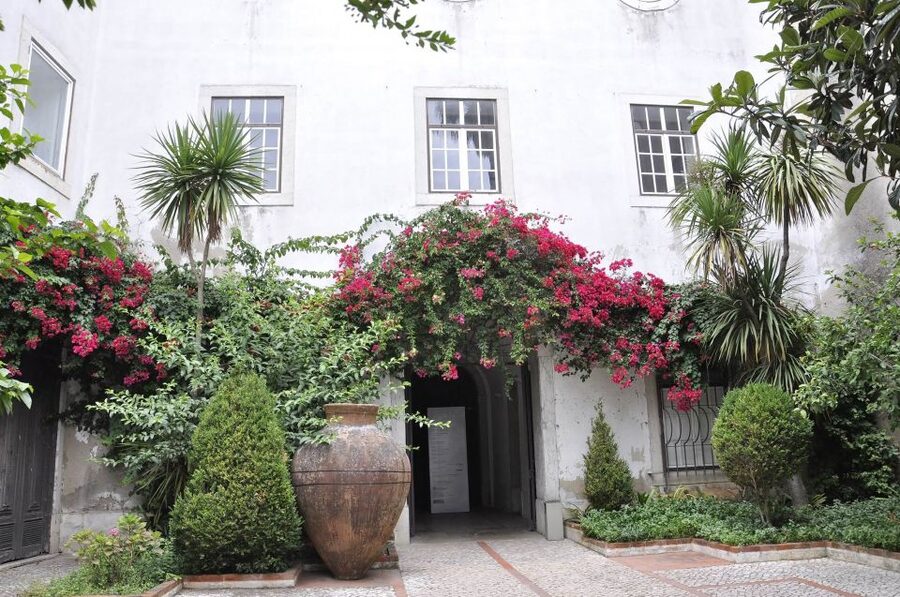
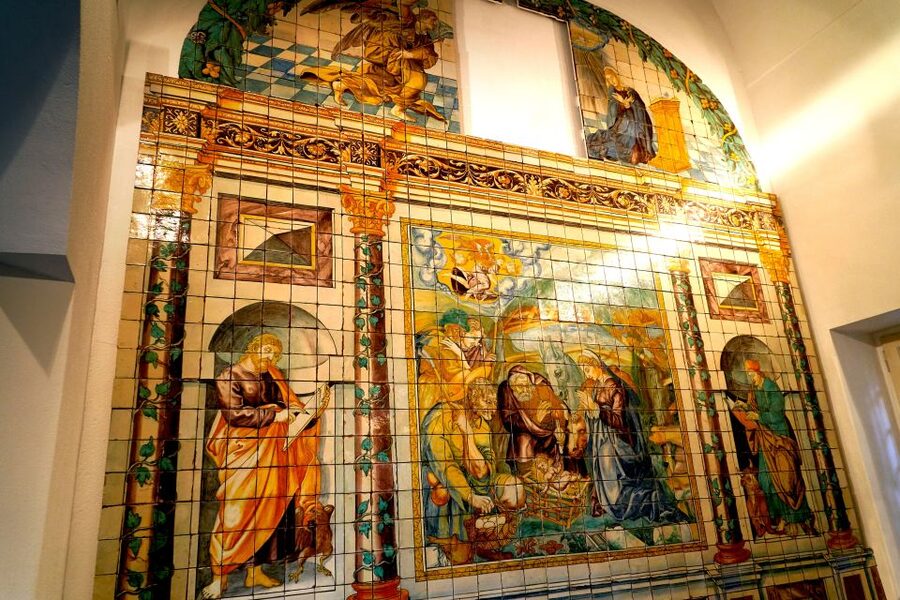
The National Tile Museum turns a familiar part of Lisbon into a surprisingly good history lesson. Portuguese tiles are not just pretty wall coverings here. They tell stories about religion, trade, royal taste, industry, and everyday life, from medieval patterns to modern designs. The museum’s Dona Leonor Chapel and famous Mickey Mouse panel give you memorable highlights, while the older tile galleries explain how this craft developed.
I like the freedom of an audio tour on your own phone, since you can pause, repeat, or skip sections instead of being tied to a guide’s pace. I also like the small size of the experience, limited to 10 participants, although the actual museum visit is largely self-guided. The main drawback is that the audio does not always follow the museum route in a clear order, so you may need to match each recording to the room or image on your screen.
Key points to know
- The Mickey Mouse panel is an unexpected highlight: Look for this playful tile display among works that otherwise lean toward religious, historic, and decorative subjects.
- The Dona Leonor Chapel adds atmosphere: Its tiles make the museum more than a standard gallery visit.
- The audio guide works offline: Download the app, narration, text, and maps before entering so you are not relying on a signal.
- You control the pace: The visit usually takes 1 to 2 hours, but the audio can be replayed, skipped, or extended if you want more detail.
- The $16 price pays for convenience: You receive an adult entry ticket, skip-the-line service, and the audio guide, though queues may still occur.
- Bring a compatible phone and headphones: The guide requires Android 5.0 or later or a supported iPhone, plus about 100 to 150 MB of storage.
Why Lisbon’s Tile Museum Deserves Your Time
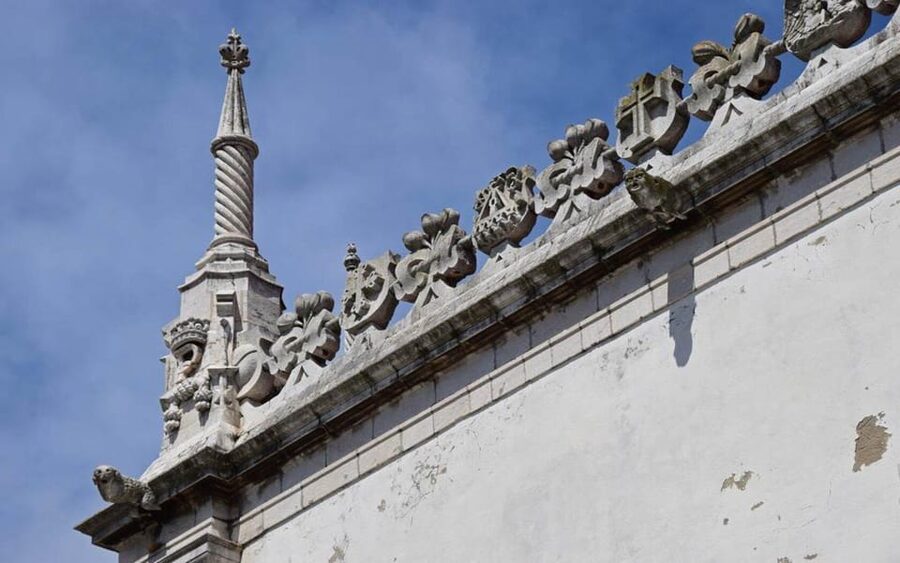
Lisbon is famous for tiled facades, but a city walk only shows you the finished surface. At the National Tile Museum, you can look closely at the patterns, colors, and techniques behind that familiar style. The displays also place tilemaking in a wider Portuguese story, linking the craft to the medieval period, religious art, royal decoration, and modern design.
This is a good choice if you want a quiet cultural stop rather than another crowded viewpoint. You are not rushing from one major landmark to the next. Instead, you move through rooms filled with detailed work, listening to short explanations and stopping whenever a panel catches your eye.
The museum is particularly useful for first-time visitors who have noticed tiles all over Lisbon but do not yet know what they are looking at. The audio explains the tile industry in accessible sections, helping you understand why tile became such an important part of Portuguese visual culture.
The experience has a 4.3 rating from 121 reviews, which fits its strengths and limits. The museum itself receives strong praise for its art, setting, and historical material. The audio guide is useful, but its navigation takes a little practice.
More Lisbon Tile and Azulejo Tours:
- Lisbon: National Tile Museum Entry Ticket
★ 4.6 · 868 reviews - Lisbon: Azulejos’ Design Create Your Own Tile Workshop
★ 4.9 · 420 reviews - Arrabida Wine Tour from Lisbon: Wineries, Tastings & Tile Factory
★ 5.0 · 154 reviews
Getting Through the Entrance With an E-Ticket
After booking, you receive an email with instructions for accessing the ticket and downloading the audio guide. Check your spam folder if the message does not arrive promptly. You need to prepare before you reach the museum, especially if you want to avoid using mobile data or wasting time at the entrance.
The ticket includes adult admission and advertised skip-the-line service. That is helpful at a busy time, but do not read skip-the-line as a promise of instant entry. The museum warns that long queues may still form, and you may have to wait before going inside. Free and reduced-price tickets do not receive skip-the-line privileges and must be obtained on-site.
Children up to 12 years old enter free. That makes this option less useful for a family with several young children, since the paid ticket is aimed at adults and the audio guide is purchased by device rather than strictly by person.
One detail deserves attention: book according to the number of phones that will use the guide, not simply the number of people in your party. If two people want to listen separately on two devices, check that your booking covers both devices.
The Opening Rooms and Portugal’s Tile Industry

Once inside, begin with the general story of Portuguese tilemaking. The audio guide provides historical context from Portugal’s medieval past through the modern day, using brief sections rather than one long lecture. You can listen carefully to each part or move ahead when a display interests you more.
This structure works well for an independent visit. You are free to spend extra time with a particularly fine panel, then return to an explanation later. The offline text, narration, and maps are useful if you prefer to read some information rather than listen to every track.
The central idea is that tile is both an art form and an industry. The museum shows how patterns and techniques changed over time, while the audio connects those changes to Portuguese culture. You get more than a parade of attractive surfaces. You learn why these objects mattered and how they became part of the country’s built environment.
The short stories and uncommon anecdotes are best treated as prompts for looking closely. Notice how repeated patterns create order across a wall. Compare geometric designs with figurative scenes. Look at how a tile panel changes the feel of a chapel, courtyard, or interior room.
The audio does not always guide you in the physical order you expect. One section may describe a room you have not yet reached, or you may need to tap the image of the room where you are standing. Before you begin, spend a moment learning how to advance through the app. That small step will keep you from feeling permanently behind.
Mudéjar Patterns and the Appeal of Repetition
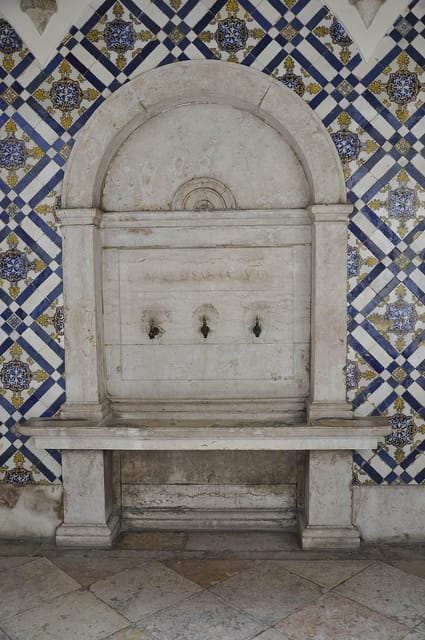
The Mudéjar-patterned tiles are among the best places to slow down. Their geometric designs reward close viewing because the effect comes from repetition, balance, and small variations. They also show how tile decoration can make a wall feel structured without relying on painted scenes or large figures.
For you, the value here is visual as much as historical. These are works that can look simple from across a room, then become more intricate as you stand close. If you are taking photographs, patterns are especially satisfying because they fill the frame without needing much explanation.
The audio can help you place these designs within Portugal’s medieval and later artistic development. It also gives you a way to connect what you see in the museum with the tiled surfaces encountered elsewhere in Lisbon.
Do not rush through this section simply because the designs repeat. Repetition is the point. The museum lets you see how a single motif can become a larger decorative system, and the guide gives you enough context to understand why that matters.
More Museums in Lisbon:
- Lisbon: Luz Stadium Tour & SL Benfica Museum Ticket w/Scarf
★ 4.7 · 3,264 reviews - Lisbon: Banksy Museum Permanent Exhibition Entry Ticket
★ 4.7 · 506 reviews - Lisbon: Belem, Jeronimos Monastery, and Coach Museum Tour
★ 4.8 · 478 reviews - Lisbon: MAAT Gallery and MAAT Central Entry Tickets
★ 4.1 · 422 reviews
The Dona Leonor Chapel
The Dona Leonor Chapel is one of the visit’s most important stops. It gives the museum a strong sense of place and shows how tile works within architecture, not only inside a display case. The chapel’s setting makes the designs feel functional and ceremonial at the same time.
This is where the difference between seeing a tile in a gallery and seeing a tiled interior becomes clear. The surrounding space affects how you read the colors, scale, and arrangement. I would make time for the chapel even if you are visiting on a tight schedule.
The audio guide gives historical background and helps connect the chapel to Portugal’s medieval past. You can replay the section if you want to look first and listen afterward. That is one advantage over a live tour: you do not have to choose between watching the room and keeping up with the speaker.
The chapel may also be a good pause point for visitors who are less interested in technical details. Its architecture provides an immediate visual impression, while the narration supplies the explanation behind it.
Finding the Mickey Mouse Tile Panel
The Mickey Mouse tile panel is the museum’s most surprising named highlight. In a collection strongly associated with religious imagery, geometric decoration, and historic craftsmanship, a Mickey Mouse display adds a playful modern note.
Look for it as a contrast to the older works. It helps show that tilemaking is not frozen in the past. The museum’s story continues into modern times, and this panel gives you an easy, memorable way to notice that change.
The panel is also useful for families. Children may respond to the recognizable character even if they do not yet have the patience for every historical explanation. Adults can use it as a conversation point about how familiar imagery changes when translated into tile.
Do not expect the Mickey Mouse panel to carry the whole visit. It is a memorable stop, but the museum’s appeal comes from the range of material around it. The chapel, Mudéjar patterns, and broader history of the industry give the collection its substance.
How the Smartphone Audio Guide Works

The audio guide is in English and runs through an app on your own smartphone. You receive instructions by email, then download the app and its content. Offline access includes text, audio narration, and maps, which is helpful inside a museum where you may not want to depend on a connection.
Bring your own headphones. They are not included, and neither is a smartphone. The guide requires Android 5.0 or later or a compatible iPhone. It does not work with Windows Phones, iPhone 5 or 5C models and older, iPod Touch 5th generation or older, iPad 4th generation or older, or the first-generation iPad Mini. Allow about 100 to 150 MB of free storage.
The app’s strongest feature is flexibility. You can replay a section, skip material, or move to another room without waiting for a scheduled talk. If you are already familiar with Portuguese art, you can keep the visit moving. If you want more background, you can stop and listen again.
Its weak point is orientation. The audio sections do not always match the order in which you walk through the museum. Use the room images or map to identify where you are, then select the matching section. If you simply press play from the start and walk without checking the screen, you may hear information for a different part of the museum.
Wall labels provide a useful backup. One visitor could not use the audio and still found enough information in the museum itself. That means the guide is helpful, but it is not the only way to understand the collection.
Time, Price, and Practical Value
The stated visit length is 1 to 2 hours. I would allow the full two hours if you plan to listen to most of the guide, study the patterns, and spend time in the chapel. You can make it shorter by selecting only the main sections, though the museum may leave you wanting more if you enjoy decorative art.
At $16 per person, the price is reasonable for an adult entry ticket plus audio content, particularly if you value independent touring and skip-the-line access. It is less compelling if you already have free admission, reduced admission, or a phone-free museum visit in mind. Free and reduced tickets must be purchased on-site and do not include skip-the-line privileges.
The value also depends on how many devices you need. Since the booking is made per device, a pair sharing one phone may find it economical. Two people wanting separate audio streams should check the booking details before paying.
The museum is wheelchair accessible. The tour is not led by a live guide, so you are responsible for choosing the route and managing the app. That independence suits some people perfectly, while others may prefer a scheduled expert who explains each room in person.
Cancellation is flexible: you can cancel up to 24 hours before the activity for a full refund. The exact meeting point may vary by booking option, so follow the instructions in your confirmation email.
Who Will Enjoy This Visit Most
I would recommend this experience to you if you like art museums but prefer a relaxed pace. It works especially well for visitors who want context without committing to a long guided tour.
It is also a smart choice for anyone curious about Lisbon’s tiled buildings. You will leave with a better eye for geometric patterns, historic panels, and the role of tile in Portuguese interiors.
Families can use the Mickey Mouse panel as an easy anchor, while adults focus on the chapel and the tile industry. The free admission for children up to 12 also improves the value for families, though you will need to decide if sharing one device is practical.
You may want to skip the audio option if you dislike navigating apps or if you prefer to read wall labels at your own speed. The museum remains worthwhile without it, but the guide adds historical links and stories that make the displays easier to place.
Should You Book the National Tile Museum Audio Tour?
Book it if you want a self-guided cultural stop with a clear focus, an English audio guide, and the freedom to control your pace. The Dona Leonor Chapel, Mudéjar patterns, and Mickey Mouse panel give you distinct highlights, while the wider collection explains why tile matters so much in Portugal.
Before paying, check your phone compatibility, free storage, and headphones. Plan on learning the app’s room-navigation system at the start, and allow extra time if there is a queue. If you are happy managing those small details, the $16 ticket offers a useful and flexible way to see one of Lisbon’s more distinctive museums.
FAQ
How long does the National Tile Museum visit take?
The activity lasts about 1 to 2 hours. You can shorten the visit by skipping audio sections or spend longer replaying material and examining the exhibits.
Is the audio guide available in English?
Yes. The included smartphone audio guide is in English.
Do I need my own smartphone and headphones?
Yes. A smartphone and headphones are not included. You need a compatible Android or iOS device, and the audio guide requires around 100 to 150 MB of storage.
Is the museum wheelchair accessible?
Yes. The museum is wheelchair accessible.
Does the ticket include skip-the-line entry?
The adult ticket includes skip-the-line service, but long queues may still occur at the entrance. Free and reduced admission tickets do not include skip-the-line privileges and must be obtained on-site.
Can I cancel the booking for a refund?
Yes. You can cancel up to 24 hours in advance for a full refund.
More Self-Guided Tours in Lisbon
- Sintra: Castle of the Moors & Quinta Entry with Audio Guides
★ 4.3 · 252 reviews - Unforgettable Sintra Tour E-CAR GPS audio-guided route that informs and entertains!
★ 5.0 · 235 reviews - E-Car Self Guided/ Regaleira / Monserrate/ Palacio Pena / Mouros
★ 5.0 · 210 reviews - Sintra: Castle of the Moors Skip-the-Line Ticket+Audio Guide
★ 4.4 · 191 reviews
More Audio Tours in Lisbon
- Lisbon: São Jorge Castle E-Ticket and Audio Guide
★ 4.3 · 2,182 reviews - Sintra: Quinta da Regaleira E-Ticket and Audio Guide
★ 4.2 · 1,731 reviews - Lisbon: Tram 28 Entry Ticket & Audio Guide with 24-Hour Pass
★ 4.0 · 930 reviews - Lisbon: Jerónimos Monastery E-Ticket and Audio Guide
★ 3.7 · 660 reviews
Just reviewed in Lisbon
- Lisbon: Catamaran Boat Party with Music, Open Bar & Dives★ 4.2 · 109 reviews
- Lisbon: Capture its Charm with a Laidback Photoshoot★ 5.0 · 4 reviews
- Lisbon: Fado Night Tour★ 3.3 · 7 reviews
- Lisbon Dinner with Fado Show and Sights by Night★ 4.1 · 45 reviews
- Lisbon by Night: Guided Walking Tour – The Unholy Secrets★ 4.8 · 93 reviews
- Lisbon: Tagus Estuary Nature Reserve Birdwatching Boat Tour★ 4.9 · 117 reviews
- Lisbon: Guided Nighttime Electric Bike Tour★ 5.0 · 3 reviews
- Lisbon Bike Tour: Langs de rivier van Belém naar Lissabon★ 4.7 · 59 reviews
Museums, compared.

Luz Stadium Tour & SL Benfica Museum Ticket w/Scarf
Read our review →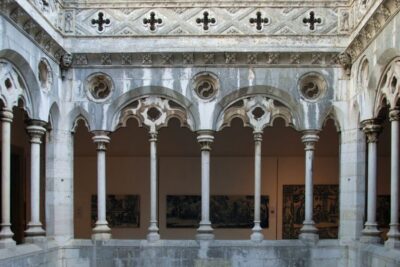

Banksy Museum Permanent Exhibition Entry Ticket
Read our review →


Lisbon SL Benfica Stadium & Museum Tour with Scarf
Read our review →

Benfica Stadium and Museum Tour with Meal and Scarf
Read our review →Browse the lists this tour appears in