
Reviewed · LISBON COOKING CLASSES
Lisbon: Pastel de Nata Masterclass at a Real Bakery
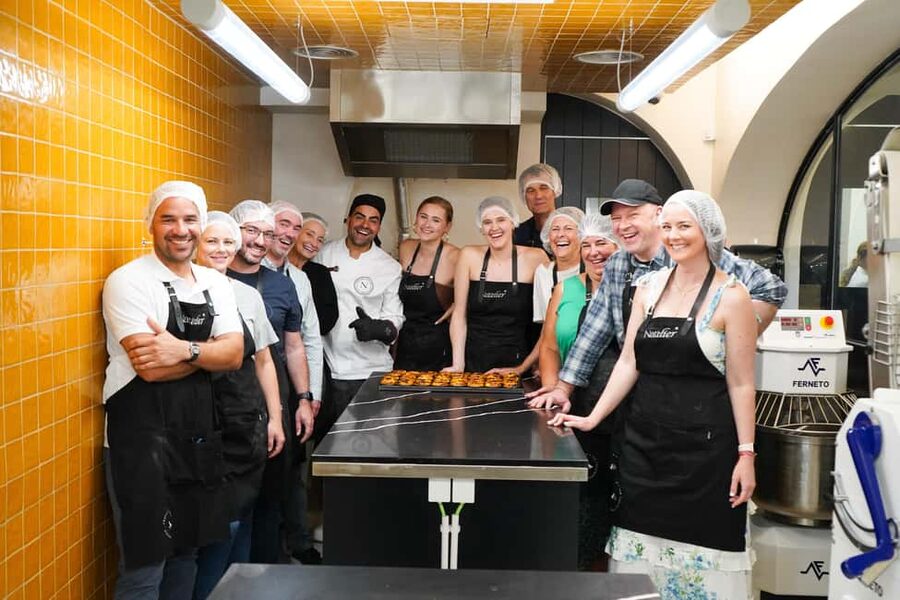
Lisbon’s famous custard tart is easy to eat and surprisingly tricky to make. This two-hour class takes you behind the counter at Nat’elier, where you’ll laminate puff pastry, shape the shells, cook the custard, and bake at least three pastel de nata in a professional kitchen. João Batalha, Silvia Sousa, and other in-house chefs may lead the session.
I like two things right away: you work in a real bakery rather than a staged cooking room, and the class teaches the pastry from zero, not just the filling. You also finish with warm tarts and a barista-made drink, which makes the $74 price easier to weigh.
The main consideration is the group format. With up to 12 people, some steps may be shared in pairs or larger groups, so you might not handle every part alone. An English-speaking participant also found communication less easy when the class included mostly other languages.
Key points
- Real bakery setting: Work inside Nat’elier’s professional kitchen near Baixa-Chiado.
- Pastry from scratch: Learn the special rolling and shaping method used for pastel de nata.
- Beginner-friendly teaching: No baking experience is needed, and children aged eight and up can join.
- Three warm tarts included: Bake at least three pastries yourself, then eat them with a hot or cold drink.
- Small working group: The class has a maximum of 12 participants, though some stages may be shared.
- Practical takeaway: You receive a participation certificate and the recipe by email for baking at home.
Starting at Nat’elier near Baixa-Chiado

The class begins at Nat’elier pastry store, directly outside the Baixa-Chiado metro station on the blue line. That makes the meeting point simple to find, especially if you are already exploring central Lisbon. Tell the staff you are attending the Pastel de Nata Masterclass, then prepare to move into the bakery’s working area.
This location is useful for another reason: you can pair the class with a morning or afternoon in Baixa, Chiado, or the nearby waterfront. The activity ends where it starts, so you do not need to arrange transport back across the city.
Allow yourself a few minutes to arrive. The experience is built around a fixed two-hour session, and arriving late could mean missing the introduction or an early pastry step. Starting times vary, so check the available slot before planning lunch, a museum visit, or a train connection.
More Lisbon Cooking Classes:
- Lisbon: Pastel de Nata Baking Class
★ 4.9 · 2,106 reviews - Lisbon: Traditional Portuguese Cooking Class
★ 4.9 · 592 reviews - Pastel de Nata Masterclass at a Real Bakery in Downtown Lisbon
★ 5.0 · 491 reviews
A short history lesson before the flour
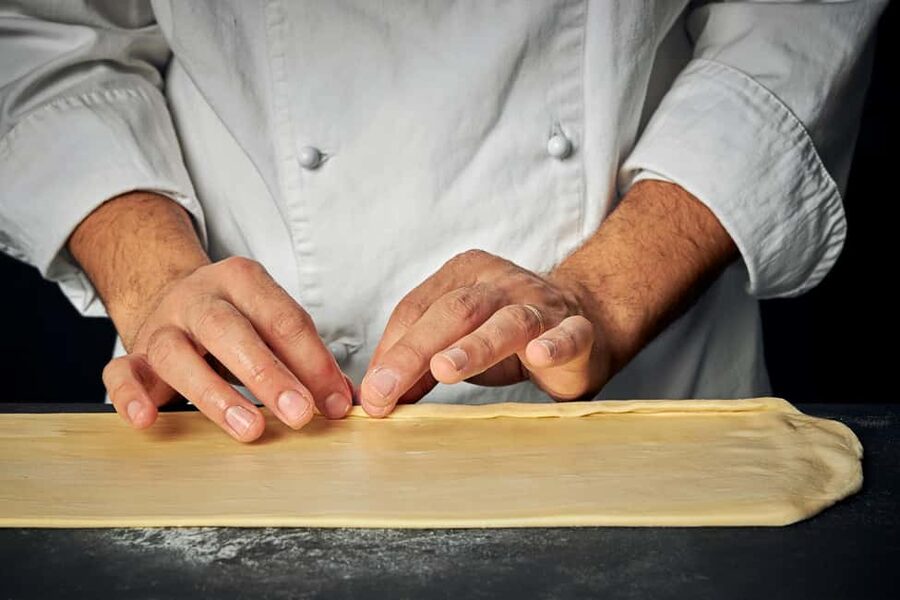
The workshop opens with an introduction to the history of pastel de nata. It is not a long lecture. The useful part is that you learn what makes this pastry different from an ordinary custard tart before you start handling dough and filling.
That context helps you pay attention to the small choices later. Pastel de nata depends on the contrast between crisp, layered pastry and soft baked custard. The technique matters as much as the ingredient list, which is why this class spends time on the dough rather than rushing straight to the oven.
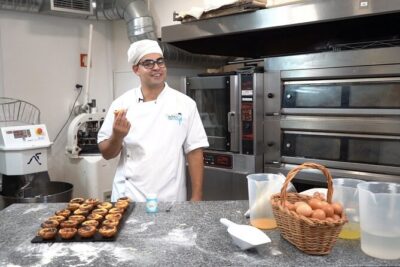
The instructors teach in English and Portuguese. João Batalha, a chef and co-founder of Nat’elier, may lead the session, along with pastry chefs such as Silvia Sousa or Adriano Cardoso. Other named instructors in the sessions include Valeria, Miguel, Manuel, Juan, and a Brazilian chef whose name was not recorded in the available details.
The teaching style can vary with the chef. The strongest sessions have a clear pace, plenty of patience, and a relaxed sense of humor. Silvia is particularly praised for her patient teaching, while Miguel is described as funny and well informed. João brings the perspective of the bakery’s owner and co-founder.
Putting on an apron and entering the professional kitchen
After the introduction, you gear up with an apron and hair net and enter the bakery kitchen. All ingredients and baking equipment are provided, along with water, so you do not need to bring anything except an appetite and perhaps a way to take notes.
The setting is the heart of the experience. You are not simply watching a chef make a tart while you copy a few gestures at a table. You work in a functioning bakery environment and use professional equipment, including the oven where the pastries are baked.
That does not mean the class feels like professional training. You need no previous cooking or baking experience. The chef demonstrates each stage and explains why the pastry is handled in a particular way. If you rarely bake, the process remains manageable because you are guided step by step.
The class also has a social side. The maximum group size is 12, which is small enough for a chef to keep an eye on the work but large enough to meet people from different countries. Solo visitors can use the activity as an easy way to talk with others without having to force conversation over a meal.
Laminating puff pastry from zero
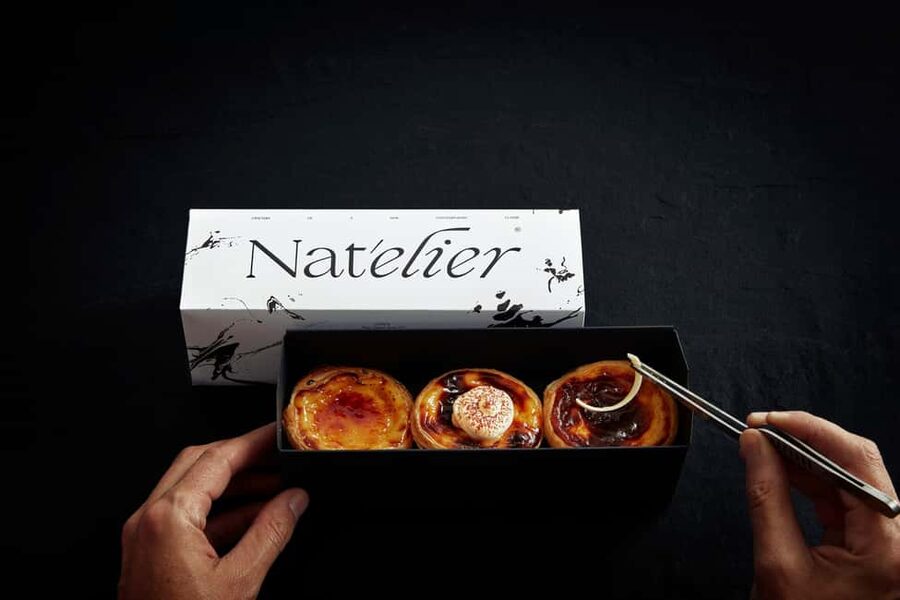
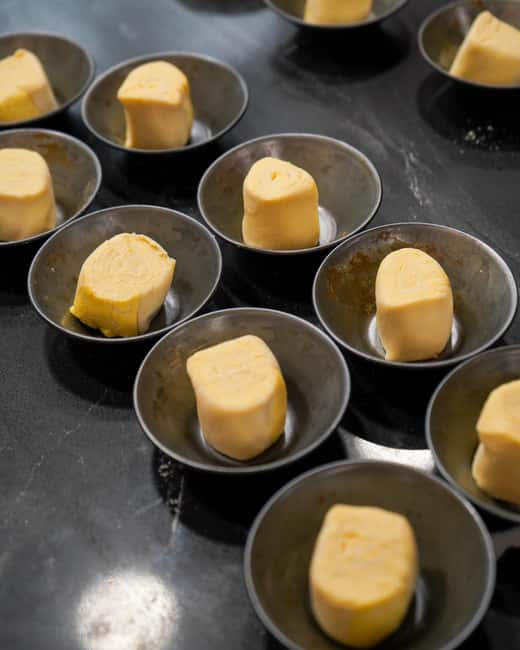
The most valuable part of the workshop is the puff pastry. Many pastry classes hand you prepared dough, but here you learn to make and shape it yourself.
The method is specific to pastel de nata. You learn how to laminate the dough, spread it in the required way, and form the pastry cases. This is the stage where the class earns much of its price. It gives you a technique you can try at home, not just a pleasant afternoon followed by a plate of sweets.
Do not expect every pastry to look identical. Shaping the dough neatly takes practice, and the first attempt may be more rustic than the pastries in the shop window. That is part of the appeal. You can see how small changes in thickness and placement affect the finished shell.
The work may be divided among pairs or small groups. One account describes making the dough in pairs, then preparing the filling in groups of six to eight. If you want every stage to be entirely hands-on for you alone, this arrangement may feel limited.
Still, each participant gets to make at least three tarts by hand. You are not merely standing beside the baker while someone else does the difficult work.
Something different to do with a day in Lisbon:
- Lisbon City Center Tour – The Unmissable Lisbon
★ 5.0 · 22,234 reviews - Lisbon: Sintra, Pena, Regaleira, Cabo da Roca & Cascais
★ 4.7 · 19,656 reviews - Sintra: Pena Palace and Park Entrance Ticket
★ 4.2 · 17,410 reviews - Lisbon: Jerónimos Monastery Entrance Ticket
★ 4.1 · 14,164 reviews
Cooking the custard and filling the shells
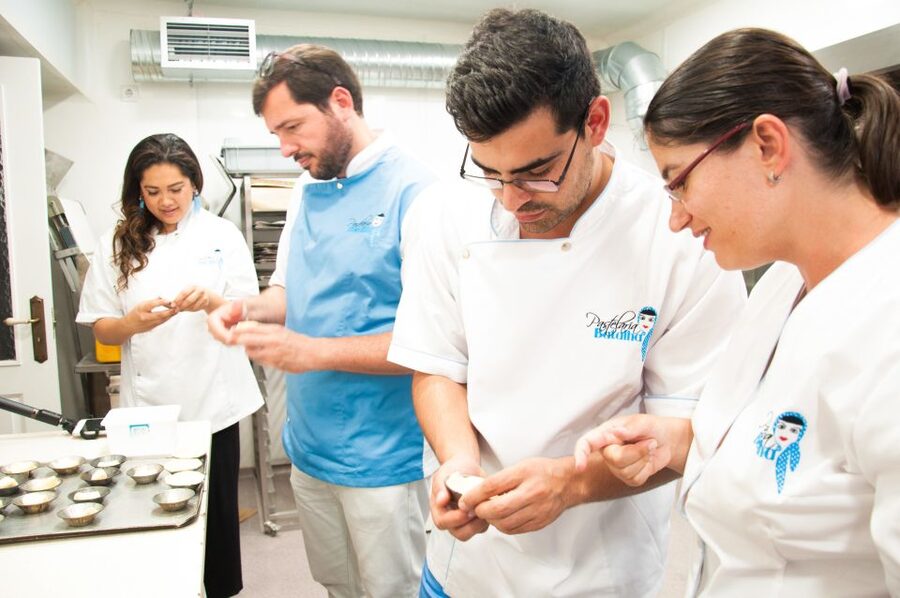
Once the pastry is ready, the group makes the custard filling. The chefs explain the process and help you fill the shaped shells before they go into the professional oven.
This part shows why the class is more useful than a simple tasting. You see the full sequence, from raw ingredients to finished pastry. The filling is made in the bakery rather than brought in from elsewhere, and the pastry and custard are prepared during the session.
The pace is designed for beginners. You will have enough time to follow the method, though the exact amount of individual work can depend on group size and the instructor. A good tip is to stay close during the demonstrations and ask questions as soon as you are unsure. Waiting until the end may mean losing the chance to correct a shaping mistake.
The practical lesson is clear: pastel de nata is not only about a sweet custard. The pastry shell must be thin enough to crisp, layered enough to give texture, and shaped well enough to hold the filling. That balance is what you are learning to reproduce.
Watching your pastries bake
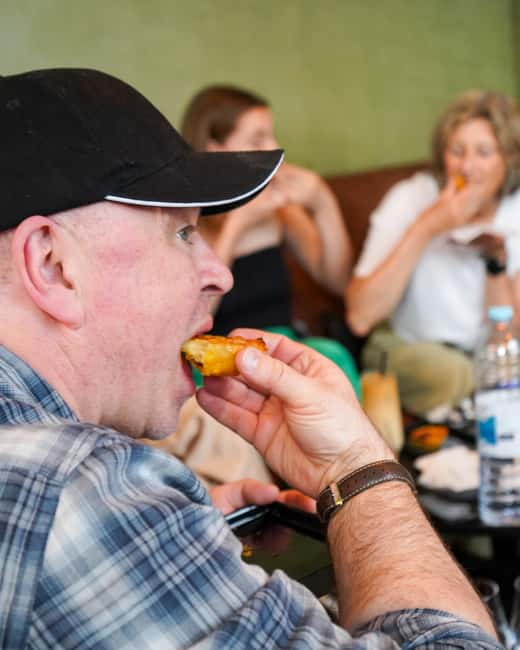
The baking stage brings the class together. Your filled pastries go into a professional oven, and the group waits for the custard to set and the pastry to brown.
The final result can be especially satisfying because you have seen every part of the process. Several classes are described as producing some of the best pastel de nata participants had eaten in Lisbon, but you should treat that as a personal judgment rather than a guarantee. Freshness helps, and eating the tarts soon after baking is part of the experience.
You get three pastel de nata included in the activity. If you are visiting Lisbon with a partner or family, that is enough for a generous tasting, though not a full meal. Additional food and drinks cost extra.
The tasting includes one barista-crafted hot or cold beverage. Eligible choices exclude alcohol, milkshakes, and hot chocolate. Coffee is the natural pairing, but you can choose another included hot or cold option if preferred.
Warm tarts, coffee, and a certificate
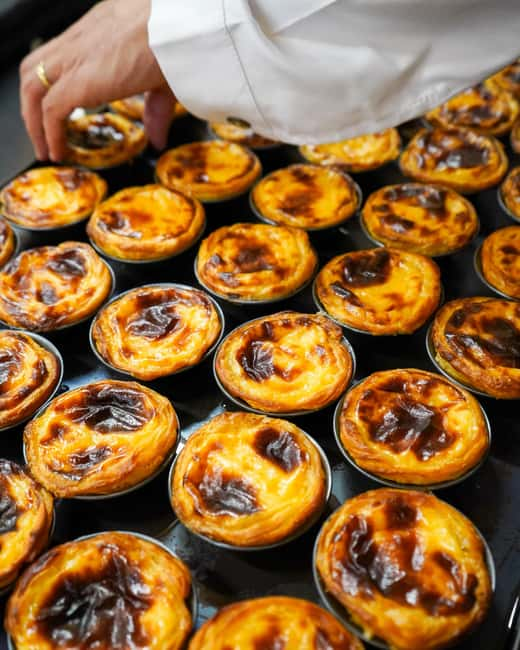
The class ends with the best kind of homework: eat what you made. The pastries are served warm with your chosen drink, and the bakery setting makes the finish feel connected to the work rather than tacked on as a souvenir.
You also receive a certificate of participation. It is a small extra, but families and children may enjoy having something tangible to take home. The recipe is sent by email, which matters more than the paper certificate if your goal is to recreate the tarts after returning home.
The recipe gives the class lasting value. You can buy pastel de nata all over Lisbon, but making them again at home lets you test whether you truly understood the dough and custard method. Do not expect your first home batch to match the bakery perfectly. Pastry work rewards repetition.
You should also plan how to carry the pastries out if you do not eat them all immediately. The included portion is intended for the tasting, and any extra purchases are separate.
Is $74 a fair price?
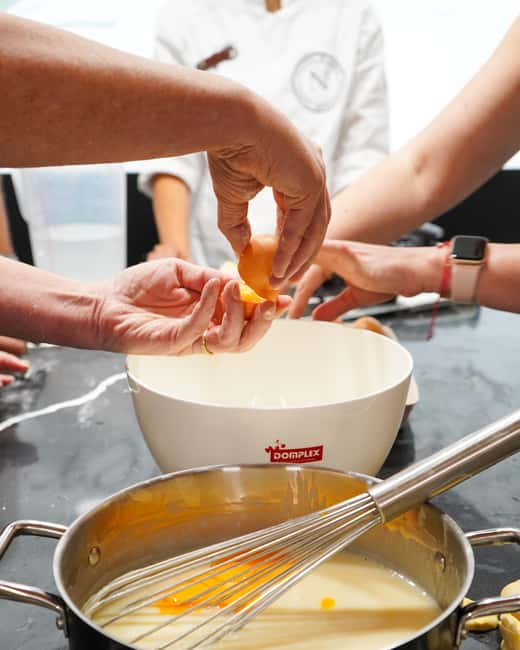
At $74 per person, this is not the cheapest way to eat pastel de nata in Lisbon. You can buy several tarts for a few euros. The price makes sense only if you want the process, the instruction, and the bakery setting.
I see three things included in the value:
- A two-hour guided class with a professional pastry chef
- Ingredients, equipment, apron, and hair net
- Three pastries, a crafted drink, a certificate, and the recipe by email
The real cost is the access to the kitchen and the pastry method. If you are comparing this with a short tasting, it will seem expensive. If you are comparing it with a hands-on cooking class that teaches a local specialty and includes a finished meal-sized tasting, it is more reasonable.
The class is also a good choice for a rainy afternoon or a break from sightseeing. You spend two hours doing something connected to Portuguese food instead of standing in another museum queue. For a family, the shared work can be more memorable than simply ordering dessert.
Value depends on your interest in baking. If you do not want to cook while on holiday, spend the money on a bakery crawl instead. If you enjoy learning a local recipe and meeting people around a worktable, the price is easier to justify.
Who will enjoy this class most?
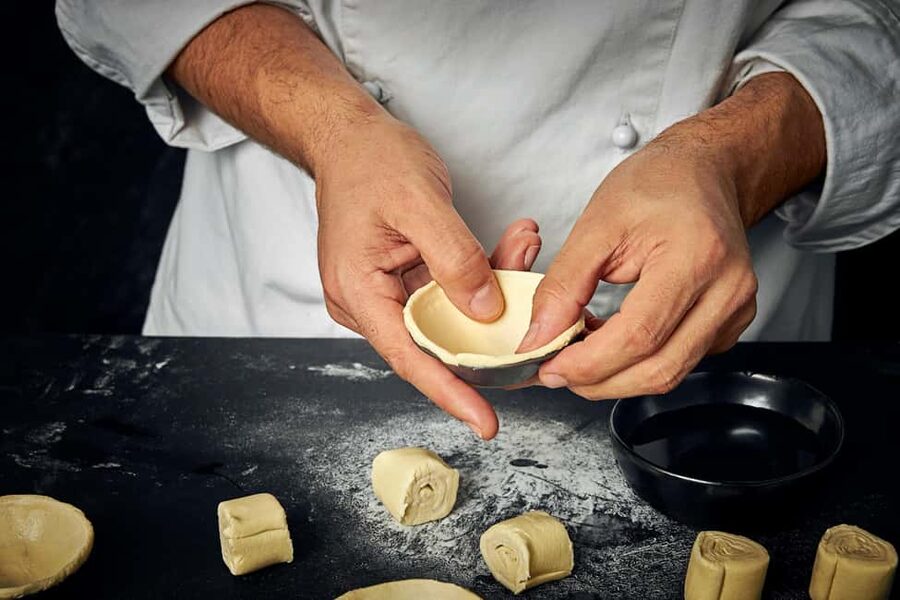
This experience suits first-time bakers, food-focused visitors, couples, solo visitors, and families with children aged eight and up. You do not need kitchen confidence. The chefs break the process into manageable steps, and the relaxed tone helps beginners avoid feeling tested.
It is also a good fit if you want an activity with a clear result. You leave with three pastries in your stomach, a recipe in your inbox, and a better sense of why Lisbon’s most famous sweet has its particular texture.
Children can join regular classes from age eight. If your children are younger, a private experience is recommended. A private booking may also suit anyone who wants more individual attention or a slower pace, though you need to contact Nat’elier about that option.
The class may be less suitable for people with mobility impairments. The experience takes place in a bakery kitchen, and the available information specifically says it is not suitable for people with mobility impairments. Ask the provider before booking if you have access needs that are not covered here.
Language and group size matter
English and Portuguese are the standard teaching languages. French and Spanish classes may be possible if you message before booking. That is useful if precise instructions matter to you, since pastry shaping and custard preparation involve several small details.
English communication is usually part of the class, but the group can include people speaking other languages. One participant found that being the only English speaker made it harder to follow everything and communicate with the rest of the group.
The maximum group size is 12. That is still a reasonable number for a cooking workshop, but it is not the same as a private lesson. You may work in pairs for the dough and in a larger group for the filling. If you want to repeat each step several times, contact the bakery about a private class.
The upside is the friendly, social atmosphere. The class has been described as relaxed, fun, and easy for solo visitors to join. The downside is less individual control at certain stages.
How to plan the class into your Lisbon day
Because the class starts and ends at Nat’elier outside Baixa-Chiado metro station, it fits neatly into a central Lisbon itinerary. You can schedule it before or after time in Baixa and Chiado without adding a long transfer.
A two-hour session is long enough to feel substantial but short enough to fit around other plans. Still, leave breathing room after the class. The stated duration is two hours, and a tight museum reservation or dinner booking immediately afterward could make the day feel rushed.
The activity is especially useful when you want a break from walking Lisbon’s steep streets. You will still be standing and working in a kitchen, so it is not a rest period for everyone, but it offers a change from sightseeing at street level.
Cancellation is free up to 24 hours before the start time, and you can reserve now and pay later. Those terms are helpful if your Lisbon schedule is not fixed, but check the booking conditions at the time you choose your date.
Should you book the Nat’elier masterclass?
Book it if you want more than a quick taste of Lisbon’s signature pastry. The strongest reasons are the real bakery kitchen, the from-scratch puff pastry, the patient instruction from chefs such as Silvia, Miguel, Manuel, Valeria, or João, and the chance to eat warm tarts you shaped yourself.
Think twice if you want a private lesson, dislike shared work, or have limited mobility. You should also be comfortable with the possibility that some instruction may be easier to follow in English or Portuguese than in another language unless you arrange a special session.
For most food-loving visitors, $74 buys a genuine activity rather than just another snack stop. You learn a Portuguese technique, meet people around a worktable, and leave with a recipe you can try again. That is a fair trade for two hours in Lisbon, especially on a day when you want to slow down and make something with your hands.
FAQ
Where does the Pastel de Nata Masterclass start?
The class starts at Nat’elier pastry store outside Baixa-Chiado metro station on Lisbon’s blue line. Tell the staff that you are attending the Pastel de Nata Masterclass.
How long does the class last?
The experience lasts two hours. Starting times vary, so check availability when selecting your date.
Do I need previous baking experience?
No. The class is designed for beginners, and no previous cooking experience is required.
How many pastel de nata are included?
Each participant makes and receives at least three pastel de nata. A barista-crafted hot or cold beverage is also included.
Which languages are available?
The standard teaching languages are English and Portuguese. French or Spanish sessions may be possible if you message the provider before booking.
Can children join the class?
Children aged eight and up can join the regular experience. If your children are younger, a private class is recommended.
Just reviewed in Lisbon
- Private tour Lisbon – full day★ 5.0 · 8 reviews
- Private Tour: Portuguese Food and Wine Tour★ 5.0 · 33 reviews
- Lisbon Football Experience – Private stadium and Museum Tour★ 4.0 · 10 reviews
- Lisbon and Sintra Essence 8H – Private Tour★ 5.0 · 5 reviews
- Private Tour: Lisbon Sunset Walking Tour with Fado Show and Dinner★ 5.0 · 30 reviews
- Private Catamaran Tour: Lisbon coast cruise with barbecue and drinks★ 5.0 · 20 reviews
- Lisbon: Helicopter Tour over Cascais & Cabo da Roca★ 5.0 · 4 reviews
- Private Tour Fátima, Nazaré, and Óbidos Day Trip from Lisbon★ 5.0 · 25 reviews
Lisbon Cooking Classes, compared.

Pastel de Nata Masterclass at a Real Bakery in Downtown Lisbon
Read our review →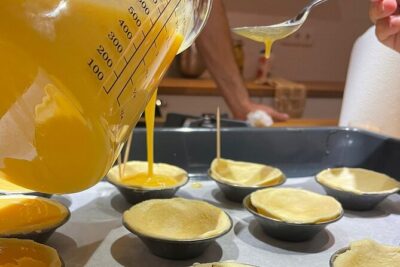
Pastel de Nata Pastry Class: Bake and Enjoy Your Own Treats
Read our review →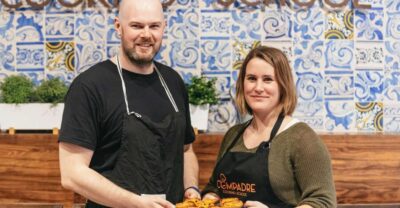
Lisbon Portuguese Cooking Class with 3-Course Dinner
Read our review →
Traditional Portuguese Cooking Class in Lisbon
Read our review →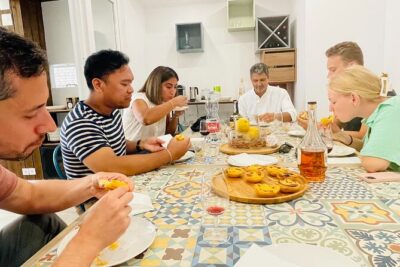
Browse the lists this tour appears in