
Reviewed · LISBON COOKING CLASSES
Lisbon: 2-Hour Pastel de Nata Cooking Class
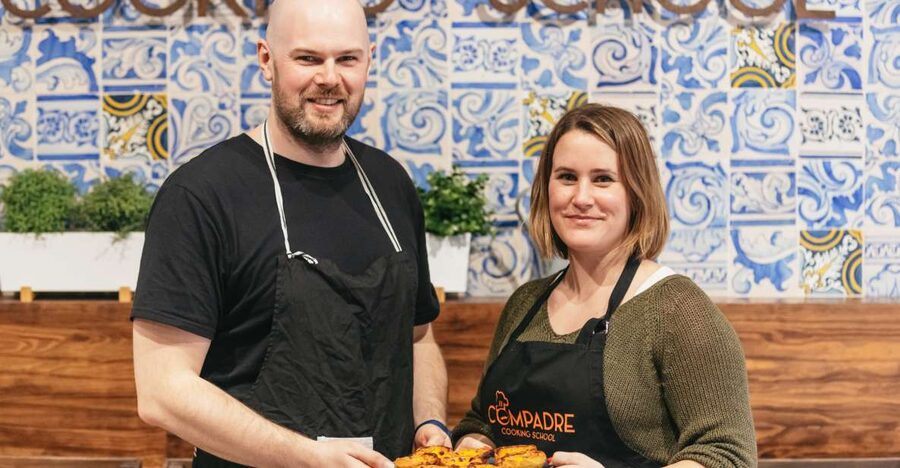
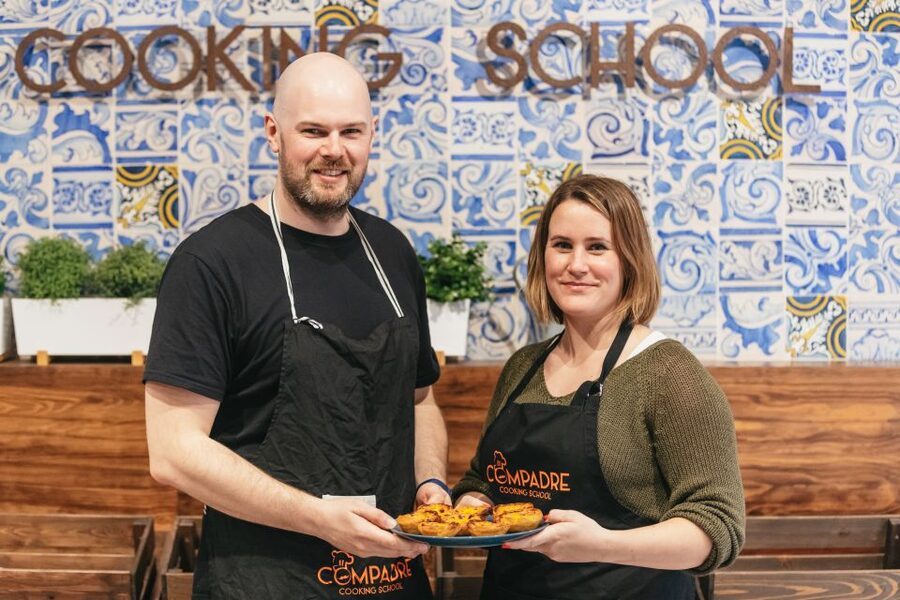
Lisbon’s famous pastel de nata is easier to love than to make, unless someone shows you the small tricks. In this two-hour class, you shape the pastry, help prepare the custard, and learn why this crisp, blistered tart became Portugal’s edible calling card. Anna and Marta lead the English-language sessions with clear steps, humor, and plenty of kitchen guidance.
I like the local food story woven into the cooking, and I like that you make a second Portuguese recipe rather than spending the whole class on one tart. The main consideration is that this is a practical introduction, not a serious pastry course: the dough is prepared ahead of time, and the custard is fairly simple.
I also like the social side. You finish around a table with tea and the food you made, and the class can suit solo visitors, couples, families, and complete beginners. Just plan another meal afterward if you are hungry, since the promised light meal is mainly the pastries and second treat.
Key points at a glance
- Pastel de nata from start to finish: Shape the famous custard tart and learn the small details that affect its pastry and filling.
- Two Portuguese recipes: Along with the tart, you prepare another local sweet or savory recipe, such as farófios or cod fritters.
- English-speaking instructors: Anna and Marta explain each stage clearly and add background about the pastry and Portuguese cooking.
- A social two-hour activity: You cook standing for about 1 hour and 20 minutes, then sit down to eat together.
- Recipes to use at home: You receive two recipes, giving you a useful souvenir rather than only a few photographs.
- Good value for food lovers: At $64 per person, the price makes the most sense if you value instruction, local context, and a shared activity.
Why pastel de nata makes a smart Lisbon class
You can buy pastel de nata all over Lisbon, often for very little money. That makes a cooking class about this pastry a different kind of purchase. You are not paying for the cheapest way to eat a tart. You are paying to understand the process, hear the story behind it, and leave with a recipe you can try at home.
The pastry dates to the 19th century and is linked to Portuguese monasteries. Its familiar form is simple but precise: thin layers of pastry hold a sweet egg custard, which is baked until the top takes on dark patches. The contrast is the point. You want crisp pastry, a soft center, and enough caramelized color to give the tart character.
The class gives you a chance to notice those details while the food is still in front of you. Instead of treating the tart as a quick snack between sightseeing stops, you learn why the pastry needs care and why small changes in handling can affect the final result.
I also like the cultural angle. Food classes can sometimes feel like generic cooking lessons held in a foreign city. Here, the dish itself is closely tied to Portugal, so the cooking connects naturally with the place you are visiting.
More Lisbon Cooking Classes:
- Lisbon: Pastel de Nata Baking Class
★ 4.9 · 2,106 reviews - Lisbon: Traditional Portuguese Cooking Class
★ 4.9 · 592 reviews - Pastel de Nata Masterclass at a Real Bakery in Downtown Lisbon
★ 5.0 · 491 reviews
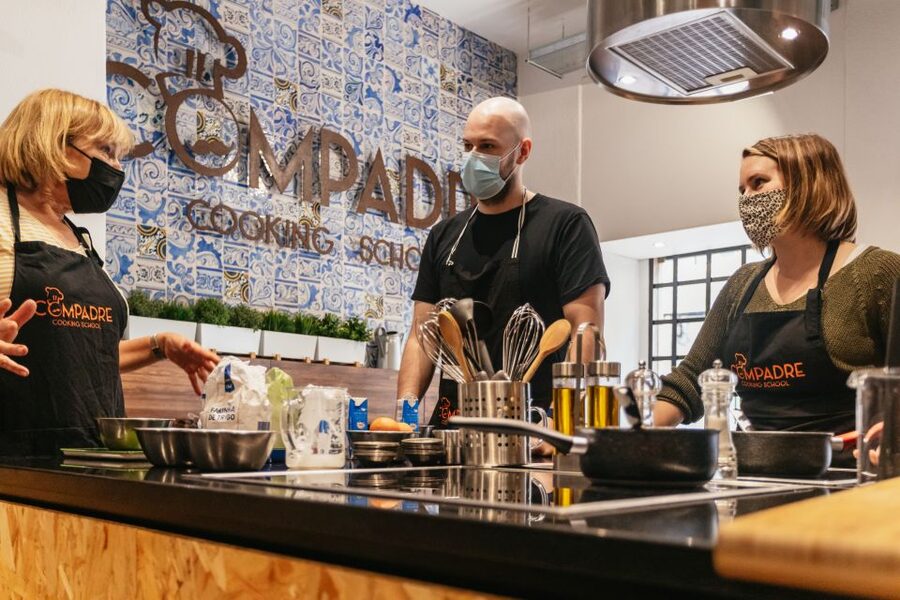
Arriving at the Compadre Cooking School kitchen
The meeting point is at the local partner’s kitchen in Lisbon. When entering the address for your booking or navigation, make sure the city is listed as Lisbon. There is no hotel pickup or drop-off, so you are responsible for reaching the meeting location.
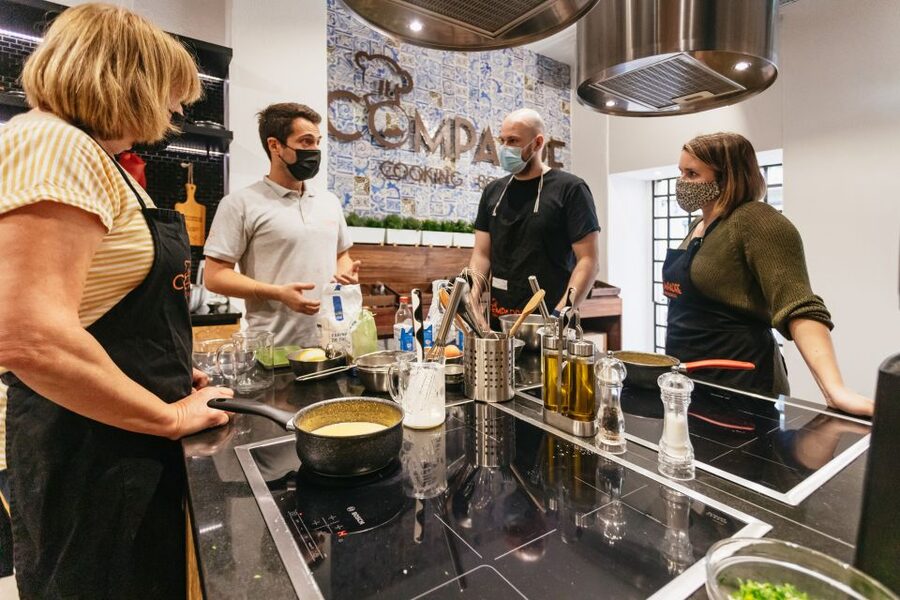
The kitchen is described as clean, modern, and well equipped. One useful detail from the practical side is air conditioning, which can matter during Lisbon’s hotter months, especially when you are standing near ovens and working with pastry.
Wear comfortable shoes. You will spend about 1 hour and 20 minutes on your feet, so this is not the best choice if standing causes back pain. Pets and smoking are not allowed.
The class is taught in English. Sessions bring together different ages and nationalities, and the setup encourages conversation while you work. If you arrive alone, you should still have a shared activity rather than a private lesson. One small social improvement would be for everyone to introduce themselves at the start, but the cooking itself gives people an easy way to talk.
The first steps: pastry, custard, and a little history
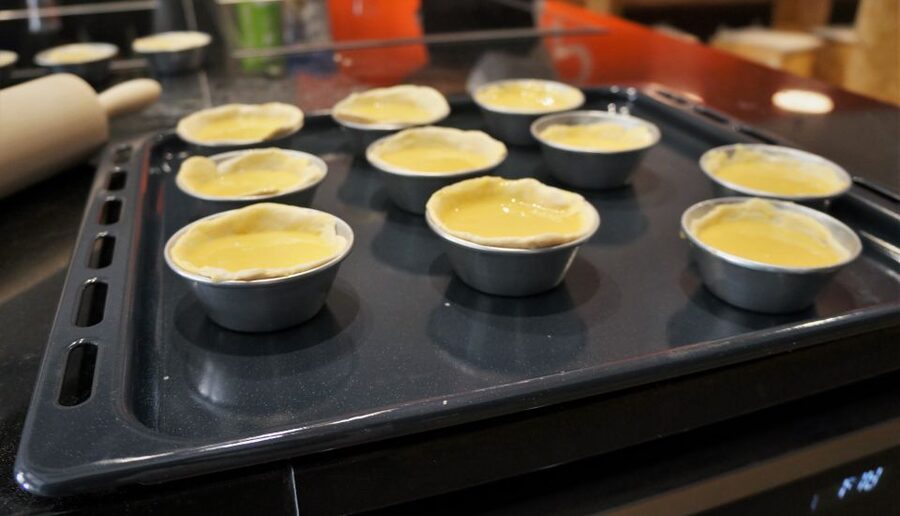
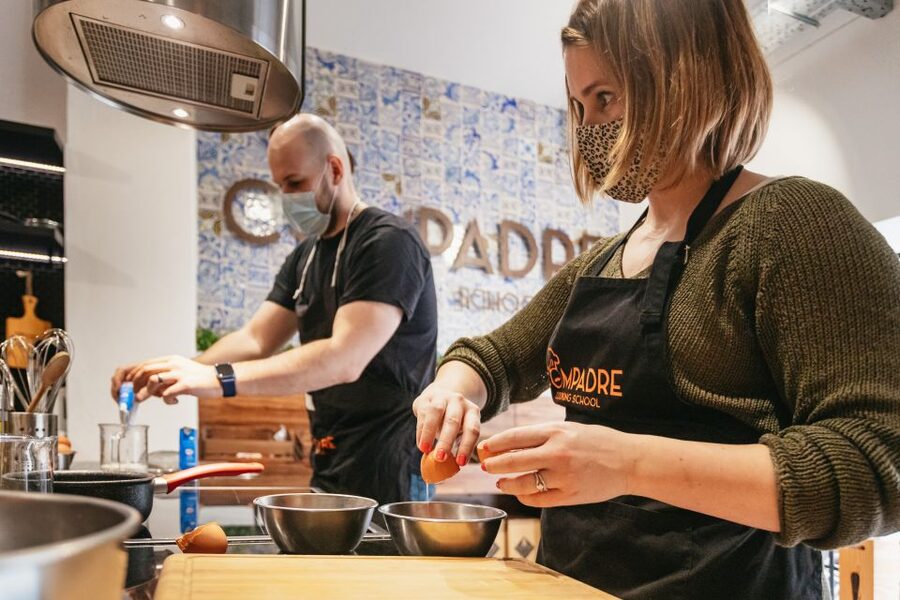
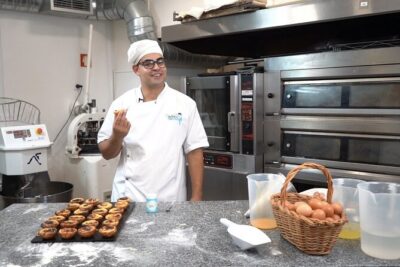
The class begins with the main attraction, pastel de nata. You work with the pastry and learn how to form it into the small tart shells. This is where the practical value lies. A recipe on paper can tell you what to add, but an instructor can show how the pastry should look and how much filling belongs in each shell.
The dough is prepared ahead of time. That keeps a two-hour session moving, but it also limits what you learn. You will not spend the morning laminating pastry from raw ingredients or practicing every stage of the dough. If you want a full technical baking lesson, you may find this class too light.
The custard stage is also straightforward. You learn the ingredients and method, then fill the pastry cases for baking. Anna and Marta explain the process step by step, and the format works well for beginners who may feel nervous about making pastry in a group.
Along the way, the instructors explain the tart’s monastery origins and its place in Portuguese food culture. This context gives the recipe some meaning. You are not just making a sweet shell with egg filling. You are making a small food symbol that has moved from religious kitchens into cafés and bakeries across Portugal and beyond.
The second Portuguese recipe adds variety
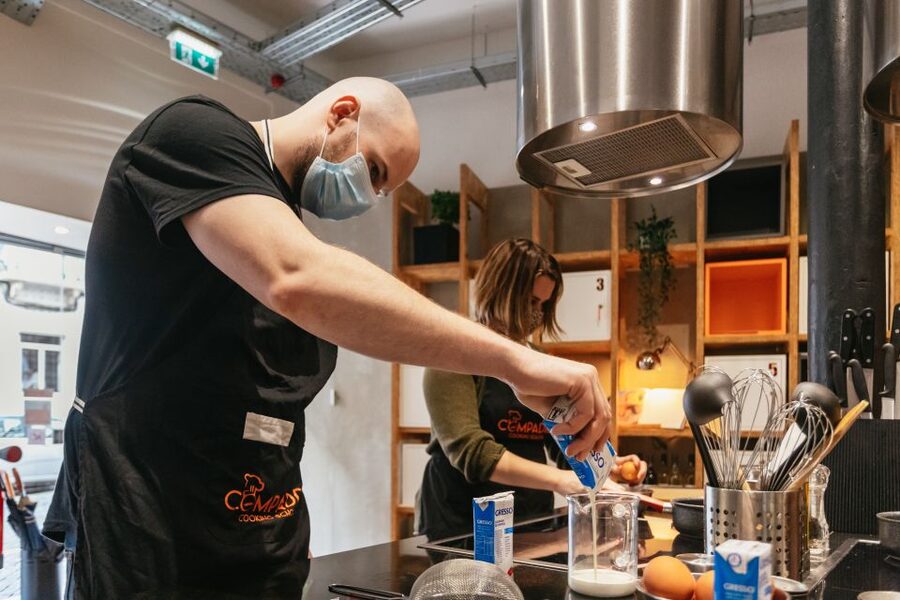
A second recipe keeps the class from becoming repetitive. The exact dish can vary, but examples from past sessions include farófios, a dessert made with meringue and custard, and pastéis de bacalhau, the familiar Portuguese cod fritters.
That variety matters. Pastel de nata is the star, but the second recipe gives you another look at Portuguese cooking. A sweet companion lets you compare textures and methods, while cod fritters show how the class can move beyond pastry into a savory local favorite.
Do not expect a full meal with several courses. The class description calls the food a light meal, but the practical reality is closer to tasting what you have prepared. If you are planning this around lunch or dinner, keep an actual meal on your schedule.
The second recipe is still a useful bonus. You leave with two recipes instead of one, and you may find the extra dish easier to repeat at home. It also gives families and mixed groups more variety during the hands-on portion.
Something different to do with a day in Lisbon:
- Lisbon City Center Tour – The Unmissable Lisbon
★ 5.0 · 22,234 reviews - Lisbon: Sintra, Pena, Regaleira, Cabo da Roca & Cascais
★ 4.7 · 19,656 reviews - Sintra: Pena Palace and Park Entrance Ticket
★ 4.2 · 17,410 reviews - Lisbon: Jerónimos Monastery Entrance Ticket
★ 4.1 · 14,164 reviews
Sitting down to taste what you made
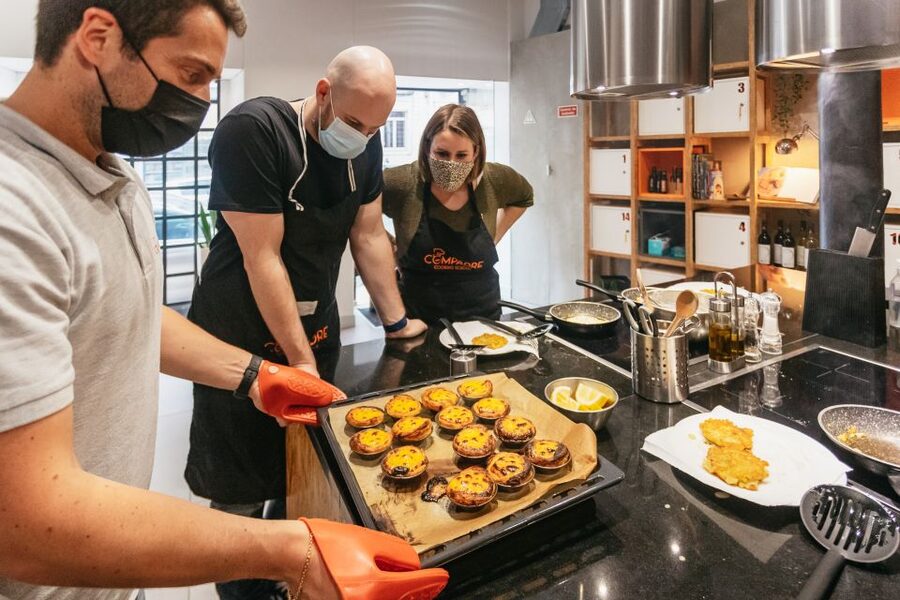
After the cooking, you sit together and eat the results. This is a pleasant change from a rushed demonstration where you leave as soon as the oven work is done. You get to see how the pastry turned out, compare the food with the people at your table, and enjoy the easy satisfaction of eating something you helped prepare.
The class provides tea, and the activity description also refers to coffee. However, the supplied details are not fully consistent on this point. Tea is clearly included in the list of inclusions, while coffee is mentioned in the expected experience. One recent participant did not receive tea or coffee and had water instead, so I would not book this expecting a full drinks service.
There are also bags available for food you do not finish. That is useful, though the warm tarts may prove difficult to save. You could take them back to your hotel or share them with friends, assuming you have enough self-control to avoid eating them at the table.
The tasting also helps you judge your own result. A good pastel de nata is not only sweet. You can look for pastry that remains crisp, custard that is smooth, and a browned top without a burnt flavor. Even a first attempt becomes more interesting when you know what to notice.
How the instructors shape the experience
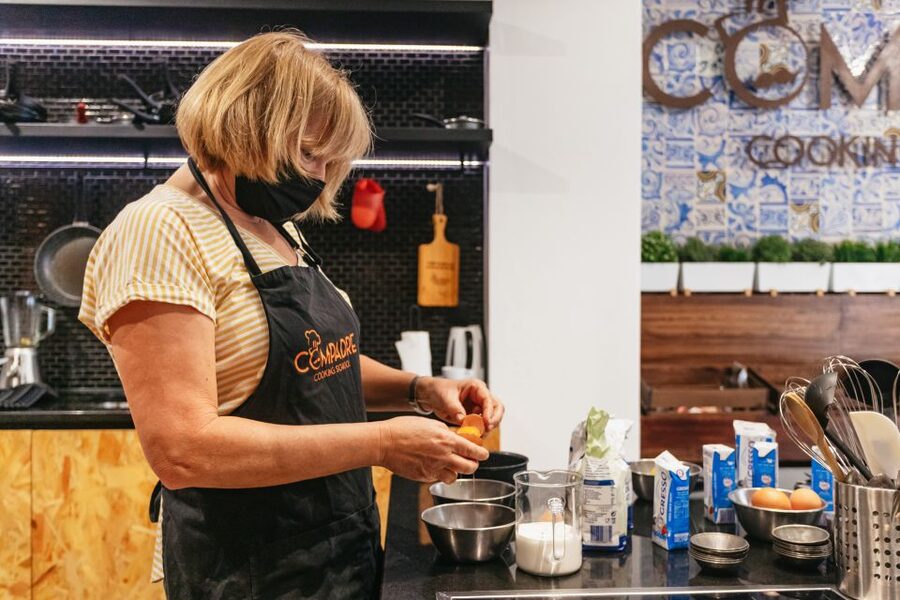
Anna receives repeated praise for her energy, storytelling, and ability to make each step easy to follow. Marta is also described as a friendly and effective instructor, and the two work well together. The strongest feature of the class is not advanced technique. It is the clear, relaxed way the instructors keep beginners moving.
That matters in a cooking class. If instructions come too quickly, you spend the session trying to catch up. If the teacher talks too much, you watch instead of cook. This format appears to find a useful middle ground, with hands-on work, short explanations, and help when you need it.
You can expect tips on handling the pastry, preparing the custard, and getting a near-perfect tart. The instructors also offer suggestions for pastel de nata shops to try in Lisbon, which gives you a helpful next step after class. You can use the lesson as a starting point for comparing bakery versions around the city.
Families can make good use of the activity, too. An eight-year-old has taken part successfully, and the clear format allows children to help without requiring previous baking experience. Parents should still expect a standing kitchen session rather than a seated demonstration.
What $64 means for the value
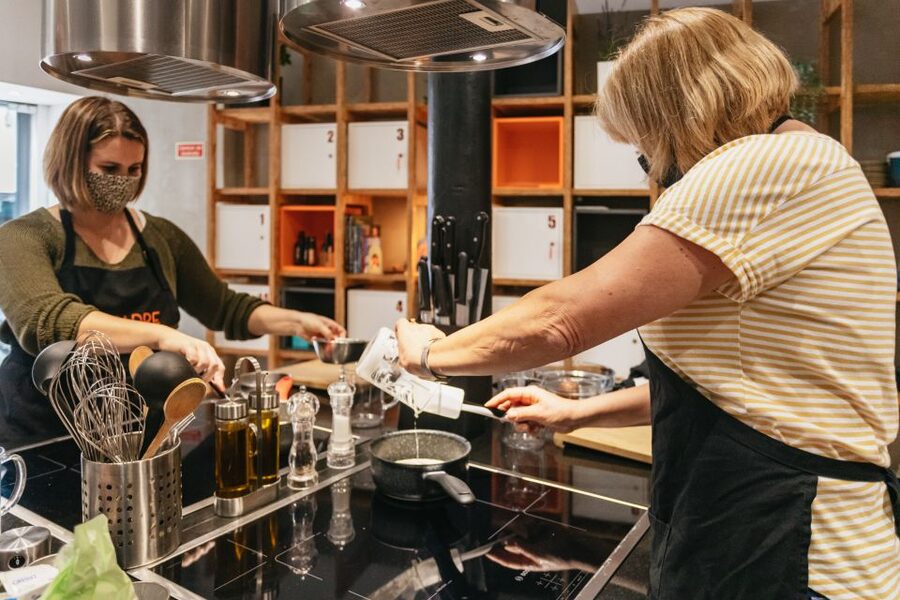
At $64 per person, this is not a budget way to eat pastel de nata. You can buy several tarts for far less. The price is easier to justify if you would normally spend money on a food tour, a cultural activity, or a cooking lesson during your Lisbon visit.
You receive ingredients, equipment, utensils, instruction, insurance, two recipes, and tea. You also receive an organized social experience in a clean kitchen, along with the chance to eat the food you prepare. For a couple or family looking for a shared activity, that package can be worthwhile.
The value drops if you only want a professional baking lesson. Since the dough is pre-made and the custard is simple, you will not study every part of the pastry trade. You will learn a repeatable home recipe, but not the full production method used by a specialist bakery.
I would compare the price with your interests. If you enjoy food, like meeting people, and want to bring a Portuguese skill home, $64 is reasonable. If your main goal is to taste the best tart in Lisbon, spend the money on several bakeries instead.
Who should book this class
This is a good fit for first-time visitors who want more than monuments and viewpoints. It gives you a direct way to connect with Portuguese culture through a dish you are likely to encounter throughout the city.
It also suits:
- Couples looking for a relaxed indoor activity
- Solo visitors who want a social class
- Families with older children
- Beginner cooks who prefer clear guidance
- Food lovers who want a recipe to repeat at home
- People visiting Lisbon in hot weather, thanks to the air-conditioned kitchen
You should think twice if you have back problems or dislike standing. The activity is not recommended for people with back problems, and most of the cooking takes place on your feet.
Vegans should contact the local supplier before booking. Portuguese cuisine is not especially vegan-friendly, and the standard recipes center on eggs, dairy, and in some cases fish. Vegetarian needs have been accommodated in the past, but you should still arrange this ahead of time rather than relying on an adjustment at the door.
Timing, cancellation, and what to bring
The activity lasts two hours, with starting times based on availability. Because the class includes standing, cooking, baking, and sitting down to eat, avoid placing it immediately before a tightly scheduled attraction.
Bring comfortable shoes. You do not need to bring cooking equipment or ingredients, since those are supplied. The language is English, and the instructors guide you through the recipes.
You can cancel up to 24 hours before the activity for a full refund. The reserve-now, pay-later option also helps if your Lisbon plans are still shifting. These terms are useful for a short city break, where weather, arrival times, and day trips can change your schedule.
My verdict: book it for the skill, not just the tart
I would book this class if I wanted a friendly, practical introduction to Portuguese food. The best reasons are the clear instruction from Anna and Marta, the pastry’s cultural background, the second recipe, and the chance to take both recipes home.
I would not choose it as a substitute for a professional pastry workshop or a proper lunch. The prepared dough and simple custard keep the class accessible, but they also limit the technical depth. The drinks and light meal need realistic expectations as well.
For most visitors, the class works best on a morning or afternoon when you want to slow down and do something with your hands. You will leave with warm pastries, a little more understanding of Lisbon’s food culture, and a recipe that may let you recreate part of the city after your flight home.
FAQ
How long is the pastel de nata cooking class?
The class lasts two hours. You spend about 1 hour and 20 minutes standing during the cooking portion, followed by time to sit down and taste the food.
Is the class taught in English?
Yes. The instructors teach the class in English.
What food will I make?
You will make pastel de nata and one additional traditional Portuguese recipe. Past sessions have included farófios, a meringue and custard dessert, and pastéis de bacalhau, or Portuguese cod fritters.
Are ingredients and cooking equipment included?
Yes. Cooking equipment, utensils, ingredients, and an instructor are included.
Is tea or coffee included?
Tea is listed as included, and coffee is mentioned in the activity description. The information is not fully consistent, so you should not rely on receiving a full drinks service. Other beverages are not included.
Is the class suitable for vegans or people with back problems?
Vegans should contact the local supplier before booking because the recipes are not generally vegan-friendly. The class is not recommended for people with back problems because much of the cooking involves standing.
More 2-Hour Experiences in Lisbon
- 2 Hour Lisbon Sunset and Wine Sailing Tour
★ 5.0 · 2,680 reviews - 2-Hour Lisbon Traditional Boats Sunset Cruise with White Wine
★ 4.5 · 2,091 reviews - Lisbon: 1 or 2-Hour Cruise along the Tagus River
★ 4.8 · 1,079 reviews - Lisbon Small Group 2h Sunset Sailing- Live Commentary & a Drink
★ 5.0 · 620 reviews
Just reviewed in Lisbon
- Lisbon: Morning of Equestrian Art with Lusitano Horses★ 4.4 · 87 reviews
- Lisbon: Entry Tickets to Mosteiro de São Vicente de Foram★ 4.6 · 50 reviews
- Lisbon: National Palace of Ajuda E-Ticket & City Audio Guide★ 4.1 · 87 reviews
- Lisbon: Early Morning TukTuk Tour – hotel/cruise ship pickup★ 4.9 · 45 reviews
- Sintra: Quinta da Regaleira e-Ticket & Sintra City Audios★ 4.1 · 12 reviews
- Lisbon E-Bike Tour TAGUS★ 5.0 · 3 reviews
- Lisbon: E-bike Trip from the Sintra Mountains to Cascais Sea★ 5.0 · 67 reviews
- Lisbon: Discover Belem by electric Tuk Tuk★ 4.9 · 86 reviews
Lisbon Cooking Classes, compared.
Pastel de Nata Masterclass at a Real Bakery in Downtown Lisbon
Read our review →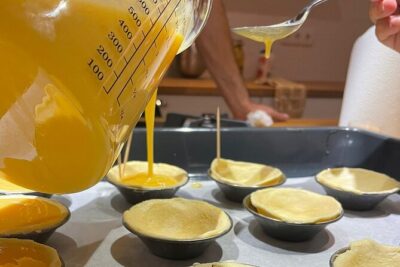
Pastel de Nata Pastry Class: Bake and Enjoy Your Own Treats
Read our review →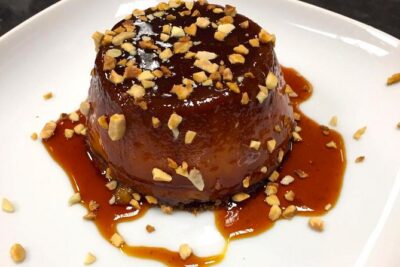
Lisbon Portuguese Cooking Class with 3-Course Dinner
Read our review →
Traditional Portuguese Cooking Class in Lisbon
Read our review →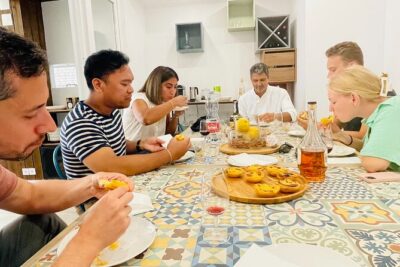

Browse the lists this tour appears in