
Reviewed · LISBON COOKING CLASSES
Lisbon: Traditional Portuguese Cooking Class
Lisbon’s traditional cooking class turns dinner into a social evening. You arrive at the Homecooking Lisbon HUB, settle in with Portuguese wine, beer, snacks, and finger food, then work through a four-course meal with a chef guiding every step. It is part cooking lesson, part cultural chat, and part family-style dinner.
I like the hands-on format, since you do more than watch someone cook. I also like the friendly, international group setting, where the food gives you an easy way to meet people. The main drawback is that some dishes may not suit every palate or preference. One participant found the pork ribs tough, and the meal can be very filling, so arrive hungry.
Key points to know
- Four courses, cooked by you: You prepare a full Portuguese meal with step-by-step help rather than simply watching a demonstration.
- Portuguese drinks are included: Wine, beer, homemade juice, coffee, and water come with the class, along with snacks and finger food.
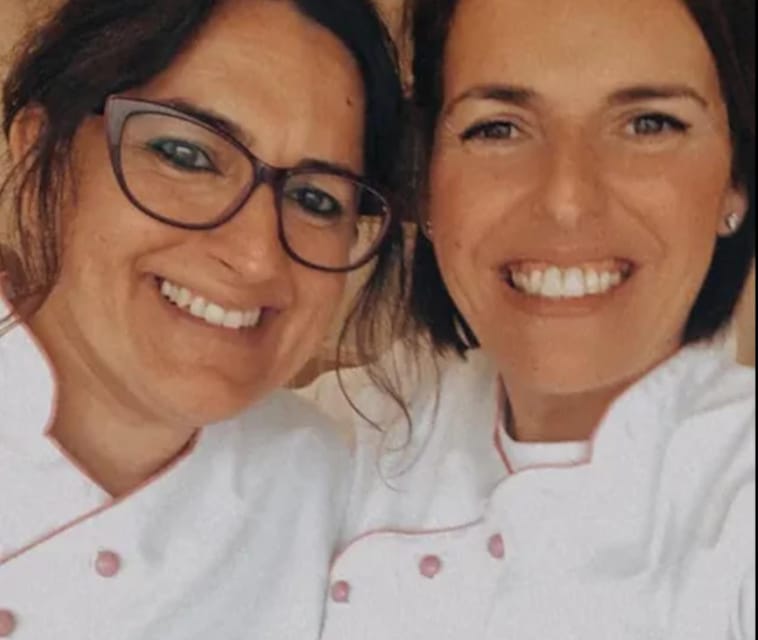
- The chefs make the difference: Instructors including Miguel, Teresa, Beatriz, Pedro, Miyuki, and Kriszti are praised for clear teaching and warm humor.
- Small group setting: The class accepts up to 10 participants, creating room for questions and shared kitchen work.
- A cultural lesson as well as a meal: You learn about ingredients, cooking methods, family traditions, and the stories behind the dishes.
- Plan around a large meal: The four courses, appetizers, drinks, and dessert can add up to a serious feast.
Arriving at Homecooking Lisbon HUB
The class takes place at Homecooking Lisbon HUB in Lisbon District, rather than at a restaurant or a formal culinary school. That matters. You are there to cook, handle ingredients, ask questions, and eat together, not sit quietly while someone else does all the work.
The setting is described as cozy and inviting, with the ingredients and equipment ready for the group. You do not need to bring cooking gear. All food, tools, drinks, and insurance are included in the $100 price.
The meeting point is not paired with hotel pickup or drop-off, so you need to make your own way there. One participant found that a bus from central Lisbon stopped right at the front door. Still, check your route before class, especially if you are carrying bags or trying to fit the activity between other plans.
The class is taught in English. It is limited to 10 people, though one particularly crowded session had more participants than the usual limit. In a group of 10 or fewer, you should have a fair chance to take part, but remember that this is a shared kitchen. Some tasks will be done in pairs or small teams rather than individually.
More Lisbon Cooking Classes:
- Lisbon: Pastel de Nata Baking Class
★ 4.9 · 2,106 reviews - Pastel de Nata Masterclass at a Real Bakery in Downtown Lisbon
★ 5.0 · 491 reviews - Pastel de Nata Pastry Class: Bake and Enjoy Your Own Treats
★ 5.0 · 485 reviews
Starting with wine, snacks, and Portuguese conversation
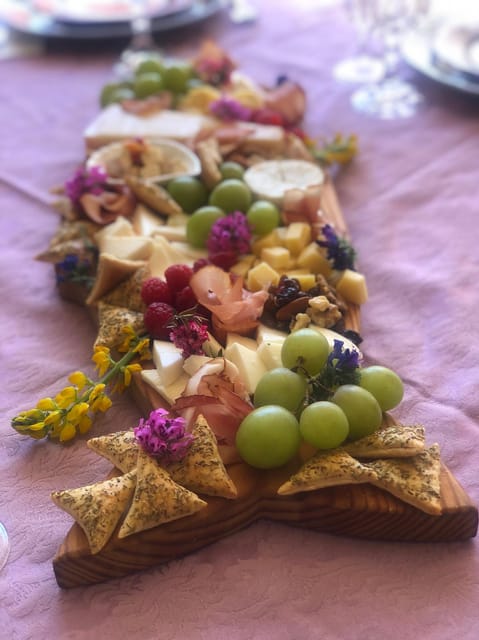
The evening begins gently. You are offered drinks and finger food while the chef introduces the meal and talks through the ingredients. This opening is more useful than it may sound. It gives you time to meet the people at your table and learn how the class will work before knives and pans come out.
Included drinks are Portuguese wine, beer, homemade juice, coffee, and water. Some sessions have also included tastings of ginja, port wine, and sweet almond liqueur at the end. The exact drinks may vary, but you can expect the class to treat beverages as part of the food culture rather than as an afterthought.
The snacks also help set the tone. You are not thrown straight into a recipe. You can listen, taste, and ask about the ingredients while the chef explains the dishes, spices, and traditional methods.
I would not eat a large meal beforehand. The class includes early snacks, a four-course meal, drinks, and dessert. Several people found the amount of food more generous than expected. Come ready for dinner, not a small cooking sample.
Learning the story behind each dish
The strongest part of the class is the connection between food and Portuguese life. The chef does not simply say what to chop and when to stir. You learn why certain ingredients are used, how the recipes fit into Portuguese home cooking, and which techniques help create the finished dish.
The menu is seasonal, so the exact four courses can change. That is a good thing for a cooking class, since it keeps the food connected to what is available at the time of year. It also means you should not book expecting one fixed menu unless the provider confirms it before your visit.
Past menus have included traditional Portuguese dishes and pastel de nata. The famous custard tart is a particular treat because you make it as part of the meal instead of merely buying one from a bakery. One participant also took home extra tarts, which gives you a useful reason to leave some room at the end.
The class has a strong storytelling side. One chef connected Lisbon’s past with recipes learned from her mother, while other instructors have explained the reasons behind particular preparation methods. This personal touch helps the lesson feel rooted in home cooking rather than built around a generic tourist menu.
You will not become a Portuguese chef in three hours. You will, however, leave with a better sense of how local ingredients and techniques fit together. The recipes are practical enough to try at home, and several participants planned to recreate them after returning home.
Preparing the four-course meal step by step
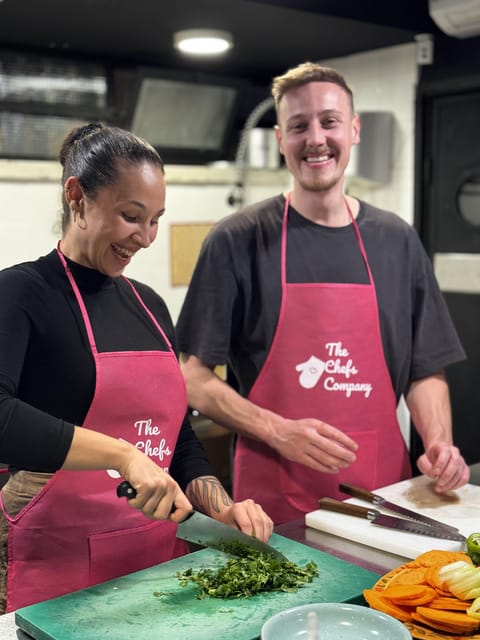
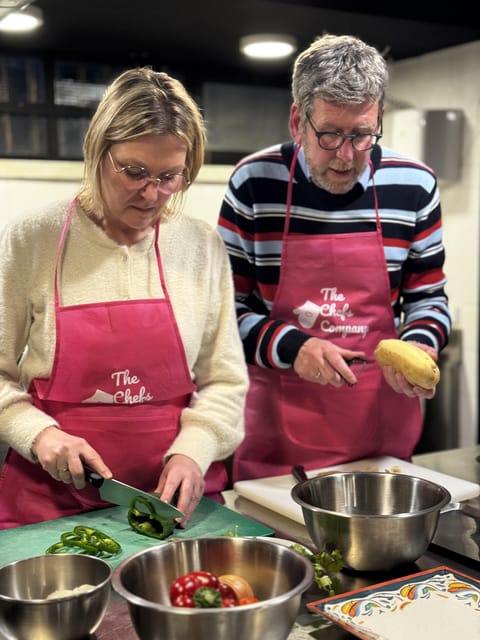
Once the introduction is finished, the group moves into the kitchen. The chef explains each stage, demonstrates the technique, and then lets you take over. You may work in pairs, which keeps the class moving and gives you someone to share the small jobs with.
The instructors are used to different experience levels. Pedro has been praised for staying attentive and helping when needed. Beatriz is noted for giving clear directions while keeping an eye on every participant. Teresa has been described as patient, encouraging, and good at making people comfortable around unfamiliar ingredients.
Miyuki’s teaching style has been praised for being thorough and fun, while Miguel is known for clear explanations and an easy manner. The names matter because the chef leads the evening. A strong instructor can turn a basic recipe into a memorable lesson, while a less engaging one would make the same three hours feel longer.
The cooking is designed to be collaborative. You might chop, season, mix, shape, or help with a dish while another participant handles a different part of the meal. This works well if you enjoy meeting people and do not need total control over every plate.
If you are an experienced cook, you may find some steps familiar. The value comes less from technical difficulty and more from learning Portuguese methods, ingredients, and serving traditions. If you are new to cooking, the class offers reassurance, since the chef demonstrates the process and helps when you get stuck.
The instructors also make an effort to include different food preferences and allergies. One participant noted that there were enough options for people with various dietary needs. You should still tell the provider about restrictions in advance, since the available adaptations are not specified.
Something different to do with a day in Lisbon:
- Lisbon City Center Tour – The Unmissable Lisbon
★ 5.0 · 22,234 reviews - Lisbon: Sintra, Pena, Regaleira, Cabo da Roca & Cascais
★ 4.7 · 19,656 reviews - Sintra: Pena Palace and Park Entrance Ticket
★ 4.2 · 17,410 reviews - Lisbon: Jerónimos Monastery Entrance Ticket
★ 4.1 · 14,164 reviews
Sitting down to the meal you prepared
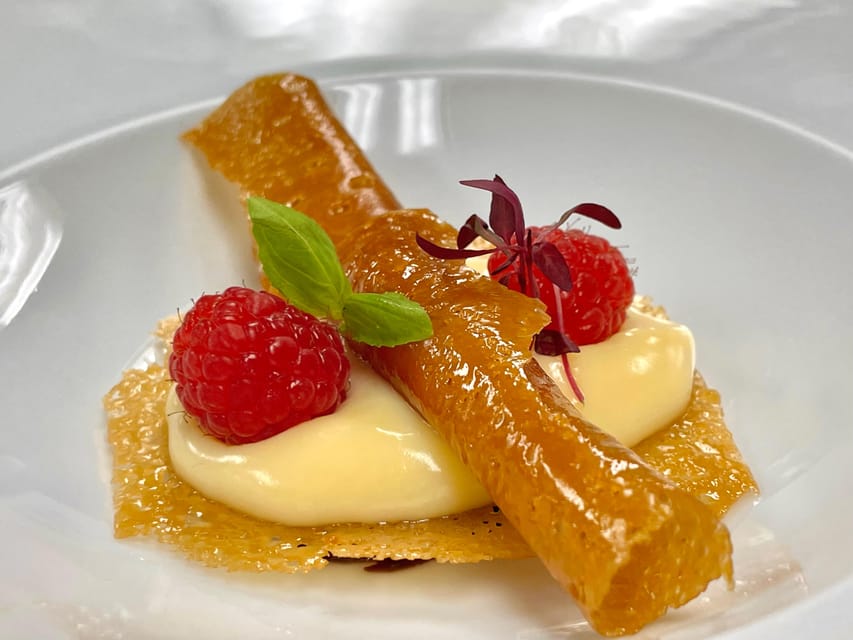
The reward arrives when the cooking ends and the group sits down to eat. Instead of receiving separate restaurant plates, you share the food you helped make. That changes the mood. People remember which task they handled, compare results, and keep talking about the dishes.
This shared meal is where the class feels most social. The wine continues, the group gets to know one another, and the chef can answer questions that came up during cooking. It has the feel of a relaxed family dinner, though one you helped prepare with people you met that same day.
The food has been widely praised, especially the traditional recipes and dessert. Still, keep your expectations sensible. A seasonal menu cannot please everyone, and one person found the pork ribs tough and unappealing. That is a useful warning for anyone who dislikes fatty or bony cuts of meat.
The class may be a better choice for you if you care about the full experience rather than chasing a perfect restaurant meal. You gain recipes, context, conversation, and a meal. If your only goal is a refined dinner with no kitchen work, book a restaurant instead.
How the three hours are used
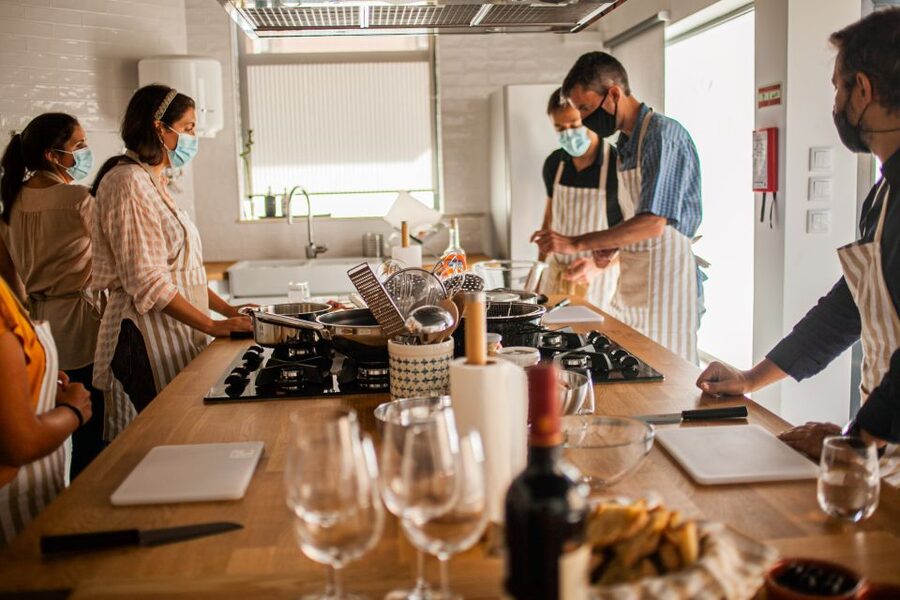
The stated duration is three hours, which is long enough for a proper meal without taking over your entire day. The time is divided among introductions, snacks, explanations, preparation, cooking, and eating.
You should expect a social pace rather than a rushed lesson. The chef needs to keep several dishes moving while making sure the group understands each step. With up to 10 people, that balance can work well, but it also means you may spend time waiting for another part of the meal to finish.
The three-hour length suits an evening activity or a relaxed midday plan. I would avoid booking it immediately before a major timed attraction. The class is built around conversation and a shared meal, so you will enjoy it more if you are not watching the clock.
The English-language instruction is helpful for visitors who want cultural explanation along with recipes. It also makes the activity accessible to an international group. If you need instruction in another language, this is not the right class.
Is $100 a fair price?
At $100 per person, this is not the cheapest meal in Lisbon. The price is easier to justify when you count what it includes: three hours of instruction, all ingredients, all cooking equipment, snacks, four courses, wine, beer, homemade juice, coffee, water, and insurance.
You are also paying for the setting and the teacher’s time. A meal at a local restaurant may cost less, but it will not teach you how the food is made or put you in a kitchen with other people. A basic cooking class with fewer inclusions could cost less, but might not offer the same amount of food and drink.
The value is strongest for people who enjoy active experiences. You get practical recipes to take home, cultural background, a full dinner, and a chance to meet people. The value is weaker if you dislike group activities, do not drink, or prefer to spend three hours sightseeing.
The drinks are included rather than added later, which keeps the bill clear. You should not treat the alcohol as the main reason to book, though. The real value is the combination of food, instruction, and conversation.
Who will enjoy this class most?

I would recommend it to food-focused visitors who want more than a tasting. It is also a good choice for couples, solo visitors, families with older children, and friends who enjoy doing something together.
Children under 6 are not suitable for the activity. Families have successfully attended with children aged 8 and 10, and one chef was praised for working well with children. That does not guarantee every child will enjoy three hours of kitchen work, so consider your child’s patience and interest before booking.
The class is also a good fit for solo visitors. A shared cooking task gives you an easy way to talk with people without the awkwardness of sitting alone at a restaurant. The small group helps, though the actual size can vary.
It is not suitable for people with mobility impairments, according to the activity information. The kitchen format may involve standing and moving around, so ask the provider directly if you have a specific access need.
You should also think about food allergies and dietary restrictions. The group can have different food preferences, and past participants have found useful choices, but the exact menu and substitutions are not provided. Contact Homecooking Lisbon before booking if your diet is strict.
Practical booking advice for Lisbon
The activity offers free cancellation up to 24 hours in advance and a reserve-now, pay-later option. That gives you useful flexibility while arranging a Lisbon itinerary.
Check the starting time before paying, since the available session times can change. Give yourself enough time to reach the Homecooking Lisbon HUB from central Lisbon. A bus may stop near the front door, but you should confirm the route for your chosen date.
Wear something comfortable and suitable for cooking. The provider supplies the gear, but you will be working in a kitchen rather than sitting at a table for the whole session. Most important, arrive hungry and ready to participate.
Do not book this as a quick snack between attractions. The food comes in several stages, and the class is meant to be enjoyed at a relaxed pace. Leave room in your schedule for the meal and conversation.
Should you book the Traditional Portuguese Cooking Class?
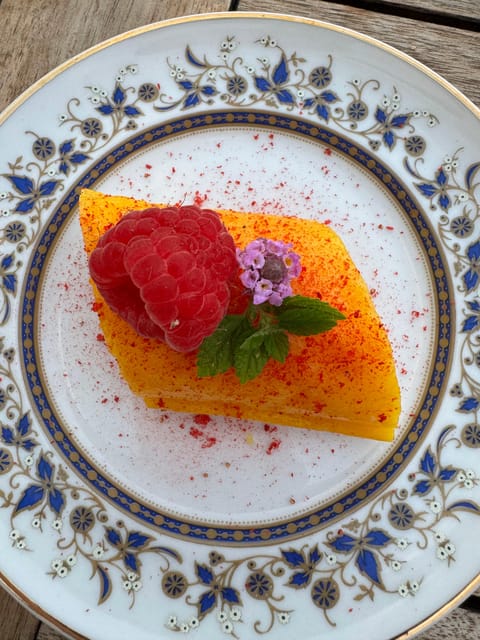
Book it if you want to understand Portuguese food by preparing it yourself. The class offers a rare combination of clear instruction, cultural stories, local recipes, plentiful food, and drinks included in the price. The chefs, including Teresa, Miguel, Beatriz, Pedro, and Miyuki, are praised for making beginners feel at ease while still giving experienced cooks something useful to take home.
Skip it if you want a quiet meal, have serious mobility limits, or dislike sharing kitchen tasks with strangers. Also think twice if you are a very selective eater, since the seasonal menu is not fully fixed and dishes such as pork ribs may not appeal to everyone.
For most food lovers, the three hours are well spent. You leave with a full stomach, a few recipes, and a clearer understanding of how Portuguese cooking fits into everyday culture. That is a better souvenir than another photograph of a tiled wall.
FAQ
Where does the cooking class take place?
The class takes place at the Homecooking Lisbon HUB in Lisbon District, Portugal.
How long does the activity last?
The cooking class lasts three hours.
What is included in the price?
The price includes all ingredients and cooking equipment, chef instruction, snacks and finger food, a four-course meal, wine, beer, homemade juice, coffee, water, and insurance.
Is hotel transportation included?
No. Hotel pickup and drop-off are not included, so you need to arrange your own transportation to and from the Homecooking Lisbon HUB.
What language is the class taught in?
The class is taught in English.
Can children attend the cooking class?
Children under 6 are not suitable for this activity. Children older than 6 may be able to attend, and families with children aged 8 and 10 have taken part.
Just reviewed in Lisbon
- Lisbon: Catamaran Boat Party with Music, Open Bar & Dives★ 4.2 · 109 reviews
- Lisbon: Capture its Charm with a Laidback Photoshoot★ 5.0 · 4 reviews
- Lisbon: Fado Night Tour★ 3.3 · 7 reviews
- Lisbon Dinner with Fado Show and Sights by Night★ 4.1 · 45 reviews
- Lisbon by Night: Guided Walking Tour – The Unholy Secrets★ 4.8 · 93 reviews
- Lisbon: Guided Nighttime Electric Bike Tour★ 5.0 · 3 reviews
- Lisbon: Tagus Estuary Nature Reserve Birdwatching Boat Tour★ 4.9 · 117 reviews
- Lisbon Bike Tour: Langs de rivier van Belém naar Lissabon★ 4.7 · 59 reviews
Lisbon Cooking Classes, compared.

Pastel de Nata Masterclass at a Real Bakery in Downtown Lisbon
Read our review →
Pastel de Nata Pastry Class: Bake and Enjoy Your Own Treats
Read our review →
Lisbon Portuguese Cooking Class with 3-Course Dinner
Read our review →
Traditional Portuguese Cooking Class in Lisbon
Read our review →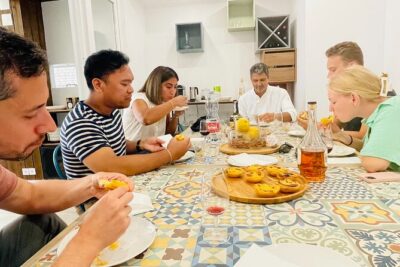

Browse the lists this tour appears in