
Reviewed · LISBON COOKING CLASSES
Portuguese Cooking Class in Lisbon
The best part of this Lisbon class is that you do not just eat Portuguese food, you help make it. You begin with local snacks, cheese, ham, and bread, then work through a three-course meal with a Portuguese chef and a small international group. Beatrice and Bernardo are among the chefs praised for their warmth, teaching, and ability to involve cooks of different ages and skill levels.
I especially like the generous social side of the class and the useful recipes sent afterward. You get wine, conversation, cultural background, and a proper meal, not just a quick demonstration. The main caution is time: the class really can take the full three and a half hours, and one poor experience suggests that the atmosphere may depend heavily on the chef leading your session.
Key points to know before booking
- Three courses, prepared by you: Cook a Portuguese starter, main dish, and dessert instead of simply watching a chef work.
- A small group of up to 12: The format gives you a real role at the counter and a chance to meet people from several countries.
- Menu changes with the season: The main course may feature fish, seafood, or meat, with vegetarian alternatives available.
- Portuguese wine and local snacks are included: Cheese, ham, bread, water, soft drinks, coffee, and tea are also provided.
- English-speaking local chefs lead the class: Beatrice, Bernardo, Fabio, Flavio, and Renardo are names associated with different sessions.
- Plan your evening around it: The class lasts about 3 hours and 30 minutes, and the meal is prepared gradually rather than served at the start.
Why a Lisbon cooking class is worth making room for
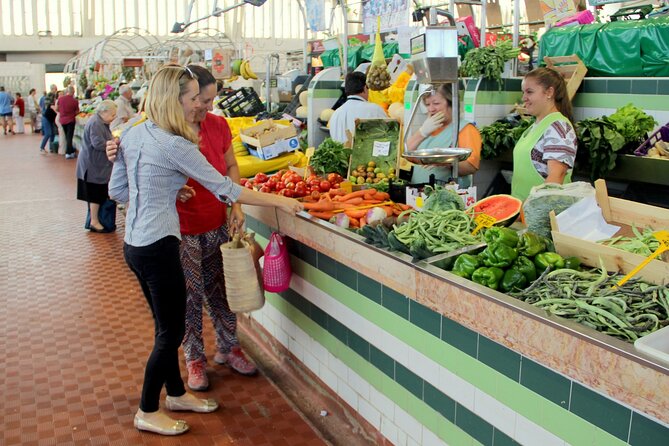
Lisbon is easy to admire from a tram window, but food gives you a more hands-on way to understand the city. Portuguese cooking often starts with simple ingredients and careful preparation: good bread, local cheese, seafood, cod, herbs, olive oil, and seasonal produce. A class like this lets you see how those pieces become a meal.
I like the fact that the focus is not on fancy restaurant technique. The recipes are intended to be practical enough to repeat at home. You receive digital recipes by email, so the class can continue after your flight home. That matters because a good cooking class should leave you with more than a full stomach and a few photographs.
The format also suits people who want an evening with some structure. You are not simply sitting at a table waiting for the next course. You chop, stir, prepare, listen, and then sit down to eat what the group has made. If you are traveling alone, the shared work makes conversation easier. If you are with family, it gives everyone a task.
More Lisbon Cooking Classes:
- Lisbon: Pastel de Nata Baking Class
★ 4.9 · 2,106 reviews - Lisbon: Traditional Portuguese Cooking Class
★ 4.9 · 592 reviews - Pastel de Nata Masterclass at a Real Bakery in Downtown Lisbon
★ 5.0 · 491 reviews
Arriving at Lisbon Affair on Avenida de Roma
The meeting point is Lisbon Affair, at Avenida de Roma 87B, in the 1700-344 area of Lisbon. The venue is near public transportation, which is useful because you do not need to arrange private transport. The activity begins and ends at the same place.
Allow a little extra time to reach the address. One couple arrived close to the start because of traffic, so a relaxed arrival is better than cutting it fine. Once inside, the class gets moving with an introduction to the food and, in some sessions, background on Lisbon and Portuguese culinary traditions.
The room is set up for group cooking, with ingredients portioned at stations and assignments shared among the participants. That preparation helps the class run smoothly, especially when the group is close to the maximum of 12 people. It also means you can spend your time cooking rather than watching staff measure every ingredient.
Starting with cheese, ham, bread, and Portuguese wine
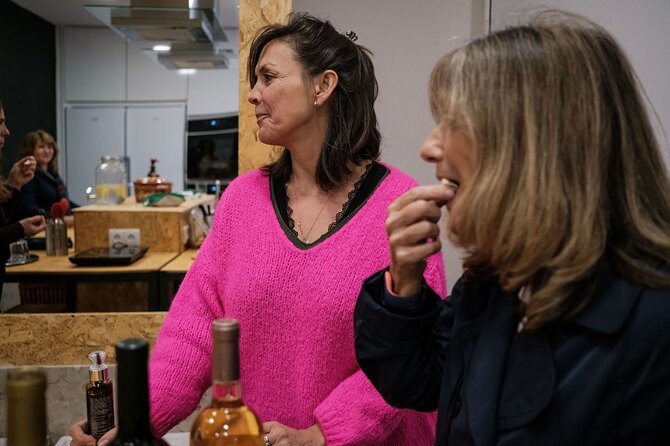
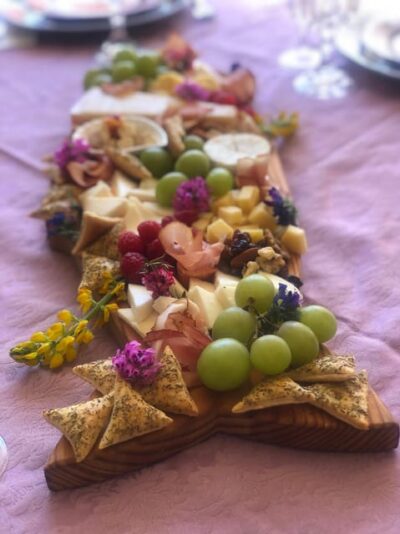
The class commonly begins with a cheese and ham board, Portuguese bread, and drinks. This is more than a polite snack while everyone arrives. It gives you something to eat during the early preparation and introduces a few everyday Portuguese flavors before the main cooking begins.
Wine is served throughout the class in moderation. Alcoholic drinks are available only to participants aged 18 and older under Portuguese law. Non-alcoholic drinks are available, along with bottled water, soft drinks, coffee, and tea.
I like this opening because it makes the lesson feel social rather than formal. You can get acquainted with the other people at your station while the chef explains what you will prepare. It also helps if you arrive hungry, since the actual meal comes later.
Preparing the starter as a group
The first course changes, so you should not book this expecting one fixed starter. The menu is adjusted with the season to keep the ingredients fresh and the results appealing. Past menus have included soup, while the supplied sample menu lists a cheese and ham board with Portuguese bread as the starter element.
This flexibility is useful, but it also means the exact dishes are not guaranteed. If you have your heart set on a particular Portuguese recipe, ask about the current menu before booking. The class may show several traditional dishes while selecting only some for the hands-on cooking, so do not assume every dish discussed will be prepared.
The teaching style is meant to cover both method and context. You may learn why a dish is common in Portugal, how certain herbs and ingredients are used, and what makes a traditional preparation different from a modern shortcut. Beatrice, in particular, is praised for adding food history and personal stories to the cooking.
Something different to do with a day in Lisbon:
- Lisbon City Center Tour – The Unmissable Lisbon
★ 5.0 · 22,234 reviews - Lisbon: Sintra, Pena, Regaleira, Cabo da Roca & Cascais
★ 4.7 · 19,656 reviews - Sintra: Pena Palace and Park Entrance Ticket
★ 4.2 · 17,410 reviews - Lisbon: Jerónimos Monastery Entrance Ticket
★ 4.1 · 14,164 reviews
The main course: fish, seafood, meat, or a vegetarian alternative
The main course is the heart of the lesson. It may be based on fish, seafood, or meat, and the exact choice varies. Cod casserole and clams have appeared in one private session, but those dishes should be treated as examples rather than a promise for every date.
This is one of the class’s useful strengths: the food is recognizably Portuguese without requiring professional kitchen skills. The class is designed for different ability levels, and the chef demonstrates the process before assigning work. You do not need to arrive with advanced cooking experience.
Vegetarian options are available, and previous sessions have adapted menus for vegetarian diners and for people who do not eat pork. Still, I would raise dietary needs before the class so the team has a clear chance to prepare. The more specific your restriction, the more important that conversation becomes.
One practical point: everyone may not handle every part of every dish. In a group of 11 or 12, tasks are shared. You might prepare an ingredient, stir a sauce, work on the dessert, or assist with final assembly. The class works best when you are happy to participate as part of a team rather than expecting a private lesson at your own station.
Dessert and the long, unhurried meal
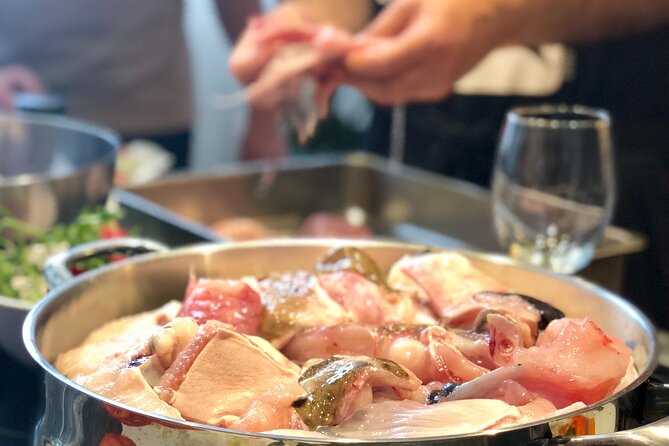
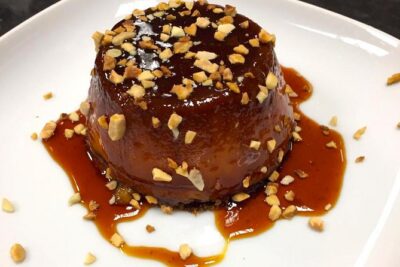
Dessert is a traditional Portuguese sweet, and the exact recipe can change. Poached pears and custard have appeared in individual sessions, and rice pudding was part of one notably difficult class. These examples show the range, but they do not establish a fixed menu.
The dessert course is also a reminder that this is not a rushed activity. Some Portuguese sweets require patient stirring, cooling, or careful timing. The class can feel slow if you are expecting a quick demonstration followed by lunch, but that pace is part of learning how the dish is actually made.
One useful tip is to avoid scheduling another meal soon afterward. You will snack during the lesson, drink wine if you choose, and finish with three courses. The class can take every minute of the advertised 3 hours and 30 minutes, so treat it as a full evening or half-day food activity rather than a short stop between sightseeing plans.
What the chefs add to the experience

The chef can make or break a group cooking class. The strongest sessions have been led by instructors who keep the room moving while making people feel at ease. Beatrice is often described as warm, funny, encouraging, and good at involving people. Bernardo is praised for his teaching, cultural background, and ability to engage teenagers. Fabio, Flavio, and Renardo are also named in positive accounts of different classes.
That variety is worth noting because your exact teacher may depend on the date. The best version of this class feels like cooking with a well-prepared local host who knows how to explain both the recipe and the reason behind it. You should expect guidance, not a silent kitchen where you are left to guess.
There is also a less comfortable possibility. One participant described a highly intense class, confusing instructions, and an unpleasant atmosphere centered on a rice pudding preparation. That account is sharply different from the many positive descriptions, but it is still important. If you prefer a very relaxed, casual cooking session, understand that the tone may vary with the chef and the group dynamic.
A social activity with real food at the end
This class has a strong communal quality. You cook beside people from around the world, share snacks and wine, and sit down together once the food is ready. Several sessions have been especially successful at bringing people together, with participants describing the room as family-like by the end.
That social element is a major part of the value. You are paying not only for ingredients and instruction, but also for a shared evening that is easier to enjoy than a formal group tour. Solo visitors can meet people without needing to force conversation, while couples and families have a chance to work together.
The format can suit children and teenagers, too, based on past sessions that involved young people. It is still a cooking class, so younger participants need to be comfortable taking instructions and waiting for the meal. If your family wants a private session, private bookings have occurred, but the standard information describes a shared class of up to 12 people.
Is $114.93 a fair price?
At $114.93 per person, this is not a cheap meal. You could spend less on a Lisbon restaurant dinner, and much less if your only goal is to taste Portuguese food. The price makes more sense when you count the three-and-a-half-hour class, ingredients, instruction, snacks, wine, the completed meal, and digital recipes for later use.
I see it as good value for someone who wants an activity as well as dinner. You receive direct participation, cultural explanation, and a chance to learn dishes you can repeat at home. The value is weaker if you dislike group activities, rarely cook, or only want a quick introduction to local food.
The class is booked an average of 37 days ahead, which suggests you should not leave it until the last night of a short Lisbon visit. The maximum group size is 12, and smaller groups can feel more personal. If you care strongly about group size, guide, menu, or dietary arrangements, check those points before paying.
Practical details that can affect your decision
The experience is offered in English, and confirmation is provided at booking. Service animals are allowed, and the meeting point is near public transportation. Private transportation is not included, so you make your own way to Avenida de Roma.
Alcohol is available for participants aged 18 and older, with moderation throughout the class. You can choose non-alcoholic drinks instead. Lunch and dinner are listed as included, though the practical meaning is one substantial meal prepared during the session, not separate lunch and dinner services.
Cancellation is flexible up to 24 hours before the start time, with a full refund. Changes or cancellations inside that window are not accepted for a refund. The activity also requires a minimum number of participants. If the provider cancels because that minimum is not met, you can receive a full refund or choose another date or activity.
Who should book this Lisbon cooking class?
I would book this for you if food is one of the main reasons you visit Portugal, and you want to understand the cooking rather than only order from a menu. It is also a good pick for solo visitors, couples, families with older children, and anyone who enjoys meeting people around a table.
You will get the most from it if you are willing to share tasks and accept a menu that changes. The class is less suitable for someone who needs an exact dish list, dislikes alcohol-centered social settings, or wants a very quick activity.
My biggest advice is simple: go hungry, allow the full three and a half hours, and tell the provider about dietary needs before arrival. If you want a friendly, practical introduction to Portuguese home-style cooking, this is a strong choice. If you need a guaranteed calm tone or a precise menu, ask questions first, since the chef and dishes can vary.
FAQ
Where does the Portuguese cooking class meet?
The class meets at Lisbon Affair, Cooking Classes Lisbon, Avenida de Roma 87B, 1700-344 Lisboa, Portugal.
How long does the cooking class last?
The class lasts approximately 3 hours and 30 minutes. The cooking and meal are paced as a full activity, so plan to stay for the entire scheduled period.
What food will I prepare?
You prepare a three-course Portuguese meal with a starter, a main dish, and a traditional dessert. The main course may feature fish, seafood, or meat, and the menu can change with the season.
Are vegetarian options available?
Yes. Vegetarian options are available, and past classes have adapted dishes for vegetarian participants. People with specific dietary restrictions should raise them before the class.
Is wine included?
Yes. Alcoholic beverages are included and served in moderation. Alcohol is available only to participants aged 18 and older under Portuguese law. Non-alcoholic choices are also provided.
Is the class taught in English?
Yes. The cooking classes are conducted in English by local Portuguese chefs.
How many people can join the class?
The activity has a maximum of 12 participants. Some sessions may be smaller, and private classes have also taken place.
What else is included besides the meal?
The class includes local snacks, bottled water, coffee or tea, soda, and alcoholic or non-alcoholic drinks. Digital recipes are sent by email after the class.
Can I cancel for a full refund?
You can cancel at least 24 hours before the start time for a full refund. Cancellations or changes made less than 24 hours before the experience are not accepted for a refund.
Just reviewed in Lisbon
- Private tour Lisbon – full day★ 5.0 · 8 reviews
- Private Tour: Portuguese Food and Wine Tour★ 5.0 · 33 reviews
- Lisbon Football Experience – Private stadium and Museum Tour★ 4.0 · 10 reviews
- Lisbon and Sintra Essence 8H – Private Tour★ 5.0 · 5 reviews
- Private Tour: Lisbon Sunset Walking Tour with Fado Show and Dinner★ 5.0 · 30 reviews
- Lisbon: Helicopter Tour over Cascais & Cabo da Roca★ 5.0 · 4 reviews
- Private Catamaran Tour: Lisbon coast cruise with barbecue and drinks★ 5.0 · 20 reviews
- Private Tour Fátima – Nazaré – Batalha – Óbidos★ 5.0 · 6 reviews
Lisbon Cooking Classes, compared.

Pastel de Nata Masterclass at a Real Bakery in Downtown Lisbon
Read our review →
Pastel de Nata Pastry Class: Bake and Enjoy Your Own Treats
Read our review →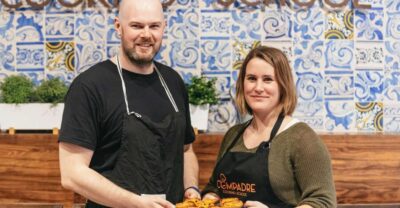
Lisbon Portuguese Cooking Class with 3-Course Dinner
Read our review →
Traditional Portuguese Cooking Class in Lisbon
Read our review →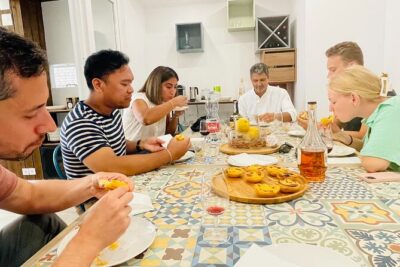
Browse the lists this tour appears in