
Reviewed · LISBON TILE AND AZULEJO TOURS
Lisbon Tiles and Tales: Full-Day Tile Workshop and Tour
Lisbon’s tile art is more than pretty decoration. On this full-day outing, you see how an azulejo is made, try painting one yourself, then visit the Azulejo Museum in a former convent. That hands-on link makes the city’s tiled façades easier to understand.
I especially like the Azeitão workshop, where old methods are still used, and the chance to make a personal tile that can be sent to your Lisbon hotel or home. Guide Nuno receives especially warm praise for making the day informative and enjoyable.
The main drawback is the long eight-hour schedule. Lunch is not included, the museum can occasionally close without warning, and the day involves driving between several places. Still, the guide has offered alternatives, including Sintra’s Royal Palace, when the museum was unexpectedly shut.
Key points to know
- Paint a tile in the Azeitão workshop: Learn the basic technique, decorate your own piece, and arrange shipping after it is fired.
- See traditional production methods: The workshop keeps older tile-making techniques alive instead of showing only finished examples.
- Pair craft with local history: The day connects the Arabic origins of Portuguese tile art with later Spanish, Dutch, and Portuguese styles.
- Visit the Azulejo Museum: The collection spans from the 15th century to contemporary artists and occupies the Madre de Deus Convent.
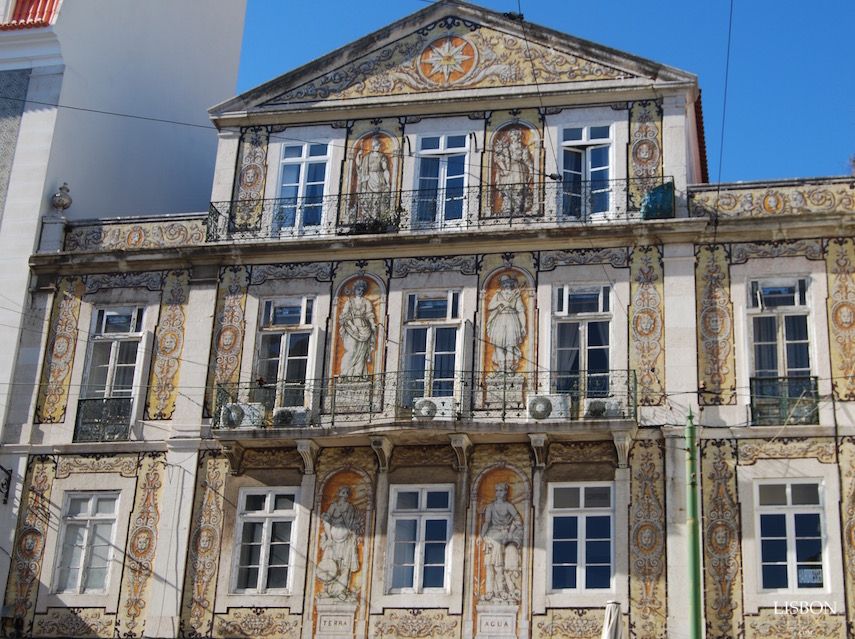
- Look for tilework from the vehicle: The return drive through Lisbon includes some of the city’s most striking tiled buildings.
- Choose small-group or private touring: Hotel or apartment pickup and drop-off make a full day easier to manage.
Why this tile day adds something to Lisbon
You can see azulejos all over Lisbon without booking a tour. Churches, railway stations, apartment façades, shops, and ordinary stairways carry them in blue and white, bright patterns, or elaborate scenes. What is harder is understanding how these tiles were made and why they matter.
This outing gives you that missing background. It begins with the craft itself, then moves to museum displays and real city buildings. I like this order because you first handle the material, then view important examples with a better eye.
The art arrived in Portugal after the Arabic occupation of the Iberian Peninsula began shaping local design. Over time, Portuguese makers developed their own ways of using tiles on walls, ceilings, churches, and public buildings. You will not simply collect a few attractive photographs. You will see how the same basic object can function as decoration, storytelling, architecture, and national style.
The day is also a useful choice if you have already seen central Lisbon’s main sights. It takes you south of the city to Azeitão, adds the fishing village of Sesimbra as a lunch option, and returns through Lisbon with tile viewing along the route.
More Lisbon Tile and Azulejo Tours:
- Lisbon: National Tile Museum Entry Ticket
★ 4.6 · 868 reviews - Lisbon: Azulejos’ Design Create Your Own Tile Workshop
★ 4.9 · 420 reviews - Arrabida Wine Tour from Lisbon: Wineries, Tastings & Tile Factory
★ 5.0 · 154 reviews
The Azeitão workshop and its old methods
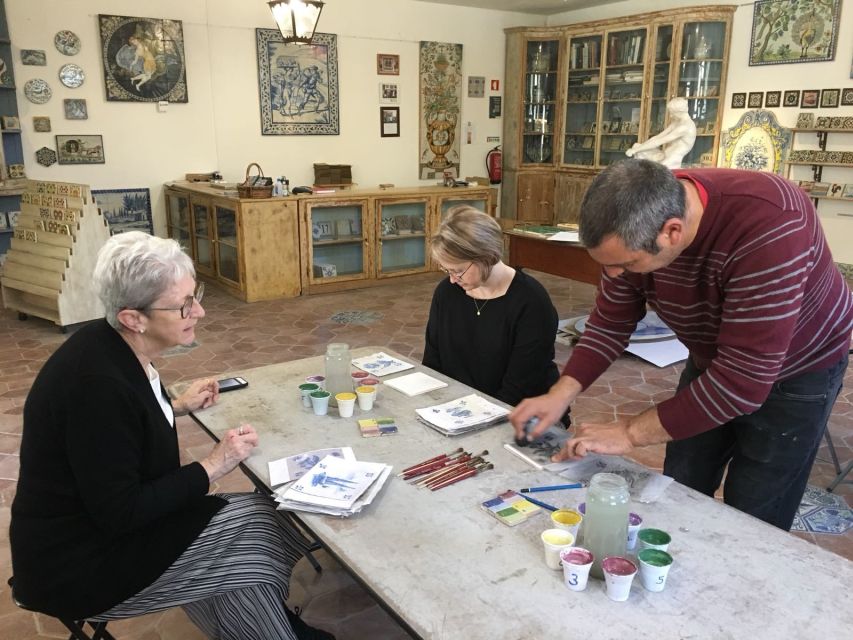
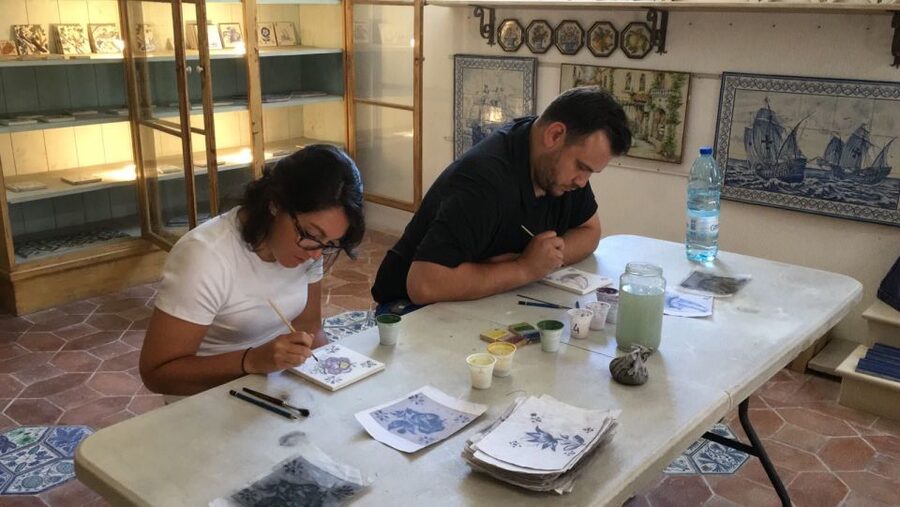
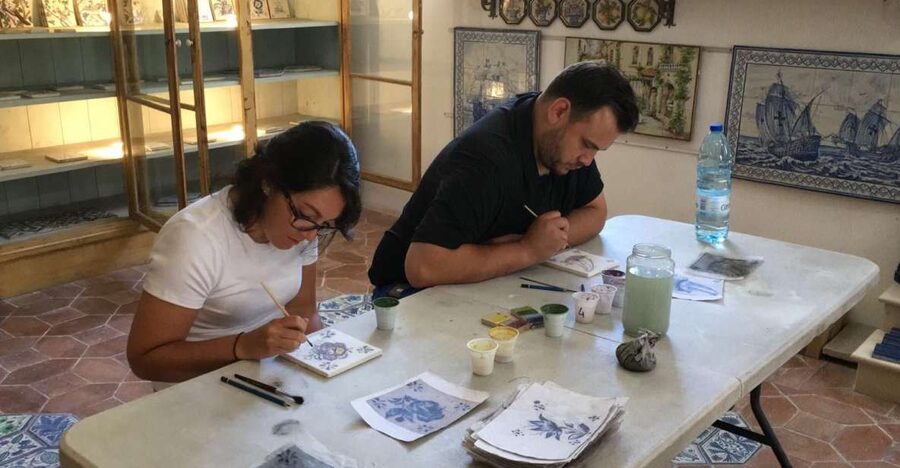
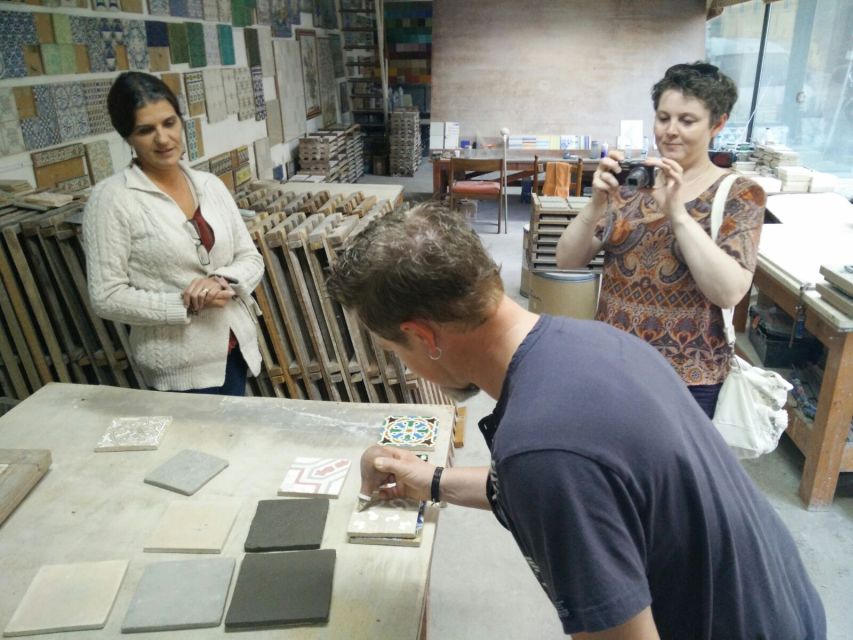
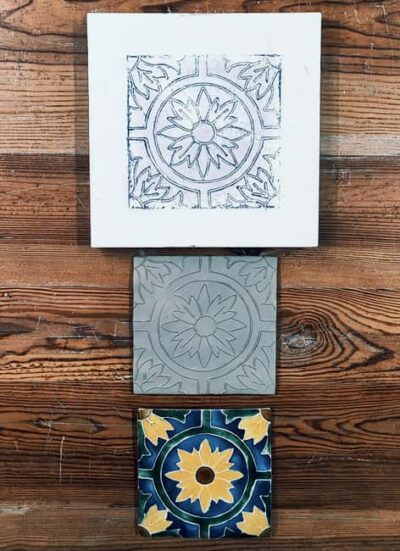
The morning visit to Azulejos de Azeitão is the practical heart of the experience. Here, you see how tiles are produced according to older traditions. The point is not just to watch a modern factory line. You learn how hand-made tiles have been produced over the years and how traditional techniques can reproduce designs from earlier centuries.
That matters because Lisbon’s tiles often look effortless from the street. Repeated patterns and detailed scenes may appear machine-perfect, but hand painting requires control, patience, and a good sense of spacing. A workshop visit lets you see the work behind the finished wall.
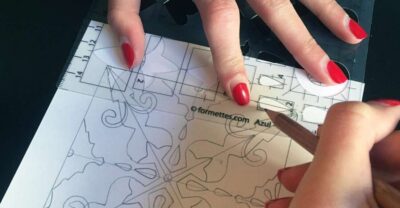
Your guide introduces the basics before you begin your own tile. You do not need to arrive with art training. The experience is designed as an introduction, so the emphasis is on trying the process rather than producing museum-quality work.
I would treat the painting session as a creative souvenir, not a timed craft contest. You will have a direct connection to the art after making even a simple pattern. That personal piece can become a more meaningful reminder of Lisbon than another shop-bought object.
The tile is baked after the workshop and can be sent to your hotel in Lisbon or shipped home. Shipping is extra, so ask about the arrangement before you leave the workshop. The supplied details do not specify how long delivery takes, so do not count on having it in hand during the same day.
A personal tile, with one practical catch
Painting your own tile is the most distinctive part of the itinerary. Museums explain technique, and city walks show finished work, but this gives you a small taste of the process. You see the materials, learn the basic rules, and then make decisions for yourself.
The activity should suit families, couples, and anyone who enjoys a hands-on stop. It also works well for people who find a full day of looking at monuments tiring. The session breaks up the history with something active.
There is a small practical limitation: your finished tile is not immediately available. It must be fired later, and shipping costs are not included. If you are leaving Portugal soon, sending it home may be the simplest choice. If you prefer to avoid shipping, ask the guide what collection options are available, though no specific alternative is provided here.
The strongest reason to book this tour is that the workshop is not an isolated craft class. It becomes part of a larger story. Later, when you see elaborate Portuguese examples, you can recognize the effort behind the painted surface.
Lunch near Sesimbra
After the workshop, you can choose where to eat with your guide. Sesimbra, a fishing village a short drive away, is offered as the natural lunch stop.
Lunch is not part of the $117 price, so budget separately for the meal. The tour details do not name a particular restaurant or set menu. That is useful if you want flexibility, but it also means the exact lunch experience depends on the choice made that day.
Sesimbra adds a change of setting after the workshop. Instead of spending the whole day in museums and city streets, you get a coastal village stop before returning to Lisbon. Keep the timing in mind, though. This is an eight-hour tour with several major stops, so lunch is part of a moving schedule rather than a long, leisurely restaurant outing.
If food is a major part of your trip, ask the guide about the available choices and timing at the start of the day. If your priority is tile art, the flexible lunch arrangement lets you keep the focus on the workshop and museum.
More Lisbon Cooking Classes:
- Lisbon: Pastel de Nata Baking Class
★ 4.9 · 2,106 reviews - Lisbon: Traditional Portuguese Cooking Class
★ 4.9 · 592 reviews - Pastel de Nata Pastry Class: Bake and Enjoy Your Own Treats
★ 5.0 · 485 reviews - Lisbon: 2-Hour Pastel de Nata Cooking Class
★ 4.8 · 461 reviews
Lisbon’s tiled buildings from the road
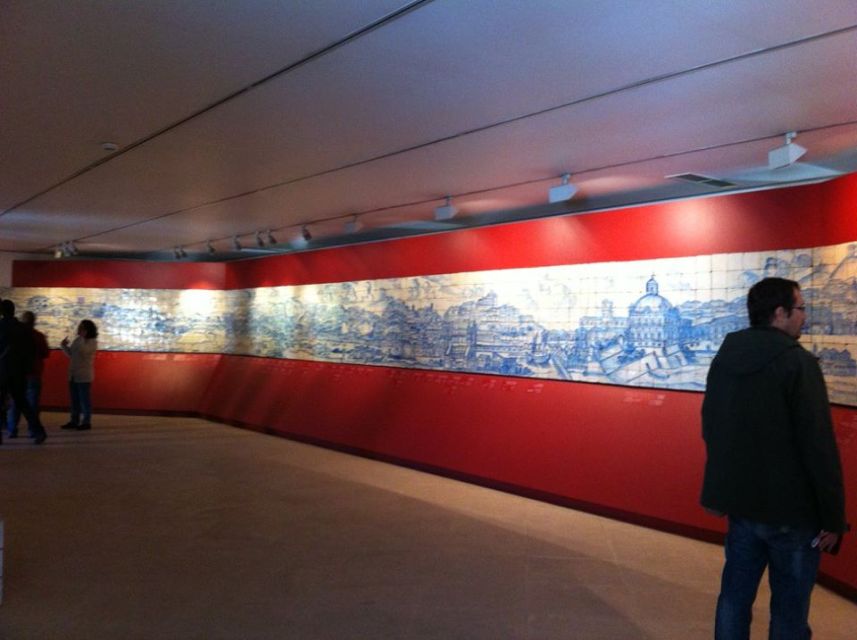
The return to Lisbon is more than transport between stops. The guide points out some of the most impressive tile artwork around the city while you travel.
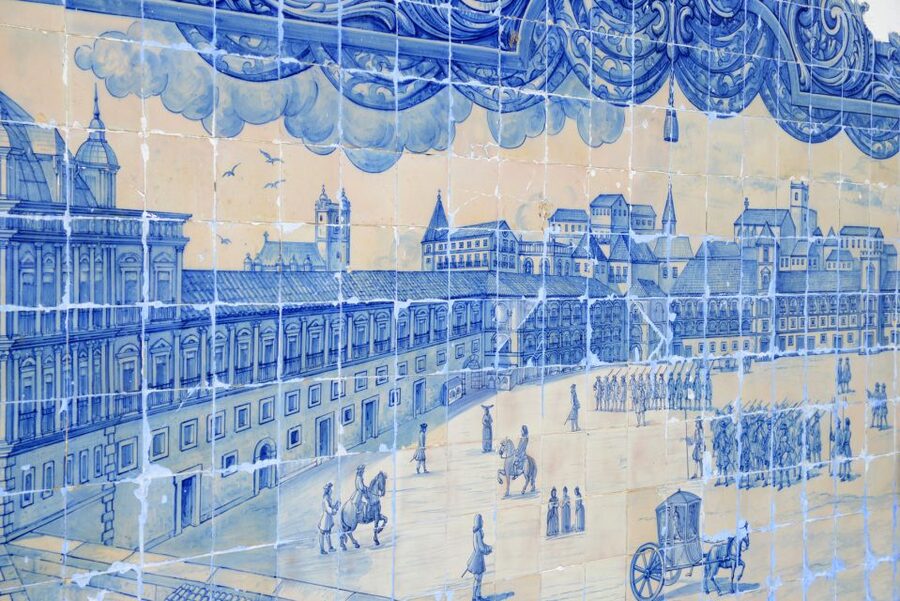
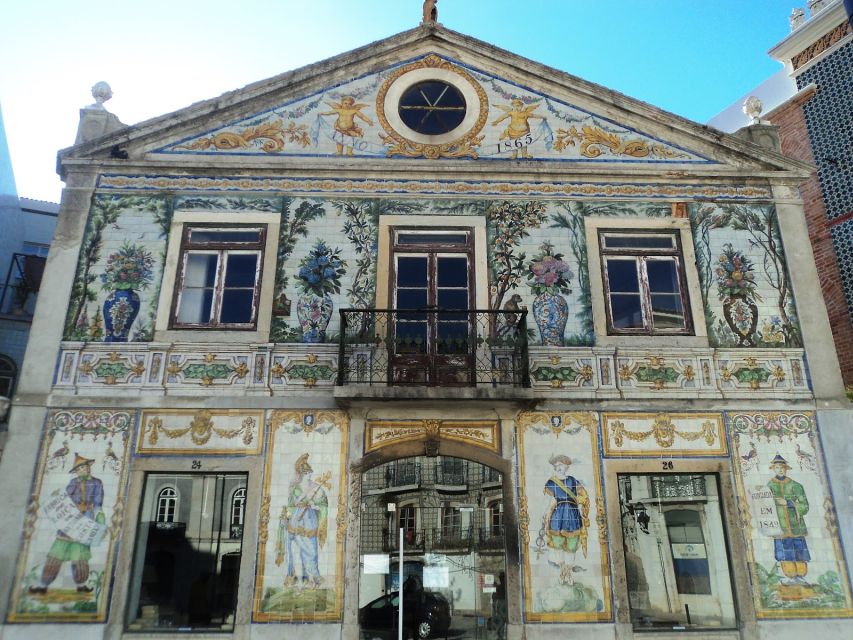
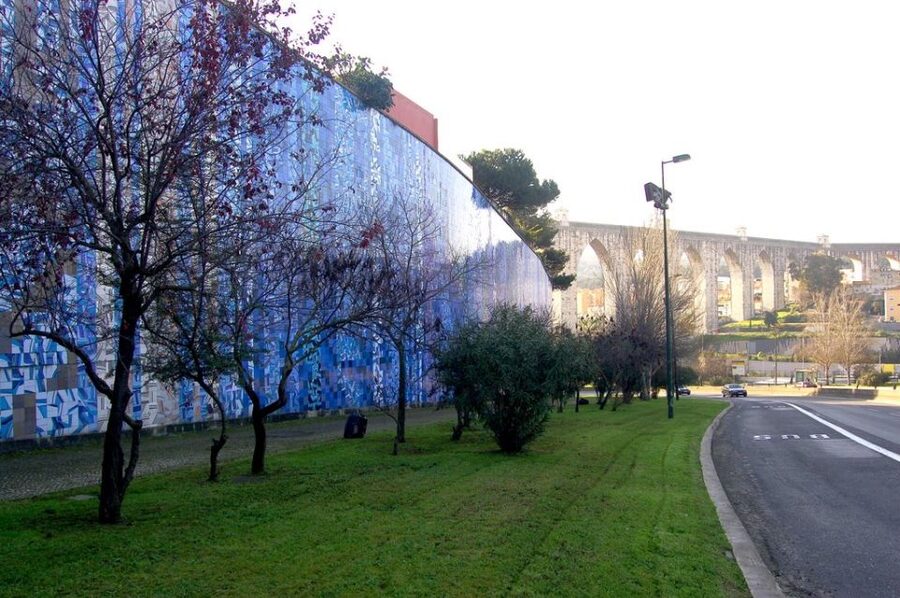
This is a helpful feature because Lisbon’s tile decoration is not confined to a single museum. You may see it on façades and other buildings as part of everyday urban life. From the vehicle, you can cover more ground than on foot and get a broader sense of how widely azulejos are used.
The exact buildings shown can vary, and the information does not promise a fixed list of stops. Think of this section as guided viewing rather than a formal walking tour. You will want to stay alert and listen for explanations, since a passing façade may be visible only briefly.
I like this part because it puts the museum collection in context. A painted tile inside a display case is carefully preserved. A tiled building in Lisbon still functions as part of the city. Seeing both helps explain why this art feels so central to the local streetscape.
The Madre de Deus Convent and Azulejo Museum
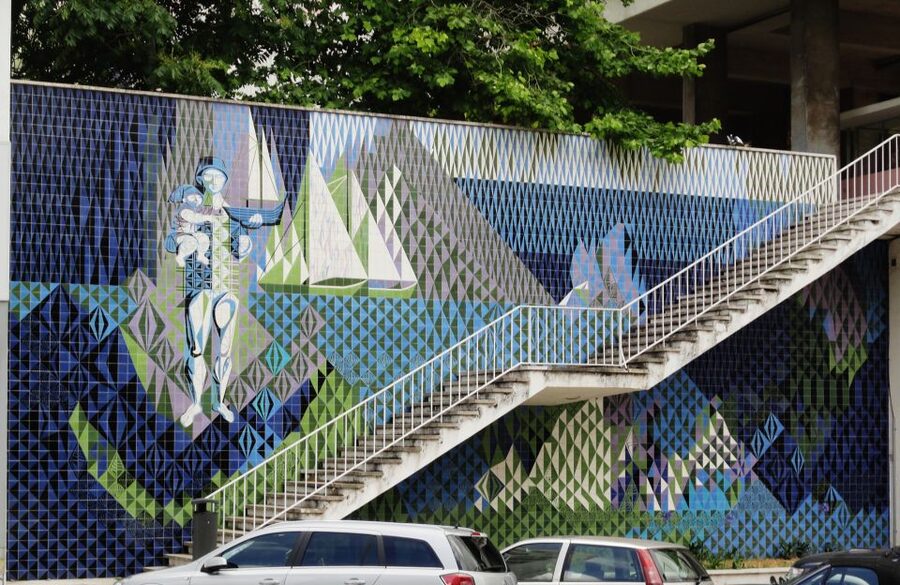
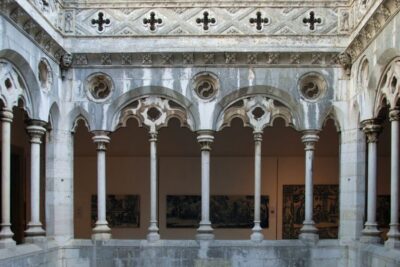
The afternoon visit takes you to the Madre de Deus Convent, founded in the 15th century and now home to the Azulejo Museum. The building itself is part of the visit, not just a container for exhibits.
The church interior is described as a Baroque masterpiece, with its elements designed to form one complete work of art. That idea is especially important for understanding Portuguese interiors. Tiles, architecture, paintings, woodwork, and religious decoration work together rather than appearing as separate objects.
The museum collection runs from the 15th century through contemporary work. You can see Portuguese development across several periods, along with examples connected to major international schools, including Spanish and Dutch traditions.
This chronological range gives the visit structure. Instead of seeing one narrow period, you can compare older forms with later designs and notice how tile art changes over time. The collection also prevents a common mistake: assuming every decorated tile in Portugal is part of one single blue-and-white style.
The visit ends with works by Portuguese masters such as Bordalo Pinheiro, Raúl Lino, and Maria Keil. These names give the final section a more modern focus and show that tile art did not stop with historic churches and palaces.
The museum entrance is included in the tour price, and skip-the-line access is listed. The museum’s unexpected closure on one occasion is worth remembering, however. If it shuts on your date, the guide may offer another tile-related option. One documented replacement was the Royal Palace in Sintra, where the group could continue seeing Portuguese tilework.
What the $117 price buys you
At $117 per person, this is not the cheapest way to see Lisbon’s tiles. You are paying for a full eight-hour day, hotel or apartment pickup and drop-off, transport beyond central Lisbon, a workshop, a live English-speaking guide, and entrance to the Azulejo Museum.
The value is strongest if you want explanation and convenience. Organizing Azeitão, Sesimbra, Lisbon tile viewing, and the museum independently would take more planning. You would also lose the connection between the production process and the finished works.
The price is less compelling if you only want to look at tiled façades or visit the museum. Those activities can be handled separately for less money. This tour earns its cost through the workshop, the private or small-group format, and the guide’s role in tying the stops together.
Pickup matters on a day like this. You do not need to arrange your own route south of Lisbon, find the workshop, return to the city, and reach the museum. For visitors who prefer a planned day, that can be worth more than the simple admission costs.
Reserve-now, pay-later booking is offered, and cancellation is free up to 24 hours before the start time. Starting times vary, so check availability for your date. The tour is offered in English, with private and small-group options available.
Who should book this experience
I would recommend it to anyone who wants more than a quick photograph of Lisbon’s famous tiles. It is particularly good for:
- Art-minded visitors who want to make something rather than only view objects.
- First-time visitors who want a guided introduction to azulejos and the city’s major examples.
- Repeat visitors who have already covered Lisbon’s standard sights.
- Couples and families looking for a shared activity with a take-home result.
- Small groups that value hotel pickup and a flexible guide.
- Visitors interested in Portuguese design from historic religious art to modern masters.
It may not suit you if you dislike full-day outings, prefer to set your own pace, or want a tour focused only on central Lisbon. The drive to Azeitão and the several-part schedule are central to the experience, not minor add-ons.
The guide can make a real difference. Nuno is specifically praised for being both an excellent guide and a warm, engaging person. Another strong point is his response to change: when the museum was closed unexpectedly, he provided alternatives instead of allowing the day to stall.
Practical advice before you book
Wear something comfortable for an eight-hour day and keep your schedule open. The tour includes driving, a workshop, lunch, city viewing, and a museum visit, so it is not a slow single-site excursion.
Bring room in your luggage plan for the finished tile, or be ready to pay for shipping. The piece is fired after you paint it, and neither shipping nor lunch is included.
If the museum is essential to you, confirm its status close to the date if possible. The tour can offer another tile-related visit when needed, but an alternative is not the same as seeing the full museum collection.
Health measures listed for the vehicles include daily disinfection, hand sanitizer, and social distancing arrangements. Masks are listed as available and mandatory inside vehicles. These measures may reflect the booking conditions in force at the time, so check the current requirements when reserving.
Should you book the Lisbon tile tour?
Book it if you want the full story: traditional production in Azeitão, your own painted tile, a flexible lunch near Sesimbra, Lisbon’s tiled buildings, and the Azulejo Museum in one organized day. The workshop and the chance to make a personal piece are the clearest reasons to choose it.
Skip it if you want a short city activity, have limited time, or would rather spend the day choosing your own restaurants and museums. For most art lovers and curious first-time visitors, the combination of making, seeing, and understanding gives the $117 price solid value. Just allow the entire day and remember that lunch and shipping cost extra.
FAQ
How long does the Lisbon tile tour last?
The tour lasts eight hours, including the workshop, lunch stop, Lisbon tile viewing, and Azulejo Museum visit.
Is hotel pickup included?
Yes. Pickup and drop-off at your hotel or apartment are included.
Is lunch included in the price?
No. Lunch is not included. You can choose where to eat with your guide, and Sesimbra is a short drive from the workshop.
Can I paint my own tile?
Yes. You learn the basics of the art at the Azeitão workshop and then paint your own tile.
Can the finished tile be sent home?
Yes. The tile is baked later and can be sent to your Lisbon hotel or home. Shipping costs are not included.
What happens if the Azulejo Museum closes unexpectedly?
The guide may offer an alternative tile-related visit. An alternative used on one occasion was the Royal Palace in Sintra.
More Full-Day in Lisbon
- Sintra Full-Day Private Tour – A Journey through Wonderland
★ 5.0 · 1,665 reviews - From Lisbon: Fátima, Batalha, Nazaré & Óbidos Full-Day Tour
★ 4.7 · 881 reviews - Full Day Lisbon Tour Baixa Chiado with Alfama and Belem
★ 5.0 · 471 reviews - Évora and Megaliths Full-Day Tour from Lisbon
★ 4.7 · 456 reviews
Just reviewed in Lisbon
- Private tour Lisbon – full day★ 5.0 · 8 reviews
- Private Tour: Portuguese Food and Wine Tour★ 5.0 · 33 reviews
- Lisbon Football Experience – Private stadium and Museum Tour★ 4.0 · 10 reviews
- Lisbon and Sintra Essence 8H – Private Tour★ 5.0 · 5 reviews
- Private Tour: Lisbon Sunset Walking Tour with Fado Show and Dinner★ 5.0 · 30 reviews
- Private Catamaran Tour: Lisbon coast cruise with barbecue and drinks★ 5.0 · 20 reviews
- Lisbon: Helicopter Tour over Cascais & Cabo da Roca★ 5.0 · 4 reviews
- Private Tour Fátima – Nazaré – Batalha – Óbidos★ 5.0 · 6 reviews
Lisbon Tile and Azulejo Tours, compared.

Arrabida Wine Tour from Lisbon: Wineries, Tastings & Tile Factory
Read our review →

Private Lisbon Wine & Tile Painting Tour – Sesimbra & Traditions
Read our review →
PRIVATE Tour to Factory of Tiles, Setúbal and Évora from Lisboa
Read our review →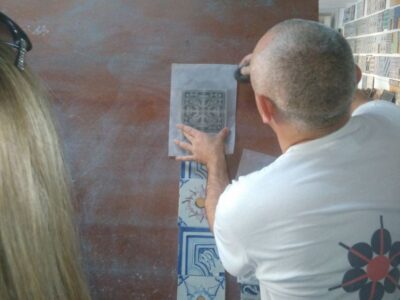
Portuguese Tiles and Wine History – Private Tour
Read our review →Browse the lists this tour appears in