
Reviewed · LISBON COOKING CLASSES
Portuguese ‘Petiscos’ Cooking Class
The best part of this Lisbon cooking class is the way a simple meal becomes a lesson in Portuguese life. You prepare small plates meant for sharing, from Caldo Verde and cod fritters to Pica-pau and chorizo, then sit down together to eat what you made. It is a practical way to meet Portugal through its food, not just through restaurant menus.
I like the hands-on format, especially for beginners, and the fact that the menu changes with the seasons. I also like the relaxed shared table, where the meal becomes social rather than a rushed cooking demonstration. The main consideration is that the menu is not fixed, so you should book for the experience rather than for one exact dish.
- Up to five Portuguese dishes: Prepare a changing selection of classic petiscos, including Caldo Verde.
- Chefs who teach as they cook: Instructors such as Pedro and Miguel explain techniques, ingredients, and the background of each dish.
- A full three-hour experience: You cook, eat, drink, and learn rather than simply watching a demonstration.
- Small-group setting: The experience is limited to a maximum of 10 people, with many sessions kept even smaller.
- Wine, beer, and snacks included: Alcoholic and nonalcoholic drinks accompany the cooking and meal.
- Central Lisbon access: Meet at R. Aliança Operária 54, near public transportation, in the Belém area.
Cooking Portuguese Petiscos in a Lisbon Kitchen
Petiscos are Portugal’s answer to the small-plate meal. They are not always tiny, and they are not limited to one style of food. A table might hold soup, fried cod, meat in sauce, eggs, sausage, or vegetables, with everyone reaching in and sharing.
That makes this class a good match for you if you want more than a standard sightseeing stop. You are not just handed a plate and told its name. You help prepare several dishes, hear why they matter, and taste them in the same communal style that gives petiscos their character.
The class lasts about three hours. That is long enough to cover several recipes without turning the session into a rushed cooking contest. It also means you should leave room in your day. This is a substantial activity, not a quick one-hour lesson squeezed between monuments.
The kitchen is described as clean, spacious, and well organized. Sessions may include only four to six people, though the stated maximum is 10. A smaller group gives you more chances to chop, stir, shape, and ask questions. It also makes it easier for the chef to keep an eye on everyone’s work.
Starting With Caldo Verde
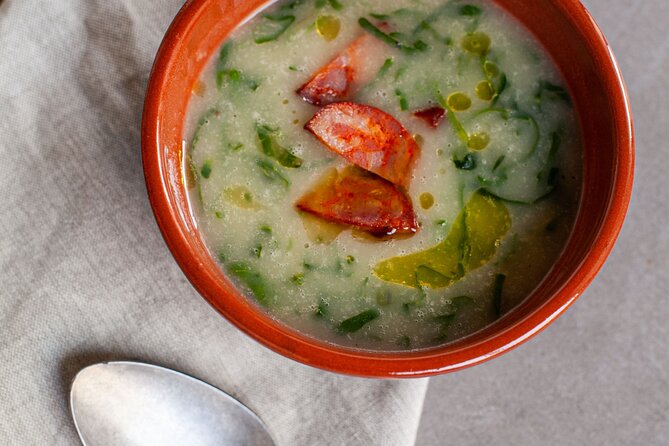
The class includes Caldo Verde, one of Portugal’s best-known soups. It is a useful first dish because it introduces basic Portuguese flavors in a straightforward way. You learn how a few simple ingredients can become a dish with real character.
The exact preparation can vary with the seasonal menu, but Caldo Verde is traditionally associated with potatoes, greens, and a savory element such as chouriço. Here, the value is not simply learning a soup recipe. You get a sense of how Portuguese home cooking often relies on modest ingredients, careful seasoning, and food meant to be served to a group.
Starting with soup also gives you an early taste while other dishes are being prepared. Small snacks, cheese, and Portuguese sausage may be served along the way, helping keep the pace comfortable.
If you like cooking classes that explain the why behind a recipe, pay attention here. The instructors explain techniques and the connection between dishes and Portuguese culture. That context helps you recognize the food later when you order it in a Lisbon restaurant.
More Lisbon Tapas Tours:
- Lisbon: Fado Vadio Tour with Portuguese Tapas
★ 4.8 · 145 reviews - Lisbon: Premium Wine and Tapas Tasting Session
★ 4.8 · 116 reviews - A True Taste of Lisbon: Portuguese Tapas, Wine & Surprise Drink
★ 4.5 · 110 reviews
Preparing Cod Fritters and Savory Petiscos
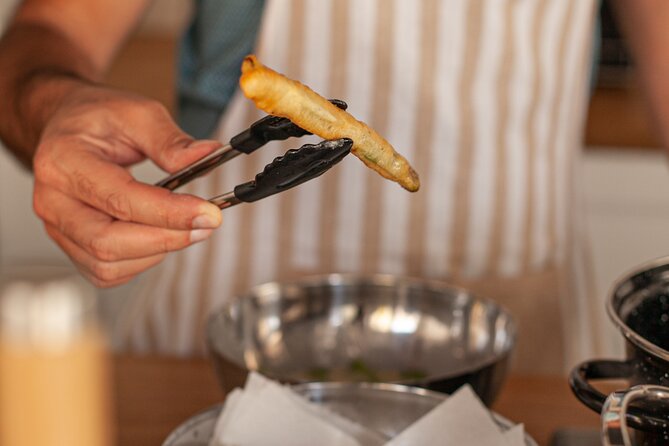
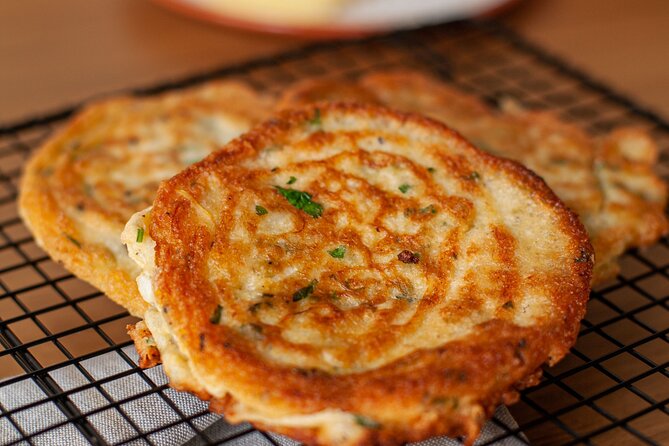
Cod appears often in Portuguese cooking, and this class may include Pataniscas de bacalhau or Pasteis de bacalhau. Both are cod-based fritters, though their texture and preparation differ. You may also encounter a dried-cod casserole, depending on the menu chosen for your session.
This is one of the most useful parts of the class for a visitor. Cod is central to Portuguese food culture, yet its preparation can seem less obvious than grilled fish or a simple fillet. Working with salted or dried cod gives you a better sense of why the ingredient has such a large place in the national kitchen.
The menu may also include Peixinhos da horta, vegetables prepared in a crisp fried coating. It is a good reminder that Portuguese petiscos are not only about meat and seafood. Ovos verdes and Ovos com farinheira bring eggs into the mix, while the fillings and seasonings show how much variety can fit on one shared table.
You should not expect every one of these dishes in one class. The menu is seasonal and selected from a larger list. That keeps the ingredients fresh, but it means you should not book solely because you want a particular fritter.
Pica-Pau, Chorizo, and the Fun of Shared Cooking
Pica-pau is a popular Portuguese meat dish, often made with small pieces of beef and a sharp, savory sauce. One session included a seared veal version with mustard and white wine. It is the kind of dish that shows how a few bold flavors can turn a small serving into something memorable.
Flaming chorizo can add a bit of theater to the meal. The sausage is prepared with care and served as part of the shared spread. You may also work with other meat dishes, such as pork ribs or a red-bean preparation, depending on the seasonal plan.
The cooking is cooperative. You are not assigned to sit silently while a chef does everything. You may work with a partner at a station, take part in several stages, and contribute to the final meal. That format works well for couples, friends, and solo visitors who enjoy meeting people over food.
I especially like the way this setup turns the class into a social evening. In a four-person group, everyone gets a real role. In a larger group, the atmosphere may be livelier, but you may have less time with the chef at the cutting board. If close instruction matters to you, try to choose a date with a smaller group.
What You May Eat at the End
The final spread can be much larger than the word petiscos suggests. Several sessions have included soup, three or four savory dishes, snacks, and a dessert. You may leave feeling that you have eaten a full Portuguese meal rather than a few tastes.
A possible menu includes:
- Caldo Verde
- Pica-pau
- Pataniscas de bacalhau
- Pasteis de bacalhau
- Ovos com farinheira
- Peixinhos da horta
- Ovos verdes
- Flaming chorizo
The list is a guide, not a promise. Menus change by season and by the ingredients available. One class may include pastel de nata, while another may focus on savory food and not include a dessert. If you are hoping to learn custard tarts specifically, check the current class details before booking. The pastry chef Pedro has also taught separate baking sessions.
Once the cooking is finished, the group sits at a prepared table and eats together. This shared ending matters. You get to taste the results while the methods are still fresh in your mind, and the food makes more sense because you helped create it.
More Lisbon Cooking Classes:
- Lisbon: Pastel de Nata Baking Class
★ 4.9 · 2,106 reviews - Lisbon: Traditional Portuguese Cooking Class
★ 4.9 · 592 reviews - Pastel de Nata Masterclass at a Real Bakery in Downtown Lisbon
★ 5.0 · 491 reviews - Pastel de Nata Pastry Class: Bake and Enjoy Your Own Treats
★ 5.0 · 485 reviews
Wine, Beer, and a Relaxed Table
Portuguese wine and beer are included, along with water, juices, tea, or coffee. Snacks and finger food help fill the gaps while dishes cook. Some sessions have also included cheese, sausage, and after-dinner liqueurs such as Port or ginjinha, though these extras should not be treated as guaranteed parts of every menu.
The drinks add value because they fit the meal rather than feeling like a separate purchase. You can sample a Portuguese wine with the food and see how it works with salty cod, sausage, or a savory sauce.
Alcohol is not served to anyone under 18. Water, juice, and tea are available instead. If you prefer not to drink, you can still take part fully in the meal and the cooking.
The tone is informal. You may be sharing a table with people from several countries, and the small group encourages conversation. That social element is a major reason to choose this class over a recipe video or a standard restaurant meal.
The Chefs and the Teaching Style
The instructors are central to the experience. Pedro has led small evening groups and is also a pastry chef. Miguel has taught the class with a patient, clear approach, explaining both the steps and the reasons behind them. Other competent chefs may lead your session, so the exact personality and teaching style can vary.
The strongest feature is the step-by-step instruction. You do not need professional cooking skills, and the class is designed for beginners. The kitchen staff also handles cleanup as the cooking progresses, allowing you to stay focused on the food instead of facing a mountain of dishes at the end.
You may receive access to recipes afterward, which lets you recreate favorites at home. One practical tip: ask where the recipes are available before leaving if you want printed instructions. The materials may be provided online rather than as a paper cookbook.
Is the $102 Price Good Value?
At about $102.12 per person, this is not the cheapest meal in Lisbon. You can eat a simple petisco lunch for far less. The price makes more sense when you count the three hours of instruction, the food, the drinks, the kitchen space, and the small-group setting.
You are also paying for variety. A restaurant meal gives you the finished dishes, while this class lets you learn several recipes and techniques. If you cook at home, the recipe access adds lasting value. If you rarely cook, the cultural background and shared meal may matter more than taking the methods home.
The value is strongest for you if you would otherwise book a food tour, a meal with drinks, or a cooking lesson. It may feel expensive if you only want to sample Portuguese food and have no interest in participating.
The experience is often booked well ahead, with an average booking time of about 65 days. That suggests planning early, especially if you need a particular date. Free cancellation is available up to 24 hours before the start time. Changes or cancellations inside that window are not refunded, and a minimum group size applies.
Getting to R. Aliança Operária 54
The meeting point is R. Aliança Operária 54, 1300-049 Lisboa, in the Belém area. The venue is near public transportation, and the activity ends at the same location.
Build in enough time to find the kitchen. The class begins at the stated meeting point, and arriving late can reduce your time for the first recipes. One participant was accommodated after arriving late, but that was a courtesy rather than something you should count on.
Because the class ends where it starts, you can plan a nearby meal or evening walk afterward. Keep in mind that you may already have eaten a substantial amount by the time the session finishes.
Who Will Enjoy This Class Most?
This is a strong choice for beginner cooks, couples, small groups of friends, and solo visitors who enjoy social activities. You get plenty from it if you want to understand how Portuguese dishes are made rather than simply photograph them.
It also suits you if you like a slower evening. The class has enough time for conversation, explanations, cooking, and a shared meal. It is less suitable if you want a quick activity, a fixed menu, or a formal chef demonstration where you simply watch.
Families should check the age details carefully. Alcohol is not served to anyone under 18, but nonalcoholic drinks are available. The stated maximum is 10 people, while the experience is often organized in smaller groups.
Should You Book the Portuguese Petiscos Cooking Class?
Book it if you want a friendly, hands-on introduction to Portuguese food and are happy to let the seasonal menu shape the evening. The best reasons are the small group, the range of dishes, the included drinks, and the chance to sit down with the food you helped prepare.
Skip it if your main goal is pastel de nata, one exact recipe, or the lowest-cost way to eat petiscos in Lisbon. For everyone else, the class offers a useful mix of cooking, culture, and a generous shared meal. I would choose it early in a Lisbon visit, since it can give you ideas for what to order and a better feel for the food you will encounter during the rest of your stay.
FAQ
How long does the Portuguese Petiscos Cooking Class last?
The class lasts approximately three hours, including cooking, food, drinks, and the shared meal.
Where does the cooking class meet?
It meets at R. Aliança Operária 54, 1300-049 Lisboa, Portugal, in the Belém area. The activity ends back at the meeting point.
How many people can join the class?
The stated maximum is 10 people. Some sessions may be smaller, with groups of four to six people.
Do I need cooking experience?
No. The class is designed for beginners, and the chefs guide you through the preparation step by step.
What food will I prepare?
You will learn to prepare up to five seasonal Portuguese petiscos, including Caldo Verde. Possible dishes include Pica-pau, cod fritters, Ovos com farinheira, Peixinhos da horta, Ovos verdes, and flaming chorizo. The menu changes by season.
Are drinks included?
Yes. Portuguese wine and beer are included, along with nonalcoholic options such as water, juice, tea, and coffee. Alcohol is not served to participants under 18.
Can I cancel for a full refund?
Yes, if you cancel at least 24 hours before the experience start time. Cancellations or changes made less than 24 hours before the start are not refunded or accepted.
Just reviewed in Lisbon
- Private tour Lisbon – full day★ 5.0 · 8 reviews
- Private Tour: Portuguese Food and Wine Tour★ 5.0 · 33 reviews
- Lisbon Football Experience – Private stadium and Museum Tour★ 4.0 · 10 reviews
- Lisbon and Sintra Essence 8H – Private Tour★ 5.0 · 5 reviews
- Private Tour: Lisbon Sunset Walking Tour with Fado Show and Dinner★ 5.0 · 30 reviews
- Private Catamaran Tour: Lisbon coast cruise with barbecue and drinks★ 5.0 · 20 reviews
- Lisbon: Helicopter Tour over Cascais & Cabo da Roca★ 5.0 · 4 reviews
- Private Tour Fátima – Nazaré – Batalha – Óbidos★ 5.0 · 6 reviews
Lisbon Cooking Classes, compared.
Pastel de Nata Masterclass at a Real Bakery in Downtown Lisbon
Read our review →
Pastel de Nata Pastry Class: Bake and Enjoy Your Own Treats
Read our review →
Lisbon Portuguese Cooking Class with 3-Course Dinner
Read our review →
Traditional Portuguese Cooking Class in Lisbon
Read our review →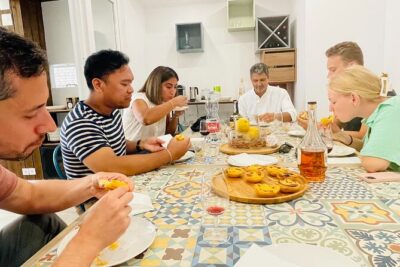
Browse the lists this tour appears in