
Reviewed · LISBON COOKING CLASSES
Lisbon Pastel de Nata Pastry Class
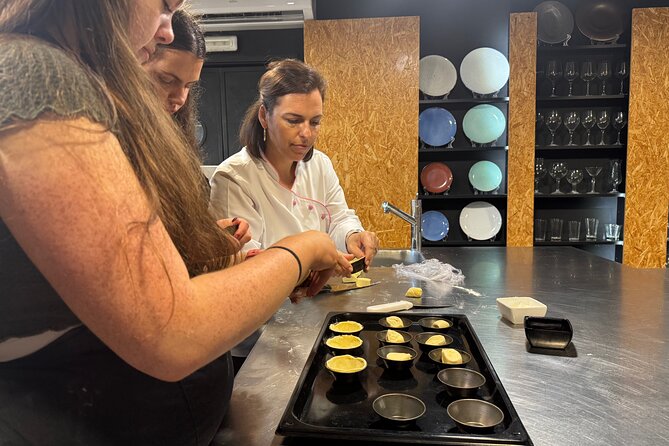
The best part of this class is that you do not simply eat a pastel de nata. You make one from scratch, working through the pastry and custard with Ana and Carina. The class lasts about two hours and ends with warm tarts, coffee or tea, and practical advice for trying the recipe at home.
I like the small maximum group of 15, which gives the class a more personal feel than a large demonstration. I also like the friendly teaching style: Ana brings humor and local food tips, while both instructors make sure everyone takes part. The main consideration is the location in Algés, outside central Lisbon, so you need to allow time to reach R. Margarida Palla 25A.
Key points at a glance
- Make the pastry and custard yourself: You take part in the key stages instead of watching a chef do all the work.
- Learn with Ana and Carina: Their relaxed approach includes clear instruction, humor, and help for first-time bakers.
- Taste fresh pastéis de nata: The class finishes with your own pastries, coffee or tea, and a chance to try variations.
- Pick up local food tips: The instructors share suggestions about places to try Portuguese food in Lisbon.
- Expect a two-hour class: The timing works well as a morning activity beginning at 10:00 am.
- Check dietary needs early: Vegetarian adjustments are possible with at least 72 hours’ notice, but the class is not recommended for vegans or people with food allergies.
Making Lisbon’s famous custard tart from scratch
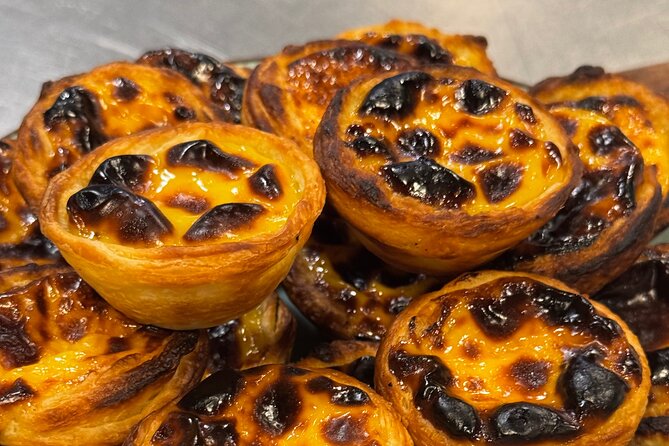
Pastel de nata is one of Portugal’s signature foods: a small pastry shell filled with baked egg custard. The pleasure comes from the contrast between crisp, flaky pastry and the soft, creamy center. A little cinnamon or powdered sugar often completes the treat, though the exact serving details for this class are not specified.
This is a useful class for anyone who wants more than a quick taste at a bakery counter. You learn the basic structure of the recipe and get involved in the work. That matters because pastel de nata looks simple, but good results depend on several steps coming together: the pastry must be thin and flaky, and the custard must be smooth rather than heavy.
The class is taught in English, so it suits English-speaking visitors who want instruction without a language barrier. Ana and Carina guide the process and explain what you are doing as you go. The supplied information does not give a minute-by-minute schedule, so the pace may vary with the size and needs of the group.
More Lisbon Cooking Classes:
- Lisbon: Pastel de Nata Baking Class
★ 4.9 · 2,106 reviews - Lisbon: Traditional Portuguese Cooking Class
★ 4.9 · 592 reviews - Pastel de Nata Masterclass at a Real Bakery in Downtown Lisbon
★ 5.0 · 491 reviews
The 10:00 am start in Algés
The meeting point is R. Margarida Palla 25A, 1495-143 Algés, Portugal. Algés is not Lisbon’s historic center, so check the route before you leave your accommodation and build in extra time. The activity is near public transportation, but no exact route or travel time is provided.
Starting at 10:00 am gives you a clear morning plan. You will need to arrive ready for a practical cooking session rather than a sightseeing walk. Since the class ends back at the same meeting point, you can continue with your day from there, but transport after the class is not included.
The address matters when you compare this experience with a bakery class in central Lisbon. The lower or higher total cost of getting to Algés depends on where you are staying. If you are already in the western part of the Lisbon area, the location may be convenient. If you are based near Baixa, Alfama, or another central district, allow a little planning time.
Preparing the flaky pastry
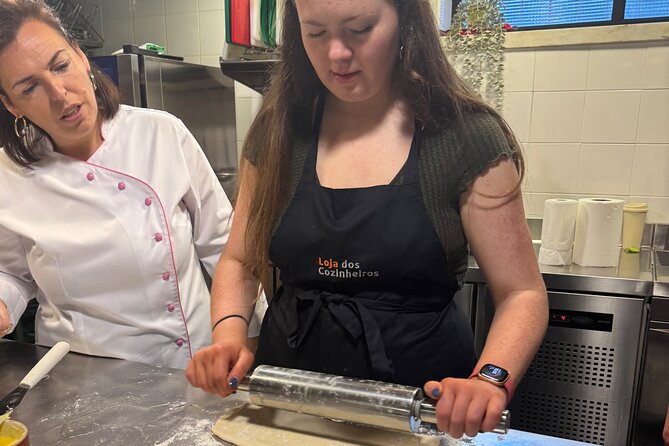
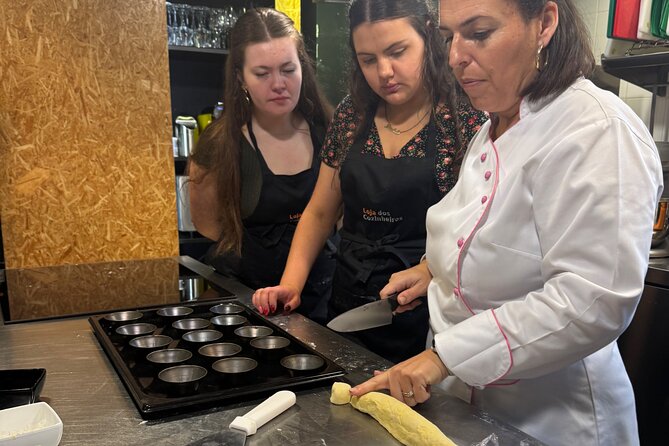
The first major task is the pastry. The instructors guide you through the process of preparing the flaky shell, which is one of the defining parts of a good pastel de nata. The exact technique is not listed, but the class promises hands-on work rather than a simple cooking demonstration.
This is where Ana and Carina’s support matters. Pastry can be less forgiving than mixing a simple cake batter, especially for someone who does not bake often. You can ask questions as you work, and the class format is designed to help everyone participate.
One useful feature is that the goal is not just to produce a batch during the session. The instruction is meant to give you enough understanding to try the recipe at home. That makes the class more valuable than a one-time tasting, especially if you enjoy cooking and want a Portuguese recipe to add to your kitchen routine.
Do not expect a professional baking course with advanced technical detail. The class is described as fun, interactive, and accessible, with guidance from start to finish. It is best approached as a friendly introduction to one important Portuguese pastry.
Mixing the creamy custard filling
The second key stage is the custard. This is the soft filling that gives pastel de nata its identity, and the instructors explain how to prepare it and achieve the right creamy texture.
You will learn alongside the pastry work rather than treating the filling as a mystery prepared in advance. The class also includes cultural background about the dessert and its place in Portuguese food. That context adds meaning to the recipe, but the focus remains firmly on cooking.
For a first-time baker, this part can be especially helpful. Custard can change texture if it is handled poorly, so direct guidance is more useful than reading a recipe later. The available details do not specify the exact ingredients, oven method, or recipe quantities, so do not book this expecting a full technical recipe sheet unless the instructors provide one during class.
Ana and Carina are also described as having their own secret recipe. That sounds appealing if you want to learn a house version rather than follow a generic online formula. It also means you may not leave with every proportion written out in full. If the ability to reproduce the recipe exactly is important to you, ask about the take-home instructions during the class.
Something different to do with a day in Lisbon:
- Lisbon City Center Tour – The Unmissable Lisbon
★ 5.0 · 22,234 reviews - Lisbon: Sintra, Pena, Regaleira, Cabo da Roca & Cascais
★ 4.7 · 19,656 reviews - Sintra: Pena Palace and Park Entrance Ticket
★ 4.2 · 17,410 reviews - Lisbon: Jerónimos Monastery Entrance Ticket
★ 4.1 · 14,164 reviews
Tasting the finished pastéis de nata
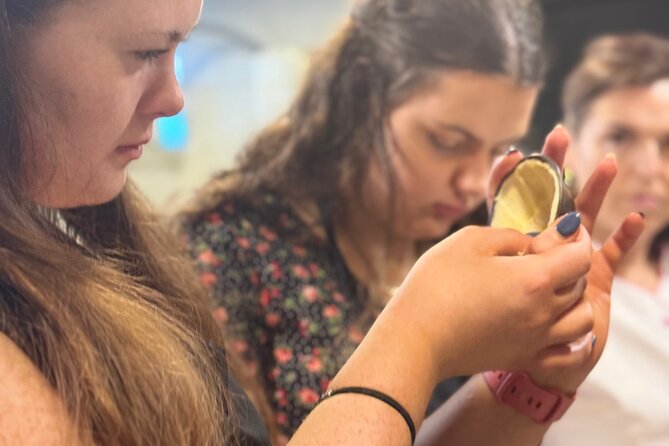
The reward comes at the end, when you taste the pastries you have prepared. Coffee or tea is included, so you can enjoy the tarts in the traditional style rather than rushing off as soon as the cooking ends.
You also get to taste some variations and learn tips about serving them. The details do not identify the variations, so the exact selection may change. Still, this part gives you a useful comparison between the standard version and other possible ways to enjoy the pastry.
A fresh pastel de nata is best appreciated for its textures. You can pay attention to the crisp shell, the set custard, and the balance between sweetness and pastry. Because you have made the food yourself, the tasting also helps connect each step of the recipe with the final result.
The coffee or tea is a modest inclusion, but it adds to the social side of the class. This is not a meal replacement, and no broader food menu is listed. Think of it as a pastry lesson followed by a tasting session, not as a full Portuguese cooking tour.
Ana and Carina’s teaching style
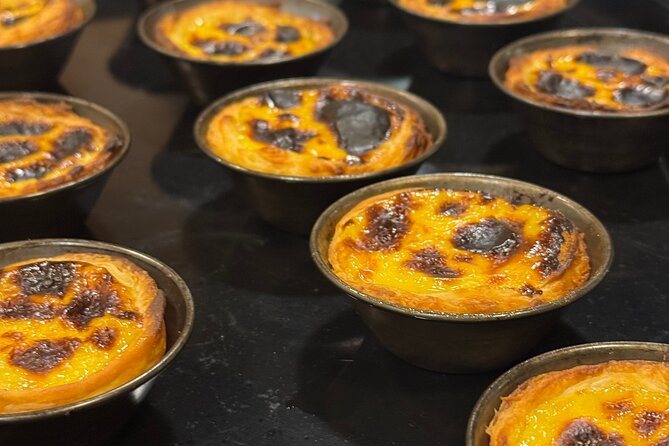
The strongest feature of the experience is the personal atmosphere created by the two instructors. Ana and Carina are described as warm, funny, and encouraging. Ana’s sense of humor helps keep the session relaxed, while both instructors make an effort to support equal participation.
That matters for solo visitors. A hands-on class can feel awkward if everyone is expected to work alone or if the instructor gives attention only to confident cooks. Here, the group format is designed to encourage interaction, and the maximum of 15 people is small enough to avoid the feel of a factory-style demonstration.
It also suits a parent and adult child or two friends traveling together. One pair arrived feeling unsure because they were not frequent visitors abroad and preferred familiar desserts. The welcoming approach helped them settle in, and they found the class easy to follow.
The class is not restricted to experienced cooks. The information repeatedly presents it as suitable for people who want to learn from the beginning. Still, anyone expecting advanced pastry-school training may find the tone too casual. The strength here is encouragement, clear help, and shared enjoyment rather than technical specialization.
A useful food lesson for solo visitors
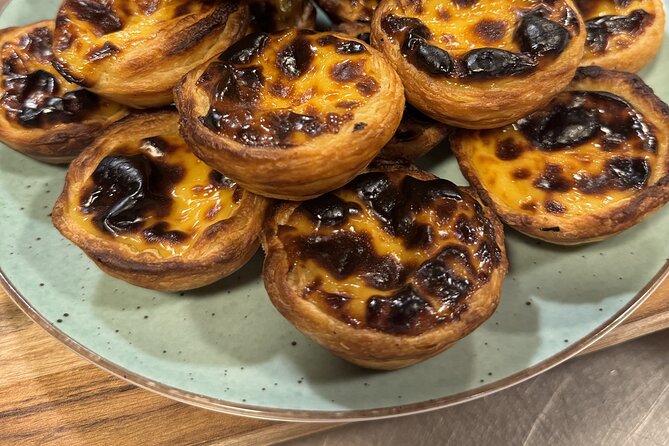
This experience works particularly well for solo visitors because the activity gives you something to do with your hands and an easy way to meet other people. You are not simply sitting through a talk. You are mixing, shaping, baking, and tasting as part of a small group.
The local tips are another benefit. Ana and Carina share suggestions about places to try Portuguese food, which can help you plan later meals. Those recommendations are not listed in detail, so consider them an extra rather than the main reason to book.
The social setting also helps visitors who want a more relaxed morning. The instructors are described as creating an intimate but easygoing atmosphere. That combination can be more comfortable than a large food tour, especially if you prefer conversation over a crowded tasting route.
At the same time, the class is not designed as a walking tour of Lisbon. You will not visit several bakeries or see major sights during the session. Choose it for cooking, food culture, and a shared table experience, not for sightseeing.
Price and what the two hours deliver
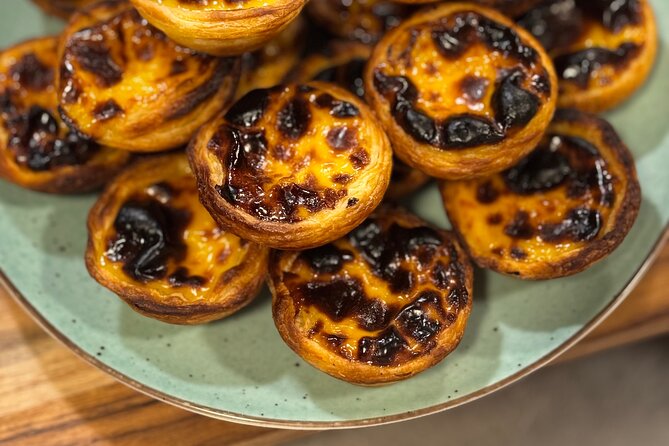
The listed price is $59.57 per person. For two hours, that is a fair price if you value instruction, ingredients, the hands-on activity, the finished food, and coffee or tea. You are paying for more than a pastry purchase, but less than a full-day food experience.
The value improves if you plan to bake the tarts again at home. The class gives you practical exposure to both pastry and custard, plus the chance to ask questions while you work. If you only want to taste a pastel de nata, Lisbon’s bakeries offer a cheaper route.
The class also makes sense as a special activity during a longer Lisbon visit. It fills a morning without taking up an entire day, and it gives you a food memory that is more active than ordering dessert at a café.
Keep the location in mind when calculating the real cost. The advertised price does not include transport to Algés. The activity ends at the meeting point, so you also arrange your own onward travel.
Dietary needs and age limits
Children under 8 are not accepted. Older children may find the practical format enjoyable, but the information does not specify whether a parent must participate or whether there are special child prices. Check those details before booking for a family group.
Vegetarian adjustments are possible if you communicate your needs at least 72 hours before the reserved class. This is important because last-minute requests may not be accepted.
The class is not recommended for vegans or people with food allergies. Pastel de nata normally involves ingredients such as dairy and egg, but the precise recipe and kitchen procedures are not provided here. If you have a serious allergy, contact the provider before reserving rather than relying on an adjustment at the door.
Booking, group size, and cancellation
You receive confirmation at the time of booking, and the activity uses a mobile ticket. The maximum group size is 15 people, which supports the more personal teaching style described for the class.
Free cancellation is available if you cancel at least 24 hours before the 10:00 am start time. Cancellations made less than 24 hours before the activity are not refunded, and changes inside that window are not accepted. The cut-off follows local time in Portugal.
Because the class has a food-preparation element, book only when you are reasonably sure you can attend. The 24-hour rule gives you some flexibility, but it does not cover late changes.
Who should book this pastel de nata class?
I would choose this for you if you like food experiences that involve doing something, not just taking photos or sampling prepared dishes. It is also a strong pick for solo visitors, couples, friends, and families with children aged 8 or older.
You will get the most from it if you are curious about Portuguese food and want a recipe you can attempt again. The warm teaching style makes it approachable, even if you are not an experienced baker.
I would think twice if you are vegan, have a food allergy, need a fully accessible menu, or want to stay in central Lisbon. I would also skip it if your main goal is a broad food tour, a historic walking route, or a full meal.
For $59.57, the class offers a personal lesson, fresh pastry, coffee or tea, cultural background, and local food suggestions. That is solid value for a two-hour activity, provided you are happy to make the trip to Algés and treat the class as a cooking experience rather than a sightseeing stop.
FAQ
Where does the pastel de nata class meet?
The class begins at R. Margarida Palla 25A, 1495-143 Algés, Portugal. It also ends back at the same meeting point.
What time does the class begin?
The class starts at 10:00 am.
How long does the experience last?
The class lasts approximately two hours.
Is the class offered in English?
Yes. The experience is offered in English.
What is included in the price?
The price includes the pastel de nata cooking class and coffee and/or tea.
Can children attend the class?
Children under 8 years old cannot attend.
Can the menu accommodate dietary restrictions?
Vegetarian adjustments are possible if you communicate your needs at least 72 hours before the class. The experience is not recommended for vegans or people with food allergies.
What is the cancellation policy?
You can cancel for a full refund up to 24 hours before the experience begins. Cancellations or changes made less than 24 hours before the start time are not accepted for a refund.
Just reviewed in Lisbon
- Private tour Lisbon – full day★ 5.0 · 8 reviews
- Private Tour: Portuguese Food and Wine Tour★ 5.0 · 33 reviews
- Lisbon and Sintra Essence 8H – Private Tour★ 5.0 · 5 reviews
- Private Tour: Lisbon Sunset Walking Tour with Fado Show and Dinner★ 5.0 · 30 reviews
- Lisbon Football Experience – Private stadium and Museum Tour★ 4.0 · 10 reviews
- Private Catamaran Tour: Lisbon coast cruise with barbecue and drinks★ 5.0 · 20 reviews
- Lisbon: Helicopter Tour over Cascais & Cabo da Roca★ 5.0 · 4 reviews
- Private Tour Fátima – Nazaré – Batalha – Óbidos★ 5.0 · 6 reviews
Lisbon Cooking Classes, compared.
Pastel de Nata Masterclass at a Real Bakery in Downtown Lisbon
Read our review →
Pastel de Nata Pastry Class: Bake and Enjoy Your Own Treats
Read our review →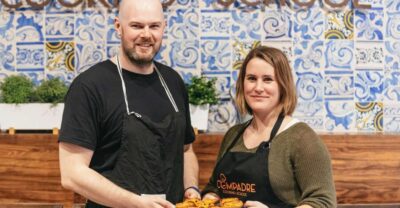
Lisbon Portuguese Cooking Class with 3-Course Dinner
Read our review →
Traditional Portuguese Cooking Class in Lisbon
Read our review →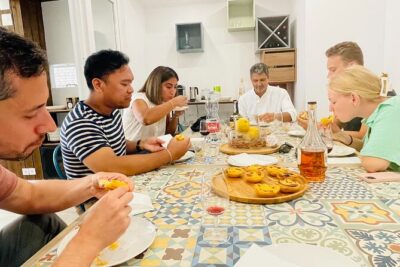
Browse the lists this tour appears in