
Reviewed · LISBON COOKING CLASSES
Lisbon: Pastel de Natal Pastry Class
Portugal’s famous pastéis de nata look simple, but the best ones depend on two things: thin, flaky pastry and a smooth custard that sets without turning heavy. This two-hour hands-on class lets you work through both parts instead of simply watching a chef do the job.
I like the direct, practical format, and I like that you finish with your own freshly baked tarts, coffee or tea, and tips for serving them at home. The main drawback is that the class is not suitable for vegans, vegetarians, people with food allergies, or children under six, so check the restrictions before booking.
Key points to know before booking
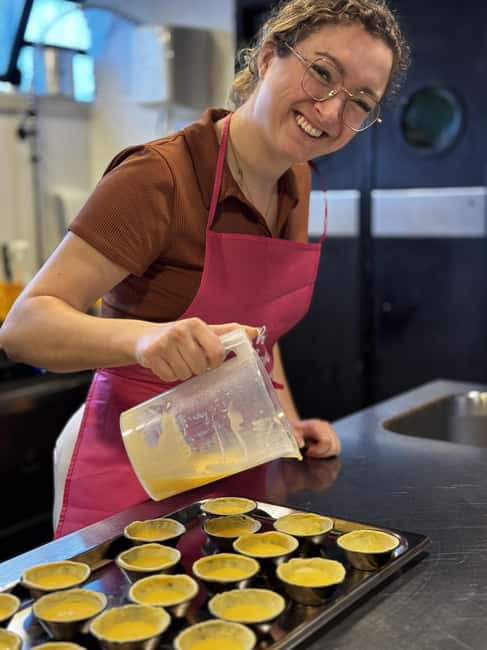
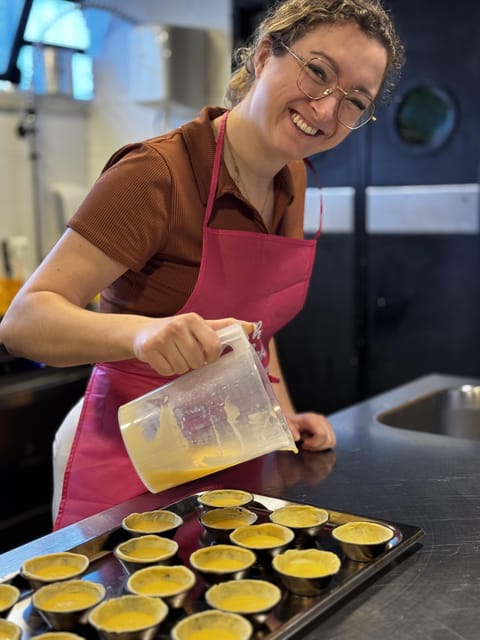
- You make pastéis de nata from scratch: The class covers the flaky pastry and creamy custard, not just decoration or tasting.
- The class meets at Cooks Store: It begins and ends at the same meeting point, with no transport included.
- Chefs work in English or Portuguese: You can follow the instruction in either language.
- Your booking includes menu choice: You receive three menus by email and can adjust your selection to suit your preferences.
- The finished pastries are part of the lesson: You taste them with traditional Portuguese coffee or tea and learn serving tips.
- The format suits groups: Friends, families with older children, and team groups can cook together, though the activity is not suitable for anyone under six.
Why pastéis de nata make a good Lisbon cooking class
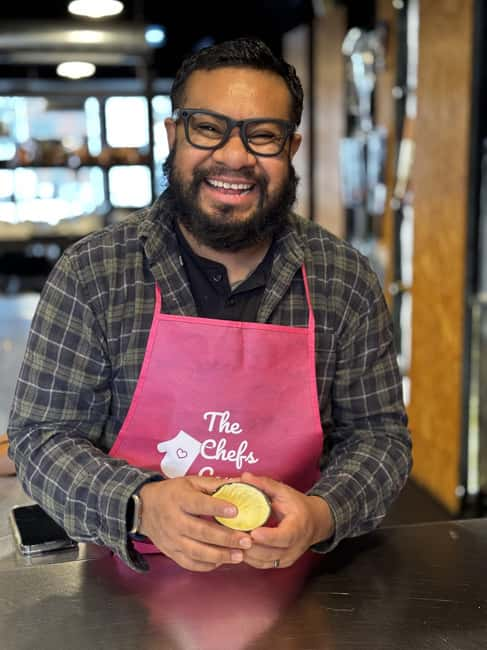
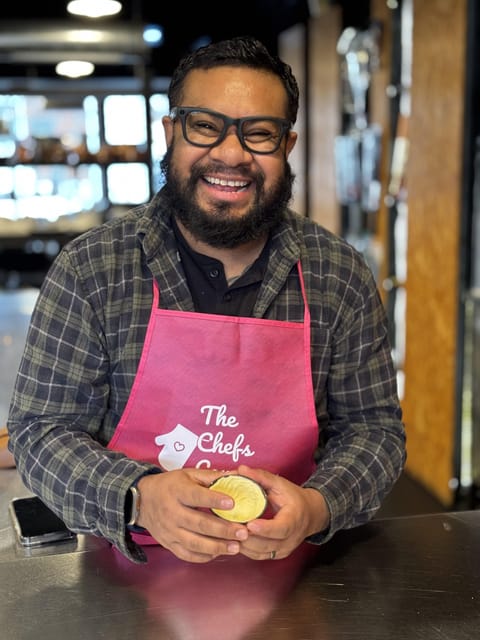
Pastéis de nata are one of Portugal’s most recognizable foods. They are small custard tarts with a pastry shell and a baked filling, but making them well involves several steps that are easy to underestimate.
You will learn how to prepare the pastry, shape it, and make the custard. That gives the class more value than a quick demonstration because you are learning a process you can repeat in your own kitchen.
This is also a useful choice if you want a food activity that connects with Lisbon without taking up half a day. At two hours, it fits neatly into a sightseeing schedule, though you should still check the available start times before arranging your day.
The class is held at Cooks Store in the Lisbon District. You make your own way there, and the activity finishes back at the same place. That simple setup is convenient, but remember that transportation from your hotel or apartment is not included.
More Lisbon Cooking Classes:
- Lisbon: Pastel de Nata Baking Class
★ 4.9 · 2,106 reviews - Lisbon: Traditional Portuguese Cooking Class
★ 4.9 · 592 reviews - Pastel de Nata Masterclass at a Real Bakery in Downtown Lisbon
★ 5.0 · 491 reviews
Arriving at Cooks Store for the two-hour class
Your class starts and ends at Cooks Store, so this is not a tour that moves through several parts of Lisbon. The focus stays on cooking, conversation, and tasting.
That makes the meeting point important. Give yourself enough time to reach it, since the class does not include pickup or drop-off. The exact starting time depends on availability, so confirm it before planning a museum visit, restaurant booking, or train connection afterward.
The class is taught in English or Portuguese. If you choose English, you should be able to follow the main instruction while working through the recipe. The cooking format also helps because you can watch each step and repeat it with your own hands.
The provider describes the class as suitable for beginners as well as more experienced bakers. You do not need to arrive with pastry skills. The point is to learn the method in a guided setting, with a chef helping you through the stages.
Rolling pastry and building the tart shells
The pastry is one of the most important parts of a pastel de nata. A custard tart can taste flat if the shell is thick or soft, so the class gives attention to preparing flaky pastry and shaping it for the filling.
You will be involved in this part rather than simply receiving a prepared shell. That is useful because pastry technique is often the least obvious part of the finished tart. The delicate layers are not apparent once the tart reaches your plate, but they make a major difference to texture.
The hands-on format is especially helpful for first-time bakers. You can see how the pastry is handled, then try it yourself while the chef guides the process.
The information provided does not specify the exact equipment, class size, or baking setup, so do not assume a private lesson or a small group. If those details matter to you, ask before booking.
Preparing the creamy custard filling
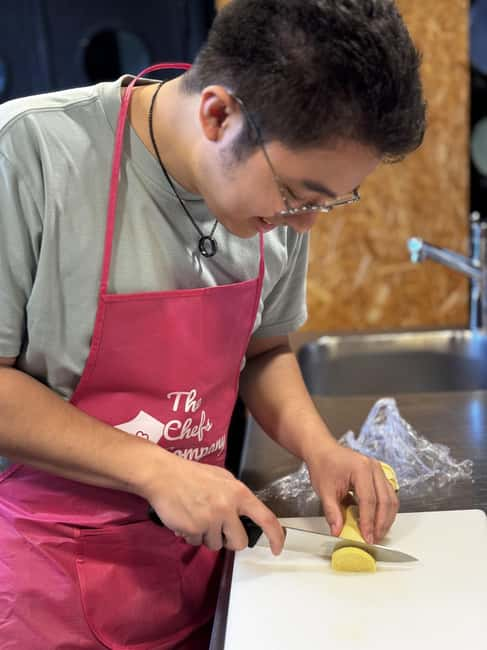
The second major lesson is the custard. The class teaches you how to prepare the filling and reach the right creamy texture before it goes into the pastry.
This is where the activity moves beyond a simple pastry tasting. You learn how the shell and filling come together, and you can later use the same general method when recreating the tarts at home.
The chefs also share cultural details about pastéis de nata and their place in Portuguese food. The experience is not presented as a formal history lecture. Instead, the background comes through the cooking session, stories, and practical advice.
That balance works well for a short class. You get enough context to understand why the pastry matters in Portugal, but most of your time goes toward making and eating it.
Something different to do with a day in Lisbon:
- Lisbon City Center Tour – The Unmissable Lisbon
★ 5.0 · 22,234 reviews - Lisbon: Sintra, Pena, Regaleira, Cabo da Roca & Cascais
★ 4.7 · 19,656 reviews - Sintra: Pena Palace and Park Entrance Ticket
★ 4.2 · 17,410 reviews - Lisbon: Jerónimos Monastery Entrance Ticket
★ 4.1 · 14,164 reviews
Baking, tasting, and serving the finished tarts
The best part of the schedule comes at the end, when you taste the pastéis de nata you have helped prepare. The class includes traditional Portuguese coffee or tea, giving you a natural pairing for the warm pastries.
You also get to taste variations and learn serving tips. The supplied details do not identify the variations, so expect the chef to explain what is available during the class rather than planning around a particular flavor.
This final tasting matters because it lets you compare the finished result with what you aimed to create. You can pay attention to the pastry, the custard, and the balance between the two.
You should also leave with ideas for serving the tarts at home. The class promises practical tips, not just a plate of food at the end, so bring your attention to the final discussion if you want to repeat the recipe after returning home.
What the chefs add to the experience
The class is built around expert guidance. Chefs lead you through the pastry and custard, answer questions during the work, and share information about Portuguese food culture.
The tone appears suited to social groups. A bachelorette party group found the chefs lovely and fun, which suggests the class can handle a celebratory mood rather than demanding a quiet, formal cooking environment.
That makes this a sensible pick for a group of friends who want more than a restaurant meal. You can cook side by side, share the work, and finish with a common tasting.
Still, the available information does not name the individual chefs or promise a particular instructor. The language options are English and Portuguese, but you should not expect instruction in another language unless the provider confirms it.
Choosing your menu before you arrive
After booking, you receive three different menus by email. You then choose what you want to cook, and the menu can be adjusted to account for your preferences.
That gives you a useful degree of control before the class. Read the options carefully and respond within the time requested by the provider, especially if your group has different tastes.
The supplied details focus on the pastel de nata class, but they also refer to menu choice and adjustments. Confirm exactly what each menu includes if you are booking this activity mainly for the pastry lesson.
Do not assume that menu adjustments solve every dietary problem. The activity is not recommended for vegetarians or vegans, and it is not suitable for people with food allergies. Tell the provider about your needs before paying, but treat those restrictions as a serious limitation rather than something guaranteed to be accommodated.
Who will get the most from this class
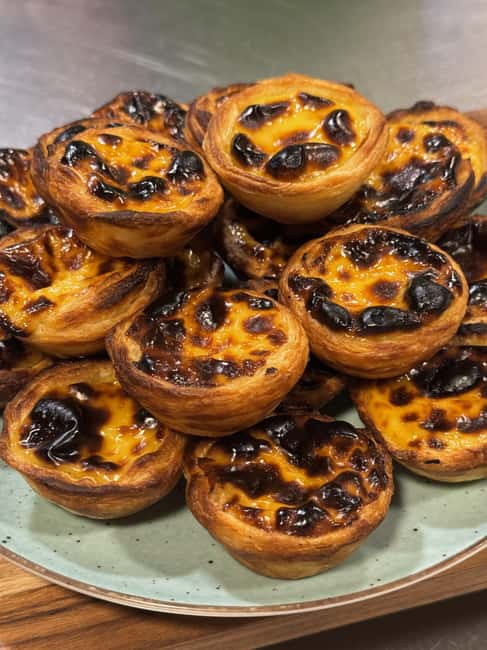
This is a strong match for a first-time baker who wants to learn a famous Portuguese recipe in a relaxed setting. You get clear stages, direct practice, cultural context, and a finished tasting within two hours.
It also suits a group looking for a shared Lisbon activity. Friends, families with children aged six and older, and team-building groups can use the class as a break from sightseeing.
The experience is less suitable if you only want to eat pastéis de nata. Lisbon has many places to buy them, and a class requires your time and attention. Choose this activity because you want to understand how the pastry is made, not simply because you want a dessert.
It is also not a good choice for anyone with a mobility impairment, wheelchair users, or people with visual impairments, according to the stated restrictions. If accessibility is important for your group, contact the provider before booking rather than relying on general assumptions about the venue.
Is $56 a fair price?
The listed price is $56 per person. That is more than the cost of buying one or two pastéis de nata in Lisbon, but the comparison is not really pastry against pastry.
You are paying for a two-hour lesson, chef instruction, ingredients, hands-on preparation, menu selection, the finished tasting, and coffee or tea. You also leave with a method you can try again at home, which adds value if you enjoy cooking.
The price makes the most sense for someone who wants an activity as well as food. If you are counting every euro and mainly want a quick taste, a bakery visit will cost less. If you want a social class with a clear Portuguese focus, $56 is easier to justify.
The four available ratings are all five out of five, and the strongest praise focuses on the chefs being fun and kind during a group cooking session. That fits the class’s main appeal: it is not only a recipe lesson, but also a shared occasion.
Timing, cancellation, and practical limits
The activity lasts two hours, with starting times shown according to availability. Plan a little breathing room around it, since the class ends at the meeting point and you still need to continue to your next stop.
You must arrange your own transport to Cooks Store. There is no included hotel transfer, and the class does not move around Lisbon.
You can cancel up to 24 hours in advance for a full refund. The reserve-now, pay-later option also helps if your sightseeing schedule is still changing, though you should check the precise payment terms when booking.
The minimum age is six. Children old enough to participate may enjoy the hands-on work, but the activity is not designed for younger children.
Should you book the pastel de nata class?
Book it if you want a practical food lesson, enjoy cooking with other people, and have two hours to spend on one of Portugal’s best-known pastries. The class offers a clear path from pastry preparation to custard, baking, tasting, and serving advice.
I would especially choose it for a small celebration or a group of friends. The cheerful chef-led format suits that setting, and the all-five-star rating record supports the idea that the social side is a major strength.
Skip it if you have a serious food allergy, need wheelchair access, have significant mobility or vision limitations, are vegan, or only want a quick dessert stop. For everyone else, $56 buys more than a sweet snack: it gives you a skill, a story about Portuguese food, and a warm pastry to enjoy at the end.
FAQ
Where does the pastel de nata class start?
The class starts at Cooks Store in the Lisbon District.
Where does the activity end?
The activity ends back at the meeting point, Cooks Store.
How long does the class last?
The class lasts two hours. Starting times depend on availability.
What languages are available?
Instruction is available in English and Portuguese.
Is transportation included?
No. You must arrange your own transportation to and from the meeting point.
What do I cook during the class?
You learn to prepare pastéis de nata, including the flaky pastry and creamy custard filling.
What happens after the pastries are baked?
You taste the freshly baked pastéis de nata with traditional Portuguese coffee or tea. You also learn serving tips and taste variations.
Can I cancel the booking?
Yes. You can cancel up to 24 hours in advance for a full refund.
Just reviewed in Lisbon
- Private tour Lisbon – full day★ 5.0 · 8 reviews
- Private Tour: Portuguese Food and Wine Tour★ 5.0 · 33 reviews
- Lisbon Football Experience – Private stadium and Museum Tour★ 4.0 · 10 reviews
- Lisbon and Sintra Essence 8H – Private Tour★ 5.0 · 5 reviews
- Private Tour: Lisbon Sunset Walking Tour with Fado Show and Dinner★ 5.0 · 30 reviews
- Private Catamaran Tour: Lisbon coast cruise with barbecue and drinks★ 5.0 · 20 reviews
- Lisbon: Helicopter Tour over Cascais & Cabo da Roca★ 5.0 · 4 reviews
- Private Tour Fátima – Nazaré – Batalha – Óbidos★ 5.0 · 6 reviews
Lisbon Cooking Classes, compared.

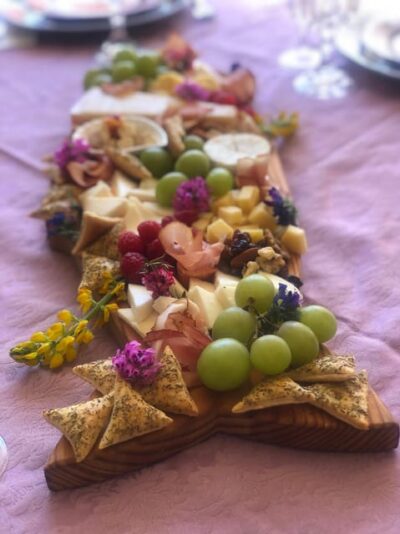
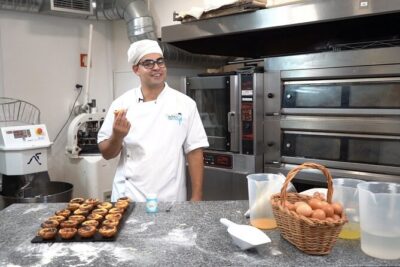
Pastel de Nata Masterclass at a Real Bakery in Downtown Lisbon
Read our review →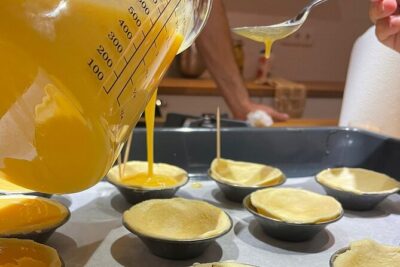
Pastel de Nata Pastry Class: Bake and Enjoy Your Own Treats
Read our review →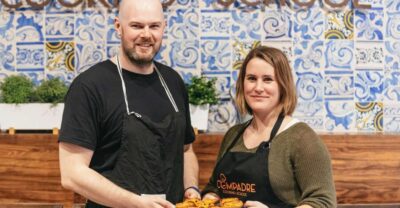
Lisbon Portuguese Cooking Class with 3-Course Dinner
Read our review →
Traditional Portuguese Cooking Class in Lisbon
Read our review →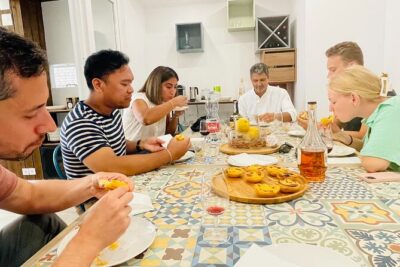
Browse the lists this tour appears in