

Reviewed · MUSEUMS
Lisbon Gulbenkian Museum & City PRIVATE TOUR with Private Guide
The best part of this private Lisbon tour is the change of pace. You begin above the city at Parque Eduardo VII, stroll through the Gulbenkian gardens, then finish among Rembrandt, Monet, Rodin, Gainsborough, and art from China, Japan, Egypt, and elsewhere. I like the private format and the calm garden setting. The main drawback is that the 107-dollar price does not include the museum ticket, which costs another 10 euros per person in cash.
I also like the chance to shape the visit around your interests. Guides such as Antonio, Craig, and Arthur have been praised for clear explanations and flexibility, though your assigned guide may be someone else. Plan on about two hours, with the possibility of a longer visit, and remember that the tour ends at the museum rather than returning you to your hotel.
Key points
- A three-part route: Begin with Lisbon views at Edward VII Park, continue through the Gulbenkian gardens, and end inside the museum.
- A private guide: Only your party takes part, so you can ask questions and request more time with favorite works.
- A wide-ranging collection: Expect European paintings and sculpture alongside art from Asia, China, Japan, and Egypt.
- A peaceful garden stop: The Gulbenkian grounds offer a quiet break from central Lisbon streets.
- Extra cost to budget: Museum entry is not included and must be paid directly to the host in cash, 10 euros per person.
- A useful guide choice: This suits people who want explanation and conversation rather than a large group moving at a fixed pace.
Lisbon has no shortage of grand viewpoints, tiled streets, and famous monuments. Yet the Gulbenkian Museum offers something different: a thoughtful private collection in a quiet setting, with enough variety to hold the attention of serious art fans and casual visitors alike.
This experience links three stops that work well together. Edward VII Park gives you a broad view over Lisbon. The Gulbenkian gardens slow the pace and provide a little breathing room. The museum then supplies the real focus, with works from several centuries and many parts of the world.
At $107, the tour costs more than a standard group walk. You are paying for a private guide, a personalized route, and a visit that can respond to your interests. The museum admission is separate, so two people should budget an additional 20 euros in cash. For a couple, family, or small group that values personal attention, the added cost can make sense. If you mainly want to wander through the collection alone, buying an entry ticket without a guide may be the better value.
Starting Above Lisbon at Parque Eduardo VII
The tour begins at Alameda Cardeal Cerejeira, near Edward VII Park. The park is known for its long view across Lisbon, and the first half hour gives you a useful sense of the city’s layout before you look at a single painting.
This stop is more about orientation than sightseeing in depth. You get a broad vista and a chance to see how Lisbon rises and falls across its central districts. Your guide can use the view to place the museum within the city, making the rest of the walk easier to understand.
I like this opening because it prevents the museum visit from feeling sealed off from Lisbon. You start with the city itself, then move into a cultural site that has its own secluded mood. It also gives your guide time to learn what interests you. If you care most about painting, sculpture, Asian art, or garden design, say so early.
The park stop is free, but it does require walking. Anyone with limited mobility should ask about the route before booking, since the experience includes outdoor stops and movement between the park, gardens, and museum. The tour is described as suitable for most people and close to public transportation, but hotel pickup and drop-off are not included.
More Museums in Lisbon:
- Lisbon: Luz Stadium Tour & SL Benfica Museum Ticket w/Scarf
★ 4.7 · 3,264 reviews - Lisbon: National Tile Museum Entry Ticket
★ 4.6 · 868 reviews - Lisbon: Banksy Museum Permanent Exhibition Entry Ticket
★ 4.7 · 506 reviews
A Quiet Walk Through the Gulbenkian Gardens
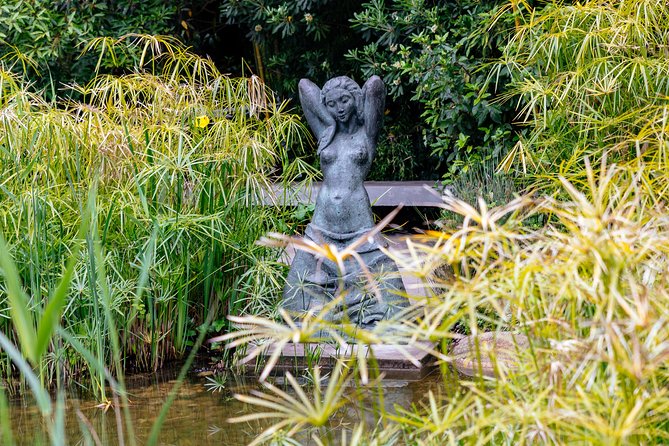
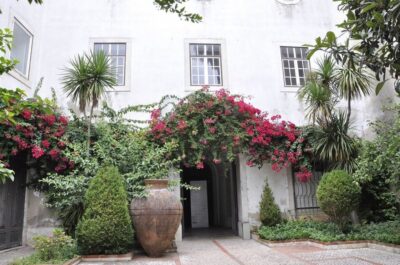
From Edward VII Park, the experience continues to the Jardim Gulbenkian. These gardens are not simply a path leading to the museum. They are a central part of the visit, with a distinctly calm feel that contrasts with Lisbon’s busy streets.
The grounds are described as belonging to a thermo-Mediterranean climate region and as being fitted into the Portuguese setting. In practical terms, you can expect planted areas, water, shaded corners, and a route designed for looking around rather than rushing from one building to another. The scheduled time is about 45 minutes.
The garden makes a good middle section. After the open city view, you move into a more enclosed space. Then, after the garden, the museum gives the tour a sharper focus. That rhythm is one reason this outing works better than a museum-only visit for anyone who wants a little variety.
I would not treat the garden stop as filler. A private guide can explain how the grounds relate to the foundation and museum, and you have room to pause. One highly praised guide, Antonio, was especially appreciated for giving enough information while still allowing quiet time to take in the setting. That balance matters. A guide who talks without pause can make even a beautiful garden feel like a classroom.
The garden admission is listed separately from the museum admission, and the supplied details indicate that entrance fees are paid directly to the host in cash. Budget for 10 euros per person for the museum ticket, and bring the correct amount if possible. The tour price itself does not cover this fee.
Inside the Calouste Gulbenkian Museum
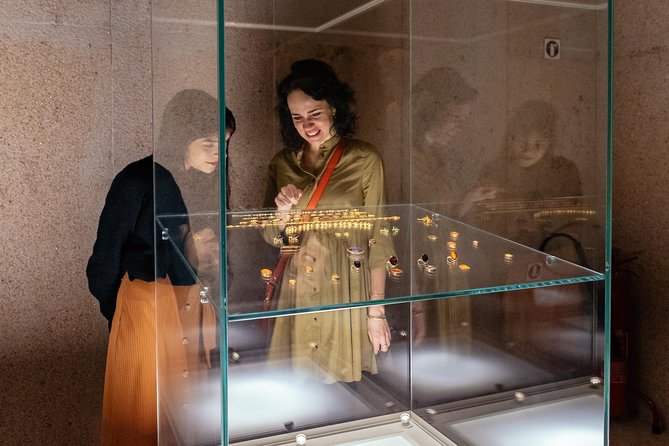
The final stop is the reason most people book. Calouste Gulbenkian, an Armenian billionaire and collector, assembled the collection that forms the heart of the museum. It reaches across regions and periods, so you are not limited to one national school or a single style.
The European collection includes names such as Rembrandt, Rubens, Monet, Degas, Gainsborough, and Rodin. That is a strong lineup, but the museum’s appeal goes beyond famous European artists. The collection also includes works connected with Asia, China, Japan, and Egypt.
I like this range because it rewards different kinds of curiosity. You can spend time with familiar names, then turn toward objects and art traditions you may know less well. A good guide helps connect those rooms without flattening them into a list of dates and names.
The museum visit is scheduled for roughly 45 minutes. That is enough for a guided introduction, but it is not enough to examine every section in detail. If you are an art specialist or already know the collection, you may want to ask whether the guide can focus the visit around a few periods or artists. The private format makes that request more realistic than it would be in a large group.
If you are new to art museums, the guide can help you avoid the common problem of seeing a famous name and moving on without understanding why the work matters. Antonio has been praised for explaining both the museum’s story and the objects on display. Craig has been noted for adapting the route to personal interests. Arthur has also been praised for his explanations of the exhibits and the grounds.
Those names are useful examples of the level of guiding you can hope for, but they are not a promise that one of them will lead your tour. Guide assignments can vary. The quality of the experience depends heavily on who meets you, so it is sensible to make your interests clear at the start.
Why a Private Format Matters Here
A private tour changes the museum from a fixed presentation into a conversation. You can ask why a work was collected, request more time in a particular room, or tell the guide that you would rather hear about Asian art than move quickly through every European artist.
The format is especially useful for families, couples, and small groups with mixed interests. One person can focus on paintings while another asks about the gardens or the history of the foundation. You are not waiting for a large group to gather at every stop.
There is also a practical benefit: the guide can adjust the level of detail. A visitor with a strong art background may want fewer basic explanations. Someone visiting a museum of this type for the first time may need a simple introduction to the collection and its major names.
The private format does not guarantee a perfect tour. One poor experience associated with this activity involved a guide who did not provide the expected museum visit, leaving the participant feeling led around without useful art commentary. That is a serious warning, especially because museum entry is extra and the main reason to book is access to the collection with proper guidance.
The provider responded with an apology and said the matter would be investigated. Most of the named guide feedback is strongly positive, but I would still recommend confirming at the beginning that the plan includes entry into the museum and a proper art-focused visit. A simple question can prevent confusion: how much time will we spend inside, and can we focus on the collection?
More Private in Lisbon:
- True 4Hour Private Tuk Tuk Tour: Discover Lisbon with a Local!
★ 5.0 · 8,008 reviews - Lisbon: Private Guided Tuk-Tuk Tour with Hotel Pickup
★ 4.9 · 4,552 reviews - Private Lisbon Sightseeing Tuk-Tuk Tour: Alfama, Belém & More
★ 5.0 · 4,277 reviews - Lisbon Highlights: Private Tuk Tuk Tour Adventure Sightseeing
★ 5.0 · 3,284 reviews
Timing, Walking, and What the Two Hours Really Means

The published schedule adds up to approximately two hours:
- 30 minutes at Edward VII Park
- 45 minutes in the Gulbenkian gardens
- 45 minutes in the museum
That is a compact route. It gives you a clear introduction, not a full day at the foundation. Some descriptions of the experience refer to spending two to three quiet hours in the area, and a guide may be generous with time if the schedule allows. Still, you should treat two hours as the safe planning figure.
The tour begins at Edward VII Park and ends at the Gulbenkian Museum on Avenida de Berna. Since hotel transportation is not included, plan your route to the meeting point and your onward journey from the museum. The location is near public transportation, which helps, but the supplied details do not specify a particular bus, tram, or metro connection.
Wear comfortable shoes. The route includes an outdoor park, gardens, and a museum visit. You do not need to prepare for a strenuous hike, but this is not a seated museum tour from start to finish.
Several tour times are available, which is useful if you are fitting the visit around lunch, other sights, or an evening reservation. A morning slot may suit people who want a quiet start. An afternoon time can work well if you want to pair the museum with other central Lisbon plans. The exact available times should be checked when booking.
Price, Ticket Cost, and Overall Value
The listed price is $107 for the private experience. That figure covers the private guide, the private format, and a carbon-neutral experience. It does not cover the museum entrance fee, which must be paid directly to the host in cash at 10 euros per person.
The value depends on your group size. For one person, $107 plus admission is a substantial outlay for about two hours. For two people, the cost becomes easier to justify because you are sharing the private guide. For a family or small group, the private setup may compare favorably with buying several separate guided admissions, although the exact comparison depends on each person’s ticket price.
You are also paying for efficiency. A guide can point you toward the key parts of a large collection rather than leaving you to guess where to start. If your time in Lisbon is short, that can be valuable. If you already know the museum well, or if you prefer to read labels and set your own pace, the premium may not be worthwhile.
The carbon-neutral designation will appeal to people who want that consideration built into their booking. It does not change the route or reduce the entry fee, but it is part of what the experience includes.
The strict cancellation rule deserves attention before you pay. The booking is non-refundable and cannot be changed for any reason. If your schedule is uncertain, this is not a flexible choice.
Who Will Enjoy This Lisbon Tour Most?

I would recommend this experience to you if you:
- Want a private guide rather than a large group
- Like art but want help choosing what to see
- Enjoy combining city views, gardens, and indoor culture
- Have roughly two hours available
- Are happy to pay the museum admission separately in cash
- Prefer a flexible conversation to a fixed speech
It is also a good choice for a first visit to the Gulbenkian Museum. The collection covers a lot of ground, and a clear introduction can give you a framework for returning later on your own.
I would be more cautious if you want a long museum session. Forty-five minutes inside is a starting point, not a complete survey of the collection. You should also think twice if you dislike paying an extra cash fee or if you need hotel transportation.
Guide quality is the biggest variable. Antonio, Craig, and Arthur have each been praised for art knowledge, pleasant company, and flexibility. Antonio in particular has been described as generous with his time and good at finding the right balance between explanation and independent looking. Those are exactly the qualities you want in a private museum guide.
Should You Book the Gulbenkian Private Tour?
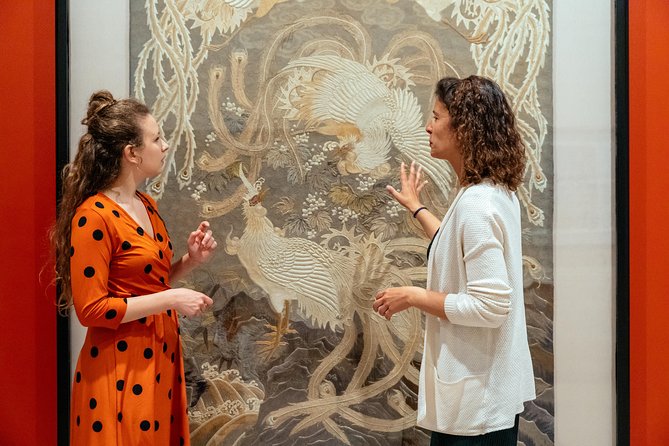
Book it if you want a compact introduction to one of Lisbon’s finest collections, with a peaceful garden and a city viewpoint folded into the same outing. The private format is the main advantage, especially if you want to ask questions or focus on particular artists.
Skip it if you only want museum entry, need a longer art visit, or are uncomfortable with the non-refundable booking rule and extra cash admission. Before the tour begins, confirm the museum portion, tell the guide what you want to see, and budget the additional 10 euros per person.
For the right group, this is a smart way to spend a quiet couple of hours in Lisbon. Just remember that the guide, not the ticket alone, is what makes the $107 price worthwhile.
FAQ
Where does the tour begin?
The tour begins at Alameda Cardeal Cerejeira, 1070-051 Lisboa, Portugal, near Parque Eduardo VII.
Where does the tour end?
It ends at the Calouste Gulbenkian Museum, Avenida de Berna 45A, 1067-001 Lisbon.
How long does the experience last?
The scheduled duration is approximately two hours, including 30 minutes at Edward VII Park, 45 minutes in the Gulbenkian gardens, and 45 minutes inside the museum.
Is the museum entrance included?
No. Museum entrance is paid separately and costs 10 euros per person. The fee must be paid directly to the host in cash.
Is this a private tour?
Yes. Only your party participates, and the experience includes a private guide.
Does the tour include hotel pickup and drop-off?
No. Hotel pickup and drop-off are not included.
Is the tour close to public transportation?
Yes. The experience is described as being near public transportation.
Can the tour be canceled for a refund?
No. The experience is non-refundable and cannot be changed for any reason after booking.
Just reviewed in Lisbon
- Private tour Lisbon – full day★ 5.0 · 8 reviews
- Private Tour: Portuguese Food and Wine Tour★ 5.0 · 33 reviews
- Lisbon Football Experience – Private stadium and Museum Tour★ 4.0 · 10 reviews
- Lisbon and Sintra Essence 8H – Private Tour★ 5.0 · 5 reviews
- Private Tour: Lisbon Sunset Walking Tour with Fado Show and Dinner★ 5.0 · 30 reviews
- Private Catamaran Tour: Lisbon coast cruise with barbecue and drinks★ 5.0 · 20 reviews
- Lisbon: Helicopter Tour over Cascais & Cabo da Roca★ 5.0 · 4 reviews
- Private Tour Fátima – Nazaré – Batalha – Óbidos★ 5.0 · 6 reviews
Museums, compared.
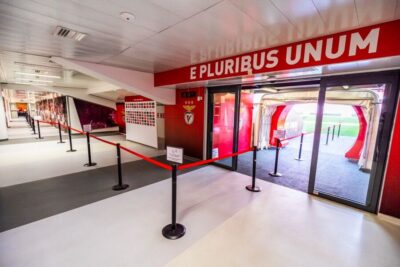
Luz Stadium Tour & SL Benfica Museum Ticket w/Scarf
Read our review →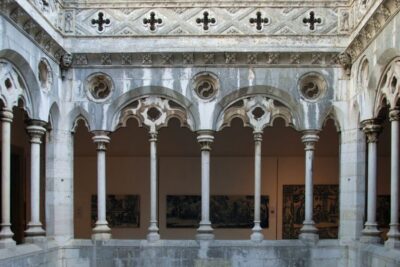

Banksy Museum Permanent Exhibition Entry Ticket
Read our review →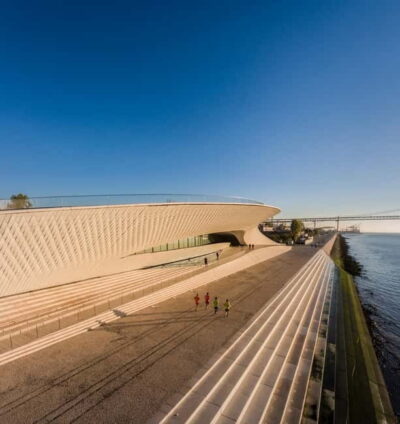

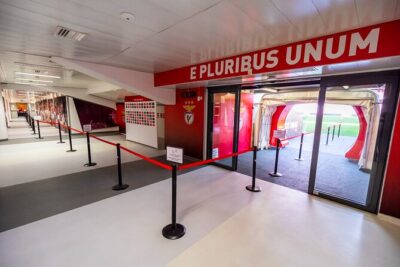
Lisbon SL Benfica Stadium & Museum Tour with Scarf
Read our review →
Browse the lists this tour appears in