
Reviewed · LISBON COOKING CLASSES
Private Lisbon Market Tour & Portuguese Cooking Class with Paula
The most interesting part of this experience is that it takes you out of central Lisbon and into Almada, across the Tagus. After a short ferry ride, Paula meets you in Cacilhas and leads you through the local market before welcoming you into her home kitchen. You are not just watching a chef work. You are shopping, chopping, cooking, and eating together.
I like the private format, which lets Paula adjust the menu to your group and include children, experienced cooks, or complete beginners. I also like the unusual Portuguese-Goan link, with dishes such as cod fritters, Goan bojas, bacalhau, fish curry, and pastel de nata. The main consideration is that this is a real home, not a polished cooking school: Paula has a cat, lives with family, and the apartment may feel cluttered.
Key points to know before booking
- A quick ferry ride adds a local side trip: Cross from Cais do Sodré to Cacilhas in roughly 7 to 10 minutes, with fine views of the Tagus and Lisbon’s waterfront.
- Paula meets you personally: She walks with you from the ferry stop through central Cacilhas to the covered market and her nearby home.
- You help choose the meal: The menu can include two appetizers, a Portuguese or Goan main dish, dessert, and coffee or tea.
- The class is genuinely private: Only your own group takes part, so the pace and food choices can be adjusted.
- The setting is informal: Cooking takes place in Paula’s apartment kitchen or in her cooking studio across the street, rather than a commercial school.
- The price reflects time and personal attention: At $99 per person for about 4.5 hours, the value depends on how much you want conversation, local contact, and hands-on cooking.
Crossing the Tagus to Cacilhas
Your morning begins at 10:00 a.m. at the Cacilhas ferry terminal, listed at Largo Alfredo Dinis in Almada. The simplest approach is to take the ferry from Cais do Sodré in Lisbon. The ride takes about 7 to 10 minutes, depending on the service and timing, and it gives you a useful first look at the riverfront from the water.
This short crossing matters because the experience changes character as soon as you leave the usual Lisbon sightseeing circuit. You are heading to a working neighborhood rather than another major monument. The ferry is also easy to fit into a Lisbon day, especially if you are staying near the Baixa, Chiado, or Cais do Sodré areas.
Paula meets you at the ferry stop in Cacilhas. That personal welcome is helpful because the meeting point is across the river, not in central Lisbon. You then walk for about 10 minutes through the center of town toward her apartment, with Paula pointing out local places and sharing stories about the area.
Several parts of the walk may feel more valuable than a standard transfer. Paula has lived and shopped in the neighborhood for decades, and she knows the people along the route. The walk can include waterfront sights and reminders of Almada’s past fish-related businesses, followed by the more everyday streets around the market.
Wear comfortable shoes. The walk itself is not long, but this is a morning spent moving through a neighborhood, shopping, and cooking rather than sitting in one place.
More Lisbon Cooking Classes:
- Lisbon: Pastel de Nata Baking Class
★ 4.9 · 2,106 reviews - Lisbon: Traditional Portuguese Cooking Class
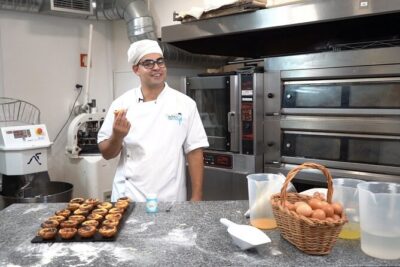
★ 4.9 · 592 reviews - Pastel de Nata Masterclass at a Real Bakery in Downtown Lisbon
★ 5.0 · 491 reviews
Shopping in Paula’s longtime market
The market is only a few meters from Paula’s apartment, so the tour moves naturally from neighborhood walk to food shopping. Paula takes you through the covered market where she has bought ingredients for many years. The point is not simply to admire food displays. You help select what will become lunch.
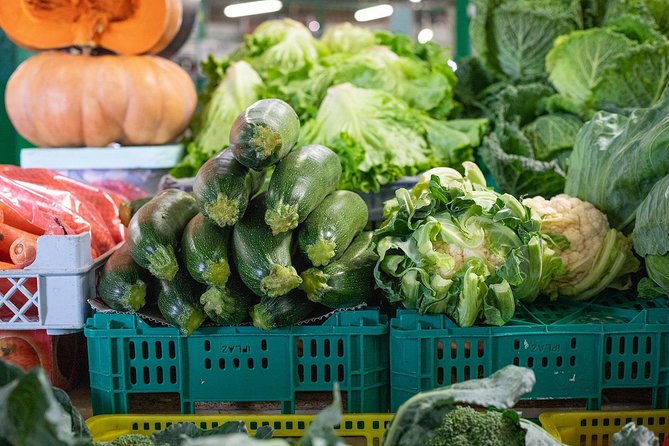
Depending on the menu, that can mean choosing fish, shellfish, produce, fruit, herbs, or other ingredients. One useful lesson is learning how to judge seafood. Paula has shown visitors how to spot bad clams, and the market visit can give you a clearer sense of how Portuguese home cooks select the raw materials for a meal.
The market also gives you a chance to see the social side of food shopping. Paula knows the stallholders, and the visit can feel like accompanying a local resident rather than following a guide through a set tourist stop. That contact with vendors and neighborhood routines is one of the strongest reasons to choose this experience over a cooking class held in a restaurant.
Keep your expectations realistic. This is a local covered market, not a grand food hall designed for sightseeing. One person found the market dirty and under-serviced, so conditions may not match the neat, photo-ready markets found in other European cities. If you enjoy seeing ordinary neighborhood life, that roughness may add to the experience. If you want a pristine culinary venue, it may disappoint.
Cooking in a real home kitchen
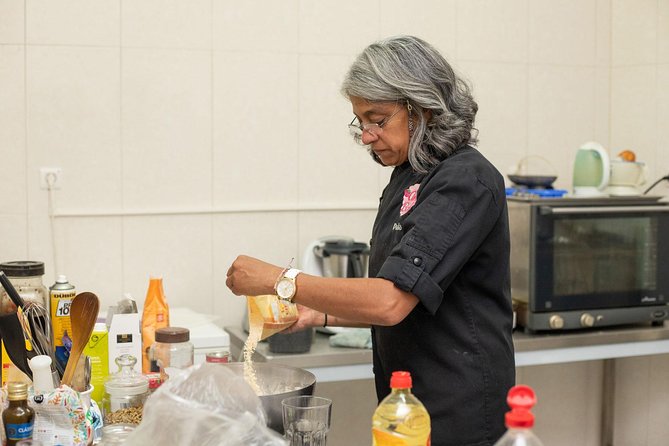
After shopping, you go to Paula’s apartment, where you learn to prepare two or three dishes. Paula may also use her cooking studio table across the street, giving the group more room to work and eat. The exact setup depends on the day and the size of your group.
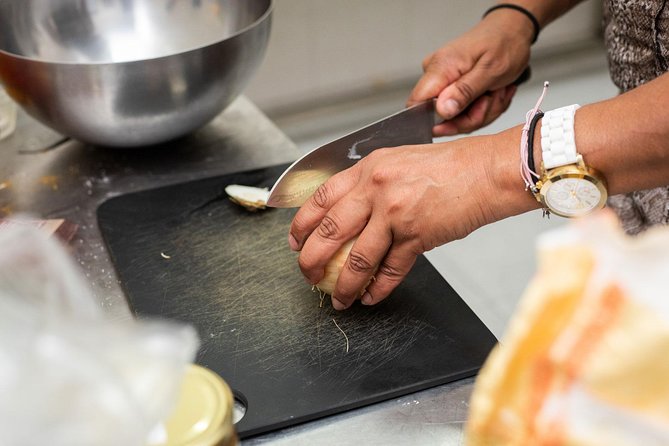
This is an in-home cooking and cultural experience, not a professional class with individual workstations, printed uniforms, or restaurant-style service. You should expect a relaxed, conversational format. Paula demonstrates techniques, assigns tasks, and adjusts the cooking to your interests and skill level.
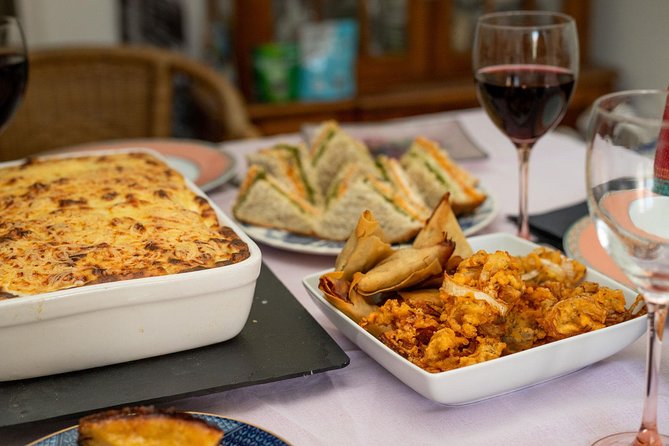
The planned format generally includes two appetizers. One is often pataniscas de bacalhau, traditional Portuguese cod fritters. Another possible dish is Goan bojas, gram-flour fritters made with onion and cumin seeds. These dishes make a good pair because they show two sides of the experience: familiar Portuguese cod cookery and the Indian influence found in Goan food.
The main course is usually your choice between Portuguese and Goan cooking. Possibilities include bacalhau à brás, bacalhau com natas, or a Goan curry such as crab or fish curry. Some groups have cooked fish with basmati rice, chorizo, clams, or other dishes selected around the market ingredients.
That flexibility is a real advantage. If you have already eaten plenty of cod, you can ask about a Goan main. If you want a classic Portuguese meal, you can choose a cod dish and focus on local technique. Paula can also work around dislikes and food preferences, but you should contact her directly on WhatsApp before the experience if the menu matters to you.
The teaching appears to cover more than a recipe card. You might learn how to whisk more effectively, work with puff pastry, cook fish in salt, make custard, or recognize fresh seafood. Pastry is one of Paula’s particular strengths, and pastel de nata is often part of the cooking or dessert portion.
Do not expect every session to run like a timed television demonstration. The relaxed pace is part of the appeal, but it can also create some disorder. One person felt that Paula was catering for other people during the visit and that the class became rushed and unfocused. Since the experience takes place in her home, the day may be less controlled than a formal school class.
Portuguese and Goan food on the same table
The menu is the heart of this experience. Portuguese cuisine is often associated with cod, pastries, seafood, olive oil, and simple dishes that depend on good ingredients. Goan cooking adds another layer, with spice blends, fish, crab, coconut, and techniques linked to Paula’s background and family traditions.
The result is more interesting than a standard lesson in one national cuisine. You might begin with cod fritters, move to Goan bojas, cook a fish curry, and finish with pastel de nata. Or you might focus more closely on Portuguese food, preparing bacalhau com natas or another cod dish.
The sample menu includes pataniscas de bacalhau, Goan bojas, bacalhau com natas or Goan crab curry, and dessert. Actual dishes can change according to your choices and what is available at the market. That flexibility makes it wise to discuss the menu in advance rather than assume every sample dish will appear.
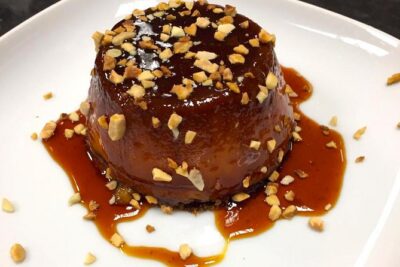
The desserts can be a highlight. Paula has received especially strong praise for pastel de nata and custard preparation. You may learn how the custard is made and how pastry is handled, then eat the result at the end of the meal.
The shared meal is not an afterthought. Once the food is ready, you sit with Paula at her dining table or at the cooking studio table across the street. Coffee or tea follows dessert. Wine may also be part of the meal, although it is not specified as a fixed inclusion, so ask Paula if that matters to you.
This communal ending gives the experience a social rhythm. You have already walked together, shopped together, and cooked together. The meal lets the conversation continue, often turning toward Paula’s family, Portugal, Goan food, and daily life in Almada.
More Markets in Lisbon:
- Lisbon Market and Food Tour with Cooking Class and Lunch
★ 5.0 · 117 reviews - Lisbon: Local Market, Food, and Culture Walking Tour
★ 4.7 · 40 reviews - Setúbal: Winery & Fish Market Tasting Tour from Lisbon
★ 5.0 · 35 reviews - Market Tour, Cooking Class And Lunch At Mercado de Arroios
★ 5.0 · 23 reviews
What the private format changes
A private booking works best when your group wants to shape the morning. You can ask for Portuguese dishes, Goan food, or a mixture of both. You can also explain allergies, dislikes, dietary limits, or children’s needs before arriving.
Families may find this easier than a fixed group class. Paula has been praised for including children in the cooking and making sure everyone has a task. The private setting also allows a slower explanation when someone wants to understand a technique, or a faster pace when the group already cooks often.
Experienced home cooks should not assume the class will be too basic. Useful lessons can include pastry handling, custard, seafood selection, and cooking fish in salt. At the same time, the teaching style is informal, so you may not receive a formal sequence of written instructions for every dish.
The private format also means the quality of the day depends heavily on communication. Send Paula a WhatsApp message before the tour with your menu wishes and meeting questions. This is especially important because the tour crosses the river and the available dishes can depend on the market.
Home comfort, cat, and expectations
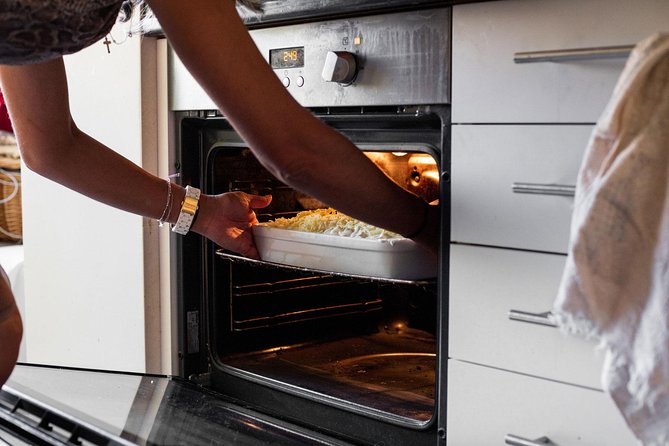
The home setting is both the charm and the main caution. You are entering Paula’s family home, not a staged cooking studio. She has a cat, and because she lives with family, the apartment may be cluttered.
For some people, this makes the meal feel personal and unvarnished. You get a glimpse of how a local cook actually works, rather than standing behind a spotless demonstration counter. For others, cleanliness and order are central to enjoying a cooking class. One negative account described the apartment as dirty and felt that the cat dominated the space.
I would treat this as an important booking decision. If you want an informal visit with a warm host and do not mind a lived-in setting, the apartment is part of the experience. If you expect a professional kitchen with hotel-level presentation, choose a conventional cooking school instead.
There is also a practical issue with focus. The experience can run longer than the advertised four and a half hours, particularly when conversation continues or Paula adds shopping help and extra advice. That may be welcome if you have time. It can be inconvenient if you have a tight afternoon plan.
Is $99 per person a fair price?
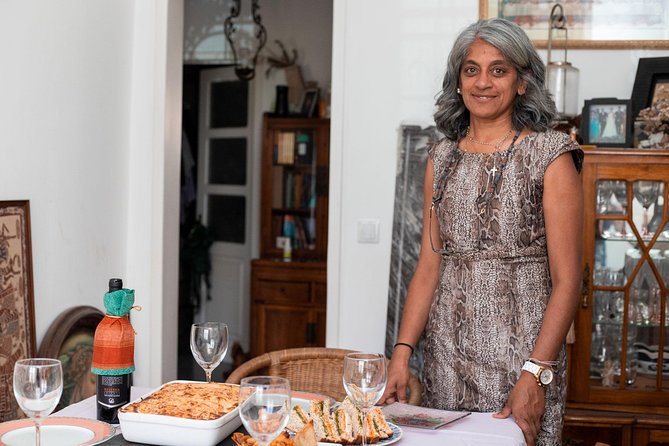
The cost is $99 per person, with group discounts available. On paper, that is more than you would pay for a simple market visit or a restaurant lunch. The value comes from combining several elements: ferry travel, a private neighborhood walk, market shopping, hands-on cooking, a multi-course meal, dessert, and several hours of Paula’s attention.
I think the price makes sense for a couple, family, or small private group that wants personal contact. You are paying for flexibility and time, not just food. The chance to choose between Portuguese and Goan dishes adds value, as does the fact that the experience is private rather than shared with strangers.
The calculation is less favorable if you only want to eat a good Portuguese meal. Lisbon has many restaurants where $99 per person can buy a substantial meal, and this activity requires active participation. You will not simply sit back while someone else cooks.
For the right person, the most valuable part may be what you take home: techniques for cod, fish, pastry, custard, seafood selection, or Goan spice combinations. The meal disappears, but the cooking ideas remain useful.
Who will enjoy this most?
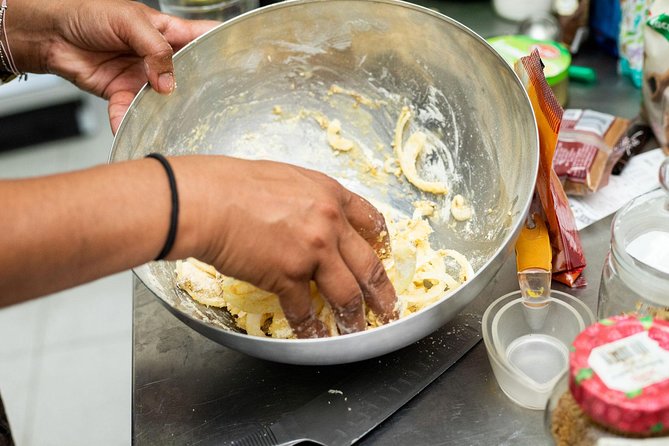
I would choose this experience if you want food and conversation together. It suits people who prefer a local neighborhood to a standard sightseeing route and who enjoy asking questions as they cook.
It is especially good for:
- Couples seeking a private, personal activity
- Families with children who can take part in simple cooking tasks
- Home cooks interested in Portuguese seafood or Goan cuisine
- Repeat visitors who have already covered Lisbon’s main sights
- Anyone who enjoys markets, local stories, and long shared meals
It is less suitable if you need a polished professional kitchen, strict timing, or a fixed menu. It may also be a poor fit if you dislike cats, clutter, or informal home settings.
The experience is offered in English and lasts about 4 hours and 30 minutes. It ends back at the Cacilhas meeting point. Service animals are allowed, and public transportation is nearby, but you should still confirm your specific needs with Paula before booking.
Cancellation and booking advice
You receive confirmation when you book, and free cancellation is available up to 24 hours before the 10:00 a.m. start time. Changes or cancellations made within 24 hours are not accepted for a refund.
Because the group is private, book well ahead if your Lisbon dates are fixed. This experience is often reserved about 45 days in advance. Before paying, send Paula a WhatsApp message about allergies, seafood preferences, the Portuguese or Goan menu, and any question about the meeting location.
Should you book Paula’s Almada cooking experience?
Book it if you want a personal day built around food, not a formal lesson. The ferry crossing, market visit, and home meal create a different rhythm from central Lisbon sightseeing, and Paula’s warmth is a major part of the experience.
Skip it if you want polished facilities, exact timing, or a guaranteed restaurant-style environment. The apartment may be cluttered, the market may feel rough around the edges, and the cooking can become informal or uneven.
For most people who enjoy local contact and hands-on cooking, the mix of Portuguese and Goan food makes this a memorable use of half a day. Just arrive with flexible expectations, confirm your menu in advance, and leave enough room in your schedule for the conversation to continue.
FAQ
Where does the experience begin?
It begins at Dá Cacilhas, Largo Alfredo Dinis, 2800-252 Almada, Portugal, at 10:00 a.m.
How do I get to the meeting point from Lisbon?
You can take the ferry from Cais do Sodré to Cacilhas. The crossing takes roughly 7 to 10 minutes.
How long does the experience last?
The advertised duration is approximately 4 hours and 30 minutes.
Is this a private activity?
Yes. Only your own group participates.
What language is the experience offered in?
The experience is offered in English.
What food will I learn to cook?
You will learn to make two or three Portuguese and Portuguese-Goan dishes. Possible foods include cod fritters, Goan bojas, bacalhau dishes, Goan curry, and pastel de nata.
Can I choose the menu?
Yes. You can choose between Portuguese and Goan main dishes, and you should contact Paula directly on WhatsApp to discuss menu questions.
Where does the cooking take place?
Cooking takes place in Paula’s home kitchen. The group may also use her cooking studio table across the street.
Is this a professional cooking school?
No. It is an in-home cooking and cultural experience with a local host, not a class in a commercial cooking school.
Is there a cancellation policy?
You can cancel up to 24 hours before the start time for a full refund. Cancellations or changes made less than 24 hours before the experience are not accepted for a refund.
More Shopping Tours in Lisbon
- Outlet Shopping Freeport from Lisbon
★ 3.5 · 32 reviews - Market Tour and Portuguese Cooking Class in Lisbon with Cristina
★ 5.0 · 4 reviews - Portuguese Cooking Class at local market
★ 5.0 · 3 reviews
Just reviewed in Lisbon
- Private tour Lisbon – full day★ 5.0 · 8 reviews
- Private Tour: Portuguese Food and Wine Tour★ 5.0 · 33 reviews
- Lisbon Football Experience – Private stadium and Museum Tour★ 4.0 · 10 reviews
- Lisbon and Sintra Essence 8H – Private Tour★ 5.0 · 5 reviews
- Private Tour: Lisbon Sunset Walking Tour with Fado Show and Dinner★ 5.0 · 30 reviews
- Private Catamaran Tour: Lisbon coast cruise with barbecue and drinks★ 5.0 · 20 reviews
- Lisbon: Helicopter Tour over Cascais & Cabo da Roca★ 5.0 · 4 reviews
- Private Tour Fátima – Nazaré – Batalha – Óbidos★ 5.0 · 6 reviews
Lisbon Cooking Classes, compared.
Pastel de Nata Masterclass at a Real Bakery in Downtown Lisbon
Read our review →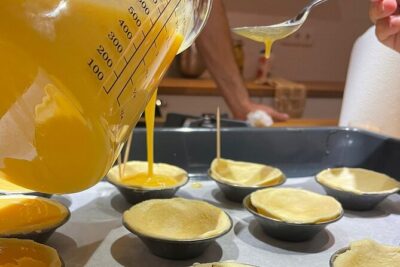
Pastel de Nata Pastry Class: Bake and Enjoy Your Own Treats
Read our review →
Lisbon Portuguese Cooking Class with 3-Course Dinner
Read our review →
Traditional Portuguese Cooking Class in Lisbon
Read our review →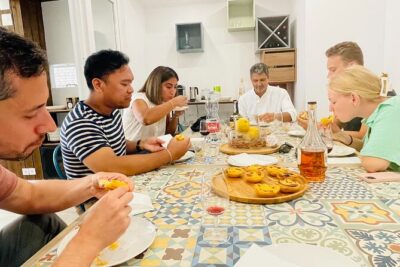
Browse the lists this tour appears in