
Reviewed · LISBON COOKING CLASSES
Lisbon: Pastel de Nata Baking Class
The best part of this Lisbon class is that you do not just eat a pastel de nata, you learn why its flaky shell and soft custard work together. You handle the dough, prepare the filling, shape the pastry, and taste the result fresh from the oven.
I like the hands-on format, which gives you a real recipe and useful baking practice instead of a simple demonstration. I also like the Portuguese drink tastings, especially the chance to pair the pastries with coffee, Porto wine, and ginjinha. The main thing to consider is the location: Homecooking Lisbon HUB is not right in the center, so plan extra time for getting there.
Key points at a glance
- You make the pastry yourself: The class covers dough, custard, shaping, filling, and baking.
- Local drinks are part of the experience: Expect homemade juice, coffee, water, Porto wine, and a ginjinha tasting.
- English instruction is provided: Instructors such as Marta, Bea, Miyuki, Miguel, and Pedro have led sessions.
- It suits beginners: Ingredients are prepared in advance where helpful, and the chef explains why.
- The finished tarts are served warm: You eat your own pastel de nata after baking, and some sessions allow you to take extras away.
- Plan transport carefully: The meeting point is outside central Lisbon, with a bus stop nearby and taxis a practical option.
Arriving at Homecooking Lisbon HUB
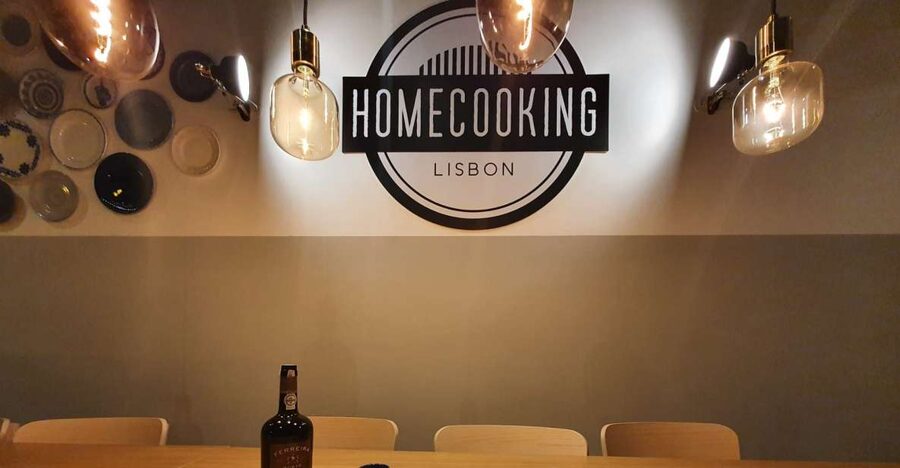
Your class begins at Homecooking Lisbon HUB in the Lisbon District. The kitchen has been described as clean, modern, welcoming, and easy to find, with a bus stop directly outside according to one attendee.
This is not a central Baixa sight that you can casually fit between two nearby monuments. If you are staying in central Lisbon, allow time for the trip. A taxi may be the simplest choice, and one person found it convenient and inexpensive. Check the exact route and starting time before leaving your hotel, especially if you have booked a morning or early afternoon session.
The meeting point matters because a cooking class works best when you arrive calm and on time. You do not want to begin by rushing through unfamiliar streets with flour on your mind and the clock against you.
The class lasts two hours. That is a useful length for a food activity in Lisbon: long enough to learn the important steps, but short enough to fit beside sightseeing, a museum visit, or an evening meal.
More Lisbon Cooking Classes:
- Lisbon: Traditional Portuguese Cooking Class
★ 4.9 · 592 reviews - Pastel de Nata Masterclass at a Real Bakery in Downtown Lisbon
★ 5.0 · 491 reviews - Pastel de Nata Pastry Class: Bake and Enjoy Your Own Treats
★ 5.0 · 485 reviews
The first taste of Portuguese pastry culture
The chef begins with an introduction to pastel de nata and its place in Portuguese food culture. You learn about the pastry’s origins and the traditional method before getting to work.
This opening gives the dessert some context. Pastel de nata can look simple in a bakery case, but its texture depends on several small details: a crisp pastry shell, a creamy custard, and enough heat to brown the top without ruining the filling.
The instructors are also a big part of the class. Names reported for different sessions include Marta, Bea or Beatrice, Miyuki, Miguel, Pedro, and Rachel. Their styles vary, but the consistent strength is clear instruction delivered with patience and humor.
You can ask questions as you go, and the chef or assistant helps keep everyone on track. That is particularly useful if you have never worked with pastry before. You do not need professional baking experience to take part.
Working the dough by hand
The most tactile part of the class is handling the pastry. You feel the dough soften beneath your fingers and learn how it must be shaped for the familiar layered shell.
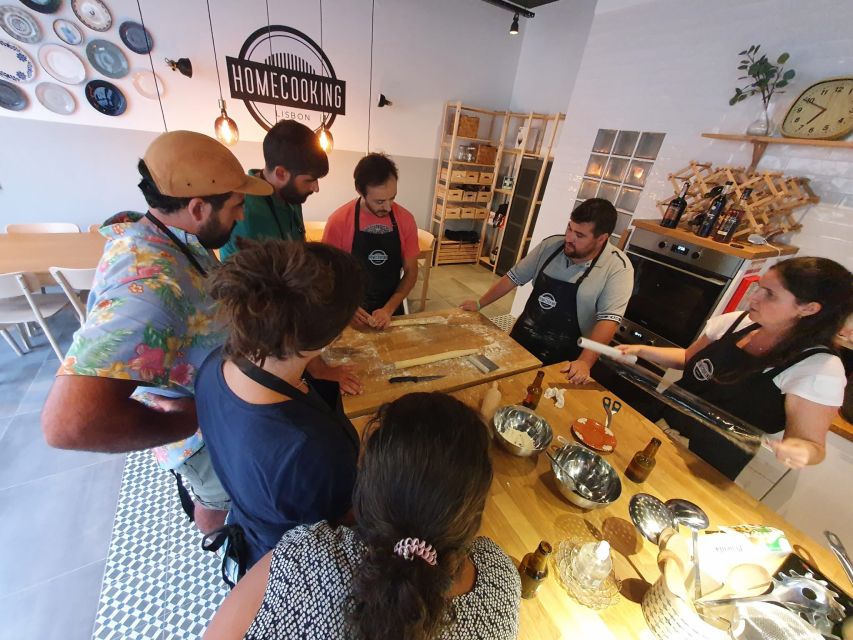
The class is not only a demonstration. You and your partner take part in the preparation, although some ingredients are measured in advance. That preparation keeps the two-hour schedule under control and lets the instructor focus on technique rather than watching everyone weigh flour and sugar.
One practical detail is that you may work in pairs. This can be fun if you arrive with a friend or partner, and it also gives solo participants a natural way to meet someone. If you come alone, you might be paired with another person in the group, so expect a social class rather than private instruction.
You will not necessarily make every component from absolute scratch. Some ingredients may be pre-measured, and certain steps may be prepared before you arrive. The instructor explains why this is necessary, which helps you understand the method without wasting the class on routine preparation.
The pastry work is where the class earns its keep. You are not simply handed a finished tart and told how it was made. You get a feel for the dough and learn the folding and shaping process that creates the delicate layers.
Making the custard filling
Next comes the custard, the sweet center that gives pastel de nata its character. The instructor explains the ingredients and shows you how the filling is prepared before it goes into the pastry shells.
The process is paced for beginners. Instructions are given step by step, and the chef checks that the group is following along. If you are unsure about a particular movement or consistency, this is the time to ask.
The food history adds value here. You are not just following a list of instructions. You learn how the pastry connects to Portuguese cooking and why the traditional approach matters. One session placed special focus on the traditional method rather than simply listing ingredients.
That distinction is useful if you hope to repeat the recipe at home. A recipe tells you what to add, but a good teacher also explains what the dough should feel like and what the filling should look like. Those judgments are difficult to pick up from a printed page alone.
Something different to do with a day in Lisbon:
- Lisbon City Center Tour – The Unmissable Lisbon
★ 5.0 · 22,234 reviews - Lisbon: Sintra, Pena, Regaleira, Cabo da Roca & Cascais
★ 4.7 · 19,656 reviews - Sintra: Pena Palace and Park Entrance Ticket
★ 4.2 · 17,410 reviews - Lisbon: Jerónimos Monastery Entrance Ticket
★ 4.1 · 14,164 reviews
Shaping, filling, and sending the tarts to the oven
Once the dough and custard are ready, you shape the pastry cases and fill them. This is the stage where the class becomes a little more precise, since the amount of filling and the shape of the shell affect the final result.
The chef or assistant is on hand to correct small mistakes. Several instructors, including Marta, Bea, and Miyuki, have been praised for staying attentive and helping participants keep pace. That hands-on support makes the experience friendly for people who rarely bake.
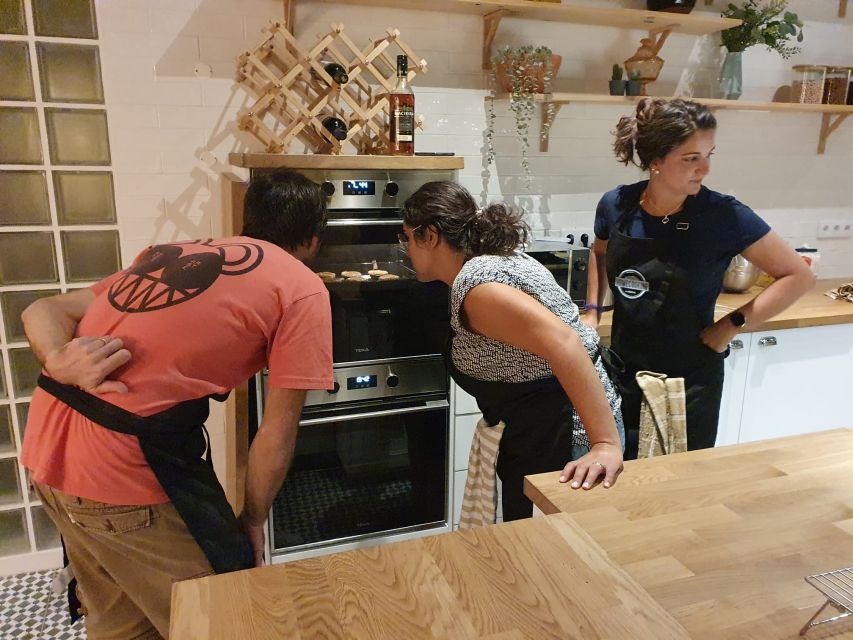
The kitchen then takes over for the final baking. Your pastries go into the oven, and the smell begins to change the whole room. The crisp shells and sweet custard become the reward for the work you have just done.
One limitation is that the oven stage is not fully in your hands. Participants have noted that the ingredients are measured in advance and that the instructors handle some of the oven work. That is sensible in a group class, but it means you should not expect a professional pastry-school lesson covering every technical detail.
Still, you have prepared the key parts yourself. You have handled the dough, shaped the shells, made the filling, and seen the process from beginning to end.
Fresh pastries, coffee, wine, and ginjinha
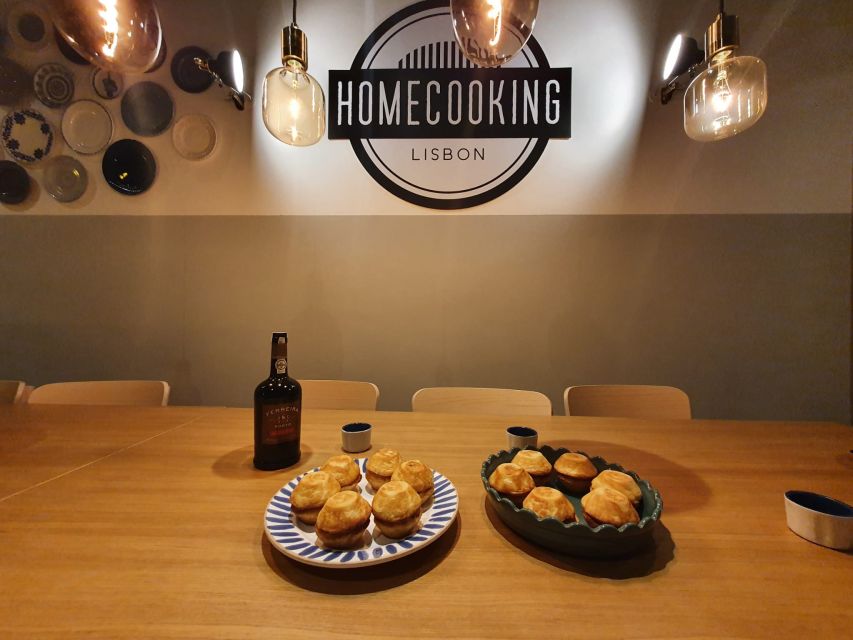
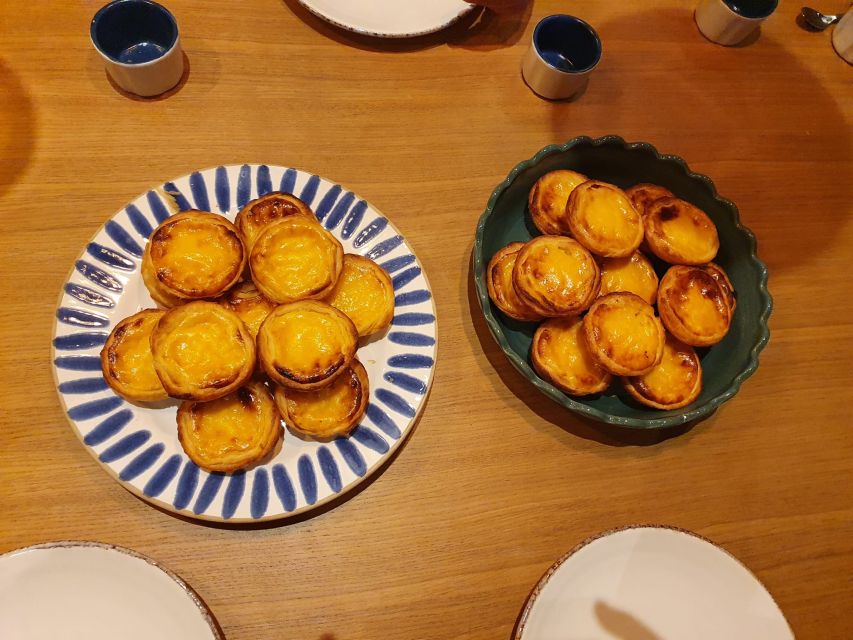
The final stage is the most immediately satisfying. You sit down with the pastel de nata you helped make and eat it fresh from the oven.
The class includes homemade juice, coffee, water, Porto wine, and a ginjinha tasting. Ginjinha is a Portuguese sour-cherry liqueur, and its sweet, fruity flavor makes a natural match for the custard pastries.
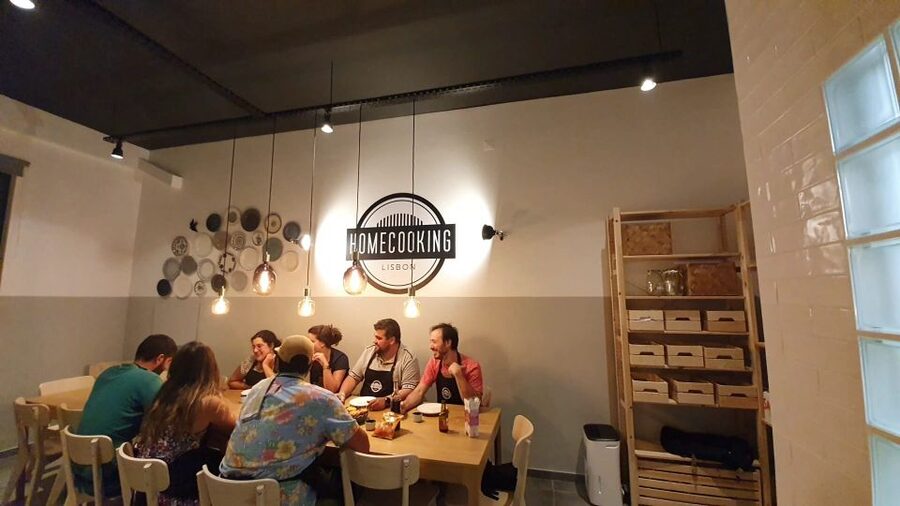
The drinks turn the last part of the class into a small social gathering. You are not rushing straight out after the baking ends. You can compare results, talk with the people beside you, and enjoy the food while it is still warm.
The timing at the end may vary in practice. One person felt the closing moments were slightly rushed and wished for more time to sit and chat. Another noted that wine was not available during that particular class. The listed drinks include Porto wine, but availability can change, so do not book the experience only for the alcohol tasting.
You may have enough pastries to take some back to your hotel, depending on the batch and how the class is organized. One family said they had enough for the rest of their trip, while another participant took homemade tarts back to the hotel. Treat this as a possible bonus rather than a guaranteed takeaway quantity.
How much does the $64 price buy you?
At $64 per person, this is not the cheapest way to eat pastel de nata in Lisbon. You can buy a single tart at a bakery for a small amount. The value here comes from the activity, instruction, drinks, and the chance to make the pastry yourself.
I think the price is reasonable if you enjoy cooking classes or want a food experience with more substance than a tasting. All ingredients, utensils, chef instruction, drinks, and insurance are included. You also get a recipe and enough practical guidance to try the dessert again at home.
The class is less good value if your only goal is to eat several pastries. In that case, a bakery crawl will cost less and let you compare different versions around Lisbon.
The value also depends on how much you take part. If you want to watch a chef work while someone else handles the difficult steps, this may feel expensive. If you want to shape pastry, make custard, ask questions, and eat the results, the fee makes more sense.
Who will enjoy this class most?
This is a strong choice for couples, friends, solo visitors, and families with older children. The class is in English and has a friendly, social format, so it is easy to join even if you arrive without a group.
Teenagers appear to fit the format well. Families with children aged 7, 9, 10, and 12 have completed the class successfully, and teenage participants have also enjoyed it. The official age restriction says children under 6 are not suitable, so families with younger children should make other plans.
For solo visitors, the pairing system can work in your favor. You may work with someone you have not met, but the shared task gives you an easy conversation starter.
It is also a good pick for anyone who wants to recreate the dish at home. You may not leave ready to run a bakery, but you will understand the basic technique far better than you would from eating the pastry alone.
This is not the right choice for someone with a mobility impairment, as the activity is listed as unsuitable for people with mobility issues. Hotel pickup and drop-off are not included, so you must arrange your own transport.
A practical plan for your booking
Book this class early if it is one of your main Lisbon plans. The rating is 4.9 from 2,106 ratings, and the experience has attracted strong demand.
Before you leave, confirm the meeting point shown with your booking. One person encountered a temporary location issue connected with construction, though it was resolved quickly. That kind of change is uncommon but worth checking for, especially if you booked at the last minute.
Wear clothes you do not mind using in a kitchen. The experience involves dough, custard, flour, and hands-on preparation. The supplied information does not specify an apron policy, so do not assume one is provided.
Leave space in your schedule after the class. The official duration is two hours, but you may want a little time for transport and for enjoying your pastries without watching the clock.
The activity is led in English. If that suits you, communication should be straightforward. Several instructors have also been able to move between languages in the kitchen, but English is the stated teaching language.
Free cancellation is available up to 24 hours before the start time, and you can reserve now and pay later. Those terms are useful if your Lisbon plans are still changing.
Should you book the pastel de nata class?
Book it if you want more than a bakery snack. You will learn a famous Portuguese recipe, take part in the work, hear food stories, taste local drinks, and eat warm pastries you helped prepare.
The strongest reasons to go are the patient instruction, the friendly group setting, and the clear step-by-step format. The main cautions are the location outside central Lisbon, the possibility of working in pairs, and the fact that some ingredients and oven steps are handled in advance.
I would choose this class for a first or second day in Lisbon, before you sample pastel de nata across the city. Once you understand the dough and custard, every bakery tart becomes more interesting. At $64, it is a food lesson and social outing rather than simply a dessert stop, and that makes it a sensible choice for curious eaters and hands-on cooks.
FAQ
How long is the Lisbon pastel de nata class?
The class lasts two hours.
How much does the experience cost?
The price is $64 per person.
Where does the class meet?
The meeting point is Homecooking Lisbon HUB in the Lisbon District.
What language is the class taught in?
The instructor teaches in English.
Are ingredients and cooking utensils included?
Yes. All ingredients and cooking utensils are included.
Which drinks are included?
The experience includes homemade juice, coffee, water, Porto wine, and a ginjinha tasting.
Is hotel pickup included?
No. Hotel pickup and drop-off are not included.
Can children join the class?
Children under 6 are not suitable for this activity. Older children have taken part, including children aged 7, 9, 10, and 12.
Can I cancel for a refund?
Yes. You can cancel up to 24 hours in advance for a full refund.
Can I reserve now and pay later?
Yes. You can reserve your place and pay later, which keeps your plans flexible.
Just reviewed in Lisbon
- Lisbon: Morning of Equestrian Art with Lusitano Horses★ 4.4 · 87 reviews
- Lisbon: Entry Tickets to Mosteiro de São Vicente de Foram★ 4.6 · 50 reviews
- Lisbon: Early Morning TukTuk Tour – hotel/cruise ship pickup★ 4.9 · 45 reviews
- Lisbon: National Palace of Ajuda E-Ticket & City Audio Guide★ 4.1 · 87 reviews
- Sintra: Quinta da Regaleira e-Ticket & Sintra City Audios★ 4.1 · 12 reviews
- Lisbon E-Bike Tour TAGUS★ 5.0 · 3 reviews
- Lisbon: E-bike Trip from the Sintra Mountains to Cascais Sea★ 5.0 · 67 reviews
- Lisbon: Discover Belem by electric Tuk Tuk★ 4.9 · 86 reviews
Lisbon Cooking Classes, compared.
Pastel de Nata Masterclass at a Real Bakery in Downtown Lisbon
Read our review →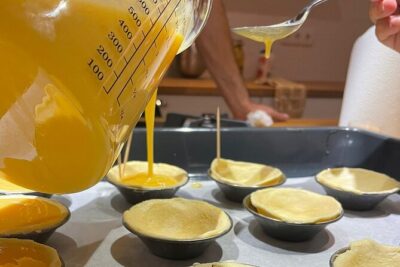
Pastel de Nata Pastry Class: Bake and Enjoy Your Own Treats
Read our review →
Lisbon Portuguese Cooking Class with 3-Course Dinner
Read our review →
Traditional Portuguese Cooking Class in Lisbon
Read our review →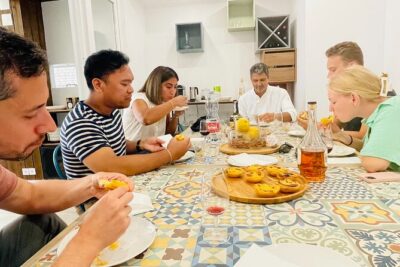

Browse the lists this tour appears in